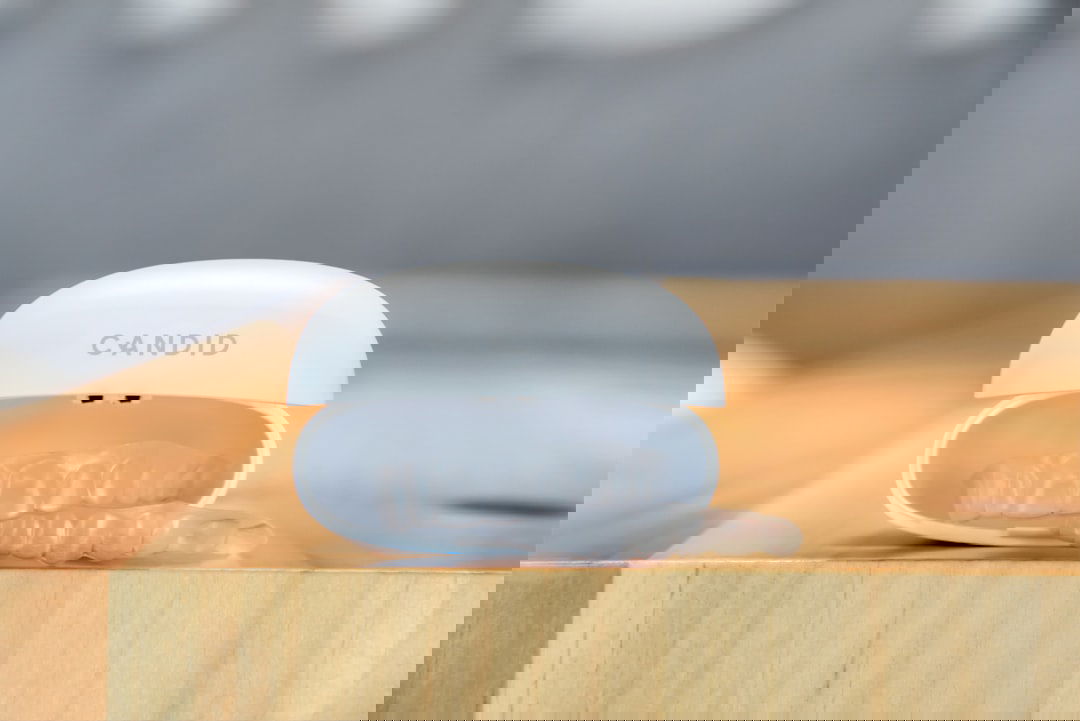
The pursuit of a perfect smile has led to a myriad of teeth straightening options, each designed to cater to different needs, preferences, and lifestyles. As dental technology has advanced, orthodontic treatments have evolved from traditional methods to innovative solutions that prioritize comfort, aesthetics, and efficiency. Whether one is dealing with overcrowded teeth, gaps, or misalignment, the options available today are more diverse than ever.
This article delves into the various teeth straightening methods, exploring their unique features, benefits, and potential drawbacks. Understanding the different teeth straightening options is crucial for anyone considering orthodontic treatment. The choice of method can significantly impact not only the duration of treatment but also the overall experience.
Factors such as age, lifestyle, and personal preferences play a vital role in determining the most suitable approach. From traditional braces to modern clear aligners, each option has its own set of advantages and challenges that must be weighed carefully before making a decision.
Key Takeaways
- Traditional braces are effective but can be uncomfortable and noticeable
- Invisalign offers a clear and removable alternative to traditional braces
- ClearCorrect provides another invisible option for teeth straightening
- Lingual braces are a hidden solution as they are placed on the back of the teeth
- Ceramic braces offer a less noticeable option with tooth-colored brackets
- Self-ligating braces are a more comfortable choice as they reduce friction and pressure
- Accelerated orthodontics can speed up the teeth straightening process
- Retainers are essential for maintaining a straight smile after braces
- When choosing the right option for you, consider factors such as visibility, comfort, and treatment duration
- Achieving your perfect smile is possible with the variety of teeth straightening options available.
Traditional Braces: Pros and Cons
Traditional braces have long been the cornerstone of orthodontic treatment. Comprising metal brackets bonded to the teeth and connected by wires, they work by applying continuous pressure to gradually shift teeth into their desired positions. One of the most significant advantages of traditional braces is their effectiveness in treating complex dental issues.
They can address severe misalignments, overcrowding, and bite problems that other methods may struggle to correct. However, traditional braces come with their own set of challenges. The most notable drawback is their visibility; the metal components can be quite conspicuous, which may deter some individuals from pursuing this option.
Additionally, maintaining oral hygiene can be more challenging with braces, as food particles can easily become trapped in the brackets and wires. Patients must be diligent about brushing and flossing to prevent cavities and gum disease during treatment. Furthermore, the discomfort associated with adjustments and the potential for mouth sores can make traditional braces less appealing for some.
Invisalign: The Clear Alternative to Braces
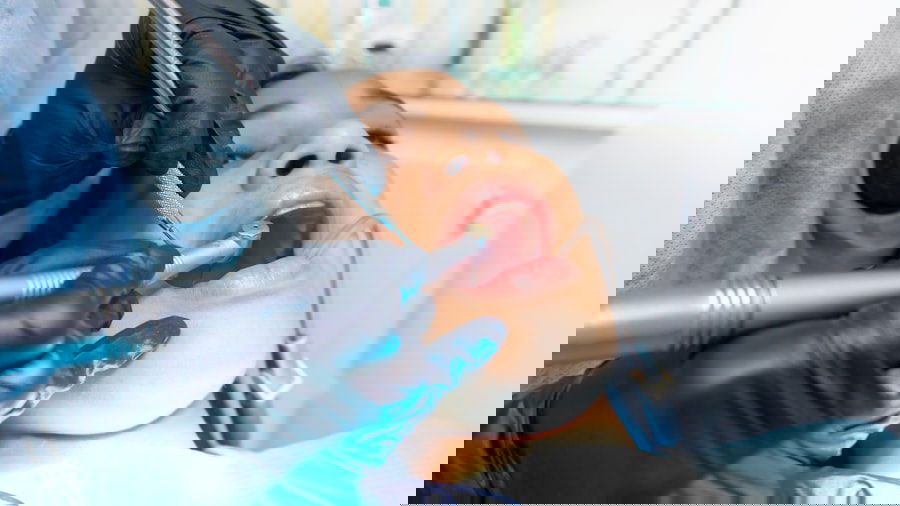
Invisalign has revolutionized orthodontics by offering a clear aligner system that provides a discreet alternative to traditional braces. Made from a smooth, transparent plastic material, Invisalign aligners are custom-fitted to each patient’s teeth and are designed to be worn for 20 to 22 hours a day. One of the primary benefits of Invisalign is its aesthetic appeal; many individuals prefer the nearly invisible nature of the aligners, allowing them to undergo treatment without drawing attention to their orthodontic work.
In addition to their cosmetic advantages, Invisalign aligners are removable, which makes eating and maintaining oral hygiene significantly easier compared to traditional braces. Patients can simply take out the aligners when eating or brushing their teeth, eliminating concerns about food restrictions or cleaning difficulties. However, it is essential for patients to wear the aligners consistently; failure to do so can prolong treatment time or lead to suboptimal results.
Moreover, while Invisalign is effective for many cases of misalignment, it may not be suitable for more complex orthodontic issues that require more significant tooth movement.
ClearCorrect: Another Invisible Option
| Metrics | Data |
|---|---|
| Number of ClearCorrect users | Over 6 million |
| Success rate | Average of 75-80% |
| Treatment time | 6 to 18 months |
| Cost | Varies depending on the case complexity |
ClearCorrect is another player in the clear aligner market that offers a similar approach to teeth straightening as Invisalign. Like its counterpart, ClearCorrect utilizes a series of custom-made clear aligners that gradually shift teeth into alignment over time. The process begins with a consultation where a dental professional assesses the patient’s needs and creates a treatment plan using 3D imaging technology.
One of the advantages of ClearCorrect is its flexibility in terms of treatment options. Patients can choose between different plans based on their specific needs and budget. Additionally, ClearCorrect aligners are made from a durable plastic material that is designed for comfort and effectiveness.
However, as with any clear aligner system, patient compliance is crucial for success; aligners must be worn as directed to achieve optimal results. While ClearCorrect may not be as widely recognized as Invisalign, it offers a viable alternative for those seeking an invisible method of teeth straightening.
Lingual Braces: The Hidden Solution
Lingual braces present a unique solution for individuals who desire the effectiveness of traditional braces without the visible appearance. These braces are affixed to the back side of the teeth, making them virtually invisible from the front. This hidden placement allows patients to undergo orthodontic treatment discreetly while still benefiting from the same level of correction that traditional braces provide.
One of the primary advantages of lingual braces is their aesthetic appeal; they are an excellent choice for adults or professionals who may feel self-conscious about wearing visible braces. However, lingual braces come with their own set of challenges. The placement on the tongue side can lead to discomfort during the initial adjustment period, and some patients may experience difficulty with speech as they adapt to having braces in this location.
Additionally, lingual braces can be more challenging for orthodontists to adjust and may require more frequent visits for monitoring.
Ceramic Braces: A Less Noticeable Option

Ceramic braces offer an aesthetically pleasing alternative to traditional metal braces while still providing effective treatment for various orthodontic issues. These braces utilize tooth-colored or clear brackets that blend in with the natural color of the teeth, making them less noticeable than their metal counterparts. This feature makes ceramic braces particularly appealing to adults and teens who wish to maintain a more discreet appearance during treatment.
While ceramic braces are effective in correcting misalignment and bite issues, they do come with some drawbacks. One concern is their durability; ceramic brackets are more prone to chipping or breaking compared to metal brackets. Additionally, they may require more careful maintenance during treatment to prevent staining from certain foods or beverages.
Despite these challenges, many patients find that the aesthetic benefits of ceramic braces outweigh the potential downsides.
Self-Ligating Braces: A More Comfortable Choice
Self-ligating braces represent an innovative advancement in orthodontic technology that offers several benefits over traditional braces. These braces utilize a specialized clip mechanism instead of elastic bands to hold the archwire in place. This design allows for easier adjustments and reduces friction between the wire and brackets, leading to a more comfortable experience for patients.
One significant advantage of self-ligating braces is that they often require fewer visits to the orthodontist for adjustments compared to traditional braces.
Additionally, because self-ligating braces exert less pressure on the teeth, patients may experience less discomfort during treatment.
However, it is essential for patients to discuss their specific needs with their orthodontist, as self-ligating braces may not be suitable for all cases.
Accelerated Orthodontics: Speeding Up the Process
For those eager to achieve their desired smile in a shorter timeframe, accelerated orthodontics offers promising solutions that can significantly reduce treatment duration. This approach combines traditional orthodontic methods with advanced techniques designed to expedite tooth movement. One popular method involves using devices that apply gentle vibrations or micro-pulses to stimulate bone remodeling around the teeth.
Another technique involves surgical interventions that facilitate faster tooth movement by altering the bone structure surrounding the teeth. While these methods can lead to quicker results, they may not be suitable for everyone and often require careful consideration and consultation with an orthodontic specialist. Patients interested in accelerated orthodontics should weigh the potential benefits against any associated risks or discomfort.
Retainers: Maintaining Your Straight Smile
Once orthodontic treatment is complete, maintaining the results is crucial for preserving a straight smile over time. Retainers play an essential role in this process by holding teeth in their new positions after braces or aligners have been removed. There are various types of retainers available, including fixed retainers that are bonded behind the teeth and removable options that can be taken out when eating or cleaning.
The importance of wearing retainers cannot be overstated; without them, there is a significant risk that teeth will shift back toward their original positions over time. Orthodontists typically recommend wearing retainers full-time initially before transitioning to part-time wear as stability is achieved. Patients should follow their orthodontist’s instructions regarding retainer use to ensure long-lasting results.
Choosing the Right Option for You
Selecting the most appropriate teeth straightening option involves careful consideration of various factors including personal preferences, lifestyle, budget, and specific dental needs. Consulting with an experienced orthodontist is essential in this decision-making process; they can provide valuable insights into which methods are best suited for individual cases based on clinical assessments and treatment goals. Patients should also consider their comfort level with different options; some may prioritize aesthetics while others may focus on effectiveness or convenience.
Understanding the pros and cons of each method will empower individuals to make informed choices that align with their unique circumstances and aspirations for their smiles.
Achieving Your Perfect Smile
The journey toward achieving a perfect smile is highly personal and varies from one individual to another. With an array of teeth straightening options available today—from traditional braces to advanced clear aligners—there is something for everyone regardless of age or dental condition. By understanding each method’s features and benefits, individuals can make informed decisions that lead them closer to their ideal smiles while enjoying a comfortable and effective orthodontic experience.
If you’re considering teeth straightening options, you might be interested in learning more about how orthodontics can transform your smile. Orthodontic treatments not only enhance the aesthetic appeal of your teeth but also improve oral health by aligning your bite and making it easier to maintain good hygiene. For a comprehensive understanding of how orthodontics can benefit you, check out this related article: Transform Your Smile with Orthodontics. This resource provides valuable insights into the various orthodontic options available and how they can lead to a healthier, more confident smile.
FAQs
What is teeth straightening?
Teeth straightening is the process of aligning and straightening teeth to improve their appearance and function. This can be achieved through various orthodontic treatments such as braces, clear aligners, and retainers.
Why is teeth straightening important?
Teeth straightening is important for both aesthetic and functional reasons. Straight teeth can improve a person’s smile and overall appearance, while also contributing to better oral health and proper bite alignment.
What are the common methods of teeth straightening?
Common methods of teeth straightening include traditional metal braces, ceramic braces, lingual braces, and clear aligners such as Invisalign. Each method has its own advantages and is suitable for different types of orthodontic issues.
How long does teeth straightening treatment take?
The duration of teeth straightening treatment varies depending on the severity of the orthodontic issues and the chosen method of treatment. On average, treatment can take anywhere from several months to a few years.
Are there any age restrictions for teeth straightening?
Teeth straightening treatments are suitable for individuals of all ages, including children, teenagers, and adults. However, the ideal treatment plan may vary based on the age and specific orthodontic needs of the patient.
What are the potential benefits of teeth straightening?
The potential benefits of teeth straightening include improved oral health, enhanced self-confidence, better bite alignment, reduced risk of dental problems, and a more aesthetically pleasing smile.