
Orthodontics is a specialized branch of dentistry that focuses on diagnosing, preventing, and treating dental and facial irregularities. The primary goal of orthodontic treatment is to achieve a healthy, functional bite and an aesthetically pleasing smile. This field encompasses a variety of techniques and appliances designed to correct misaligned teeth, jaw discrepancies, and other issues that can affect oral health and overall well-being.
Orthodontists undergo extensive training beyond dental school, typically completing a residency program that lasts an additional two to three years, where they gain expertise in the mechanics of tooth movement and facial development. The need for orthodontic intervention can arise from various factors, including genetic predispositions, childhood habits such as thumb-sucking, or injuries that affect the jaw or teeth. Common orthodontic issues include overcrowding, gaps between teeth, overbites, underbites, and crossbites.
Each of these conditions can lead to complications if left untreated, such as difficulty in chewing, speech problems, and increased risk of tooth decay or gum disease. Understanding the fundamentals of orthodontics is crucial for anyone considering treatment, as it lays the groundwork for informed decisions about their oral health.
Key Takeaways
- Orthodontics involves the diagnosis, prevention, and treatment of dental and facial irregularities.
- Orthodontic treatment can improve oral health, boost self-confidence, and enhance overall quality of life.
- Common types of orthodontic treatments include braces, clear aligners, and retainers.
- When choosing an orthodontist, consider their experience, credentials, and communication style.
- During orthodontic treatment, expect regular appointments, adjustments, and proper oral hygiene maintenance.
The Benefits of Orthodontic Treatment
Improved Chewing Efficiency
A properly aligned bite can make a big difference in your ability to eat comfortably. When your teeth are aligned correctly, you can chew your food more efficiently, which means you can enjoy a wider variety of foods without discomfort.
Reduced Risk of TMJ Disorders
Correcting misalignments in your teeth can also reduce the stress on your jaw joints, which can help prevent temporomandibular joint (TMJ) disorders. These disorders can cause pain and dysfunction, so orthodontic treatment can be an important investment in your overall health.
Better Oral Hygiene and Boosted Confidence
Orthodontic treatment is also important for maintaining good oral hygiene. When your teeth are straight and aligned correctly, it’s easier to clean them properly, which can reduce your risk of cavities and gum disease. Additionally, many people report feeling more confident and self-assured after orthodontic treatment, which can have a positive impact on their social interactions and personal relationships.
Types of Orthodontic Treatments Available
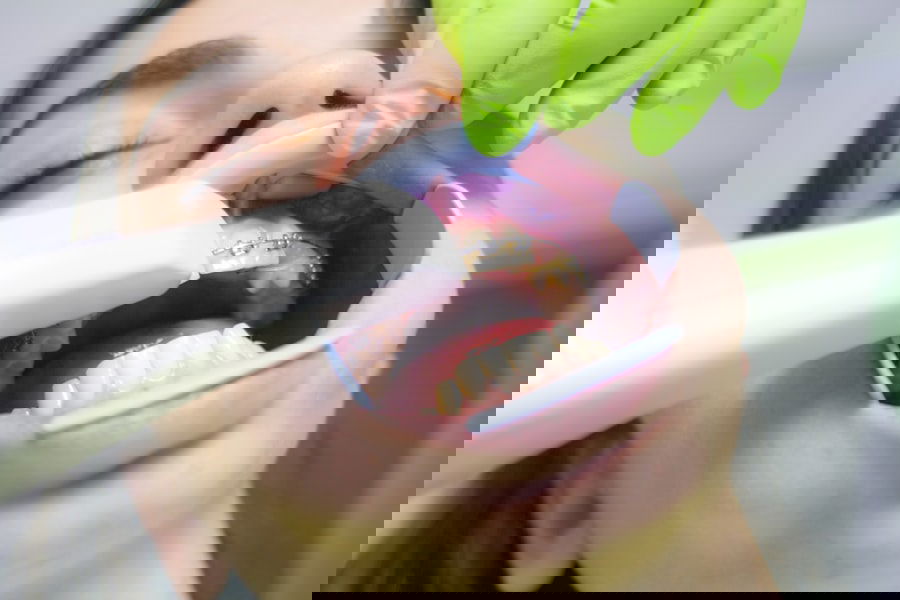
Orthodontics offers a diverse array of treatment options tailored to meet individual needs and preferences. Traditional metal braces are perhaps the most recognizable form of orthodontic treatment. These consist of brackets bonded to the teeth and connected by wires that are periodically adjusted to guide teeth into their desired positions.
While they are highly effective for a wide range of dental issues, advancements in technology have led to the development of alternative options that may be more appealing to certain patients. Ceramic braces are similar in function to metal braces but use tooth-colored materials that blend more seamlessly with natural teeth. This makes them a popular choice among adults and teens who wish to minimize the visibility of their orthodontic appliances.
Another innovative option is clear aligners, such as Invisalign, which utilize a series of custom-made plastic trays to gradually shift teeth into alignment. These aligners are removable, allowing for easier maintenance of oral hygiene and greater comfort during treatment. Each type of orthodontic treatment has its own set of advantages and considerations, making it essential for patients to discuss their options with an orthodontist to determine the best fit for their specific circumstances.
Finding the Right Orthodontist for You
| Criteria | Importance | Considerations |
|---|---|---|
| Experience | High | Years in practice, specialized training |
| Location | Medium | Convenience, proximity to home or work |
| Cost | Medium | Insurance coverage, payment plans |
| Reputation | High | Reviews, referrals, success stories |
| Treatment Options | High | Braces, Invisalign, other orthodontic treatments |
Choosing the right orthodontist is a critical step in the journey toward achieving a healthier smile. When searching for an orthodontist, it is essential to consider factors such as qualifications, experience, and patient reviews. An orthodontist should be board-certified and have completed an accredited residency program in orthodontics.
This ensures that they possess the necessary skills and knowledge to provide effective treatment. In addition to credentials, personal rapport is also important. An initial consultation can provide insight into the orthodontist’s communication style and approach to patient care.
During this visit, potential patients should feel comfortable asking questions about treatment options, expected outcomes, and any concerns they may have regarding the process. Furthermore, it can be beneficial to seek recommendations from friends or family members who have undergone orthodontic treatment themselves. Online reviews and testimonials can also offer valuable perspectives on patient experiences and satisfaction levels.
What to Expect During Orthodontic Treatment
The journey through orthodontic treatment typically begins with a comprehensive evaluation that includes X-rays, photographs, and impressions of the teeth. This information allows the orthodontist to develop a personalized treatment plan tailored to the patient’s specific needs. Once the plan is established, the patient will receive their chosen orthodontic appliance—be it braces or aligners—and will be given instructions on how to care for them.
Throughout the course of treatment, regular follow-up appointments will be necessary to monitor progress and make adjustments as needed. For those with braces, this may involve tightening wires or replacing elastic bands; for aligner users, it will include switching to the next set of trays in their series. Patients should expect some discomfort during these adjustments as teeth shift into their new positions; however, this discomfort is usually temporary and manageable with over-the-counter pain relief if necessary.
Additionally, maintaining good oral hygiene is crucial during this time to prevent complications such as cavities or gum disease.
Maintaining Your Smile After Orthodontic Treatment
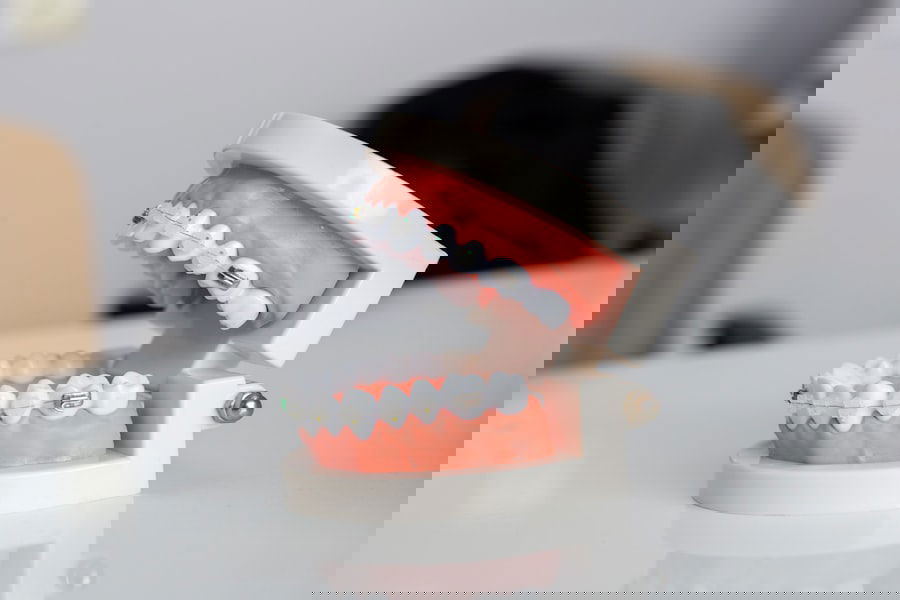
Retainers: The Key to Stability
Retainers are typically prescribed after treatment to help stabilize teeth in their new positions. These devices can be fixed or removable and are crucial for preventing relapse, where teeth shift back towards their original misalignment.
Wearing Retainers: A Long-Term Commitment
The duration for which retainers must be worn varies from person to person. Some may need to wear them full-time for several months before transitioning to nighttime use only. Regular dental check-ups should continue even after orthodontic treatment is finished to ensure ongoing oral health and monitor any changes in alignment over time.
Good Oral Hygiene Habits: A Lifelong Priority
Additionally, patients should remain vigilant about their oral hygiene routine, including brushing twice daily and flossing regularly. This will help preserve both their smile and overall dental health.
Common Misconceptions About Orthodontics
Despite its prevalence in modern dentistry, several misconceptions about orthodontics persist among the public. One common myth is that orthodontic treatment is only for children and teenagers; however, adults can also benefit significantly from orthodontic care at any age. In fact, an increasing number of adults are seeking treatment options like clear aligners due to their discreet nature and effectiveness.
Another misconception is that braces are solely for cosmetic purposes; while aesthetics play a role in many patients’ decisions to pursue treatment, the functional benefits are equally important. Misaligned teeth can lead to serious oral health issues if left untreated, including jaw pain and increased wear on teeth. Additionally, some individuals believe that all orthodontic treatments take years to complete; however, advancements in technology have led to faster treatment options that can yield results in a matter of months for certain cases.
The Importance of Orthodontics for Overall Oral Health
Orthodontics plays a crucial role in promoting not only a beautiful smile but also overall oral health. Properly aligned teeth contribute significantly to effective chewing and speaking functions while reducing strain on jaw muscles and joints. This alignment minimizes the risk of developing TMJ disorders or other complications associated with malocclusion.
Furthermore, straight teeth are easier to clean effectively than misaligned ones, which helps prevent cavities and gum disease—two common issues that can lead to more severe health problems if not addressed promptly. Research has shown that individuals with good oral health often experience better overall health outcomes; thus, investing in orthodontic care can have far-reaching implications beyond just aesthetics. By prioritizing orthodontics as part of comprehensive dental care, individuals can enhance their quality of life while safeguarding their long-term health.
If you are interested in learning more about orthodontics, you may want to check out the article on White Pearl Dental Care’s website titled “Hello World.” This article may provide valuable information on the different orthodontic treatments available and how they can improve your smile. To read more, visit White Pearl Dental Care.
FAQs
What is orthodontics?
Orthodontics is a branch of dentistry that focuses on the diagnosis, prevention, and treatment of dental and facial irregularities, such as misaligned teeth and jaws.
What are the common issues that orthodontics can address?
Orthodontics can address issues such as crooked teeth, overcrowded teeth, overbite, underbite, crossbite, and misaligned jaws.
What are the benefits of orthodontic treatment?
Orthodontic treatment can improve the appearance of the teeth and face, enhance oral function, and contribute to overall dental health.
What are the different types of orthodontic treatments?
Common orthodontic treatments include braces, clear aligners, retainers, and other appliances that help move teeth into their proper position.
At what age should a person consider orthodontic treatment?
Orthodontic treatment can be beneficial for individuals of all ages, but it is often recommended to start at a young age, typically around 7 years old, when the jaw is still developing.
How long does orthodontic treatment typically last?
The duration of orthodontic treatment varies depending on the individual’s specific needs, but it can range from several months to a few years.
Is orthodontic treatment covered by insurance?
Many dental insurance plans provide coverage for orthodontic treatment, but the extent of coverage may vary. It is recommended to check with your insurance provider for details on coverage.