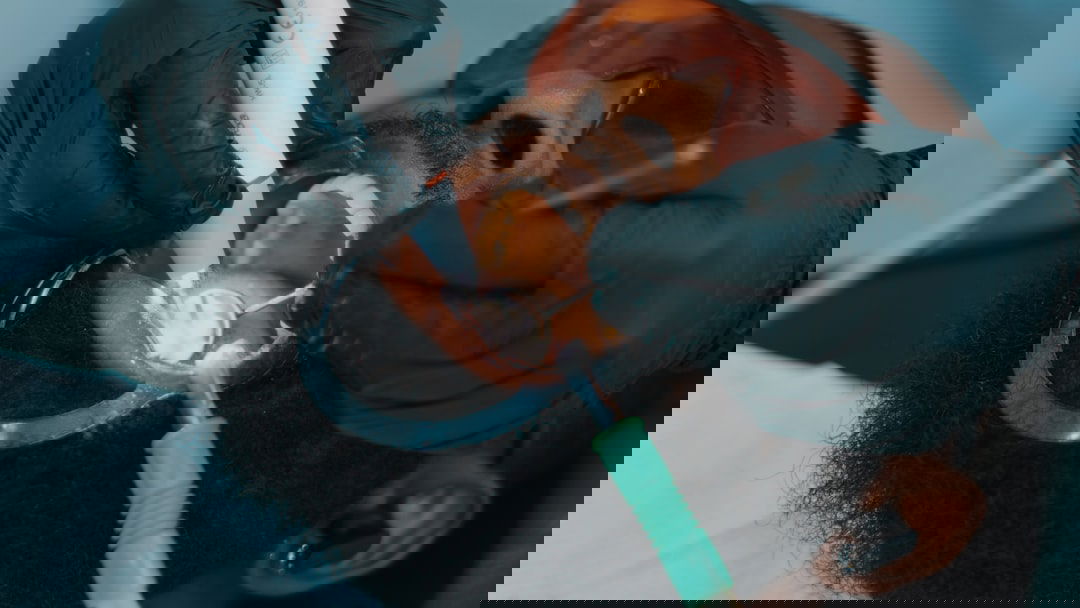
Maintaining optimal oral hygiene is fundamentally anchored in the daily practices of brushing and flossing. These two activities are not merely routine tasks; they are essential for preventing a myriad of dental issues, including cavities, gum disease, and bad breath. Brushing at least twice a day helps to remove food particles and plaque—a sticky film of bacteria that forms on teeth.
If plaque is not adequately removed, it can harden into tartar, which can only be removed by a dental professional. Flossing complements brushing by reaching areas between the teeth that a toothbrush cannot access, effectively reducing the risk of interproximal cavities and gum inflammation. Moreover, the act of brushing and flossing is not just about cleaning teeth; it also plays a significant role in maintaining overall health.
Research has shown that poor oral hygiene can lead to systemic health issues, including cardiovascular disease and diabetes. The bacteria from periodontal disease can enter the bloodstream, potentially leading to inflammation and other serious health complications. Therefore, establishing a consistent routine of brushing and flossing is crucial not only for maintaining a bright smile but also for safeguarding one’s overall health.
Key Takeaways
- Regular brushing and flossing are crucial for maintaining good oral health and preventing dental issues.
- Choosing the right toothbrush and toothpaste can make a significant difference in your oral hygiene routine.
- Regular dental check-ups are important for early detection and prevention of dental problems.
- A healthy diet plays a key role in maintaining good oral health and preventing dental issues.
- Avoiding harmful habits such as smoking and excessive sugar consumption is essential for dental care.
Choosing the Right Toothbrush and Toothpaste
Selecting the appropriate toothbrush and toothpaste is a critical step in ensuring effective oral hygiene. When it comes to toothbrushes, individuals have a choice between manual and electric options. Electric toothbrushes often provide superior plaque removal due to their oscillating or rotating bristle heads, which can make brushing easier and more effective for many users.
However, a manual toothbrush can also be highly effective if used correctly. The key is to choose a toothbrush with soft bristles, as hard bristles can damage gums and enamel over time. Equally important is the selection of toothpaste.
Fluoride toothpaste is widely recommended by dental professionals because fluoride strengthens tooth enamel and helps prevent decay. Additionally, there are various formulations available that cater to specific needs, such as sensitivity, whitening, or tartar control.
Ultimately, the right combination of toothbrush and toothpaste can significantly enhance one’s oral hygiene routine.
Understanding the Importance of Regular Dental Check-ups

Regular dental check-ups are an indispensable component of maintaining oral health. These visits allow dental professionals to conduct thorough examinations that can identify potential issues before they escalate into more serious problems.
Additionally, routine X-rays may be taken to detect cavities or other underlying issues that are not visible during a standard examination. Beyond the physical examination, dental check-ups serve as an educational opportunity for patients. Dentists can provide personalized advice on oral hygiene practices tailored to individual needs, helping patients understand how to improve their routines at home.
Furthermore, regular visits foster a relationship between patients and their dental care providers, which can lead to increased comfort and trust when addressing any concerns or treatments that may arise in the future.
Incorporating a Healthy Diet for Better Oral Health
| Healthy Diet for Better Oral Health | Benefits |
|---|---|
| Increased intake of fruits and vegetables | Provides essential vitamins and minerals for strong teeth and gums |
| Reduced consumption of sugary and acidic foods | Decreases risk of tooth decay and erosion |
| Regular intake of calcium-rich foods | Strengthens tooth enamel and jaw bone |
| Drinking plenty of water | Helps wash away food particles and maintain saliva production |
The connection between diet and oral health is profound and often underestimated. Consuming a balanced diet rich in vitamins and minerals is essential for maintaining healthy teeth and gums. Foods high in calcium, such as dairy products, leafy greens, and almonds, contribute to strong enamel and bone structure.
Vitamin C-rich foods like oranges and strawberries are vital for gum health, as they help prevent inflammation and support healing processes. Conversely, diets high in sugar and acidic foods can lead to tooth decay and erosion of enamel. Sugary snacks and beverages create an environment conducive to bacterial growth, which produces acids that attack tooth enamel.
It is crucial to limit the intake of such foods and beverages while promoting healthier alternatives like fruits, vegetables, nuts, and whole grains. Additionally, drinking plenty of water throughout the day helps wash away food particles and neutralizes acids in the mouth, further supporting oral health.
Avoiding Harmful Habits for Dental Care
Certain habits can significantly undermine oral health, making it essential to identify and avoid them. One of the most detrimental habits is smoking or using tobacco products, which not only stains teeth but also increases the risk of gum disease and oral cancer. The chemicals in tobacco can impair blood flow to the gums, hindering healing processes and leading to chronic issues.
Another harmful habit is nail-biting or using teeth as tools for opening packages or bottles. These actions can lead to chipped or cracked teeth, as well as misalignment of the bite over time. Additionally, excessive consumption of acidic beverages like soda or citrus juices can erode enamel if not balanced with proper oral hygiene practices.
By recognizing these harmful habits and making conscious efforts to eliminate them, individuals can significantly improve their dental health.
Proper Technique for Brushing and Flossing

Mastering the proper technique for brushing and flossing is crucial for maximizing the effectiveness of these daily routines. When brushing, it is recommended to hold the toothbrush at a 45-degree angle to the gums and use gentle circular motions rather than aggressive back-and-forth scrubbing. This technique helps to effectively remove plaque without damaging the gum tissue.
It is also important to brush for at least two minutes to ensure all surfaces of the teeth are adequately cleaned. Flossing requires a different approach but is equally important. A piece of floss should be about 18 inches long, allowing enough length to wrap around fingers for better control.
The floss should be gently inserted between teeth in a sawing motion without snapping it against the gums. Once in place, it should be curved around each tooth in a C-shape motion to effectively remove plaque from both sides of the tooth surface. Regular practice of these techniques will lead to improved oral hygiene outcomes.
Understanding the Role of Fluoride in Dental Care
Fluoride plays a pivotal role in dental care by enhancing the strength of tooth enamel and making it more resistant to decay. This naturally occurring mineral is found in various sources such as drinking water, certain foods, and dental products like toothpaste and mouth rinses. The mechanism by which fluoride protects teeth involves its ability to remineralize areas of enamel that have begun to demineralize due to acid exposure from bacteria or dietary sources.
In addition to its preventive properties, fluoride has been shown to inhibit the growth of harmful bacteria in the mouth that contribute to cavities. Many communities add fluoride to their public water supply as a public health measure aimed at reducing tooth decay rates among residents. For those at higher risk for cavities—such as children or individuals with dry mouth conditions—dentists may recommend additional fluoride treatments during check-ups to bolster protection against decay.
Importance of Using Mouthwash for Oral Hygiene
Incorporating mouthwash into an oral hygiene routine can provide additional benefits beyond brushing and flossing alone. Mouthwash serves as an adjunctive tool that helps reduce plaque buildup, freshen breath, and reach areas that may be missed during brushing or flossing. Many mouthwashes contain antibacterial agents that target harmful bacteria in the mouth, further contributing to overall oral health.
When selecting a mouthwash, it is essential to choose one that meets individual needs—whether it be for freshening breath or providing extra protection against cavities or gum disease. Alcohol-free options are often recommended for those with sensitive mouths or dry mouth conditions since alcohol can exacerbate these issues. Regular use of mouthwash can enhance an individual’s oral hygiene routine by providing an extra layer of protection against common dental problems.
Tips for Preventing Tooth Decay and Cavities
Preventing tooth decay requires a multifaceted approach that combines good oral hygiene practices with lifestyle choices. One effective strategy is to limit sugary snacks and beverages between meals; frequent exposure to sugar creates an environment where bacteria thrive and produce acids that erode enamel. Instead, opting for healthier snacks like fruits or vegetables can help maintain oral health while satisfying hunger.
Additionally, using products containing fluoride—such as toothpaste or mouthwash—can significantly reduce the risk of cavities by strengthening enamel. Regular dental check-ups are also vital; they allow for early detection of potential issues before they develop into more significant problems requiring extensive treatment. Educating oneself about proper oral hygiene techniques further empowers individuals to take charge of their dental health proactively.
Importance of Changing Your Toothbrush Regularly
The toothbrush is an essential tool in maintaining oral hygiene; however, its effectiveness diminishes over time due to wear and tear. Dental professionals recommend changing your toothbrush every three to four months or sooner if bristles become frayed or worn out. A worn toothbrush cannot effectively remove plaque from teeth and may even cause damage to gums due to its inability to clean properly.
Moreover, replacing your toothbrush after recovering from an illness is crucial in preventing reinfection from bacteria that may linger on bristles. This simple yet often overlooked practice ensures that individuals maintain optimal cleaning efficiency while minimizing exposure to harmful pathogens that could compromise their oral health.
Understanding the Impact of Oral Health on Overall Well-being
The relationship between oral health and overall well-being is increasingly recognized in medical research. Poor oral hygiene has been linked not only to dental problems but also to systemic conditions such as heart disease, diabetes, respiratory infections, and even pregnancy complications. The mouth serves as a gateway to the body; thus, bacteria from periodontal disease can enter the bloodstream and contribute to inflammation throughout various systems.
Furthermore, individuals with chronic oral health issues may experience significant impacts on their quality of life—ranging from pain and discomfort to difficulties in eating or speaking effectively. This underscores the importance of prioritizing oral health as part of comprehensive healthcare strategies aimed at improving overall wellness. By understanding this connection, individuals are encouraged to adopt proactive measures in their dental care routines that benefit both their mouths and their bodies as a whole.
If you’re considering options for achieving a straighter smile, you might be interested in learning about the ClearCorrect process. This innovative dental treatment offers a discreet and effective way to align your teeth without the need for traditional metal braces. For more detailed information on how ClearCorrect can transform your smile, check out this related article: Smile Transformation: The ClearCorrect Process. This resource provides insights into the benefits and steps involved in the ClearCorrect treatment, helping you make an informed decision about your dental care.
FAQs
What is dental care?
Dental care refers to the maintenance of healthy teeth and gums through regular brushing, flossing, and visits to the dentist. It also includes treatments for dental issues such as cavities, gum disease, and tooth decay.
Why is dental care important?
Dental care is important for maintaining overall health and well-being. It helps prevent tooth decay, gum disease, and other oral health problems. Good dental care also contributes to a confident smile and fresh breath.
What are the basic components of dental care?
The basic components of dental care include regular brushing and flossing, routine dental check-ups and cleanings, a balanced diet, and avoiding harmful habits such as smoking and excessive sugar consumption.
How often should I visit the dentist for dental care?
It is recommended to visit the dentist for a routine check-up and cleaning at least every six months. However, some individuals may need to visit more frequently based on their oral health needs.
What are some common dental care treatments?
Common dental care treatments include fillings for cavities, root canals for infected teeth, tooth extractions, dental crowns and bridges, and professional teeth whitening. Orthodontic treatments such as braces and Invisalign are also common for correcting teeth alignment.
How can I maintain good dental care at home?
To maintain good dental care at home, it is important to brush your teeth at least twice a day, floss daily, eat a balanced diet, limit sugary and acidic foods and drinks, and avoid tobacco products. Using fluoride toothpaste and mouthwash can also help maintain oral health.