At White Pearl Dental Care, your trusted dentist in Blacktown, we are proud to offer Invisalign. It is the leading clear aligner system that straightens teeth discreetly and comfortably. If you’ve been dreaming of a straighter smile but don’t want the hassle of traditional braces, Invisalign may be the perfect solution for you.
Why Choose Invisalign?
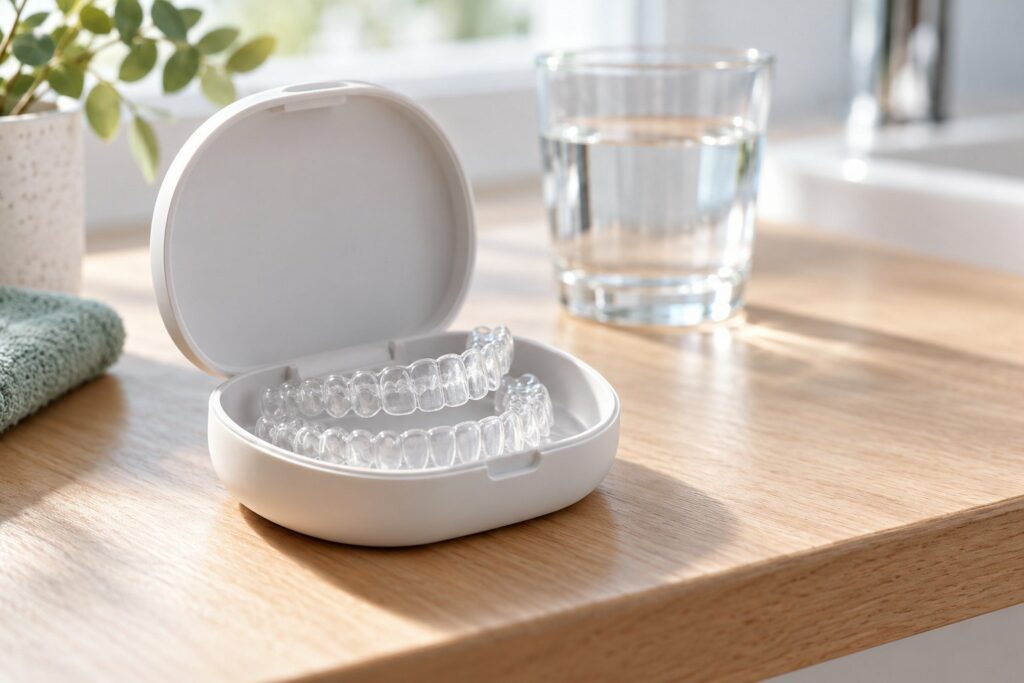
Invisalign uses a series of custom-made, clear aligners that gently shift your teeth into their ideal position over time. These aligners are virtually invisible, removable, and designed for comfort, making them a popular choice for both teens and adults. Unlike metal braces, Invisalign allows you to eat, brush, and floss with ease while undergoing treatment.
Expert Care from Dr Ronald Hong
Our principal dentist, Dr Ronald Hong, has years of experience in providing Invisalign treatment. With a keen eye for detail and a commitment to patient satisfaction, Dr Hong carefully assesses each patient’s dental structure. He creates a personalized Invisalign plan tailored to their needs. His expertise ensures that you receive optimal results with minimal discomfort.

Your Invisalign Journey
- Consultation: During your initial visit, Dr Hong will assess your teeth and discuss whether Invisalign is suitable for you.
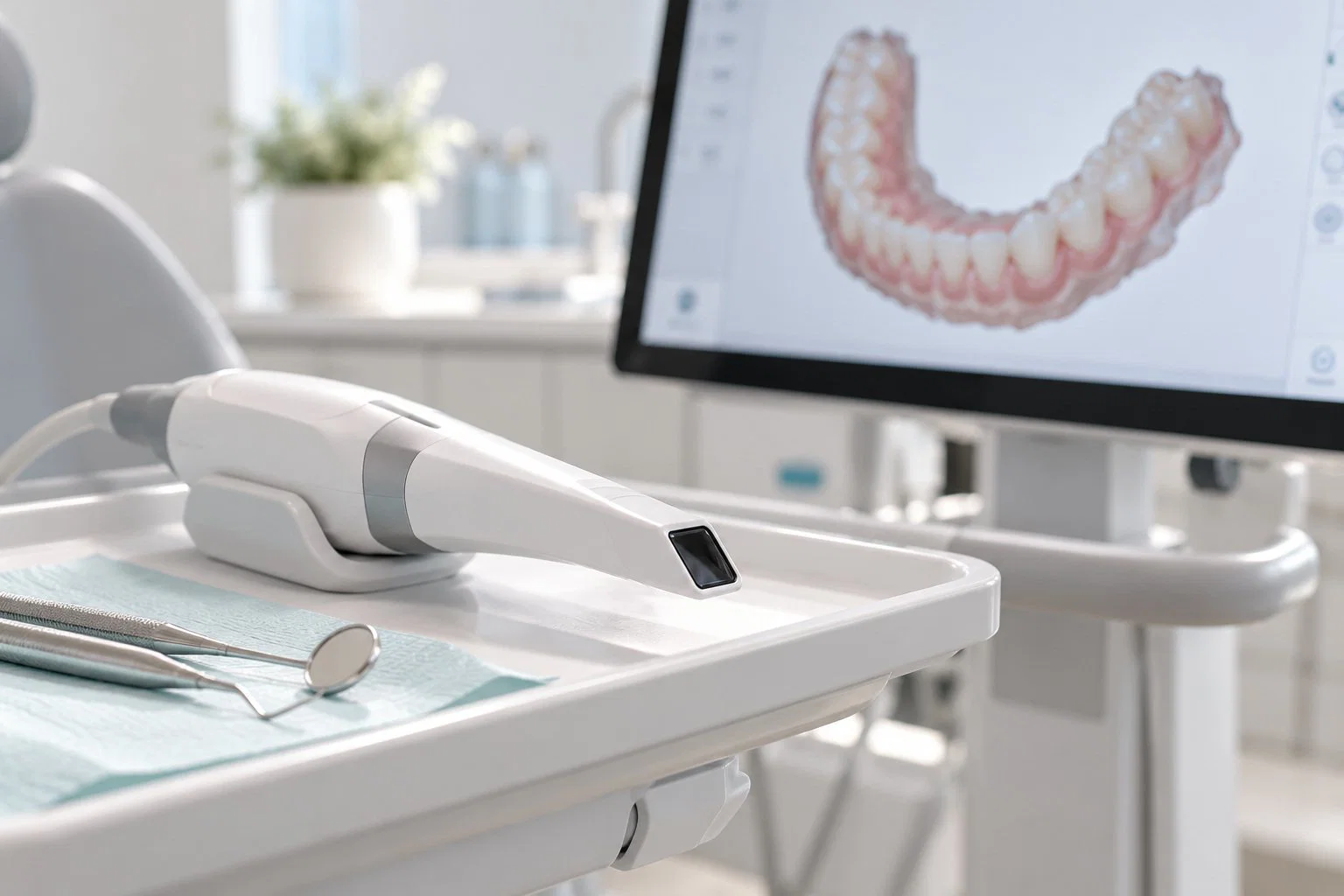
- Custom Treatment Plan: Using advanced 3D imaging technology, we will map out your treatment plan. This plan will show you a preview of your new smile.
- Aligner Fitting: You’ll receive your custom aligners, which should be worn for 20-22 hours a day. They should be changed every one to two weeks.
- Regular Check-Ups: We will monitor your progress and make any necessary adjustments to ensure the best results.
- A Beautiful Smile: Once your treatment is complete, you’ll enjoy a straighter, healthier smile. You also have the option of retainers to maintain your results.

The Benefits of Invisalign Treatment
Invisalign treatment represents a significant advancement in orthodontics, offering a modern alternative to traditional metal braces. This innovative system utilizes a series of clear, removable aligners that are custom-made to fit snugly over the teeth. Unlike conventional braces, which rely on brackets and wires to shift teeth into their desired positions, Invisalign aligners are designed to be virtually invisible, making them an appealing choice for individuals seeking a discreet orthodontic solution.
The treatment is based on advanced 3D imaging technology, which allows dentists to create a precise treatment plan tailored to each patient’s unique dental structure. The journey begins with a comprehensive consultation, during which the orthodontist evaluates the patient’s dental health and discusses their aesthetic goals. Using digital scanning technology, the orthodontist captures detailed images of the patient’s teeth, which are then used to create a series of aligners that will gradually move the teeth into alignment.
Each set of aligners is typically worn for about two weeks before being replaced with the next set in the series. This gradual approach not only enhances comfort but also allows for more predictable results, as patients can visualize their progress throughout the treatment.
Key Takeaways
- Invisalign treatment offers a clear and removable alternative to traditional braces, making it a popular choice for many patients.
- Invisalign aligners are virtually invisible, comfortable, and can be removed for eating, brushing, and flossing, providing a more convenient orthodontic option.
- Invisalign works by using a series of custom-made clear aligners to gradually shift teeth into the desired position, without the need for metal brackets or wires.
- Candidates for Invisalign treatment include individuals with mild to moderate orthodontic issues, such as crooked teeth, gaps, or overcrowding.
- The process of getting Invisalign treatment involves a consultation, custom treatment plan, regular check-ups, and wearing the aligners for 20-22 hours per day for optimal results.
Advantages of Invisalign over Traditional Braces
Boosting Confidence
The discreet nature of Invisalign can boost a patient’s confidence during treatment, enabling them to smile freely without feeling embarrassed about their appearance.
Convenience and Flexibility
In addition to aesthetics, Invisalign offers a level of convenience that traditional braces cannot match. The aligners are removable, allowing patients to eat and drink without restrictions. Unlike braces, which require careful consideration of food choices to avoid damaging brackets and wires, Invisalign users can simply take out their aligners during meals.
Promoting Better Oral Hygiene
This flexibility extends to oral hygiene as well; patients can brush and floss their teeth without any obstructions, promoting better overall dental health during the course of treatment. Furthermore, the absence of metal components means fewer visits to the dentist for adjustments, as patients can simply switch to the next set of aligners at home.
How Invisalign Works
The mechanics of Invisalign treatment are rooted in a sophisticated system of aligners that work in tandem to shift teeth into their desired positions. Each aligner is designed with specific pressure points that target particular teeth, guiding them gradually into alignment over time. The treatment plan is meticulously crafted using advanced software that simulates the movement of teeth throughout the process, allowing both the orthodontist and patient to visualize the expected outcome before treatment even begins.
As patients progress through their aligner series, they will notice incremental changes in their teeth’s positioning. The aligners apply gentle pressure on the teeth, which encourages them to move into their new positions. This process is carefully monitored by the dentist, who may make adjustments to the treatment plan as necessary based on the patient’s progress.
The ability to track these changes digitally not only enhances precision but also provides reassurance to patients who may be anxious about their treatment journey.
Who is a Candidate for Invisalign Treatment
Invisalign is suitable for a wide range of orthodontic issues, making it an appealing option for many patients. Ideal candidates include those with mild to moderate misalignment, such as overcrowded teeth, gaps between teeth, or slight overbites and underbites. However, it is essential for potential candidates to undergo a thorough evaluation by an orthodontist to determine if Invisalign is the right fit for their specific dental needs.
While many adults and teenagers are excellent candidates for Invisalign, certain complex cases may require traditional braces or other orthodontic interventions. For instance, individuals with severe bite issues or significant jaw misalignment may not achieve optimal results with aligners alone. Additionally, patients must be committed to wearing their aligners for at least 20-22 hours per day to ensure effective treatment.
This level of dedication is crucial for achieving the desired results within the estimated treatment timeline.
The Process of Getting Invisalign Treatment
The process of obtaining Invisalign treatment begins with an initial consultation with an orthodontist who specializes in this method. During this appointment, the orthodontist will assess the patient’s dental health and discuss their goals for treatment. If Invisalign is deemed appropriate, the next step involves taking digital impressions or scans of the patient’s teeth.
These images are crucial for creating a customized treatment plan that outlines the specific movements required for each tooth. Once the digital impressions are complete, they are sent to a laboratory where advanced 3D imaging technology is used to design a series of aligners tailored to the patient’s unique dental structure. Patients typically receive several sets of aligners at once, allowing them to change aligners every two weeks as directed by their orthodontist.
Regular follow-up appointments are scheduled throughout the treatment process to monitor progress and make any necessary adjustments to ensure optimal results.
Maintaining Oral Hygiene with Invisalign
Brushing and Flossing
Patients are encouraged to brush and floss their teeth after every meal before reinserting their aligners. This practice helps prevent plaque buildup and cavities, which can be more challenging with traditional braces due to their fixed components.
Cleaning Your Aligners
In addition to brushing and flossing, patients should clean their aligners regularly using a soft toothbrush and mild soap or specialized cleaning crystals designed for Invisalign.
Avoiding Harmful Beverages
It is also essential for patients to avoid consuming sugary or acidic beverages while wearing their aligners, as these can contribute to tooth decay and discoloration. Drinking water is generally safe; however, beverages like coffee or soda should be consumed without the aligners in place. By adhering to these oral hygiene practices, patients can ensure that their teeth remain healthy throughout the duration of their treatment.
Potential Side Effects of Invisalign Treatment
While Invisalign is generally well-tolerated by most patients, some may experience mild side effects during the initial adjustment period. Common complaints include temporary discomfort or pressure on the teeth as they begin to shift into new positions. This sensation typically subsides within a few days as patients become accustomed to wearing their aligners.
Over-the-counter pain relievers can help alleviate any discomfort during this transition.
Another potential side effect is speech alteration, particularly when first starting with aligners.
Some patients may notice a slight lisp or difficulty pronouncing certain words until they adapt to having the aligners in place.
This adjustment period usually lasts only a few days as patients become more comfortable speaking with their aligners in place. It is important for patients to communicate any concerns with their orthodontist, who can provide guidance and reassurance throughout the treatment process.
Long-term Benefits of Invisalign Treatment
The long-term benefits of Invisalign extend beyond mere aesthetics; they encompass improved oral health and enhanced self-confidence as well. By effectively aligning teeth and correcting bite issues, Invisalign can help reduce the risk of dental problems such as tooth decay and gum disease that often arise from misaligned teeth. Properly aligned teeth are easier to clean and maintain, leading to better overall oral hygiene and health.
Moreover, many patients report increased self-esteem following their Invisalign treatment due to the transformation in their smiles. A straightened smile can have profound effects on personal and professional interactions, boosting confidence in social situations and enhancing overall quality of life. As individuals embrace their new smiles post-treatment, they often find themselves more willing to engage in activities that require them to showcase their teeth—whether it’s smiling for photos or speaking in public settings—ultimately leading to a more fulfilling life experience.
Invisalign FAQs: Your Top Questions Answered
Invisalign is a modern orthodontic treatment designed to straighten teeth using a series of clear, removable aligners. Unlike traditional metal braces, which use brackets and wires to exert pressure on the teeth, Invisalign employs a more discreet approach. The aligners are custom-made from a flexible thermoplastic material, allowing them to fit snugly over the teeth while being virtually invisible.
The treatment begins with a comprehensive consultation, during which a dentist or orthodontist evaluates the patient’s dental condition and creates a personalized treatment plan. Advanced 3D imaging technology is often utilized to map out the movement of the teeth throughout the treatment process. The mechanics of Invisalign are based on the principle of gradual tooth movement.
Each set of aligners is designed to apply specific pressure to certain teeth, guiding them into their desired positions over time. Patients typically receive a new set of aligners every one to two weeks, with each set representing a new stage in the treatment process. The aligners are engineered to be worn for approximately 20 to 22 hours a day, only being removed for eating, drinking, brushing, and flossing.
This continuous pressure encourages the teeth to shift incrementally, making it possible to achieve the desired alignment without the discomfort often associated with traditional braces.
Who is a good candidate for Invisalign treatment?
Who is a Good Candidate for Invisalign?
Ideal candidates for Invisalign include those with mild to moderate misalignment, such as overcrowded teeth, gaps between teeth, or slight overbites and underbites. However, it’s essential to note that more complex cases may require alternative treatments or adjunctive procedures.
Limitations of Invisalign
Individuals with severe bite issues or significant jaw alignment problems might benefit more from traditional braces or surgical interventions. Age is also a factor in determining candidacy for Invisalign. While teenagers and adults are the primary demographic for this treatment, younger patients may also be considered if they have all their permanent teeth and are responsible enough to manage the aligners properly.
Key to Success with Invisalign
The success of Invisalign largely depends on the patient’s commitment to wearing the aligners as prescribed and maintaining regular follow-up appointments with their dentist. A thorough evaluation by a qualified dental professional is crucial in assessing whether Invisalign is the right choice for an individual’s specific orthodontic needs.
What are the benefits of Invisalign compared to traditional braces?
One of the most significant advantages of Invisalign is its aesthetic appeal. The clear aligners are nearly invisible when worn, allowing patients to undergo orthodontic treatment without drawing attention to their dental appliances. This feature is particularly attractive to adults and teenagers who may feel self-conscious about wearing traditional metal braces.
Additionally, the smooth plastic material of Invisalign aligners reduces the likelihood of irritation to the gums and cheeks, which can be a common complaint among those with braces. Another notable benefit of Invisalign is the convenience it offers in terms of oral hygiene. Since the aligners are removable, patients can easily brush and floss their teeth without any obstructions.
This ease of maintenance helps prevent plaque buildup and cavities, which can be more challenging to manage with fixed braces. Furthermore, the ability to remove the aligners means that patients can enjoy their favorite foods without restrictions, as there are no brackets or wires to worry about breaking or getting stuck in food. This flexibility contributes to a more comfortable and enjoyable treatment experience overall.
How long does Invisalign treatment take?
The duration of Invisalign treatment varies significantly depending on individual circumstances, including the complexity of the case and the patient’s adherence to wearing the aligners as directed. On average, most patients can expect their treatment to last between 12 to 18 months. However, some may achieve their desired results in as little as six months, while others with more complex dental issues may require up to two years or more.
Regular progress assessments are essential throughout the treatment process. These appointments allow the orthodontist to monitor tooth movement and make any necessary adjustments to the treatment plan. Patients who follow their prescribed wear schedule and attend their appointments consistently are more likely to experience timely results.
It is also worth noting that advancements in technology and techniques have led to shorter treatment times for many patients compared to traditional braces.
What is the cost of Invisalign treatment and are there payment options available?
The cost of Invisalign treatment can vary widely based on several factors, including geographic location, the complexity of the case, and the specific dental practice providing the service. On average, patients can expect to pay between $5,000 and $10,000 for their complete treatment. This price range typically includes all necessary aligners, consultations, and follow-up visits throughout the duration of the treatment.
Many dental practices offer flexible payment options to help make Invisalign more accessible. Some may provide financing plans that allow patients to spread out their payments over time, making it easier to manage costs without sacrificing quality care.
Additionally, some insurance plans may cover a portion of orthodontic treatments, including Invisalign.
Patients are encouraged to check with their insurance providers and discuss payment options with their dental office to determine what financial assistance may be available.
How often do I need to wear my Invisalign aligners and for how long each day?
For optimal results, it is crucial for patients to wear their Invisalign aligners for 20 to 22 hours each day. This consistent wear ensures that the aligners can effectively apply pressure on the teeth and facilitate gradual movement toward the desired alignment. The only times patients should remove their aligners are during meals, when drinking anything other than water, and while brushing and flossing their teeth.
Adhering to this wear schedule is vital for maintaining progress and staying on track with the treatment timeline. Missing hours or days can lead to delays in tooth movement and may necessitate additional aligners or extended treatment time. To help patients remember to wear their aligners consistently, many find it helpful to establish routines around meals and oral hygiene practices.
Can I eat and drink with Invisalign aligners in?
One of the most appealing aspects of Invisalign is that patients do not have to alter their diets during treatment as they would with traditional braces. Since the aligners are removable, patients can take them out before eating or drinking anything other than water. This flexibility allows individuals to enjoy a wide variety of foods without worrying about damaging brackets or wires or dealing with food particles getting stuck in their appliances.
However, it is essential for patients to remember that they should only consume water while wearing their aligners. Drinking beverages like coffee, tea, soda, or juice can stain or warp the plastic material of the aligners, compromising their effectiveness and appearance. After eating or drinking anything other than water, patients should brush their teeth before reinserting their aligners to maintain optimal oral hygiene and prevent plaque buildup.
What is the maintenance required for Invisalign aligners and how often do I need to visit the dentist during treatment?
Maintaining Invisalign aligners is relatively straightforward compared to traditional braces. Patients should clean their aligners daily using a soft toothbrush and mild soap or a specialized cleaning solution designed for clear aligners. This routine helps prevent discoloration and buildup of bacteria that can lead to oral health issues.
It is also advisable for patients to rinse their aligners with water each time they remove them before reinserting them after meals. Regular visits to the dentist are essential during Invisalign treatment for monitoring progress and ensuring that teeth are moving as planned. Most patients will have appointments every six to eight weeks throughout their treatment period.
During these visits, the dentist will assess tooth movement, provide new sets of aligners as needed, and make any necessary adjustments to the treatment plan based on individual progress. By staying committed to both maintenance routines and scheduled appointments, patients can maximize their chances of achieving a successful outcome with Invisalign.
Book Now
If you’re considering Invisalign in Blacktown, trust White Pearl Dental Care and Dr Ronald Hong to guide you through a seamless and effective treatment journey. Book a consultation today and take the first step toward the confident smile you deserve!