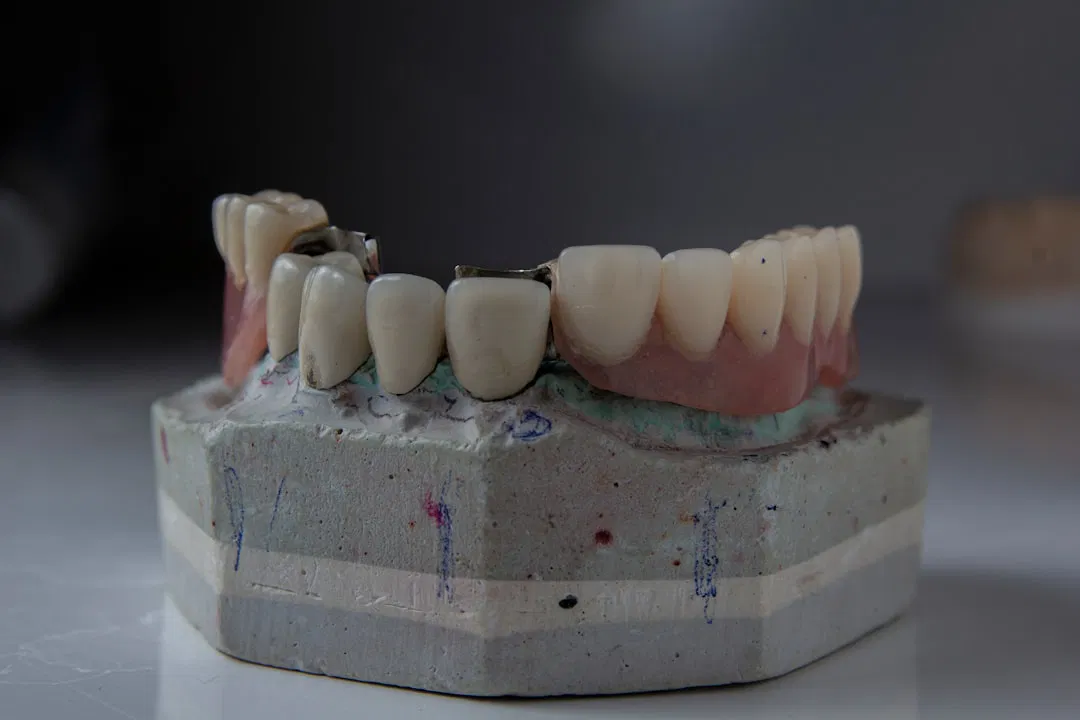
Oral health is a critical component of overall well-being, influencing not only the ability to eat and speak but also affecting self-esteem and social interactions. Good oral hygiene practices, including regular brushing, flossing, and dental check-ups, are essential for preventing dental diseases such as cavities and gum disease. Poor oral health can lead to a range of complications, including infections, tooth loss, and even systemic health issues like heart disease and diabetes. Therefore, maintaining oral health is not merely about aesthetics; it is integral to physical health and quality of life.
Moreover, oral health is often an indicator of general health. Conditions such as periodontal disease can signal other underlying health problems. For instance, research has shown a correlation between gum disease and cardiovascular issues. This connection underscores the importance of regular dental visits and proactive oral care. By prioritizing oral health, individuals can enhance their overall health outcomes and reduce the risk of developing more serious medical conditions.
If you’re exploring options for improving your smile, you might also be interested in learning about the benefits of braces as a complementary treatment to denture alternatives. Braces can help align your teeth and enhance your overall dental health, making them a valuable consideration in your journey towards a perfect smile. For more information, check out this related article on the benefits of braces: Perfecting Your Smile: The Benefits of Braces.
Key Takeaways
- Maintaining oral health is crucial for overall well-being and quality of life.
- Dentures have limitations, prompting the need for more permanent tooth replacement options.
- Dental implants offer a durable and natural-feeling solution compared to traditional dentures.
- Advanced techniques like All-on-4 and bone grafting enhance implant success and patient outcomes.
- Implant-supported options, including bridges and overdentures, provide improved stability and oral health benefits.
Understanding Dentures and Their Limitations
Dentures have long been a common solution for individuals who have lost teeth due to decay, injury, or other factors. These removable appliances are designed to replace missing teeth and restore functionality to the mouth. While they can improve appearance and help with chewing, dentures come with several limitations that can affect a person’s quality of life. One significant drawback is that they can be uncomfortable and may require frequent adjustments to fit properly. Over time, changes in the jawbone can lead to ill-fitting dentures, causing discomfort and difficulty in eating.
Additionally, traditional dentures do not prevent bone loss in the jaw, which can occur after tooth loss. This bone resorption can alter facial structure over time, leading to a sunken appearance. Furthermore, many denture wearers report challenges with speaking clearly and enjoying certain foods due to the instability of the appliance. These limitations highlight the need for alternative solutions that offer greater stability and comfort for those seeking to replace missing teeth.
Dental Implants as a Permanent Solution
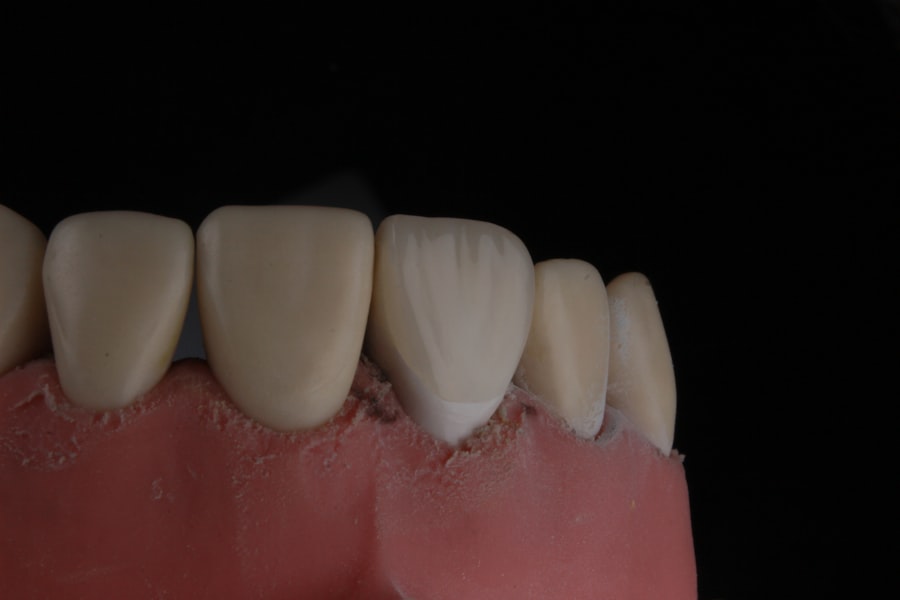
Dental implants have emerged as a popular and effective solution for tooth replacement, offering a more permanent option compared to traditional dentures. An implant consists of a titanium post that is surgically placed into the jawbone, serving as a replacement root for a missing tooth. Once integrated with the bone through a process called osseointegration, the implant provides a stable foundation for a crown or bridge. This method not only restores functionality but also helps maintain the integrity of the jawbone, preventing the bone loss associated with missing teeth.
The longevity of dental implants is another significant advantage. With proper care and maintenance, implants can last many years, often a lifetime, making them a cost-effective solution in the long run. Unlike dentures, which may need to be replaced or adjusted frequently, implants provide a more permanent solution that mimics the natural tooth structure. This permanence contributes to improved confidence in social situations and enhances overall quality of life.
The Benefits of Dental Implants over Dentures
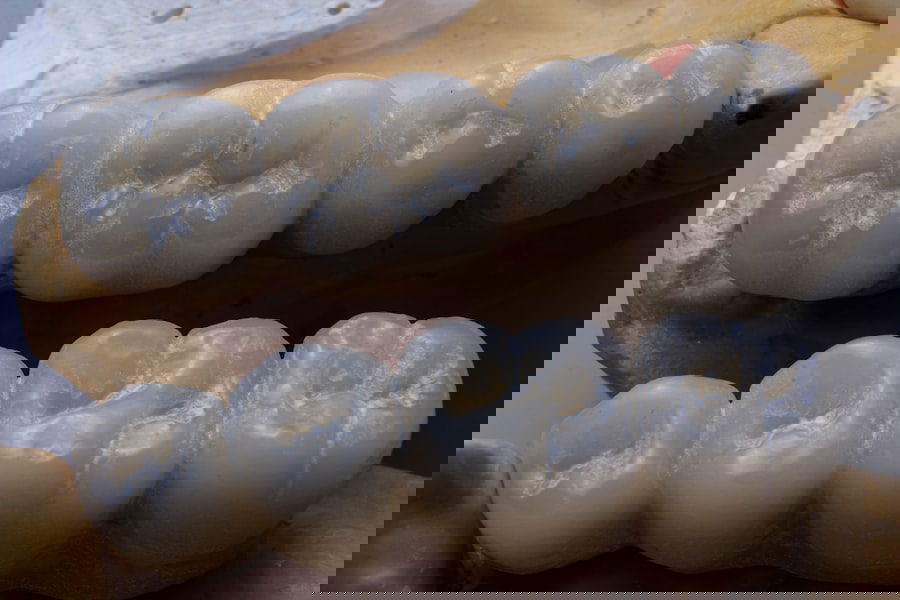
When comparing dental implants to traditional dentures, several key benefits emerge that make implants a preferred choice for many individuals. One of the most notable advantages is stability. Dental implants are anchored directly into the jawbone, providing a secure fit that allows for normal chewing and speaking without the fear of slippage or discomfort. In contrast, dentures can shift during use, leading to potential embarrassment and difficulty in daily activities.
Another significant benefit is the preservation of jawbone health. When teeth are lost, the underlying bone can begin to deteriorate due to lack of stimulation. Dental implants help maintain bone density by providing the necessary stimulation through chewing forces. This not only preserves facial structure but also reduces the risk of further tooth loss. Additionally, dental implants do not require alterations to adjacent teeth, as is often necessary with bridges or partial dentures. This preservation of natural tooth structure is an important consideration for many patients.
If you’re exploring options for improving your smile, you might also want to consider the various orthodontic procedures available. These treatments can complement denture alternatives by addressing alignment issues and enhancing overall dental aesthetics. For more insights on how orthodontics can transform your smile, check out this informative article on orthodontic procedures.
All-on-4 Implants: A Game-Changer in Tooth Replacement
| Alternative | Description | Average Lifespan | Cost Range | Pros | Cons |
|---|---|---|---|---|---|
| Dental Implants | Titanium posts surgically placed into the jawbone to support crowns or bridges. | 15-25 years or more | High | Permanent, natural look and feel, preserves jawbone | Requires surgery, longer healing time, higher upfront cost |
| Fixed Bridges | Artificial teeth anchored to adjacent natural teeth or implants. | 7-15 years | Moderate | Stable, no removal needed, quicker than implants | Requires alteration of adjacent teeth, may affect oral hygiene |
| Removable Partial Dentures | Removable prosthetics that replace some missing teeth, clasped onto remaining teeth. | 5-10 years | Low to Moderate | Less invasive, affordable, easy to adjust | Less stable, may cause discomfort, requires daily removal and cleaning |
| Overdentures | Removable dentures that fit over remaining natural teeth or implants. | 5-10 years | Moderate | Improved stability, preserves bone, easier to adapt to | Requires maintenance, may still be less stable than fixed options |
| Resin-Bonded Bridges | Conservative bridges bonded to adjacent teeth with minimal preparation. | 5-10 years | Moderate | Less invasive, preserves tooth structure | Less durable, limited to certain cases |
All-on-4 implants represent an innovative approach to full arch tooth replacement that has gained popularity in recent years. This technique involves placing four strategically positioned implants in the jawbone to support an entire arch of prosthetic teeth. The All-on-4 method offers several advantages over traditional full dentures or multiple individual implants. One key benefit is that it often eliminates the need for bone grafting procedures, as the implants are placed at an angle to maximize contact with existing bone.
The All-on-4 system also allows for immediate loading, meaning that patients can receive a temporary set of teeth on the same day as their implant surgery. This immediate restoration can significantly enhance patient satisfaction by providing a functional and aesthetic solution without prolonged waiting periods. Furthermore, the All-on-4 technique is designed to distribute bite forces evenly across the implants, promoting stability and longevity.
If you’re considering options for replacing missing teeth, you might want to explore various denture alternatives that can provide a more comfortable and permanent solution. One such option is dental implants, which have gained popularity for their durability and natural appearance. To understand the financial aspect of this choice, you can read more about the costs involved by checking out this informative article on the cost of dental implants. This resource will help you make a well-informed decision about your dental health.
The Role of Bone Grafting in Implant Dentistry
Bone grafting plays a crucial role in implant dentistry, particularly for patients who have experienced significant bone loss due to tooth extraction or periodontal disease. When there is insufficient bone volume to support an implant, grafting procedures can augment the existing bone structure. This process involves transplanting bone material—either from the patient (autograft), from a donor (allograft), or synthetic materials—to create a stable foundation for future implants.
The success of dental implants heavily relies on adequate bone density and volume; therefore, bone grafting can be an essential step in ensuring successful implant placement. After grafting, patients typically undergo a healing period during which new bone tissue forms around the graft material. Once sufficient healing has occurred, dental implants can be placed with confidence that they will integrate properly into the jawbone.
The Advantages of Implant-Supported Bridges
Implant-supported bridges offer an effective solution for individuals who have lost multiple teeth in a row but wish to avoid traditional removable dentures. Unlike conventional bridges that rely on adjacent teeth for support, implant-supported bridges utilize dental implants as anchors. This design provides enhanced stability and eliminates the need to alter healthy teeth for support.
One significant advantage of implant-supported bridges is their ability to prevent bone loss in areas where teeth are missing.
By integrating with the jawbone, these implants stimulate bone growth and help maintain facial structure over time.
Additionally, implant-supported bridges offer improved chewing efficiency compared to traditional bridges or dentures, allowing patients to enjoy a wider variety of foods without discomfort.
Overdentures: A Secure and Stable Alternative to Traditional Dentures
Overdentures are another alternative that combines elements of both dentures and dental implants. These appliances are designed to fit over existing natural teeth or dental implants, providing added stability compared to traditional removable dentures alone. By utilizing implants as anchors, overdentures reduce movement during eating and speaking, enhancing comfort and confidence for wearers.
The use of overdentures also offers benefits in terms of oral health preservation. By securing the denture in place with implants, patients experience less bone resorption compared to those who rely solely on conventional dentures. This stability not only improves functionality but also contributes positively to long-term oral health outcomes.
The Impact of Implant-Supported Dentures on Oral Health
Implant-supported dentures have been shown to have a positive impact on oral health compared to traditional dentures. One major benefit is their ability to prevent bone loss in the jaw, which is often accelerated by tooth loss and the use of removable dentures. By providing stimulation through the dental implants, these appliances help maintain bone density and facial structure over time.
Additionally, implant-supported dentures can improve overall oral hygiene practices. Since they are more stable than traditional dentures, patients may find it easier to maintain proper cleaning routines without fear of slippage or discomfort during brushing and flossing. This ease of maintenance contributes to better oral hygiene and reduces the risk of gum disease and other dental issues.
Exploring Mini Dental Implants for Tooth Replacement
Mini dental implants are a smaller version of traditional dental implants designed for specific situations where space is limited or where patients may not have sufficient bone density for standard implants. These smaller implants can be used to support overdentures or as single-tooth replacements in certain cases. Their reduced size allows for less invasive surgical procedures and often requires less healing time.
One significant advantage of mini dental implants is their affordability compared to traditional implants. For patients seeking tooth replacement options on a budget or those who may be hesitant about more invasive procedures, mini implants offer a viable alternative without compromising on quality or function. They provide stability for removable appliances while also promoting better oral health outcomes through bone preservation.
Choosing the Right Alternative for Your Oral Health Needs
Selecting the appropriate tooth replacement option requires careful consideration of individual needs and circumstances. Factors such as overall health, budget constraints, lifestyle preferences, and personal comfort should all be taken into account when exploring alternatives like dentures, dental implants, or other solutions.
Consultation with a qualified dental professional is essential in making an informed decision about tooth replacement options. A thorough examination will help determine which solution aligns best with an individual’s oral health status and long-term goals. By understanding the various alternatives available—ranging from traditional dentures to advanced implant techniques—patients can make choices that enhance their oral health and improve their quality of life over time.
FAQs
What are denture alternatives?
Denture alternatives are dental treatments and devices designed to replace missing teeth without using traditional removable dentures. These options often provide improved comfort, function, and aesthetics.
What types of denture alternatives are available?
Common denture alternatives include dental implants, implant-supported bridges, fixed dental bridges, and partial dentures. Each option varies in terms of invasiveness, cost, and suitability.
How do dental implants work as an alternative to dentures?
Dental implants are titanium posts surgically placed into the jawbone to act as artificial tooth roots. They provide a stable foundation for crowns, bridges, or implant-supported dentures, offering a permanent and natural-feeling tooth replacement.
Are denture alternatives more comfortable than traditional dentures?
Many people find denture alternatives, especially dental implants, more comfortable because they are securely anchored and do not move around like traditional removable dentures.
Can denture alternatives improve chewing and speaking?
Yes, denture alternatives such as implants and fixed bridges typically restore chewing efficiency and speech better than traditional dentures, which can sometimes slip or cause discomfort.
Are denture alternatives suitable for everyone?
Not everyone is a candidate for all denture alternatives. Factors such as bone density, oral health, and overall medical condition influence the suitability of options like dental implants.
How long do denture alternatives last?
The longevity of denture alternatives varies. Dental implants can last 15 years or more with proper care, while bridges and partial dentures may need replacement or adjustment over time.
Are denture alternatives more expensive than traditional dentures?
Generally, denture alternatives like dental implants have a higher upfront cost compared to traditional dentures, but they may offer better long-term value due to durability and improved function.
What is the recovery time for denture alternatives?
Recovery time depends on the type of treatment. Dental implant surgery may require several months for healing and integration, while fixed bridges or partial dentures usually involve shorter adjustment periods.
How do I maintain denture alternatives?
Maintenance varies by type but generally includes regular brushing, flossing, and dental check-ups. Implant-supported restorations require diligent oral hygiene to prevent gum disease and ensure longevity.