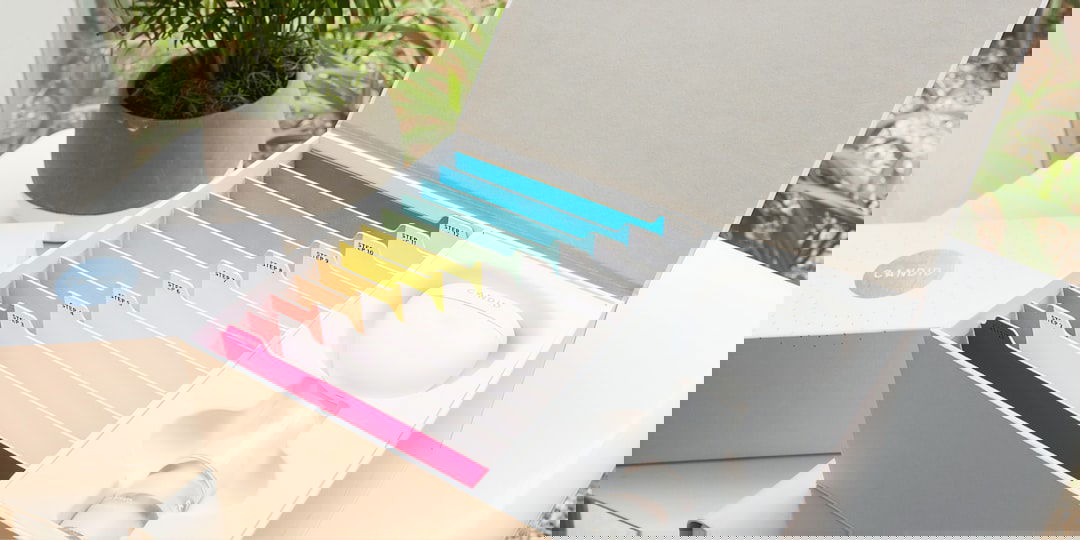
Invisalign is a modern orthodontic treatment that utilizes a series of clear, removable aligners to gradually shift teeth into their desired positions. Unlike traditional metal braces, which use brackets and wires, Invisalign aligners are made from a smooth, transparent plastic material that is custom-fitted to each patient’s dental structure. This innovative approach not only enhances the aesthetic appeal of orthodontic treatment but also offers a level of comfort and convenience that many patients find appealing.
The aligners are virtually invisible, making them an attractive option for adults and teens who may feel self-conscious about wearing braces. The concept behind Invisalign is rooted in advanced 3D imaging technology. Each set of aligners is designed based on a detailed digital model of the patient’s teeth, allowing for precise movements over the course of treatment.
Patients typically receive a series of aligners, each worn for about two weeks before progressing to the next set. This gradual adjustment process is engineered to move teeth incrementally, ensuring that the treatment is both effective and comfortable. As a result, Invisalign has gained popularity as a discreet and efficient alternative to traditional orthodontic methods.
Key Takeaways
- Invisalign is a clear aligner system that straightens teeth without the use of traditional metal braces.
- The Invisalign process involves custom-made aligners that gradually shift teeth into the desired position.
- Invisalign offers benefits over traditional braces such as being virtually invisible, removable, and more comfortable.
- The consultation and treatment planning process for Invisalign involves a thorough assessment of the patient’s teeth and a customized treatment plan.
- The Invisalign treatment timeline varies for each individual but typically lasts between 12 to 18 months.
How does the Invisalign process work?
Assessment and Data Collection
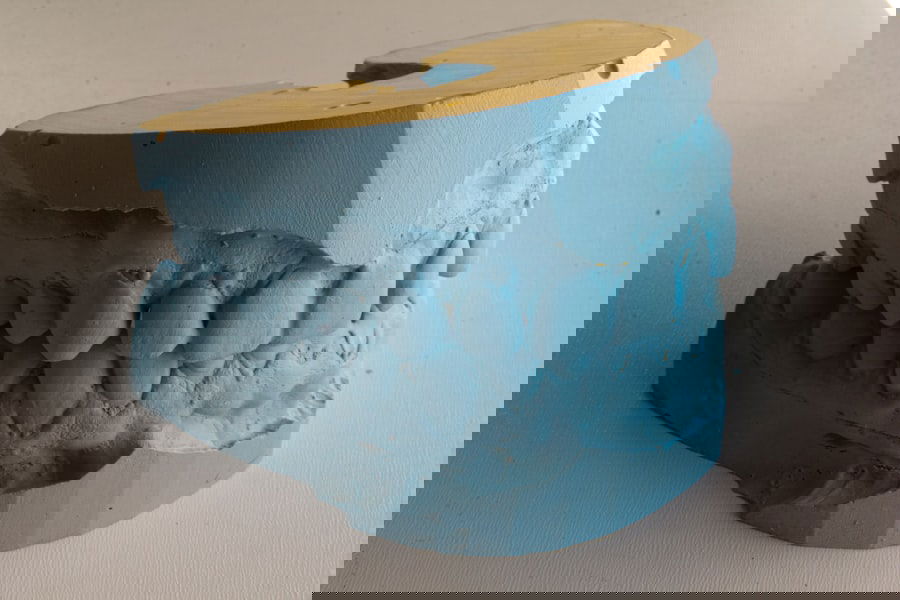
If the patient is deemed a good candidate, the next step involves taking detailed impressions, photographs, and X-rays of the teeth. These records are essential for creating a personalized treatment plan.
Creating a Personalized Treatment Plan
Once the necessary data is collected, advanced computer software is used to create a 3D model of the patient’s mouth. This model allows the orthodontist to visualize the movement of teeth throughout the treatment process. The software can simulate the entire course of treatment, showing how teeth will shift with each set of aligners.
Fabrication and Treatment
After finalizing the treatment plan, a series of custom aligners are fabricated specifically for the patient. Each aligner is designed to apply gentle pressure on specific teeth, guiding them into their new positions over time.
Benefits of Invisalign over traditional braces

One of the most significant advantages of Invisalign is its aesthetic appeal. The clear aligners are nearly invisible when worn, allowing patients to undergo orthodontic treatment without drawing attention to their mouths. This feature is particularly beneficial for adults in professional settings or teenagers who may be concerned about their appearance during treatment. In contrast, traditional braces are often seen as bulky and conspicuous, which can lead to feelings of self-consciousness. In addition to aesthetics, Invisalign offers greater comfort compared to traditional braces.
The smooth plastic material used in aligners eliminates the discomfort associated with metal brackets and wires, which can cause irritation to the gums and cheeks. Furthermore, since aligners are removable, patients can enjoy their favorite foods without restrictions and maintain better oral hygiene by brushing and flossing without obstacles. This flexibility not only enhances comfort but also promotes better overall dental health during treatment.
The consultation and treatment planning process
| Stage | Description | Metrics |
|---|---|---|
| Initial Consultation | First meeting with the patient to gather medical history and discuss concerns | Number of initial consultations conducted |
| Diagnostic Assessment | Conducting tests and examinations to determine the patient’s condition | Results of diagnostic tests |
| Treatment Planning | Developing a comprehensive plan for the patient’s treatment | Number of treatment plans created |
| Follow-up Consultation | Meeting with the patient to discuss the treatment plan and address any concerns | Number of follow-up consultations conducted |
The consultation phase is crucial in determining whether Invisalign is the right choice for a patient’s orthodontic needs. During this initial visit, the orthodontist will conduct a thorough examination of the patient’s teeth and bite alignment. They will also discuss any specific concerns or goals the patient may have regarding their smile.
This open dialogue helps establish a foundation for a personalized treatment plan tailored to the individual’s unique dental situation. Once it is established that Invisalign is appropriate, the treatment planning process begins in earnest. The orthodontist will take precise measurements and create digital scans or impressions of the patient’s teeth.
These records are then used to develop a comprehensive treatment plan that outlines each stage of tooth movement. Patients can often view a digital representation of their projected results before even starting treatment, providing them with a clear understanding of what to expect as they progress through their aligners.
The Invisalign treatment timeline
The timeline for Invisalign treatment can vary significantly based on individual needs and goals. On average, patients may expect to wear their aligners for about 12 to 18 months; however, some cases may require shorter or longer durations depending on the complexity of the dental issues being addressed. Each set of aligners is typically worn for approximately two weeks before moving on to the next set in the series.
These appointments usually occur every six to eight weeks, allowing the orthodontist to ensure that teeth are moving as intended and that patients are adhering to their aligner schedule. By maintaining consistent communication and follow-up visits, patients can stay on track toward achieving their desired results within the projected timeline.
Maintaining oral hygiene with Invisalign
Brushing and Flossing
Patients are encouraged to brush their teeth after every meal before reinserting their aligners. This practice helps prevent plaque buildup and cavities while also keeping aligners clean and free from odors.
Cleaning Your Aligners
Additionally, it’s advisable to rinse aligners with lukewarm water daily and clean them with a soft toothbrush or specialized cleaning crystals designed for clear aligners.
Achieving a Healthy Smile
By prioritizing oral hygiene throughout treatment, patients can ensure that their teeth remain healthy and free from decay as they work toward achieving their ideal smile.
Eating and drinking with Invisalign
One of the most appealing aspects of Invisalign is the freedom it offers when it comes to eating and drinking. Since aligners are removable, patients can take them out during meals, allowing them to enjoy all their favorite foods without restrictions. This contrasts sharply with traditional braces, which often require patients to avoid certain hard or sticky foods that could damage brackets or wires.
However, it’s essential for patients to remember that while they can eat freely without their aligners in place, they should always reinsert them afterward—ideally within two hours after eating—to ensure they stay on track with their treatment plan. When it comes to drinking beverages, it’s best to avoid sugary drinks or anything that could stain the aligners while they are being worn. Water is always a safe choice; however, if patients choose to drink anything else while wearing their aligners, they should be cautious as certain beverages can lead to discoloration or damage.
Dealing with discomfort during the Invisalign process
While many patients find Invisalign to be more comfortable than traditional braces, some discomfort may still occur as teeth begin to shift into new positions. This discomfort typically manifests as mild pressure or soreness in the teeth and gums when transitioning to a new set of aligners. Such sensations are normal and usually subside within a few days as the mouth adjusts to the new aligner.
To alleviate discomfort during this adjustment period, patients can take over-the-counter pain relievers such as ibuprofen or acetaminophen as needed. Additionally, using orthodontic wax on any areas where aligners may be causing irritation can provide relief. It’s important for patients to communicate any persistent discomfort with their orthodontist during follow-up appointments so that adjustments can be made if necessary.
The importance of wearing aligners as directed
Wearing aligners as directed is critical for achieving optimal results with Invisalign treatment. Patients are typically advised to wear their aligners for 20 to 22 hours each day, only removing them for eating, drinking (other than water), brushing, and flossing. Adhering strictly to this schedule ensures that teeth move according to the planned timeline established by the orthodontist.
Failure to wear aligners consistently can lead to delays in treatment progress or even complications that may require additional adjustments or extended wear time. Patients who struggle with compliance may find it helpful to set reminders on their phones or keep their aligners in a visible location as a prompt to wear them consistently throughout the day.
What to expect after Invisalign treatment
After completing Invisalign treatment, patients can expect significant improvements in their smile alignment and overall dental aesthetics. Many individuals report feeling more confident in their appearance following treatment due to straighter teeth and improved bite function. However, it’s essential for patients to understand that achieving these results requires ongoing commitment even after removing their aligners.
Post-treatment care often includes wearing retainers as prescribed by the orthodontist to maintain tooth positions achieved during treatment. Without proper retention measures in place, there is a risk that teeth may gradually shift back toward their original positions over time. Therefore, following post-treatment instructions diligently is crucial for preserving the results achieved through Invisalign.
The role of retainers in maintaining your new smile
Retainers play an essential role in maintaining the results achieved through Invisalign treatment by preventing teeth from shifting back into misalignment after braces or clear aligner therapy has concluded. Typically made from clear plastic or wire materials, retainers are custom-fitted based on impressions taken at the end of treatment. Patients are usually advised to wear retainers full-time initially—often for several months—before transitioning to nighttime wear only over time as directed by their orthodontist.
This gradual reduction in wear time allows teeth to stabilize in their new positions while minimizing any potential relapse into previous alignment issues. Regular follow-up appointments with an orthodontist will help ensure that retainers fit properly and continue to serve their purpose effectively. In summary, while Invisalign offers an innovative approach to orthodontic care with numerous benefits over traditional braces, it requires commitment from patients throughout every stage—from initial consultation through post-treatment retention—to achieve lasting results and maintain a beautiful smile for years to come.
If you are considering Invisalign treatment, it is important to understand the process involved. White Pearl Dental Care provides a comprehensive guide to understanding the Invisalign treatment process in their article here. This article breaks down each step of the process, from the initial consultation to the final results, giving you a clear understanding of what to expect throughout your treatment journey.
FAQs
What is the Invisalign process?
The Invisalign process involves using a series of clear, removable aligners to gradually straighten teeth. These aligners are custom-made for each patient and are replaced approximately every two weeks to shift the teeth into the desired position.
How does the Invisalign process work?
During the Invisalign process, patients wear the aligners for 20-22 hours a day, removing them only to eat, drink, brush, and floss. The aligners apply gentle pressure to the teeth, gradually moving them into the correct position over time.
What are the benefits of the Invisalign process?
The Invisalign process offers several benefits, including the ability to straighten teeth discreetly, as the aligners are virtually invisible. Additionally, the aligners are removable, making it easier to maintain oral hygiene and enjoy a wider variety of foods compared to traditional braces.
How long does the Invisalign process take?
The length of the Invisalign process varies depending on the individual’s specific orthodontic needs. On average, treatment with Invisalign can take anywhere from 6 months to 2 years to achieve the desired results.
Is the Invisalign process suitable for everyone?
Invisalign is suitable for many orthodontic cases, including crowded teeth, gaps, overbites, underbites, and crossbites. However, severe orthodontic issues may require alternative treatment options. It is best to consult with an orthodontist to determine if the Invisalign process is suitable for your specific needs.