
Invisalign treatment has revolutionized the field of orthodontics, offering a modern alternative to traditional metal braces. This innovative system utilizes a series of clear, removable aligners that gradually shift teeth into their desired positions. Unlike conventional braces, which can be cumbersome and visually obtrusive, Invisalign aligners are virtually invisible, making them an appealing choice for both adults and teens seeking a more discreet orthodontic solution.
The technology behind Invisalign is rooted in advanced 3D imaging and computer-aided design, allowing for precise treatment planning and execution. The appeal of Invisalign extends beyond aesthetics; it also provides a level of comfort and convenience that traditional braces cannot match. Patients can remove the aligners while eating, brushing, and flossing, which promotes better oral hygiene and allows for a more varied diet.
Furthermore, the aligners are made from smooth plastic, reducing the likelihood of irritation to the gums and cheeks that often accompanies metal brackets and wires. As a result, Invisalign has gained popularity among individuals who prioritize both effectiveness and comfort in their orthodontic treatment.
Key Takeaways
- Invisalign treatment offers a discreet and convenient way to straighten teeth without traditional braces.
- The initial consultation involves a thorough examination and treatment planning to customize the aligners for each patient.
- Customized aligners are created for each stage of treatment, and a schedule is provided for wearing and changing them.
- Proper care and maintenance of Invisalign aligners is essential for successful treatment.
- Regular monitoring and adjustments are made to ensure progress and address any challenges that may arise during treatment.
Initial Consultation and Treatment Planning
The journey to achieving a straighter smile with Invisalign begins with an initial consultation with an orthodontist or dentist trained in this specific treatment. During this appointment, the practitioner will conduct a thorough examination of the patient’s teeth, gums, and overall oral health. This assessment may include X-rays, photographs, and impressions or digital scans of the teeth to create a comprehensive picture of the patient’s dental structure.
The information gathered during this consultation is crucial for developing an effective treatment plan tailored to the individual’s needs.
This dialogue is essential, as it helps to align the treatment plan with the patient’s desires.
The practitioner will then use advanced software to create a 3D model of the patient’s teeth, simulating the movement of each tooth throughout the treatment process. This digital representation allows both the patient and the orthodontist to visualize the expected outcomes and understand the timeline for achieving those results. By collaborating closely during this phase, patients can feel more confident in their treatment journey.
Customized Aligners and Treatment Schedule
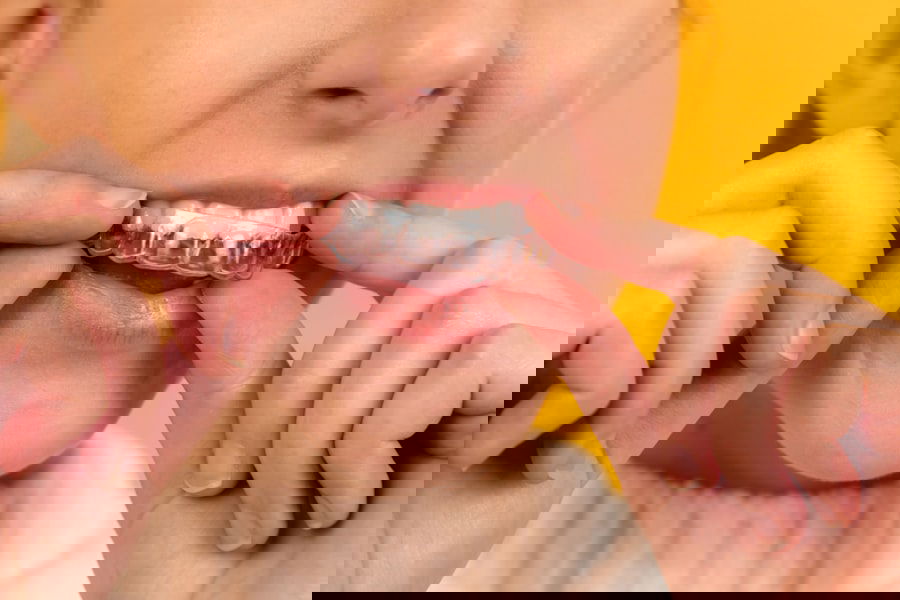
After finalizing the treatment plan, the next step involves creating customized aligners specifically designed for the patient’s dental structure. Each set of aligners is crafted using advanced 3D printing technology from durable thermoplastic material that is both comfortable and effective in moving teeth. The aligners are designed to fit snugly over the teeth while applying gentle pressure to guide them into their new positions.
This customization ensures that each aligner is tailored to the unique contours of the patient’s mouth, enhancing both comfort and efficacy. The treatment schedule typically involves wearing each set of aligners for about one to two weeks before progressing to the next set in the series. The total duration of treatment can vary significantly based on individual needs, ranging from several months to a few years.
Regular check-ins with the orthodontist are essential during this phase to monitor progress and make any necessary adjustments to the treatment plan. Patients are encouraged to wear their aligners for 20 to 22 hours each day to ensure optimal results within the projected timeline.
Wearing and Caring for Invisalign Aligners
| Metrics | Results |
|---|---|
| Number of hours worn per day | 20-22 hours |
| Number of aligners changed | Every 1-2 weeks |
| Number of times aligners removed per day | 2-3 times |
| Number of times aligners cleaned per day | 2 times |
Wearing Invisalign aligners requires a commitment to consistency and care. Patients must remember that these aligners are most effective when worn as directed—typically for 20 to 22 hours each day. This means that they should only be removed for eating, drinking (except for water), brushing, and flossing.
The removable nature of Invisalign allows patients to maintain their regular oral hygiene routine without the complications often associated with traditional braces. However, it also necessitates discipline; forgetting to wear the aligners for extended periods can delay progress and extend treatment time. Caring for Invisalign aligners is equally important to ensure they remain clear and free from stains or odors.
Patients should clean their aligners daily using a soft toothbrush and mild soap or a specialized cleaning solution designed for clear aligners. It is advisable to avoid using toothpaste, as it can be abrasive and may scratch the surface of the aligners. Additionally, patients should store their aligners in their designated case when not in use to prevent loss or damage.
By adhering to these care guidelines, patients can maintain optimal hygiene and prolong the life of their aligners throughout their treatment.
Monitoring Progress and Adjustments
As patients progress through their Invisalign treatment, regular monitoring by an orthodontist is crucial to ensure that teeth are moving as planned. Typically, patients will have follow-up appointments every six to eight weeks, during which the orthodontist will assess progress through visual examinations and may take additional scans or X-rays if necessary. These appointments provide an opportunity for patients to discuss any concerns or discomfort they may be experiencing, allowing for timely adjustments to be made if needed.
This could involve changing the sequence of aligners or extending wear time for certain sets. The flexibility of Invisalign allows for these adjustments without significant disruption to the overall treatment timeline.
By maintaining open communication with their orthodontist during these visits, patients can stay informed about their progress and feel empowered in their treatment journey.
Completion of Treatment and Retention
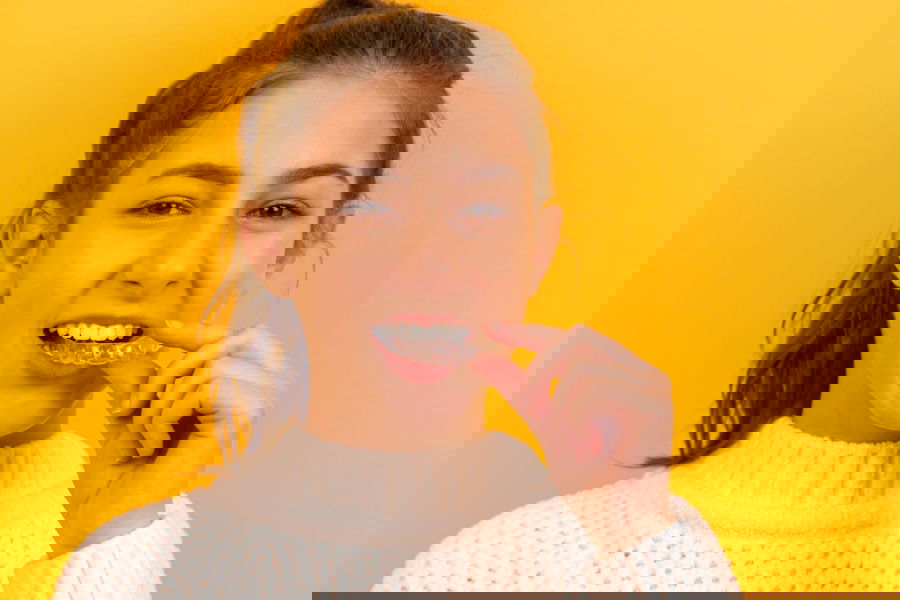
Upon reaching the end of the prescribed series of aligners, patients will have achieved their desired results—straighter teeth and an improved smile. However, completing Invisalign treatment does not mark the end of the orthodontic journey; it is essential to implement a retention phase to maintain those results. After removing the final set of aligners, patients are typically fitted with a retainer designed to hold teeth in their new positions while they stabilize.
Retainers can be either fixed or removable, depending on individual needs and preferences. Fixed retainers are bonded to the back of teeth and provide continuous support without requiring daily removal. Removable retainers, on the other hand, can be taken out for cleaning and are often recommended for nighttime wear.
The duration for which retainers must be worn varies; some patients may need to wear them full-time for several months before transitioning to nighttime use only. Adhering to this retention protocol is critical in preventing teeth from shifting back toward their original positions.
Potential Challenges and Solutions
While Invisalign offers numerous advantages over traditional braces, patients may encounter challenges during their treatment journey. One common issue is discomfort or pressure when switching to a new set of aligners; this sensation is typically temporary but can be bothersome for some individuals. To alleviate discomfort, patients can take over-the-counter pain relievers as needed or use orthodontic wax on any areas that feel irritated.
Another potential challenge is compliance with wearing the aligners as directed. Some patients may struggle with remembering to put them back in after meals or may find it inconvenient during social situations. To address this issue, setting reminders on smartphones or keeping a visual cue—such as a case in a prominent location—can help reinforce good habits.
Additionally, discussing any concerns about compliance with an orthodontist can lead to tailored strategies that enhance adherence while ensuring effective treatment.
Benefits and Results of Invisalign Treatment
The benefits of Invisalign treatment extend far beyond aesthetics; they encompass comfort, convenience, and improved oral health outcomes. One of the most significant advantages is that patients can enjoy a more natural appearance throughout their orthodontic journey due to the clear nature of the aligners. This feature is particularly appealing for adults who may feel self-conscious about wearing traditional braces in professional or social settings.
Moreover, because Invisalign aligners are removable, they facilitate better oral hygiene practices compared to fixed braces. Patients can brush and floss without obstruction, reducing the risk of plaque buildup and cavities during treatment. Additionally, many individuals report experiencing less discomfort with Invisalign than with traditional braces due to the absence of metal components that can cause irritation.
The results achieved through Invisalign can be transformative; many patients experience not only straighter teeth but also enhanced confidence in their smiles. The ability to visualize expected outcomes through digital simulations at the outset helps set realistic expectations and motivates patients throughout their treatment journey. Ultimately, Invisalign offers a comprehensive approach to orthodontics that aligns with modern lifestyles while delivering effective results tailored to individual needs.
If you are considering Invisalign treatment, it is important to also focus on maintaining your orthodontic treatment for success. According to a related article on