
Orthodontic treatment is a specialized branch of dentistry focused on diagnosing, preventing, and correcting misaligned teeth and jaws. The primary goal of orthodontics is to enhance both the function and aesthetics of a person’s smile. Misalignment can lead to various dental issues, including difficulty in chewing, increased wear on teeth, and even jaw pain.
Orthodontic treatment often involves the use of braces or other appliances to gradually shift teeth into their desired positions. This process can take several months to a few years, depending on the complexity of the case and the age of the patient. The field of orthodontics has evolved significantly over the years, incorporating advanced technology and techniques that make treatment more efficient and comfortable.
Traditional metal braces, once the standard, are now complemented by a variety of options such as ceramic braces, lingual braces, and clear aligners. Each type of appliance serves the same fundamental purpose but offers different benefits in terms of aesthetics, comfort, and treatment duration. Understanding the nuances of orthodontic treatment is essential for patients considering this path, as it allows them to make informed decisions about their oral health.
Key Takeaways
- Orthodontic treatment involves the use of appliances to straighten and align teeth for a healthier and more attractive smile.
- There are different types of orthodontic appliances, including braces, clear aligners, and retainers, each with their own benefits and considerations.
- Orthodontic treatment can improve oral health, boost self-confidence, and enhance overall facial aesthetics.
- Both children and adults can benefit from orthodontic treatment, as long as they have healthy teeth and gums.
- Patients can expect some discomfort and adjustments during orthodontic treatment, but the end result is a beautiful and functional smile.
Types of Orthodontic Appliances
Orthodontic appliances can be broadly categorized into fixed and removable types, each serving distinct purposes in the alignment process. Fixed appliances, such as traditional metal braces, consist of brackets bonded to the teeth and connected by wires. These appliances exert continuous pressure on the teeth, gradually moving them into the desired position.
Metal braces are highly effective for a wide range of orthodontic issues, including overcrowding, gaps between teeth, and bite misalignments. Despite their visibility, they remain a popular choice due to their reliability and effectiveness. On the other hand, removable appliances include options like clear aligners (e.g., Invisalign) and retainers.
Clear aligners are custom-made plastic trays that fit snugly over the teeth and are designed to be worn for 20 to 22 hours a day. They are particularly appealing to adults and teens who prefer a more discreet treatment option. Aligners are changed every few weeks to progressively shift teeth into alignment.
Retainers, while primarily used post-treatment to maintain tooth position, can also be employed in certain cases to correct minor misalignments. The choice between fixed and removable appliances often depends on individual preferences, specific dental issues, and the recommendations of the orthodontist.
Benefits of Orthodontic Treatment

The benefits of orthodontic treatment extend beyond mere aesthetics; they encompass a wide range of functional and psychological advantages as well. One of the most significant benefits is improved oral health. Properly aligned teeth are easier to clean, reducing the risk of cavities and gum disease.
Misaligned teeth can create hard-to-reach areas where plaque accumulates, leading to dental problems over time. By correcting these issues through orthodontic treatment, patients can enjoy better long-term oral health outcomes. In addition to health benefits, orthodontic treatment can significantly enhance a person’s self-esteem and confidence.
Many individuals feel self-conscious about their smiles due to crooked or misaligned teeth. By achieving a straighter smile through orthodontics, patients often experience a boost in confidence that positively impacts various aspects of their lives, including social interactions and professional opportunities. Furthermore, studies have shown that individuals with straight teeth are often perceived as more attractive and successful, which can further contribute to improved self-image.
Who Can Benefit from Orthodontic Treatment
| Age Group | Benefit |
|---|---|
| Children | Straighten teeth and guide proper jaw growth |
| Teenagers | Correct bite issues and improve overall dental health |
| Adults | Improve appearance, bite function, and overall oral health |
Orthodontic treatment is not limited to children or teenagers; adults can also benefit significantly from these procedures. While many people associate braces with adolescence, an increasing number of adults are seeking orthodontic care to address long-standing dental issues or to improve their smiles for personal or professional reasons. In fact, according to the American Association of Orthodontists, nearly one in four orthodontic patients is an adult.
This trend highlights the growing awareness of the importance of oral health and aesthetics across all age groups. Children are often encouraged to undergo orthodontic evaluations around age seven when most permanent teeth have erupted. Early intervention can help identify potential issues before they become more complex.
Conditions such as overcrowding, crossbites, or protruding teeth can be addressed more easily at a younger age. However, it is essential to note that not all children will require treatment at this stage; some may benefit from monitoring until their dental development is complete. Ultimately, anyone with concerns about their dental alignment—regardless of age—should consult an orthodontist to explore potential treatment options.
What to Expect During Orthodontic Treatment
The journey through orthodontic treatment typically begins with an initial consultation with an orthodontist. During this visit, the orthodontist will conduct a thorough examination of the patient’s teeth and jaws, often utilizing X-rays and digital imaging to assess alignment issues accurately. Based on this evaluation, a personalized treatment plan will be developed that outlines the recommended appliances, estimated duration of treatment, and any necessary follow-up appointments.
Once treatment begins, patients can expect regular visits to the orthodontist—usually every four to six weeks—to monitor progress and make adjustments as needed. For those with fixed appliances like braces, these adjustments may involve tightening wires or replacing bands to ensure continued movement of the teeth. Patients with removable appliances will receive new aligners at each visit as they progress through their treatment plan.
Throughout this process, it is crucial for patients to adhere to their orthodontist’s instructions regarding wear time and care for their appliances to achieve optimal results.
Maintaining Oral Hygiene with Orthodontic Appliances
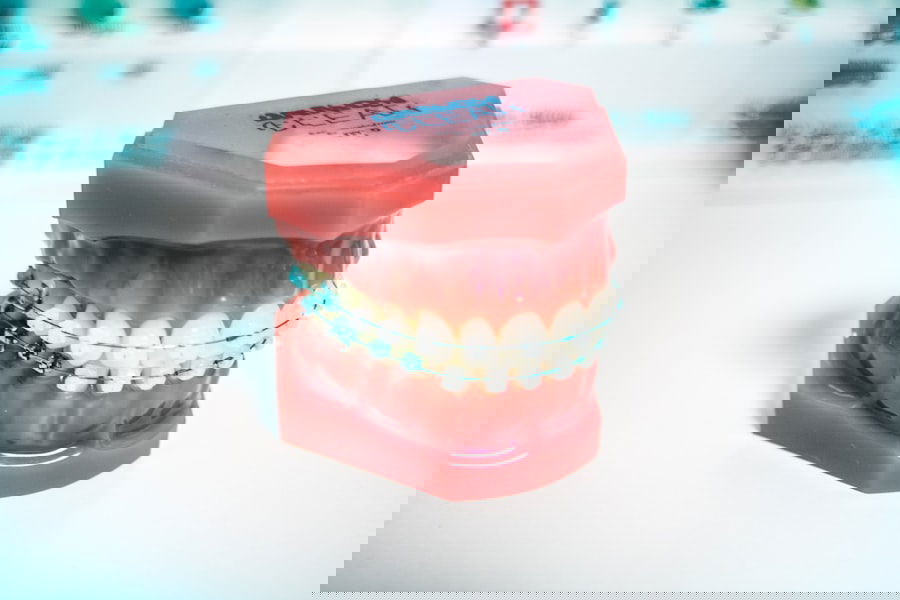
Maintaining oral hygiene during orthodontic treatment is paramount for ensuring successful outcomes and preventing complications such as cavities or gum disease. The presence of braces or other appliances can create additional challenges in keeping teeth clean due to the increased number of surfaces where plaque can accumulate. Therefore, patients must adopt diligent oral hygiene practices tailored to their specific appliances.
For those with fixed braces, brushing after every meal is essential to remove food particles and plaque buildup around brackets and wires. Using a soft-bristled toothbrush along with fluoride toothpaste can help protect enamel while effectively cleaning around appliances. Additionally, flossing becomes more complex with braces; patients may need special tools such as floss threaders or interdental brushes designed for use with braces to ensure thorough cleaning between teeth.
Regular visits to the dentist for professional cleanings are also crucial during this time to maintain optimal oral health.
Potential Risks and Complications of Orthodontic Treatment
While orthodontic treatment is generally safe and effective, it is not without potential risks and complications that patients should be aware of before beginning their journey. One common concern is discomfort or pain associated with wearing braces or other appliances. This discomfort typically arises after adjustments when pressure is applied to move teeth into position; however, it usually subsides within a few days as the mouth adjusts.
Another potential risk involves damage to the teeth or gums if proper care is not taken during treatment. For instance, poor oral hygiene can lead to decalcification—white spots on teeth caused by mineral loss—resulting from plaque buildup around brackets. Additionally, some patients may experience root resorption, where tooth roots shorten during treatment due to pressure from appliances.
While this condition is rare and often resolves itself after treatment completion, it underscores the importance of regular monitoring by an orthodontist throughout the process.
The Importance of Retainers after Orthodontic Treatment
After completing orthodontic treatment, many patients may feel a sense of relief at having achieved their desired smile; however, this is not the end of their journey. The use of retainers is crucial for maintaining the results achieved during treatment. Teeth have a natural tendency to shift back toward their original positions after braces are removed due to the elasticity of surrounding tissues; therefore, retainers help stabilize teeth in their new locations.
Retainers come in various forms—fixed or removable—and are typically worn for a specified duration determined by the orthodontist based on individual needs. Initially, patients may be required to wear retainers full-time before transitioning to nighttime wear only over time. Adhering strictly to retainer instructions is vital for ensuring long-term success; failure to do so can result in relapse and necessitate further orthodontic intervention down the line.
In summary, understanding orthodontic treatment encompasses various aspects—from types of appliances available to benefits gained through improved oral health and aesthetics. With proper care and commitment throughout the process—including diligent oral hygiene practices and adherence to retainer use—patients can enjoy lasting results that enhance both their smiles and overall quality of life.
If you are considering orthodontic treatment, you may want to check out the blog section of White Pearl Dental Care’s website here. They offer valuable information and insights on various orthodontic procedures, such as braces and Invisalign, to help you make an informed decision about your dental health. White Pearl Dental Care also provides a range of services related to orthodontics, which you can explore further on their website here.
FAQs
What is orthodontic treatment?
Orthodontic treatment is a dental specialty that focuses on the diagnosis, prevention, and correction of misaligned teeth and jaws. It involves the use of braces, aligners, and other appliances to straighten teeth and improve the bite.
Who can benefit from orthodontic treatment?
Orthodontic treatment is suitable for both children and adults who have crooked teeth, crowded teeth, gaps between teeth, overbites, underbites, or other issues with their bite or jaw alignment.
What are the different types of orthodontic treatment?
The most common types of orthodontic treatment include traditional metal braces, ceramic braces, lingual braces, and clear aligners such as Invisalign. Each type of treatment has its own advantages and is suitable for different cases.
How long does orthodontic treatment take?
The duration of orthodontic treatment varies depending on the severity of the orthodontic issues and the type of treatment used. On average, treatment can last anywhere from 6 months to 2 years.
Are there any risks or side effects associated with orthodontic treatment?
Some common side effects of orthodontic treatment include temporary discomfort or soreness, difficulty speaking or eating initially, and the risk of tooth decay or gum disease if proper oral hygiene is not maintained. It is important to follow the orthodontist’s instructions for care and maintenance during treatment.
How often should I visit the orthodontist during treatment?
Patients undergoing orthodontic treatment typically need to visit the orthodontist every 4 to 8 weeks for adjustments and progress checks. These visits are important to ensure that the treatment is progressing as planned and to make any necessary adjustments to the braces or aligners.