
The journey toward achieving a straighter smile often begins with an initial consultation and examination at an orthodontic practice. During this first visit, the orthodontist will conduct a thorough assessment of the patient’s dental health, which typically includes a detailed examination of the teeth, gums, and jaw alignment. This evaluation may also involve taking X-rays and photographs to gain a comprehensive understanding of the patient’s oral structure.
The orthodontist will look for issues such as overcrowding, gaps between teeth, overbites, underbites, and other alignment problems that could affect both aesthetics and functionality. In addition to the clinical examination, the initial consultation serves as an opportunity for the orthodontist to discuss the patient’s concerns and goals regarding their smile. This dialogue is crucial, as it allows the orthodontist to tailor a treatment plan that aligns with the patient’s expectations.
The orthodontist will explain various treatment options available, including traditional braces, clear aligners, and other innovative solutions. By the end of this consultation, patients should have a clearer understanding of their orthodontic needs and the potential pathways to achieving their desired results.
Key Takeaways
- Initial consultation and examination are crucial for determining the best orthodontic treatment plan for each individual.
- There are various types of orthodontic treatments available, including traditional braces, clear aligners, and lingual braces, each with its own benefits and considerations.
- The cost of braces and aligners can vary depending on the type of treatment and the complexity of the case, with clear aligners typically being more expensive than traditional braces.
- Additional costs and fees may include X-rays, retainers, and emergency appointments, so it’s important to factor these into the overall cost of treatment.
- Insurance coverage and financing options can help make orthodontic treatment more affordable, and many orthodontic offices offer payment plans and discounts to help manage costs.
Types of Orthodontic Treatment
Orthodontic treatment encompasses a variety of methods designed to correct misaligned teeth and jaws. Traditional metal braces are perhaps the most recognized form of orthodontic treatment. These consist of metal brackets affixed to each tooth, connected by wires that are periodically adjusted to gradually shift teeth into their proper positions.
While they are highly effective for complex cases, many patients find them less aesthetically pleasing. In contrast, clear aligners have surged in popularity due to their discreet appearance and comfort. Brands like Invisalign have revolutionized orthodontics by offering a series of custom-made, removable aligners that gradually move teeth without the need for brackets or wires.
These aligners are particularly appealing to adults and teens who prefer a more subtle approach to orthodontic treatment. Additionally, lingual braces, which are placed on the back of the teeth, provide another alternative for those seeking invisibility in their orthodontic appliances. Beyond these common options, there are also specialized treatments such as ceramic braces, which blend in with the natural color of teeth, making them less noticeable than traditional metal braces.
For patients with specific needs, such as those requiring jaw surgery or those with severe bite issues, orthodontists may recommend more complex treatments that involve a combination of appliances or surgical intervention.
Cost of Braces and Aligners

The cost of orthodontic treatment can vary significantly based on several factors, including the type of treatment chosen, the complexity of the case, and the geographic location of the practice. On average, traditional metal braces can range from $8,000 to $11,000. This price typically includes not only the braces themselves but also regular adjustments and follow-up visits throughout the treatment period.
The duration of treatment can also influence costs; more complex cases may require longer treatment times and thus incur higher fees. Clear aligners tend to be priced similarly to traditional braces but can sometimes be more expensive due to their advanced technology and customization. The cost for a complete set of clear aligners can range from $5,500 to $8,500.
Factors such as the number of aligners needed and the specific treatment plan can affect this price. Patients should also consider that while clear aligners offer aesthetic advantages, they may require more discipline in terms of wear time compared to fixed appliances. It is essential for patients to discuss costs upfront with their orthodontist during the initial consultation.
Many practices provide detailed estimates that outline what is included in the overall fee structure. Understanding these costs early on can help patients make informed decisions about their treatment options. Source: American Association of Orthodontists
Additional Costs and Fees
| Fee Type | Amount | Description |
|---|---|---|
| Processing Fee | 25 | Fee for processing the transaction |
| Late Payment Fee | 15 | Fee for late payment |
| Overdraft Fee | 30 | Fee for overdrawing the account |
In addition to the base cost of braces or aligners, patients should be aware of potential additional costs and fees that may arise during their orthodontic journey. For instance, diagnostic imaging such as X-rays or 3D scans may incur extra charges if not included in the initial consultation fee. These imaging techniques are crucial for developing an effective treatment plan but can add to the overall expense.
Moreover, some patients may require additional procedures before or during their orthodontic treatment. For example, tooth extractions may be necessary for those with severe overcrowding, which can lead to additional costs. Similarly, if a patient has existing dental issues such as cavities or gum disease, these conditions must be addressed before starting orthodontic treatment, potentially increasing expenses.
Patients should also consider costs associated with retainers after completing their orthodontic treatment. Retainers are essential for maintaining teeth in their new positions and preventing relapse. The price for retainers can vary based on the type chosen—fixed or removable—and whether they are included in the overall treatment package.
Insurance Coverage and Financing Options
Navigating insurance coverage for orthodontic treatment can be complex but is an important aspect of managing costs. Many dental insurance plans offer some level of coverage for orthodontics, typically covering a percentage of the total cost up to a certain limit. It is crucial for patients to review their insurance policy details carefully to understand what is covered and any limitations that may apply.
Some insurance plans may have age restrictions or only cover certain types of treatments. For example, they might cover only traditional metal braces but not clear aligners. Patients should consult with their insurance provider and their orthodontist’s office to clarify coverage specifics before beginning treatment.
In addition to insurance coverage, many orthodontic practices offer financing options to help patients manage out-of-pocket expenses. These financing plans often allow patients to pay for their treatment in monthly installments rather than a lump sum upfront. Some practices partner with third-party financing companies that specialize in healthcare loans, providing flexible payment terms tailored to individual budgets.
Payment Plans and Discounts
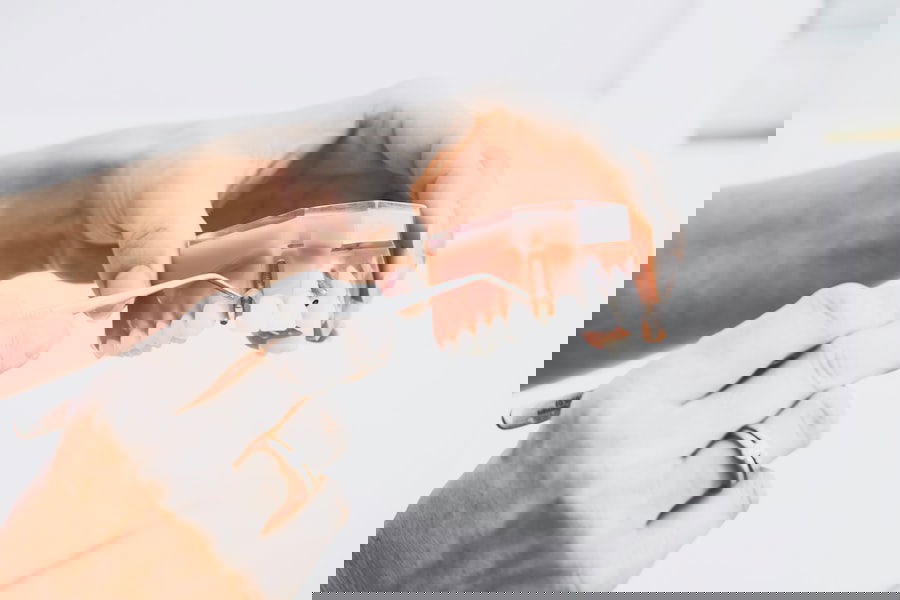
Orthodontic practices frequently offer payment plans designed to accommodate various financial situations. These plans typically involve breaking down the total cost into manageable monthly payments over the course of treatment. This approach can alleviate financial stress for families and individuals who may find it challenging to pay for orthodontics all at once.
In addition to standard payment plans, some practices may offer discounts for upfront payments or for families with multiple members undergoing treatment simultaneously. These discounts can significantly reduce overall costs and encourage families to seek necessary orthodontic care without financial burden. Patients should inquire about available payment options during their initial consultation.
Understanding these financial arrangements can help patients make informed decisions about their treatment while ensuring they receive the care they need without compromising their financial stability.
Maintenance and Aftercare Costs
Once orthodontic treatment is complete, maintenance and aftercare become critical components in preserving the results achieved through braces or aligners. Retainers play a vital role in this phase by ensuring that teeth remain in their new positions after active treatment has concluded. The cost of retainers can vary based on whether they are fixed or removable; removable retainers tend to be less expensive but require diligent care and regular replacement over time.
In addition to retainers, regular follow-up visits with the orthodontist may be necessary during the aftercare phase. These appointments allow the orthodontist to monitor the stability of tooth positions and make any necessary adjustments or recommendations regarding retainer wear. While these visits are generally less frequent than during active treatment, they still represent an ongoing cost that patients should factor into their long-term budget.
Moreover, maintaining good oral hygiene is essential during both active treatment and aftercare. Patients may need to invest in specialized dental products such as cleaning devices designed for braces or aligners, which can add to overall maintenance costs. Regular dental check-ups are also crucial for ensuring that oral health remains optimal throughout this period.
Long-Term Benefits and Savings
Investing in orthodontic treatment offers numerous long-term benefits that extend beyond mere aesthetics. A well-aligned smile contributes significantly to improved oral health by facilitating better cleaning practices and reducing the risk of cavities and gum disease associated with misaligned teeth. Properly aligned teeth also promote better jaw function and can alleviate issues such as jaw pain or headaches caused by bite misalignment.
From a psychological perspective, achieving a straighter smile can enhance self-esteem and confidence levels significantly. Many individuals report feeling more comfortable in social situations and more willing to engage in public speaking or other activities that require self-assurance after completing orthodontic treatment. Financially speaking, while the initial investment in braces or aligners may seem substantial, it can lead to long-term savings by reducing future dental expenses related to oral health complications arising from misalignment issues.
By addressing these concerns proactively through orthodontics, patients can potentially avoid costly restorative procedures down the line. Ultimately, while there are various costs associated with orthodontic treatment—from initial consultations to maintenance—understanding these factors allows patients to appreciate the value of investing in their smiles for both immediate satisfaction and long-term health benefits.
If you are considering orthodontic treatment but are concerned about the costs involved, you may find it helpful to read this article on White Pearl Dental Care website. This article discusses various factors that can affect orthodontic costs, such as the type of treatment needed, the duration of treatment, and any additional procedures that may be required. Understanding these factors can help you make an informed decision about your orthodontic care. For more information, you can also visit their contact page or review their privacy policy.
FAQs
What factors can affect the cost of orthodontic treatment?
Some factors that can affect the cost of orthodontic treatment include the severity of the orthodontic issue, the type of treatment needed (such as braces or Invisalign), the length of treatment, and the location of the orthodontic practice.
What is the average cost of orthodontic treatment?
The average cost of orthodontic treatment can vary widely depending on the factors mentioned above. However, on average, orthodontic treatment can cost anywhere from $5,500 to $11,000.
Does dental insurance cover orthodontic treatment?
Many dental insurance plans do offer some coverage for orthodontic treatment, but the amount of coverage can vary. It’s important to check with your insurance provider to understand what is covered and what out-of-pocket expenses you may incur.
Are there payment plans available for orthodontic treatment?
Many orthodontic practices offer payment plans to help make the cost of treatment more manageable. These plans may allow you to spread out the cost of treatment over time, making it more affordable.
Are there any additional costs associated with orthodontic treatment?
In addition to the cost of the orthodontic treatment itself, there may be additional costs for things like X-rays, retainers, or any necessary follow-up appointments. It’s important to discuss these potential additional costs with your orthodontist.