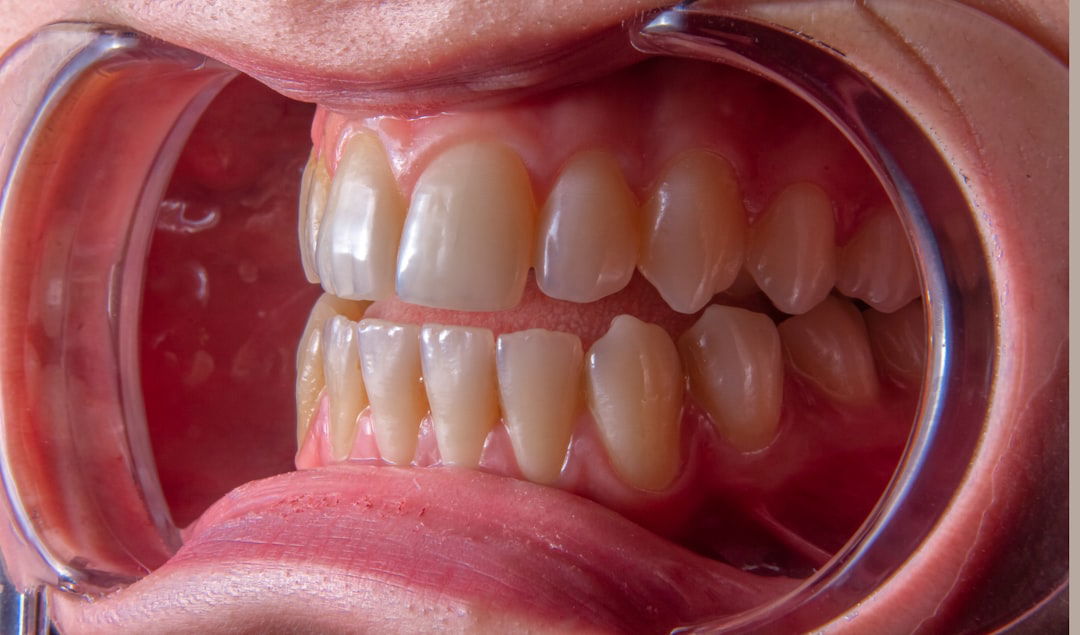
Teeth whitening has become a popular cosmetic dental procedure, sought after by individuals looking to enhance their smiles and boost their confidence. The desire for whiter teeth is often driven by various factors, including the consumption of staining foods and beverages, tobacco use, and the natural aging process, which can all contribute to the discoloration of teeth. As a result, the market for teeth whitening products and services has expanded significantly, offering a plethora of options ranging from over-the-counter whitening strips and gels to professional treatments performed by dental practitioners.
The appeal of a bright, white smile is not merely aesthetic; it is often associated with health, youth, and attractiveness. Many people believe that whiter teeth can lead to improved social interactions and even better job prospects. However, while the benefits of teeth whitening are widely promoted, it is essential to consider the potential risks and side effects associated with these procedures.
Understanding these risks can help individuals make informed decisions about their dental care and the methods they choose for achieving a brighter smile.
Key Takeaways
- Teeth whitening is a popular cosmetic procedure to improve the appearance of teeth.
- Potential risks of teeth whitening include sensitivity, damage to tooth enamel, gum irritation, and uneven whitening results.
- Sensitivity and irritation are common side effects of teeth whitening, but they are usually temporary.
- Damage to tooth enamel can occur if whitening products are overused or used incorrectly.
- Gum irritation and recession can occur if whitening products come into contact with the gums for an extended period of time.
Potential Risks of Teeth Whitening
Despite the allure of a dazzling smile, teeth whitening is not without its potential drawbacks. Many individuals may overlook the risks involved in the pursuit of whiter teeth, often focusing solely on the immediate aesthetic benefits. However, it is crucial to recognize that various whitening methods can lead to adverse effects on both oral health and overall well-being.
The potential risks associated with teeth whitening can vary depending on the method used, the concentration of whitening agents, and individual susceptibility to side effects. One of the most significant concerns is that many over-the-counter products contain high concentrations of hydrogen peroxide or carbamide peroxide, which are effective bleaching agents but can also cause harm if misused. Professional treatments, while generally safer due to the supervision of dental professionals, are not entirely devoid of risks.
Therefore, it is essential for individuals considering teeth whitening to weigh these potential risks against the benefits and to seek guidance from dental professionals when necessary.
Sensitivity and Irritation
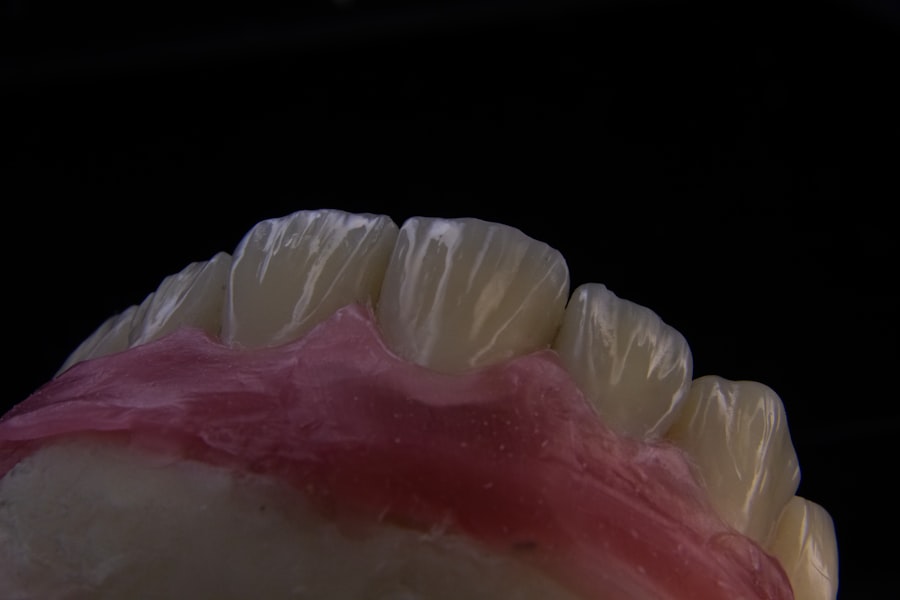
One of the most common side effects reported by individuals undergoing teeth whitening is increased tooth sensitivity. This sensitivity can manifest as discomfort or pain when consuming hot or cold foods and beverages. The underlying cause of this sensitivity is often linked to the bleaching agents used in whitening products, which can penetrate the enamel and irritate the nerve endings within the teeth.
For some individuals, this sensitivity may be temporary, subsiding shortly after the completion of the whitening treatment. However, for others, it can persist for an extended period, leading to ongoing discomfort. In addition to tooth sensitivity, some individuals may experience irritation of the soft tissues in the mouth, including the gums and inner cheeks.
This irritation can occur due to direct contact with whitening agents or as a result of prolonged exposure during treatment. Symptoms may include redness, swelling, or a burning sensation in the affected areas. It is essential for individuals to monitor their reactions during and after treatment and to consult with a dentist if they experience significant discomfort or prolonged irritation.
Damage to Tooth Enamel
| Tooth Enamel Damage Level | Description |
|---|---|
| Mild | Surface enamel erosion, white spots on teeth |
| Moderate | Increased sensitivity, yellowing of teeth |
| Severe | Visible pits, rough edges, severe sensitivity |
Tooth enamel is the hard outer layer that protects teeth from decay and damage. While teeth whitening products are designed to be safe for enamel when used correctly, there is a risk that excessive or improper use can lead to enamel erosion. Enamel erosion occurs when the protective layer of the tooth becomes worn down, making it more susceptible to cavities and sensitivity.
This erosion can be exacerbated by high concentrations of bleaching agents or by using products too frequently without professional guidance. The long-term consequences of enamel damage can be severe. Once enamel is lost, it cannot regenerate, leading to an increased risk of dental issues such as decay and discoloration.
Individuals who frequently engage in whitening treatments without considering their enamel health may find themselves facing more significant dental problems down the line. Therefore, it is crucial for those interested in whitening their teeth to prioritize enamel preservation and seek professional advice on safe practices.
Gum Irritation and Recession
Gum irritation is another potential risk associated with teeth whitening procedures. The chemicals used in many whitening products can cause inflammation or irritation of the gums if they come into contact with soft tissue during application. Symptoms may include redness, swelling, or bleeding of the gums, which can be uncomfortable and concerning for individuals undergoing treatment.
In some cases, this irritation may resolve on its own after discontinuing use of the product; however, persistent gum issues should be addressed by a dental professional. Moreover, there is a risk that repeated exposure to harsh whitening agents could contribute to gum recession over time.
Individuals who have pre-existing gum conditions or who are prone to gum disease should exercise caution when considering whitening treatments and consult with their dentist to determine the best approach for their oral health.
Uneven Whitening Results
Another concern associated with teeth whitening is the possibility of achieving uneven results. Factors such as the natural color variations in teeth, existing dental work (like crowns or veneers), and individual response to whitening agents can all contribute to inconsistent outcomes. For instance, natural teeth may whiten differently than porcelain crowns or composite fillings, leading to a mismatched appearance that can be aesthetically displeasing.
Additionally, certain areas of the mouth may respond more readily to whitening agents than others due to differences in enamel thickness or porosity. This unevenness can result in a patchy appearance that detracts from the overall goal of achieving a uniform smile. To mitigate this risk, individuals should consider consulting with a dentist who can provide tailored recommendations based on their unique dental characteristics and help them choose a method that promotes even results.
Allergic Reactions
While rare, allergic reactions to teeth whitening products can occur in some individuals. These reactions may be triggered by specific ingredients found in whitening agents or other components of over-the-counter products. Symptoms can range from mild irritation and redness to more severe reactions such as swelling or difficulty breathing in extreme cases.
Individuals with known allergies or sensitivities should exercise caution when selecting whitening products and consider conducting a patch test before full application. If an allergic reaction does occur, it is essential to discontinue use immediately and seek medical attention if symptoms worsen or do not resolve quickly. Consulting with a dentist prior to beginning any whitening regimen can also help identify potential allergens and ensure that individuals choose products that are safe for their specific needs.
Increased Risk of Cavities
The pursuit of whiter teeth through aggressive whitening methods may inadvertently increase an individual’s risk of developing cavities. This risk arises from several factors associated with teeth whitening procedures. For instance, if enamel erosion occurs due to excessive use of bleaching agents, teeth become more vulnerable to decay as their protective barrier weakens.
Additionally, some whitening products may alter the pH balance in the mouth or create an environment conducive to bacterial growth. Furthermore, individuals who experience increased tooth sensitivity may avoid proper oral hygiene practices out of discomfort, leading to inadequate cleaning and an accumulation of plaque and bacteria on tooth surfaces. This neglect can further heighten the risk of cavities developing over time.
To counteract this risk, it is vital for individuals undergoing whitening treatments to maintain diligent oral hygiene practices and consult with their dentist about preventive measures.
Temporary or Permanent Tooth Sensitivity
Tooth sensitivity resulting from whitening treatments can be classified as either temporary or permanent, depending on individual circumstances and treatment methods used. Temporary sensitivity typically resolves within a few days after completing a whitening regimen; however, some individuals may experience prolonged sensitivity that lingers for weeks or even months after treatment. This prolonged sensitivity can significantly impact daily life by making it uncomfortable to consume hot or cold foods and beverages.
In rare cases, excessive exposure to bleaching agents may lead to permanent changes in tooth sensitivity levels. Individuals who have undergone aggressive or frequent whitening treatments may find themselves dealing with chronic sensitivity issues that require ongoing management through desensitizing toothpaste or other interventions recommended by dental professionals. It is crucial for anyone considering teeth whitening to be aware of these potential outcomes and discuss them with their dentist before proceeding.
Overuse of Whitening Products
The temptation to achieve a brighter smile quickly can lead some individuals to overuse teeth whitening products beyond recommended guidelines.
Many over-the-counter products come with specific usage instructions designed to minimize risks; however, consumers may disregard these guidelines in pursuit of faster results.
Overusing whitening products can result in cumulative damage that manifests as increased sensitivity, gum irritation, or even permanent changes in tooth structure over time. It is essential for individuals to adhere strictly to usage recommendations provided by manufacturers or dental professionals and resist the urge to exceed these limits in hopes of achieving quicker results.
Consultation with a Dentist Before Whitening
Given the myriad risks associated with teeth whitening procedures, consulting with a dentist before embarking on any whitening journey is paramount. A dental professional can assess an individual’s oral health status, identify any pre-existing conditions that may complicate treatment, and recommend appropriate methods tailored to their specific needs. This consultation serves as an opportunity for patients to discuss their goals while also addressing any concerns regarding potential side effects.
Moreover, dentists can provide valuable insights into safe practices for maintaining oral health during and after whitening treatments. They may suggest alternative options such as professional in-office treatments that offer controlled results under supervision or customized at-home kits designed for safety and efficacy. By prioritizing consultation with a dentist before initiating any whitening regimen, individuals can ensure they are making informed choices that prioritize both aesthetics and oral health.
Teeth whitening is a popular cosmetic dental procedure, but it is not without risks. According to a recent article on preventing gingivitis and tips for healthy gums, overuse of teeth whitening products can lead to gum irritation and sensitivity. It is important to follow the instructions provided by your dentist and to consult with them before undergoing any teeth whitening treatment to minimize these risks.
FAQs
What are the risks of teeth whitening?
Teeth whitening can cause tooth sensitivity and gum irritation. Overuse of whitening products can also lead to enamel damage and increased tooth sensitivity.
Can teeth whitening cause damage to the enamel?
Yes, overuse of teeth whitening products can lead to enamel damage, making the teeth more susceptible to decay and sensitivity.
Is tooth sensitivity a common risk of teeth whitening?
Yes, tooth sensitivity is a common side effect of teeth whitening. It usually occurs during the whitening process and may persist for a short time after treatment.
Can teeth whitening cause gum irritation?
Yes, teeth whitening can cause gum irritation if the whitening gel comes into contact with the gums. This can result in temporary discomfort and inflammation.
Are there any long-term risks associated with teeth whitening?
Long-term risks of teeth whitening may include enamel damage, increased tooth sensitivity, and potential damage to the gums if the whitening products are not used properly or excessively.