
Gingivitis is a common yet often overlooked condition that affects the gums, characterized by inflammation, redness, and swelling. It is primarily caused by the accumulation of plaque—a sticky film of bacteria that forms on teeth. When plaque is not removed through regular brushing and flossing, it can harden into tartar, which further irritates the gums.
The early signs of gingivitis may include bleeding during brushing or flossing, persistent bad breath, and a tender feeling in the gums. If left untreated, gingivitis can progress to more severe forms of periodontal disease, which can lead to tooth loss and other serious health issues. The prevalence of gingivitis is significant; studies suggest that nearly half of adults over the age of 30 experience some form of gum disease.
Factors such as poor oral hygiene, hormonal changes, certain medications, and underlying health conditions like diabetes can exacerbate the risk of developing gingivitis. Understanding the underlying causes and symptoms is crucial for effective prevention and treatment. Early intervention can reverse the condition, making it essential for individuals to recognize the signs and seek appropriate dental care.
Key Takeaways
- Gingivitis is the early stage of gum disease and is characterized by red, swollen gums that may bleed easily.
- Maintaining good oral hygiene is crucial in preventing and managing gingivitis.
- Proper brushing techniques, including using a soft-bristled brush and gentle circular motions, can help prevent gingivitis.
- Flossing is essential for removing plaque and food particles from between the teeth and along the gumline, reducing the risk of gingivitis.
- Regular dental check-ups are important for early detection and treatment of gingivitis and other oral health issues.
Importance of Oral Hygiene
Oral hygiene is the cornerstone of maintaining not only dental health but overall well-being. The mouth serves as a gateway to the body, and poor oral hygiene can lead to a myriad of health problems beyond cavities and gum disease. Regular brushing and flossing help to remove food particles and plaque, preventing the buildup of harmful bacteria that can lead to infections.
Moreover, maintaining good oral hygiene has been linked to lower risks of systemic diseases such as heart disease, diabetes, and respiratory infections. The significance of oral hygiene extends beyond physical health; it also plays a vital role in social interactions and self-esteem. Bad breath, tooth decay, and visible gum disease can lead to embarrassment and social withdrawal.
By prioritizing oral hygiene practices, individuals can enhance their confidence and improve their quality of life. This holistic approach to health emphasizes that caring for one’s teeth and gums is not merely a cosmetic concern but a fundamental aspect of overall health.
Proper Brushing Techniques
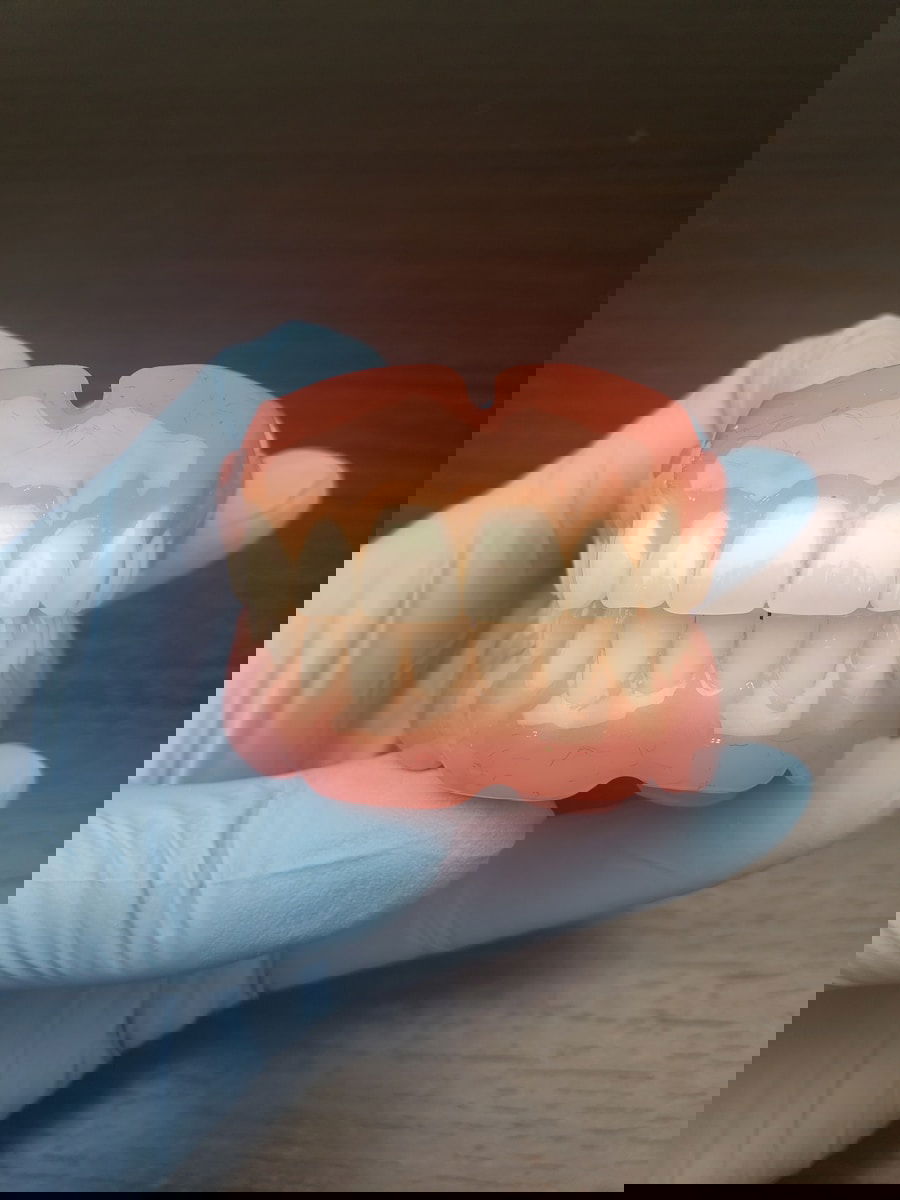
Effective brushing techniques are essential for maintaining optimal oral health. The American Dental Association recommends brushing at least twice a day with fluoride toothpaste to effectively remove plaque and prevent cavities. However, the technique employed during brushing is equally important.
A common mistake is applying too much pressure while brushing; this can lead to gum recession and enamel wear. Instead, a gentle circular motion should be used, focusing on each quadrant of the mouth for at least 30 seconds. Additionally, it is crucial to replace toothbrushes every three to four months or sooner if the bristles become frayed.
An electric toothbrush can also be beneficial, as many models come equipped with timers and pressure sensors that help ensure effective cleaning without damaging the gums. Incorporating proper brushing techniques into daily routines not only helps in preventing gingivitis but also promotes overall dental health by ensuring that all surfaces of the teeth are adequately cleaned. The relevant word to link is “American Dental Association”.
Here is the link: American Dental Association
Flossing and its Benefits
| Benefits of Flossing | Statistics/Metrics |
|---|---|
| Prevents Gum Disease | According to the American Dental Association, flossing can help prevent gum disease, which affects 47.2% of adults aged 30 years and older in the United States. |
| Removes Plaque | Research shows that flossing can remove plaque from areas between teeth that a toothbrush can’t reach, reducing the risk of cavities and tooth decay. |
| Reduces Bad Breath | A study published in the Journal of Periodontology found that regular flossing can significantly reduce bad breath by removing food particles and bacteria from between teeth. |
| Prevents Tartar Buildup | By removing plaque, flossing can also help prevent tartar buildup, which can lead to more serious dental issues if left untreated. |
Flossing is an integral part of oral hygiene that is often neglected or overlooked.
This is where plaque tends to accumulate and harden into tartar if not removed regularly.
By incorporating flossing into daily routines, individuals can significantly reduce their risk of developing gingivitis and other periodontal diseases. The benefits of flossing extend beyond just gum health; it also contributes to fresher breath and a brighter smile. Flossing removes food particles that can cause bad breath and helps prevent cavities between teeth.
For those who find traditional floss challenging to use, alternatives such as floss picks or water flossers are available and can be just as effective. Establishing a consistent flossing routine can lead to long-term improvements in oral health and contribute to a more confident smile.
Regular Dental Check-ups
Regular dental check-ups are a critical component of maintaining oral health and preventing conditions like gingivitis from progressing. Dentists recommend visiting for a professional cleaning and examination at least twice a year. During these visits, dental professionals can identify early signs of gum disease or other dental issues that may not be apparent to the patient.
They can also provide personalized advice on improving oral hygiene practices based on individual needs. In addition to preventive care, dental check-ups offer an opportunity for patients to discuss any concerns they may have regarding their oral health. This open line of communication allows for tailored treatment plans that address specific issues such as sensitivity or cosmetic concerns.
Furthermore, regular visits help establish a relationship with a dental professional who understands the patient’s history and can provide continuity of care over time.
Healthy Diet and its Impact on Gum Health

The role of diet in maintaining healthy gums cannot be overstated. Nutrient-rich foods contribute significantly to oral health by providing essential vitamins and minerals that support gum tissue integrity and immune function. For instance, vitamin C is crucial for collagen production, which helps maintain healthy gum tissue.
Foods rich in vitamin C include citrus fruits, strawberries, bell peppers, and leafy greens. Conversely, a diet high in sugar can lead to increased plaque formation and a higher risk of cavities and gum disease. Hydration also plays a vital role in oral health; drinking plenty of water helps wash away food particles and bacteria from the mouth.
Additionally, certain foods like crunchy fruits and vegetables can act as natural toothbrushes, stimulating saliva production while mechanically cleaning teeth surfaces. By adopting a balanced diet that emphasizes whole foods while minimizing processed sugars, individuals can significantly enhance their gum health and overall well-being.
Avoiding Tobacco and Alcohol
The detrimental effects of tobacco use on oral health are well-documented; smoking and chewing tobacco significantly increase the risk of developing gingivitis and other periodontal diseases. Tobacco products impair blood flow to the gums, which hinders healing processes and makes it more difficult for the body to fight off infections. Moreover, tobacco users often experience more severe gum disease than non-users due to reduced immune response.
Alcohol consumption also poses risks to oral health; excessive drinking can lead to dry mouth, which reduces saliva production—the body’s natural defense against bacteria. A dry mouth creates an environment conducive to plaque buildup and increases the likelihood of gum disease. By avoiding tobacco products and moderating alcohol intake, individuals can protect their gums from inflammation and promote better overall oral health.
Managing Stress for Better Oral Health
Stress management is an often-overlooked aspect of maintaining good oral health. Chronic stress can lead to behaviors such as teeth grinding (bruxism) or neglecting oral hygiene routines due to time constraints or lack of motivation. Bruxism not only wears down tooth enamel but can also contribute to jaw pain and gum recession over time.
Recognizing the connection between stress levels and oral health is essential for developing effective coping strategies. Incorporating stress-reduction techniques such as mindfulness meditation, regular exercise, or engaging in hobbies can have positive effects on both mental well-being and oral health. Additionally, establishing a consistent routine for self-care—including regular dental visits—can alleviate anxiety related to dental appointments while promoting better overall health outcomes.
If you are interested in learning more about advancements in dentistry that can help with oral health issues like gingivitis, you may want to check out this article on the role of CBCT imaging in dental care here. This technology can provide detailed 3D images of the teeth and surrounding structures, allowing for more accurate diagnosis and treatment planning. It is just one example of how modern dental techniques are improving the way we care for our oral health.
FAQs
What is gingivitis?
Gingivitis is a common and mild form of gum disease that causes irritation, redness, and swelling of the gingiva, the part of the gum around the base of the teeth.
What causes gingivitis?
Gingivitis is primarily caused by poor oral hygiene that leads to the buildup of plaque on the teeth. Plaque is a sticky film of bacteria that forms on the teeth and gums.
What are the symptoms of gingivitis?
Symptoms of gingivitis include swollen or puffy gums, dark red or purple gums, gums that are tender to the touch, bleeding from the gums when brushing or flossing, and bad breath.
How is gingivitis treated?
Gingivitis is typically treated through improved oral hygiene practices, such as regular brushing and flossing, as well as professional dental cleanings. In some cases, a dentist may recommend antimicrobial mouth rinses or other treatments.
Can gingivitis be prevented?
Gingivitis can be prevented by maintaining good oral hygiene, including regular brushing and flossing, as well as regular dental check-ups and cleanings. Avoiding tobacco use and maintaining a healthy diet can also help prevent gingivitis.