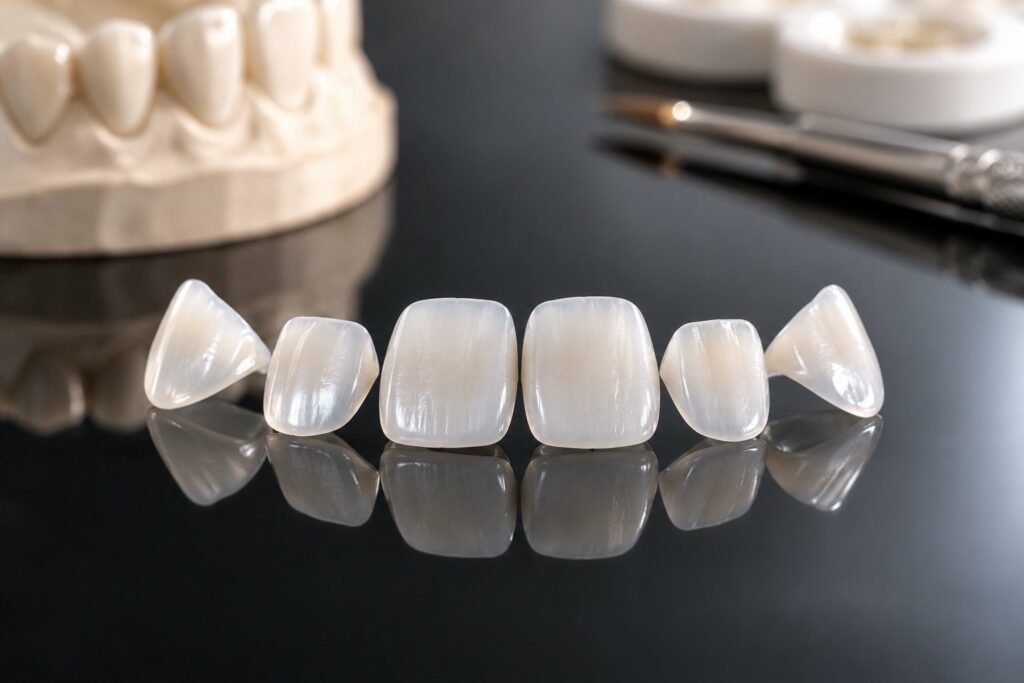
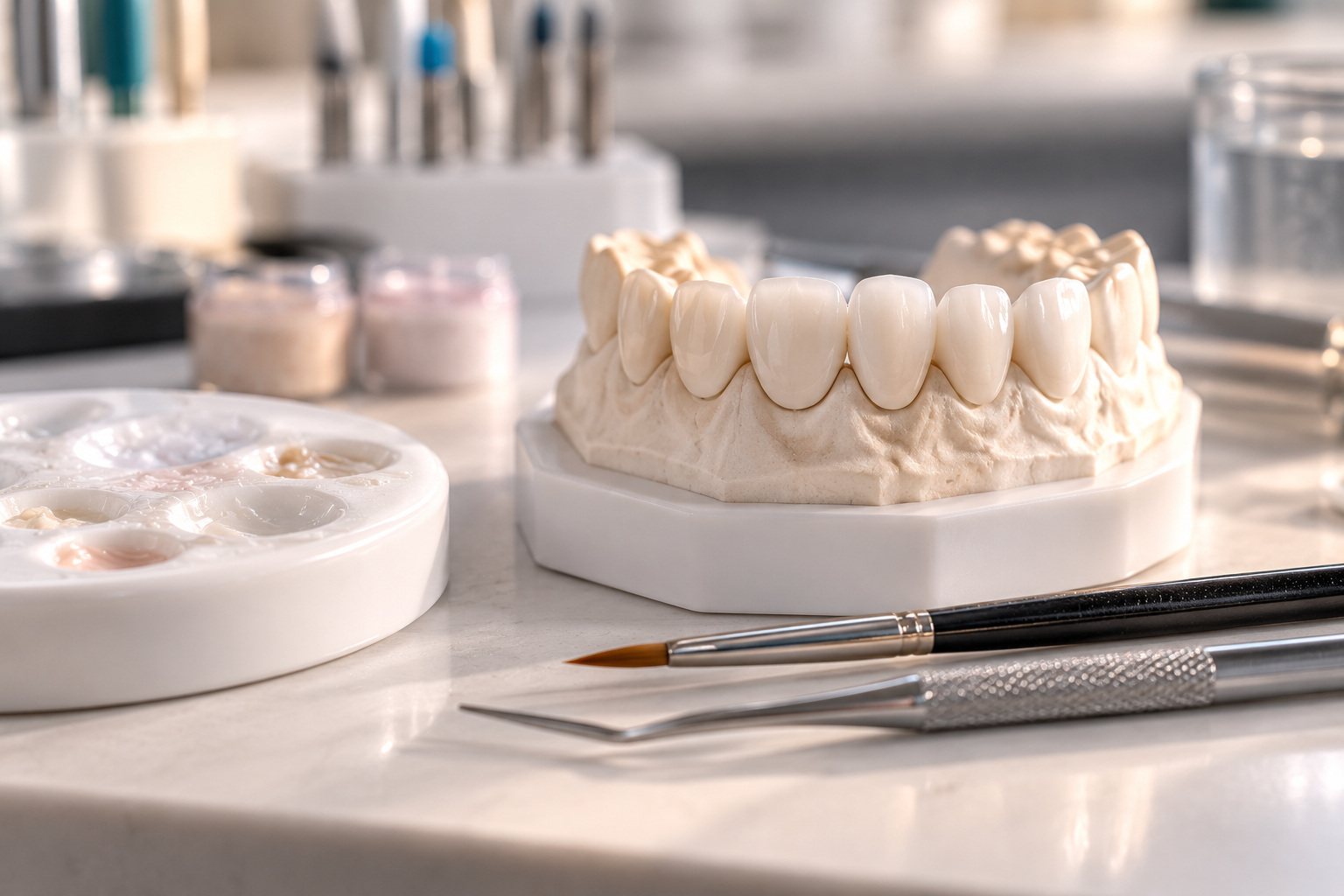
Dental veneers are thin shells made from either porcelain or composite resin that are custom-designed to cover the front surface of teeth. They serve both aesthetic and functional purposes, allowing individuals to achieve a more uniform and appealing smile. The concept of dental veneers has been around since the 1920s, initially developed for use in the film industry to enhance the appearance of actors’ teeth.
Over the decades, advancements in dental materials and techniques have transformed veneers into a popular cosmetic dentistry option for the general public. The application of dental veneers involves a meticulous process that requires the expertise of a dental professional. These veneers are bonded to the teeth, effectively masking imperfections such as discoloration, chips, or gaps.
The versatility of dental veneers makes them suitable for a wide range of dental issues, providing a solution that can dramatically improve one’s smile. As a result, they have gained significant popularity among individuals seeking to enhance their appearance without undergoing extensive dental procedures.
Key Takeaways
- Dental veneers are thin, custom-made shells of tooth-colored materials designed to cover the front surface of teeth to improve their appearance.
- Benefits of dental veneers include improved appearance, durability, and stain resistance.
- The process of getting dental veneers involves consultation, preparation, bonding, and follow-up care.
- Types of dental veneers include porcelain veneers and composite resin veneers, each with their own advantages and considerations.
- Maintaining dental veneers requires good oral hygiene, regular dental visits, and avoiding excessive force or pressure on the veneers.
Benefits of Dental Veneers
Enhanced Aesthetics
They can effectively address various cosmetic concerns, including uneven teeth, discoloration, and minor misalignments. For individuals who may feel self-conscious about their teeth, veneers can provide a significant boost in confidence.
Natural Appearance and Durability
The natural appearance of porcelain veneers closely mimics the translucency and sheen of natural tooth enamel, making them an attractive option for those looking to enhance their smile. In addition to their aesthetic advantages, dental veneers are also known for their durability. Porcelain veneers, in particular, are resistant to staining and can last anywhere from 10 to 15 years with proper care.
Preservation of Tooth Integrity
This longevity makes them a worthwhile investment for many individuals. Furthermore, the process of applying veneers typically requires minimal alteration to the natural tooth structure compared to other cosmetic procedures, such as crowns or bridges. This preservation of tooth integrity is an appealing aspect for many patients who wish to maintain as much of their natural teeth as possible.
The Process of Getting Dental Veneers

The journey to obtaining dental veneers begins with an initial consultation with a qualified dentist. During this appointment, the dentist will assess the patient’s oral health and discuss their cosmetic goals. This is an essential step, as it allows the dentist to determine whether veneers are the right solution for the patient’s specific needs.
X-rays or impressions may be taken to evaluate the condition of the teeth and gums, ensuring that there are no underlying issues that could affect the success of the veneer application. Once it is determined that veneers are appropriate, the next step involves preparing the teeth. This preparation typically includes removing a small amount of enamel from the front surface of the teeth to create space for the veneers. This step is crucial as it ensures a proper fit and natural appearance once the veneers are placed. After this preparation, impressions of the teeth are taken and sent to a dental laboratory where the custom veneers are fabricated.
This process usually takes about one to two weeks. In some cases, temporary veneers may be placed while patients wait for their permanent ones.
Types of Dental Veneers
| Veneer Type | Material | Thickness | Durability |
|---|---|---|---|
| Porcelain Veneers | Porcelain | 0.5 – 0.7 mm | 10-15 years |
| Composite Veneers | Composite resin | 0.3 – 0.5 mm | 5-7 years |
| Lumineers | Cerinate porcelain | 0.2 mm | 20 years |
There are primarily two types of dental veneers: porcelain and composite resin. Porcelain veneers are favored for their strength and natural appearance. They are crafted from high-quality ceramic materials that mimic the look of natural teeth while providing excellent resistance to staining and wear.
The translucency of porcelain allows light to pass through similarly to natural enamel, making them an ideal choice for those seeking a lifelike appearance. On the other hand, composite resin veneers are made from a tooth-colored resin material that can be directly applied to the teeth in a single visit. While they may not offer the same level of durability or stain resistance as porcelain veneers, they can be an excellent option for patients looking for a more cost-effective solution or those who desire less invasive treatment.
Composite veneers can also be easily repaired if they become chipped or damaged, making them a flexible choice for some individuals.
Maintaining Dental Veneers
Maintaining dental veneers is relatively straightforward and does not require any special care beyond regular oral hygiene practices. Patients with veneers should continue to brush their teeth at least twice a day and floss daily to prevent plaque buildup and maintain gum health. It is also advisable to use non-abrasive toothpaste to avoid scratching the surface of the veneers over time.
Regular dental check-ups are essential for monitoring the condition of both natural teeth and veneers. During these visits, dentists can assess any potential issues and provide professional cleanings that help maintain oral health. Additionally, patients should be cautious about habits that could damage their veneers, such as biting on hard objects or using teeth as tools.
By following these guidelines, individuals can ensure that their dental veneers remain in excellent condition for many years.
Who is a Good Candidate for Dental Veneers

Good Oral Health and Realistic Expectations
Generally, individuals with good oral health and realistic expectations about what veneers can achieve are considered suitable candidates. However, those with significant tooth decay, gum disease, or other underlying dental issues may need to address these problems before considering veneers.
Enamel and Bruxism Considerations
Candidates should have sufficient enamel on their teeth since some enamel is removed during the preparation process. Individuals who grind their teeth or have a history of bruxism may not be ideal candidates due to the increased risk of damaging the veneers.
Professional Evaluation
Ultimately, a thorough evaluation by a dental professional will help determine whether someone is a good candidate for this cosmetic procedure.
Comparing Dental Veneers to Other Cosmetic Dentistry Options
When considering options for enhancing one’s smile, dental veneers often come up alongside other cosmetic dentistry solutions such as teeth whitening, bonding, and orthodontics. Teeth whitening is a popular choice for those looking to address discoloration but may not be effective for intrinsic stains or severe discoloration issues that veneers can resolve. While whitening treatments can brighten teeth significantly, they do not address structural imperfections like chips or gaps.
Dental bonding is another alternative that involves applying a tooth-colored resin directly onto the tooth surface to correct minor imperfections. While bonding can be less expensive than veneers and completed in one visit, it typically does not offer the same level of durability or stain resistance as porcelain veneers. For individuals with more significant alignment issues, orthodontic treatments such as braces or clear aligners may be necessary; however, these options require a longer commitment and do not provide immediate aesthetic results like veneers do.
Cost of Dental Veneers and Insurance Coverage
The cost of dental veneers can vary widely based on several factors including geographic location, the type of veneer chosen (porcelain vs.
On average, porcelain veneers can range from $925 to $2,500 per tooth, while composite resin veneers tend to be more affordable at approximately $250 to $1,500 per tooth.
It’s important for patients to consider these costs in relation to their budget and desired outcomes. Insurance coverage for dental veneers can also be complex; many insurance plans consider them a cosmetic procedure and may not cover them at all. However, if there are underlying dental issues that necessitate veneer placement—such as significant damage or decay—some insurance providers may offer partial coverage.
Patients should consult with their insurance provider and discuss financing options with their dentist to better understand potential costs and payment plans available for veneer treatment. In summary, dental veneers represent a versatile solution for individuals seeking aesthetic improvements in their smiles while maintaining tooth integrity. With various types available and straightforward maintenance requirements, they continue to be a popular choice in cosmetic dentistry today.
If you are considering dental veneers for worn down teeth, you may also be interested in learning more about maintaining your orthodontic treatment for long-term success. White Pearl Dental Care offers valuable tips and advice on their blog at https://whitepearldentalcare.com.au/maintaining-your-orthodontic-treatment-tips-for-success/. Understanding how to properly care for your orthodontic treatment can help ensure the longevity of your dental veneers and overall oral health. Check out their blog for more information on orthodontics and dental care.
FAQs
What are dental veneers?
Dental veneers are thin, custom-made shells of tooth-colored materials designed to cover the front surface of teeth to improve their appearance. They are commonly made of porcelain or resin composite materials.
How can dental veneers help with worn down teeth?
Dental veneers can help improve the appearance of worn down teeth by covering the front surface and restoring their natural shape and color. They can also provide strength and protection to the worn down teeth.
What are the benefits of dental veneers for worn down teeth?
Some benefits of dental veneers for worn down teeth include improved aesthetics, increased strength and durability, and the ability to customize the shape and color of the teeth.
How are dental veneers applied to worn down teeth?
The process of applying dental veneers to worn down teeth typically involves removing a small amount of enamel from the front surface of the teeth, taking impressions, and then bonding the custom-made veneers to the teeth using dental cement.
Are there any risks or considerations with dental veneers for worn down teeth?
Some potential risks or considerations with dental veneers for worn down teeth include the possibility of increased tooth sensitivity, the need for regular maintenance and replacement, and the irreversible nature of the enamel removal process. It is important to consult with a dentist to determine if dental veneers are the right option for your specific situation.