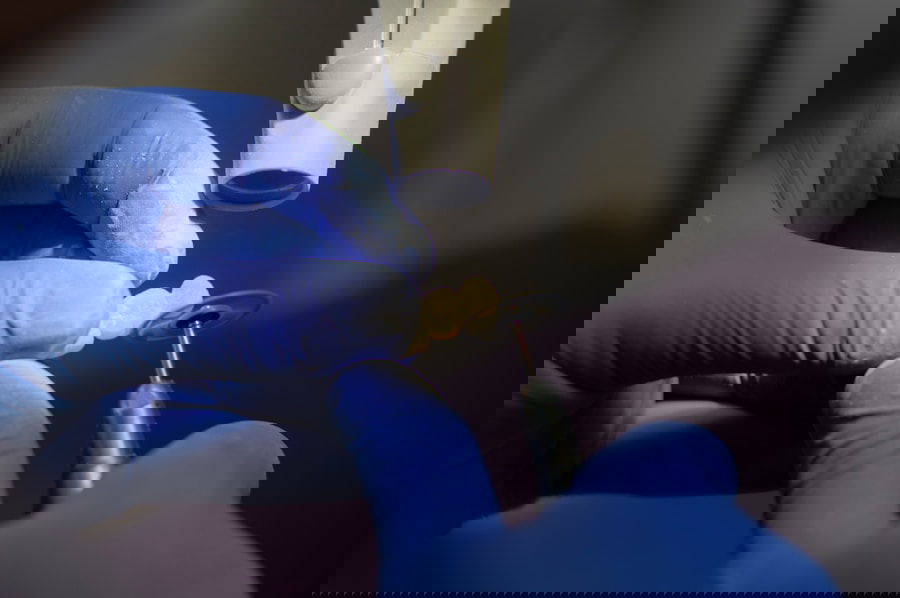
Maintaining proper oral hygiene is crucial for the longevity and success of dental implants.
The integration of the implant with the jawbone, known as osseointegration, relies heavily on the surrounding gum tissue being healthy.
If plaque and bacteria accumulate around the implant, it can lead to peri-implantitis, a condition that can cause inflammation and bone loss around the implant. This underscores the necessity of a diligent oral hygiene routine that includes brushing, flossing, and possibly using an antimicrobial mouthwash. Moreover, the importance of oral hygiene extends beyond just the implants themselves.
A comprehensive oral care regimen helps maintain the health of adjacent teeth and gums, which is vital for overall oral health. Neglecting oral hygiene can lead to complications that may jeopardize not only the implants but also the integrity of the entire dental structure. Regularly cleaning the mouth helps to prevent infections and ensures that the implant site remains free from harmful bacteria, thereby promoting a stable and healthy environment for the implants to thrive.
Key Takeaways
- Proper oral hygiene is crucial for the success and longevity of dental implants
- Regular dental check-ups and cleanings are essential for maintaining the health of dental implants
- Avoid damaging habits and foods that can compromise the integrity of dental implants
- Use recommended oral care products, such as soft-bristled toothbrushes and non-abrasive toothpaste, to protect dental implants
- Understand the risks of smoking and alcohol consumption on the success of dental implants
Regular Dental Check-ups and Cleanings
Regular dental check-ups and professional cleanings are essential components of maintaining dental implants. These visits allow dental professionals to monitor the health of the implants and surrounding tissues closely. During these appointments, dentists can identify early signs of complications such as peri-implantitis or other issues that may arise.
Early detection is key; addressing problems promptly can prevent more severe complications down the line, which could lead to implant failure or additional procedures. In addition to monitoring, professional cleanings help remove tartar and plaque that regular brushing may miss. Dental hygienists use specialized tools to clean around the implant and ensure that the gum tissue remains healthy.
This professional intervention is particularly important for individuals with dental implants, as they may require different cleaning techniques compared to natural teeth. By committing to regular dental visits—typically every six months—patients can significantly enhance their chances of maintaining their implants for many years.
Avoiding Damaging Habits and Foods
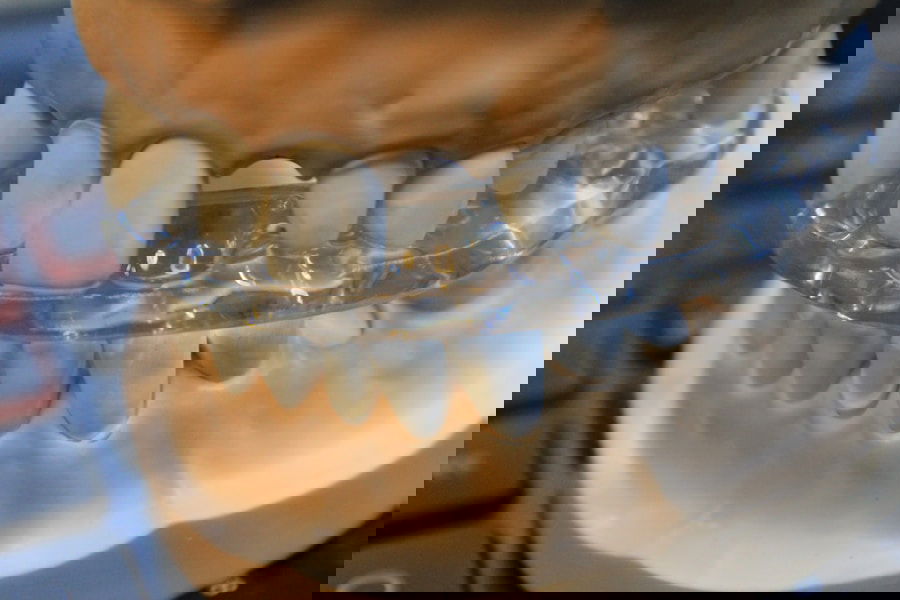
Certain habits and dietary choices can pose significant risks to dental implants. For instance, habits such as grinding teeth (bruxism) or chewing on hard objects can exert excessive pressure on implants, potentially leading to loosening or damage. Patients with a history of bruxism should discuss this with their dentist, who may recommend a custom night guard to protect their investment in dental implants.
Additionally, avoiding hard foods like ice, hard candies, or nuts can help mitigate the risk of damaging both natural teeth and implants. Diet also plays a pivotal role in oral health. Consuming excessive sugary foods can lead to plaque buildup, which is detrimental to gum health.
While sugar does not directly affect the implants themselves, it can contribute to gum disease, which poses a risk to the stability of the implants. Instead, focusing on a balanced diet rich in vitamins and minerals can promote better oral health. Foods high in calcium and vitamin D are particularly beneficial for maintaining bone density around the implant site, ensuring that the foundation remains strong.
Using Recommended Oral Care Products
| Oral Care Product | Recommended Usage | Effectiveness |
|---|---|---|
| Toothpaste | Twice a day | Reduces plaque and prevents cavities |
| Toothbrush | Twice a day | Removes plaque and prevents gum disease |
| Mouthwash | Once a day | Kills bacteria and freshens breath |
| Dental Floss | Once a day | Cleans between teeth and prevents cavities |
The selection of appropriate oral care products is vital for individuals with dental implants. Not all toothbrushes or toothpaste are created equal; therefore, it is essential to choose products specifically designed for implant care. Soft-bristled toothbrushes are often recommended to avoid damaging the gum tissue around the implant while effectively removing plaque.
Additionally, non-abrasive toothpaste is crucial as abrasive formulas can scratch the surface of the implant, potentially leading to complications. Flossing is another critical aspect of oral care for those with dental implants. Traditional floss may not always be effective around implants due to their unique structure; therefore, using specialized floss or interdental brushes can help clean areas that are difficult to reach.
Some patients may benefit from water flossers, which use a stream of pulsating water to remove debris and bacteria from around the implant site. Consulting with a dental professional about which products are best suited for individual needs can significantly enhance oral hygiene practices.
Understanding the Risks of Smoking and Alcohol Consumption
Smoking poses a considerable risk to dental implants and overall oral health. The chemicals in tobacco can impair blood flow to the gums, hindering healing and increasing the likelihood of infection after implant surgery. Studies have shown that smokers have a higher rate of implant failure compared to non-smokers due to these adverse effects on gum health and healing processes.
Similarly, excessive alcohol consumption can negatively impact oral health and the success of dental implants. Alcohol can lead to dry mouth, which reduces saliva production—a natural defense against bacteria in the mouth.
A dry environment can increase plaque buildup and contribute to gum disease, jeopardizing the stability of implants. Moderation is key; understanding these risks allows patients to make informed decisions about their lifestyle choices in relation to their dental health.
Managing Gum Health for Dental Implants

Identifying Signs of Gum Disease
Signs of gum disease include redness, swelling, bleeding during brushing or flossing, and persistent bad breath. It is essential to address these symptoms with a dental professional to prevent further complications.
Maintaining Good Gum Health with Implants
Maintaining good gum health practices tailored for those with implants. This includes gentle brushing along the gum line and using products specifically designed for implant care. Some patients may also benefit from using antimicrobial mouth rinses that help reduce bacteria in the mouth without harming the implant surface.
Enhancing Long-term Success
By prioritizing gum health through diligent care and professional guidance, patients can significantly enhance their chances of long-term success with their dental implants.
Addressing Any Discomfort or Issues Promptly
Experiencing discomfort or any issues related to dental implants should never be ignored. Promptly addressing any pain or unusual sensations is crucial for preventing more serious complications from developing. Discomfort could indicate an infection or other underlying issues that require immediate attention from a dental professional.
Ignoring these signs may lead to more extensive treatments or even loss of the implant. Patients should be proactive in communicating with their dentist about any concerns they may have regarding their implants. This includes reporting changes in sensation, swelling around the implant site, or any other unusual symptoms.
Regular follow-ups after implant placement are also essential; these visits allow dentists to assess healing progress and address any potential issues before they escalate into more significant problems.
Following Post-Operative Instructions for Care
Following post-operative instructions after receiving dental implants is critical for ensuring successful healing and integration into the jawbone. Dentists provide specific guidelines tailored to each patient’s needs, which may include dietary restrictions, activity limitations, and oral hygiene practices during the initial healing phase. Adhering strictly to these instructions helps minimize complications such as infection or improper healing.
For instance, patients are often advised to avoid hard or crunchy foods immediately following surgery to prevent undue stress on the implant site. Additionally, maintaining a gentle oral hygiene routine during this period is essential; patients may be instructed on how to clean their mouths without disturbing the surgical area. By diligently following post-operative care instructions, patients can significantly enhance their recovery process and set a solid foundation for their new dental implants.
If you are interested in learning more about dental implant maintenance, you may also want to check out this article on orthodontic emergencies and what to do. This article provides valuable information on how to handle unexpected issues with your orthodontic treatment, which can be helpful for those with dental implants as well. Proper care and maintenance are essential for the longevity of dental implants, so being prepared for any emergencies is crucial.
FAQs
What is dental implant maintenance?
Dental implant maintenance refers to the regular care and cleaning of dental implants to ensure their longevity and functionality. It involves proper oral hygiene practices and regular visits to the dentist for professional cleanings and check-ups.
Why is dental implant maintenance important?
Proper maintenance of dental implants is crucial for preventing complications such as infection, inflammation, and implant failure. It also helps to preserve the surrounding bone and gum tissue, ensuring the stability and longevity of the implants.
What are the key components of dental implant maintenance?
The key components of dental implant maintenance include daily brushing and flossing, using antimicrobial mouthwash, avoiding harmful habits such as smoking, and scheduling regular dental check-ups and cleanings.
How often should dental implants be checked by a dentist?
It is recommended to have dental implants checked by a dentist at least twice a year. However, the frequency of dental visits may vary depending on individual needs and the dentist’s recommendations.
Can dental implants be cleaned like natural teeth?
Yes, dental implants should be cleaned similarly to natural teeth. Regular brushing and flossing are essential for removing plaque and food particles that can lead to gum disease and implant complications.
Are there any special tools or techniques for cleaning dental implants?
Specialized interdental brushes, water flossers, and oral irrigators may be recommended for cleaning around dental implants. Additionally, dentists may provide specific instructions for proper implant maintenance based on individual needs.