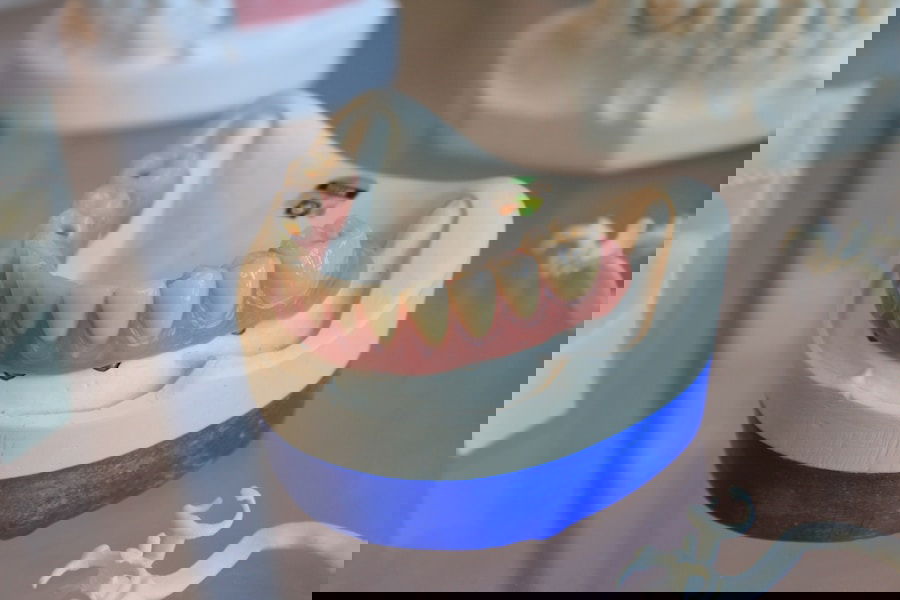
Periodontal disease, commonly referred to as gum disease, is a multifaceted condition that affects the tissues surrounding the teeth. It begins with gingivitis, characterized by inflammation of the gums due to plaque accumulation. If left untreated, gingivitis can progress to periodontitis, a more severe form of the disease that can lead to tooth loss and other systemic health issues.
The primary culprits behind periodontal disease are bacteria that thrive in the oral cavity, forming biofilms on the teeth and gums. These bacteria produce toxins that irritate the gum tissue, leading to inflammation and, ultimately, the destruction of the supporting structures of the teeth. The prevalence of periodontal disease is alarming; studies indicate that nearly half of adults over the age of 30 exhibit some form of gum disease.
Risk factors include poor oral hygiene, genetic predisposition, hormonal changes, and certain medical conditions such as diabetes. The connection between periodontal disease and systemic health is increasingly recognized; research has shown associations between gum disease and conditions like heart disease, stroke, and respiratory diseases. Understanding the pathophysiology of periodontal disease is crucial for both prevention and treatment, as it underscores the importance of maintaining good oral health not just for the sake of one’s teeth but for overall well-being.
Key Takeaways
- Periodontal disease is a serious gum infection that can lead to tooth loss and other health issues if left untreated.
- Proper oral hygiene practices, such as brushing and flossing regularly, are essential for preventing periodontal disease.
- Regular dental check-ups and cleanings are crucial for early detection and treatment of periodontal disease.
- A healthy diet and lifestyle choices, including eating a balanced diet and exercising regularly, can help prevent periodontal disease.
- Avoiding tobacco and excessive alcohol consumption can significantly reduce the risk of developing periodontal disease.
Proper Oral Hygiene Practices
Maintaining proper oral hygiene is the cornerstone of preventing periodontal disease. This involves a daily routine that includes brushing and flossing to remove plaque and food particles from the teeth and gums. The American Dental Association recommends brushing at least twice a day with fluoride toothpaste and using a soft-bristled toothbrush to avoid damaging the enamel or irritating the gums.
It is essential to brush for at least two minutes, ensuring that all surfaces of each tooth are cleaned thoroughly. Many people overlook the importance of the tongue in oral hygiene; bacteria can accumulate on the tongue’s surface, contributing to bad breath and overall oral health issues. Flossing is equally important as it reaches areas that a toothbrush cannot, particularly between teeth and below the gumline.
The technique used in flossing can significantly impact its effectiveness; it is advisable to use a gentle sawing motion to avoid snapping the floss against the gums, which can cause injury. Additionally, incorporating mouthwash into one’s routine can provide an extra layer of protection against bacteria. Antimicrobial mouthwashes can help reduce plaque buildup and gingivitis, while fluoride rinses can strengthen tooth enamel.
By adhering to these practices consistently, individuals can significantly reduce their risk of developing periodontal disease.
Regular Dental Check-ups and Cleanings
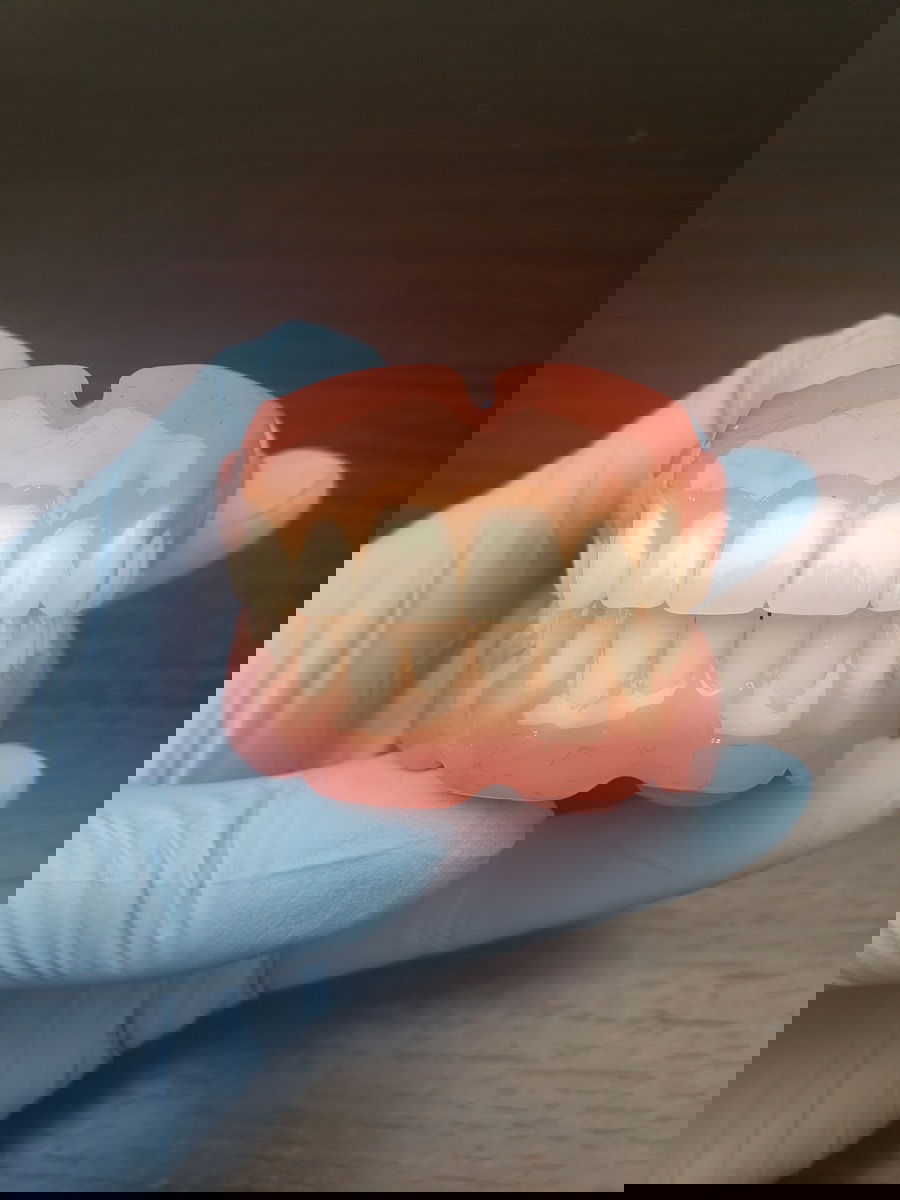
Regular dental check-ups and professional cleanings are vital components in the prevention and management of periodontal disease. Dentists are trained to identify early signs of gum disease that may not be visible to the untrained eye. During these visits, dental professionals perform comprehensive examinations that include checking for gum recession, probing for pockets around teeth, and assessing overall oral health.
Early detection is key; when periodontal disease is caught in its initial stages, it is often reversible with proper care. Professional cleanings, or prophylaxis, involve the removal of tartar and plaque that have hardened on the teeth. This process not only helps prevent gum disease but also promotes overall oral health by reducing the risk of cavities and other dental issues.
The frequency of dental visits may vary based on individual risk factors; those with a history of gum disease may require more frequent cleanings than those with healthy gums. Establishing a relationship with a dental professional allows for personalized care plans that address specific needs and concerns, ensuring optimal oral health over time.
Healthy Diet and Lifestyle Choices
| Metrics | Statistics |
|---|---|
| Obesity Rate | Over 40% of adults in the US are obese |
| Fruit and Vegetable Consumption | Less than 10% of adults eat enough fruits and vegetables |
| Physical Activity | Only 23% of adults meet the federal physical activity guidelines |
| Smoking Rate | 14% of adults in the US smoke cigarettes |
A healthy diet plays a crucial role in maintaining oral health and preventing periodontal disease. Nutrient-rich foods contribute to strong teeth and gums by providing essential vitamins and minerals. For instance, vitamin C is vital for collagen production, which helps maintain the integrity of gum tissue.
Foods rich in vitamin C include citrus fruits, strawberries, bell peppers, and leafy greens. Similarly, calcium is essential for strong teeth; dairy products, almonds, and leafy greens are excellent sources of this mineral. In addition to focusing on nutrient-dense foods, it is equally important to limit sugar intake.
High-sugar diets contribute to plaque formation as sugar serves as food for harmful bacteria in the mouth. When these bacteria metabolize sugar, they produce acids that can erode tooth enamel and lead to gum inflammation. Incorporating whole grains, lean proteins, fruits, and vegetables into one’s diet while minimizing processed foods can create a balanced nutritional profile that supports both oral and overall health.
Furthermore, staying hydrated by drinking plenty of water aids in saliva production, which naturally helps wash away food particles and neutralize acids in the mouth.
Avoiding Tobacco and Alcohol
The detrimental effects of tobacco use on oral health are well-documented; smoking and other forms of tobacco significantly increase the risk of developing periodontal disease. Tobacco products impair blood flow to the gums, which hinders healing and makes it more difficult for the body to fight off infections. Smokers are more likely to experience gum recession and tooth loss compared to non-smokers.
Additionally, tobacco use can mask early signs of gum disease due to reduced blood flow, making it crucial for users to be vigilant about their oral hygiene practices. Alcohol consumption also poses risks to oral health; excessive drinking can lead to dry mouth, which reduces saliva production. Saliva plays a critical role in neutralizing acids produced by bacteria in the mouth and washing away food particles.
Limiting tobacco and alcohol consumption not only benefits oral health but also contributes positively to overall well-being by reducing the risk of various systemic diseases associated with these substances.
Managing Stress

Stress management is an often-overlooked aspect of maintaining good oral health. Chronic stress can lead to behaviors such as teeth grinding (bruxism) or jaw clenching, which can exacerbate periodontal issues by putting additional strain on the gums and supporting structures of the teeth. Furthermore, stress can weaken the immune system, making it more challenging for the body to combat infections, including those affecting the gums.
Incorporating stress-reduction techniques into daily life can have significant benefits for both mental health and oral hygiene. Practices such as mindfulness meditation, yoga, or regular physical activity can help alleviate stress levels. Engaging in hobbies or spending time with loved ones can also provide emotional support and relaxation.
By addressing stress proactively, individuals can mitigate its impact on their oral health while enhancing their overall quality of life.
Using the Right Dental Products
Selecting appropriate dental products is essential for effective oral hygiene practices. Not all toothbrushes are created equal; individuals should choose a toothbrush that fits comfortably in their hand and allows them to reach all areas of their mouth easily. Electric toothbrushes have gained popularity due to their ability to provide consistent brushing motion and often come equipped with timers to ensure adequate brushing time.
Flossing products have also evolved; traditional dental floss may not be suitable for everyone due to dexterity issues or tight spaces between teeth. Alternatives such as floss picks or water flossers can make it easier for individuals to maintain their flossing routine. Additionally, choosing toothpaste with fluoride is crucial for strengthening enamel and preventing cavities.
Some toothpaste formulations also contain ingredients specifically designed to combat gingivitis or sensitivity issues. By carefully selecting dental products tailored to individual needs, one can enhance their oral hygiene routine significantly.
Seeking Professional Help
When it comes to managing periodontal disease or preventing its onset, seeking professional help is paramount. Dental professionals possess the expertise necessary to diagnose gum disease accurately and recommend appropriate treatment options tailored to individual circumstances. For those already experiencing symptoms such as swollen gums or persistent bad breath, timely intervention can prevent further complications.
In cases where periodontal disease has progressed beyond gingivitis, more intensive treatments may be required. These can include scaling and root planing—a deep cleaning procedure that removes tartar from below the gumline—or even surgical interventions in severe cases. Regular consultations with a dentist allow for ongoing monitoring of gum health and adjustments to care plans as needed.
By prioritizing professional dental care alongside personal hygiene practices, individuals can take significant strides toward maintaining optimal oral health throughout their lives.
Periodontal disease is a serious condition that can lead to tooth loss if left untreated. According to a recent article on White Pearl Dental Care, maintaining good oral hygiene is crucial in preventing periodontal disease. Regular dental check-ups and cleanings can help catch any signs of gum disease early on. It is also important to note that orthodontic treatment, such as Invisalign, can help improve oral health by straightening teeth and making them easier to clean. To learn more about the cost of orthodontic treatment and what to expect, check out this article.
FAQs
What is periodontal disease?
Periodontal disease, also known as gum disease, is a chronic inflammatory condition that affects the tissues surrounding the teeth, including the gums and the bone that supports the teeth.
What are the symptoms of periodontal disease?
Symptoms of periodontal disease can include swollen or bleeding gums, persistent bad breath, loose teeth, and receding gums. In advanced stages, it can also cause tooth loss.
What causes periodontal disease?
Periodontal disease is primarily caused by the buildup of plaque, a sticky film of bacteria that forms on the teeth. Other factors such as smoking, hormonal changes, and certain medications can also contribute to the development of periodontal disease.
How is periodontal disease diagnosed?
Periodontal disease is typically diagnosed through a dental examination, which may include measuring the depth of the pockets between the teeth and gums, dental X-rays, and other diagnostic tests.
How is periodontal disease treated?
Treatment for periodontal disease may include professional dental cleanings, scaling and root planing to remove plaque and tartar from the teeth and roots, and in some cases, surgical procedures to repair damaged tissues.
Can periodontal disease be prevented?
Periodontal disease can be prevented by practicing good oral hygiene, including regular brushing and flossing, and by avoiding risk factors such as smoking and poor nutrition. Regular dental check-ups are also important for early detection and treatment of periodontal disease.