Perfecting Smiles: Orthodontic Specialist’s Expertise

Orthodontic specialists play a crucial role in the field of dentistry, focusing on the diagnosis, prevention, and treatment of dental and facial irregularities. Their expertise extends beyond mere aesthetics; they are trained to address complex issues related to the alignment of teeth and jaws, which can significantly impact a person’s overall oral health. The importance of these specialists cannot be overstated, as they contribute to both functional and cosmetic improvements in patients’ smiles.

A well-aligned bite not only enhances appearance but also facilitates better oral hygiene, reduces the risk of tooth decay, and minimizes the likelihood of gum disease. Moreover, orthodontic specialists are equipped with advanced knowledge and skills that general dentists may not possess. They undergo additional years of training specifically focused on orthodontics after completing dental school.

This specialized education allows them to understand the intricacies of tooth movement, jaw development, and facial growth patterns. As a result, they can provide tailored treatment plans that address individual needs, ensuring optimal outcomes for their patients. The significance of their role is further highlighted by the fact that many orthodontic issues can lead to long-term health problems if left untreated, making their expertise essential for maintaining not just a beautiful smile but also overall well-being.

Key Takeaways

  • Orthodontic specialists play a crucial role in improving dental health and overall well-being.
  • Orthodontic specialists are experts in diagnosing and treating misalignments of the teeth and jaws.
  • Orthodontic specialists use advanced techniques and technologies to evaluate and plan personalized treatment for each patient.
  • Seeking treatment from an orthodontic specialist can lead to improved oral health, confidence, and overall quality of life.
  • Orthodontic specialists are at the forefront of using the latest techniques and technologies to provide effective and efficient treatment for their patients.

Understanding the Role of Orthodontic Specialists in Perfecting Smiles

The Art of Tooth Alignment

They utilize various appliances, such as braces and aligners, to gradually shift teeth into their desired positions. This process requires a keen eye for detail and an understanding of how changes in one area can affect the entire dental landscape. For instance, moving a single tooth can influence the alignment of adjacent teeth and even the bite itself.

Education and Empowerment

In addition to their technical skills, orthodontic specialists also serve as educators for their patients. They explain the importance of treatment options and the expected outcomes, helping individuals make informed decisions about their oral health. This educational aspect is vital, as many patients may have misconceptions about orthodontic treatment or may not fully understand the benefits of seeking specialized care.

Achieving Successful Outcomes

By fostering open communication and providing clear explanations, orthodontic specialists empower their patients to take an active role in their treatment journey, ultimately leading to more successful outcomes.

How Orthodontic Specialists Evaluate and Plan Treatment


The evaluation process conducted by orthodontic specialists is thorough and multifaceted. It typically begins with a comprehensive examination that includes clinical assessments, diagnostic imaging, and sometimes even 3D modeling of the patient’s dental structure. This initial evaluation allows the specialist to identify specific issues such as overcrowding, gaps between teeth, or misalignment of the jaw.

The Benefits of Seeking Treatment from an Orthodontic Specialist

Benefits of Seeking Treatment from an Orthodontic Specialist
Improved oral health
Straighter teeth and improved bite
Enhanced self-confidence
Customized treatment plans
Access to advanced orthodontic technology
Expert care and guidance

Choosing to seek treatment from an orthodontic specialist offers numerous advantages that extend beyond achieving a straight smile. One significant benefit is the ability to address underlying dental issues that may not be immediately apparent. For example, misaligned teeth can lead to uneven wear on enamel or jaw pain due to improper bite alignment.

An orthodontic specialist can identify these problems early on and implement corrective measures that prevent further complications down the line. Additionally, orthodontic specialists often have access to a wider range of treatment options compared to general dentists. They are well-versed in various techniques, including traditional metal braces, ceramic braces, lingual braces, and clear aligners like Invisalign.

This variety allows them to recommend solutions that best fit each patient’s lifestyle and preferences. Furthermore, many orthodontic specialists stay updated on the latest advancements in technology and treatment methodologies, ensuring that their patients receive cutting-edge care that is both effective and efficient.

The Latest Techniques and Technologies Used by Orthodontic Specialists

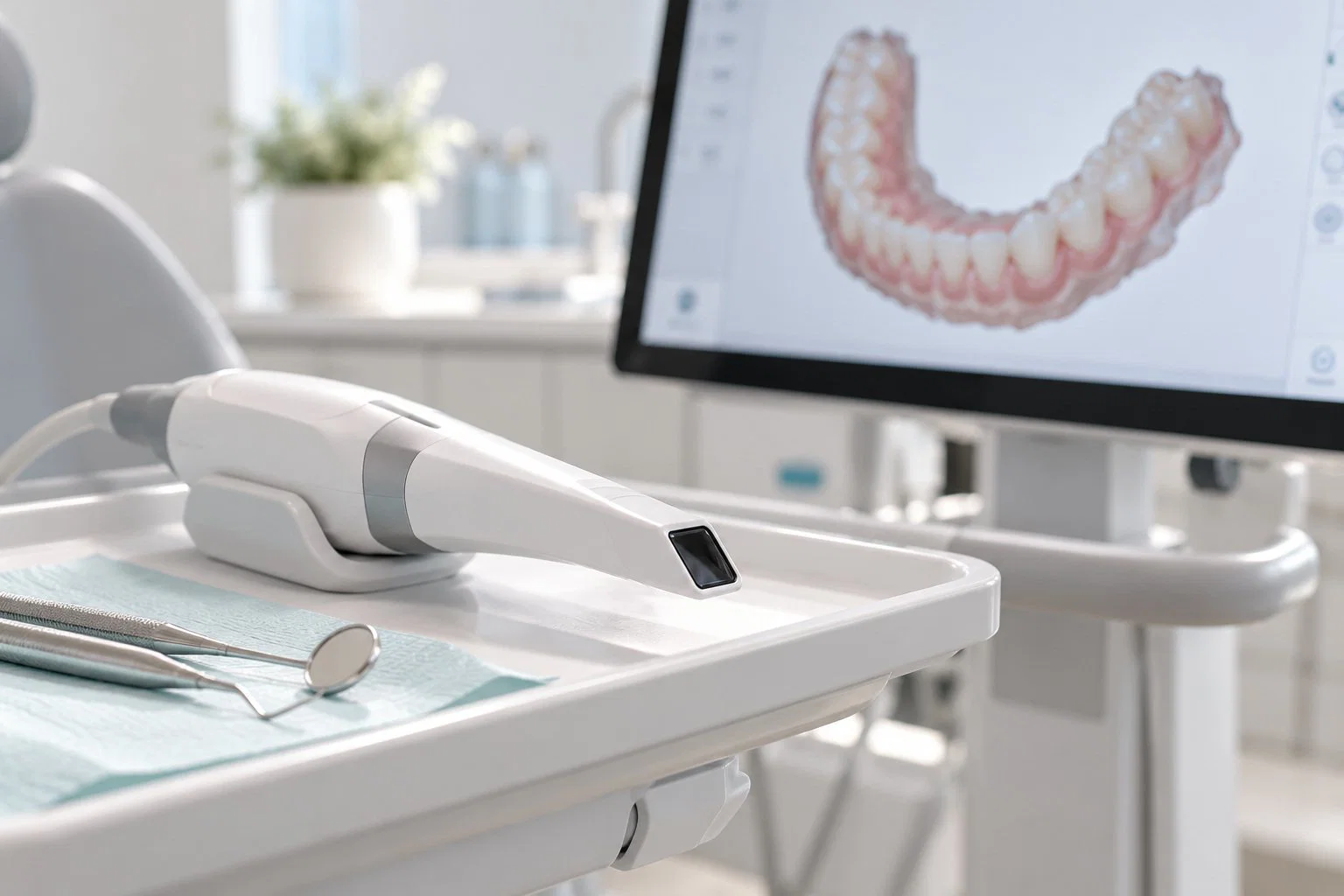
The field of orthodontics has evolved significantly over the years, with advancements in technology leading to more efficient and comfortable treatment options for patients. One notable innovation is the use of digital scanning technology, which allows orthodontic specialists to create precise 3D models of a patient’s teeth without the need for traditional impressions. This not only enhances accuracy but also improves patient comfort by eliminating the mess associated with impression materials.

Another exciting development is the introduction of self-ligating braces, which utilize a specialized clip system instead of elastic bands to hold the archwire in place. This design reduces friction and allows for more efficient tooth movement, often resulting in shorter treatment times and fewer office visits. Additionally, many orthodontic specialists now incorporate computer-aided design (CAD) and computer-aided manufacturing (CAM) technologies into their practices.

These tools enable them to create custom appliances tailored specifically to each patient’s dental anatomy, further enhancing treatment precision.

Common Misconceptions about Orthodontic Treatment

Despite the clear benefits of orthodontic treatment, several misconceptions persist that can deter individuals from seeking care from an orthodontic specialist. One common myth is that orthodontics is only for children and teenagers. While it is true that early intervention can be beneficial for younger patients, adults can also achieve significant improvements in their smiles through orthodontic treatment.

In fact, a growing number of adults are seeking orthodontic care as they recognize its importance for both aesthetic and functional reasons. Another misconception is that orthodontic treatment is excessively painful or uncomfortable. While some discomfort may occur during the initial adjustment period after appliances are placed or adjusted, advancements in technology have made modern treatments much more comfortable than in the past.

Many patients report minimal discomfort during their treatment journey, especially with options like clear aligners that can be removed for eating and cleaning. By addressing these misconceptions through education and open dialogue, orthodontic specialists can encourage more individuals to pursue the care they need for healthier smiles.

The Role of Orthodontic Specialists in Correcting Bite and Jaw Alignment

Orthodontic specialists play a pivotal role in correcting bite issues and jaw alignment problems that can lead to significant health concerns if left unaddressed. Malocclusion—an improper bite—can manifest in various forms, including overbites, underbites, crossbites, and open bites. These conditions not only affect aesthetics but can also lead to functional difficulties such as chewing problems or speech impediments.

Orthodontists are trained to assess these issues comprehensively and devise treatment plans aimed at restoring proper alignment. In many cases, correcting bite issues requires a combination of braces or aligners along with other interventions such as retainers or even surgical options for severe cases. Orthodontic specialists work closely with oral surgeons when necessary to ensure that patients receive comprehensive care tailored to their specific needs.

By addressing bite alignment early on, orthodontists can help prevent more serious complications later in life, such as temporomandibular joint (TMJ) disorders or chronic pain.

Maintaining a Healthy Smile After Orthodontic Treatment

The journey does not end once braces are removed or aligners are completed; maintaining a healthy smile post-treatment is equally important. Orthodontic specialists emphasize the necessity of wearing retainers as prescribed after active treatment concludes. Retainers help stabilize teeth in their new positions and prevent them from shifting back to their original misaligned states.

The duration for which retainers must be worn varies among individuals but typically involves full-time wear initially followed by part-time wear over time. In addition to wearing retainers, maintaining good oral hygiene practices is essential for preserving the results achieved through orthodontic treatment. Patients are encouraged to continue regular dental check-ups and cleanings while also adhering to daily brushing and flossing routines tailored to their specific needs post-treatment.

By following these guidelines and remaining vigilant about oral health care, individuals can enjoy their newly aligned smiles for years to come while minimizing the risk of future dental issues.

If you are considering orthodontic treatment, it is important to choose a specialist who is experienced and knowledgeable in this field. One article that may be helpful in understanding the importance of privacy in dental care is the privacy policy outlined on the White Pearl Dental Care website. This policy ensures that your personal information is protected and kept confidential throughout your treatment. To learn more about the services offered by orthodontic specialists, you can visit their services page. Additionally, their blog may provide valuable insights and tips on orthodontic treatment options and maintenance.

Book Now

FAQs

What is an orthodontic specialist?

An orthodontic specialist is a dentist who has completed additional training and education in the field of orthodontics. They specialize in diagnosing, preventing, and correcting misaligned teeth and jaws.

What does an orthodontic specialist do?

An orthodontic specialist is responsible for designing and implementing treatment plans to straighten teeth, correct bite issues, and improve overall oral health. They may use braces, aligners, and other orthodontic appliances to achieve these goals.

How does an orthodontic specialist differ from a general dentist?

While both orthodontic specialists and general dentists have similar foundational education, orthodontic specialists have completed additional training specifically focused on orthodontics. They have expertise in diagnosing and treating complex orthodontic issues.

When should I see an orthodontic specialist?

It is recommended to see an orthodontic specialist if you or your child have concerns about the alignment of the teeth or jaws. Common reasons to seek orthodontic treatment include crooked teeth, overcrowding, overbite, underbite, and other bite issues.

How long does it take to become an orthodontic specialist?

Becoming an orthodontic specialist typically requires completing a dental degree followed by an additional 2-3 years of specialized training in orthodontics. This training includes clinical experience and coursework focused on orthodontic treatment.

Leave a Comment