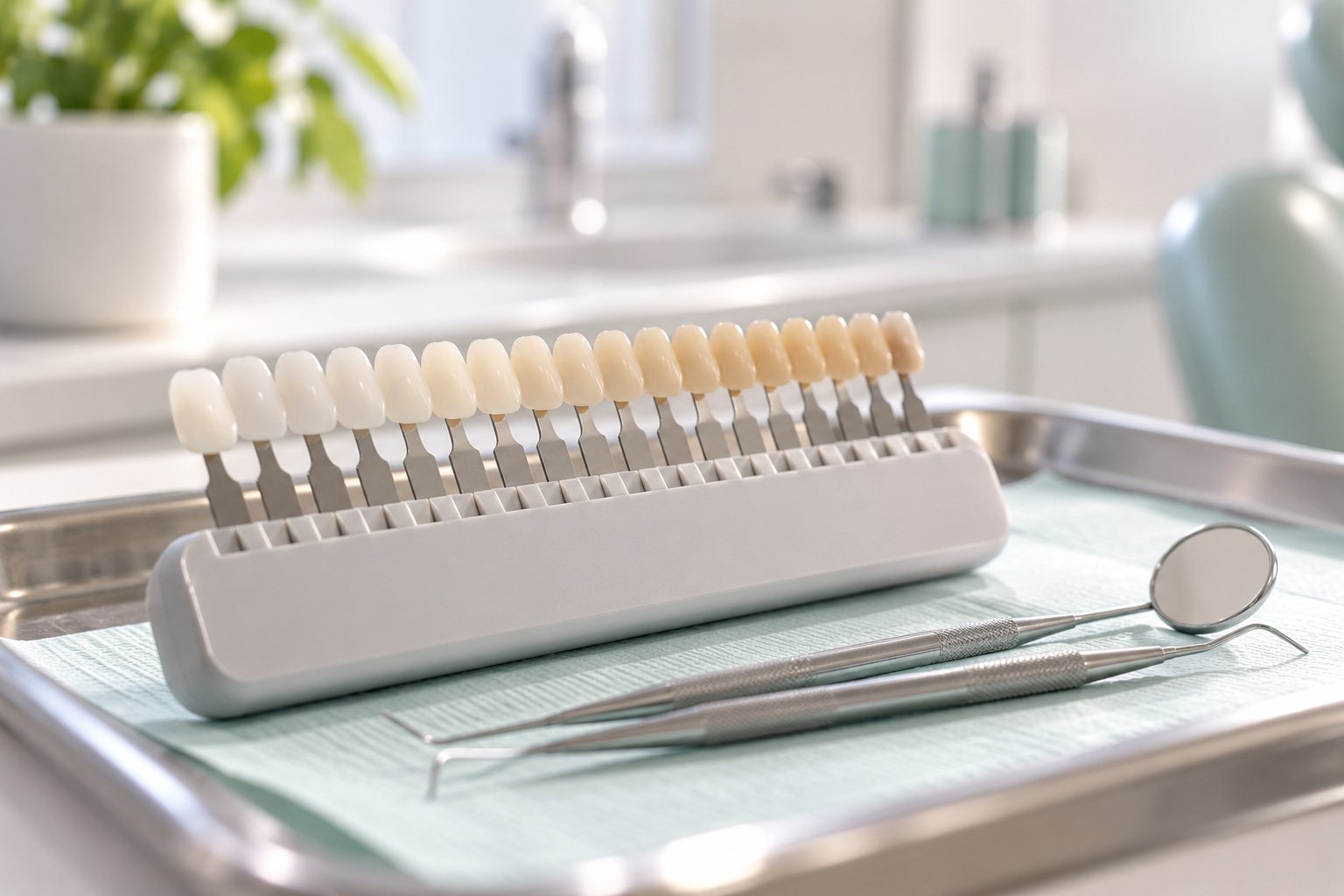
Teeth whitening has become an increasingly popular cosmetic dental procedure, with many individuals seeking brighter smiles to enhance their overall appearance. The results of teeth whitening can vary significantly based on several factors, including the method used, the initial shade of the teeth, and individual oral hygiene practices. Professional treatments, such as in-office bleaching, often yield immediate and dramatic results, while at-home kits may take longer to show noticeable changes.
Understanding the nuances of these results is essential for anyone considering teeth whitening, as it helps set realistic expectations and encourages proper maintenance of the achieved brightness. The effectiveness of teeth whitening can also be influenced by the underlying causes of discoloration. Extrinsic stains, which are typically caused by food, beverages, and smoking, can often be treated effectively with whitening products.
In contrast, intrinsic stains, which originate from within the tooth due to factors like aging or trauma, may require more specialized treatments. Therefore, it is crucial for individuals to assess their specific dental needs and consult with a dental professional to determine the most suitable whitening approach for their unique situation.
Key Takeaways
- Teeth whitening can provide noticeable results and improve the appearance of your smile.
- Proper oral hygiene, including regular brushing and flossing, is essential for maintaining teeth whitening results.
- Regular dental check-ups are important for monitoring the health of your teeth and maintaining whitening results.
- Staining foods and beverages such as coffee, tea, and red wine can diminish teeth whitening results.
- Using whitening toothpaste and mouthwash can help maintain and enhance teeth whitening results.
Tips for Proper Oral Hygiene
Brushing Techniques Matter
Employing the correct brushing technique is vital for effective cleaning and enamel protection. Using gentle circular motions rather than aggressive back-and-forth strokes can help protect enamel while cleaning the teeth.
Flossing: A Crucial Step
Flossing daily is another critical component of oral hygiene that many people overlook. Flossing removes food particles and plaque from between the teeth and along the gum line, areas that a toothbrush cannot reach. Neglecting this step can lead to gum disease and cavities, which can ultimately affect the appearance of your smile.
Additional Tools for Optimal Oral Hygiene
Mouthwash can also be a beneficial addition to your oral care routine, as it helps to kill bacteria and freshen breath. Choosing an antibacterial mouthwash can further enhance your oral hygiene efforts by reducing plaque buildup and promoting healthier gums.
Importance of Regular Dental Check-ups

Regular dental check-ups play a vital role in maintaining oral health and achieving optimal teeth whitening results. Dentists can identify potential issues early on, such as cavities or gum disease, which can hinder the effectiveness of whitening treatments. During these visits, dental professionals can also provide personalized advice on the best whitening options based on an individual’s dental history and current condition.
This tailored approach ensures that patients receive the most effective care while minimizing risks associated with whitening procedures. Moreover, professional cleanings performed during check-ups help remove tartar buildup that regular brushing and flossing cannot eliminate. This cleaning not only enhances the appearance of teeth but also prepares them for any whitening treatments by creating a clean surface for the products to work effectively.
By committing to regular dental visits—typically every six months—individuals can maintain their oral health and maximize the longevity of their whitening results.
Avoiding Staining Foods and Beverages
| Staining Foods and Beverages | Impact |
|---|---|
| Coffee | High |
| Red Wine | High |
| Tea | Medium |
| Beets | High |
| Soy Sauce | High |
Diet plays a significant role in the maintenance of a bright smile, as certain foods and beverages are notorious for causing stains on teeth. Dark-colored drinks such as coffee, tea, red wine, and cola are among the primary culprits that can lead to discoloration over time. These beverages contain chromogens—pigment-producing compounds—that adhere to tooth enamel and create unsightly stains.
To mitigate this effect, individuals should consider limiting their consumption of these items or using straws to minimize contact with teeth. In addition to beverages, certain foods can also contribute to staining. Berries, soy sauce, and tomato-based sauces are examples of foods that can leave marks on teeth if consumed frequently.
While it may not be feasible to eliminate these items entirely from one’s diet, practicing moderation and following up with proper oral hygiene after consumption can help reduce their staining effects. Rinsing the mouth with water after eating or drinking staining substances can also help wash away pigments before they have a chance to adhere to enamel.
Using Whitening Toothpaste and Mouthwash
Incorporating whitening toothpaste into your daily oral care routine can be an effective way to maintain a bright smile between professional whitening treatments. These specialized toothpastes often contain mild abrasives that help remove surface stains while also containing chemical agents that can lighten tooth color over time. However, it is essential to choose a product that is approved by dental associations to ensure safety and effectiveness.
Whitening mouthwashes can complement toothpaste by providing additional stain-fighting properties. Many mouthwashes contain hydrogen peroxide or other whitening agents that help break down stains on the surface of teeth. Using these products regularly can enhance the overall brightness of your smile while also promoting fresh breath and improved oral hygiene.
However, it is important to note that while these products can help maintain whiteness, they may not deliver results as dramatic as professional treatments.
Incorporating Fruits and Vegetables into Your Diet

A diet rich in fruits and vegetables not only supports overall health but can also contribute positively to dental aesthetics. Crunchy fruits and vegetables like apples, carrots, and celery act as natural abrasives that help scrub away plaque and surface stains while stimulating saliva production. Saliva plays a crucial role in neutralizing acids produced by bacteria in the mouth, thus protecting enamel from erosion and discoloration.
Certain fruits are particularly beneficial for maintaining white teeth due to their high water content and natural acidity. Strawberries, for example, contain malic acid, which has been shown to have mild whitening properties. Pineapple contains bromelain, an enzyme that helps break down proteins in plaque, making it easier to remove stains from teeth.
By incorporating a variety of colorful fruits and vegetables into your diet, you not only enhance your overall health but also support your efforts in achieving and maintaining a bright smile.
Limiting Tobacco and Alcohol Consumption
Tobacco use is one of the leading causes of tooth discoloration and other serious oral health issues. The tar and nicotine found in tobacco products can lead to deep-set stains that are difficult to remove with standard whitening treatments. Moreover, smoking contributes to gum disease and other complications that can further compromise dental aesthetics.
Quitting tobacco not only improves overall health but also significantly enhances the chances of maintaining a bright smile. Alcohol consumption, particularly red wine and dark beers, can also contribute to staining over time. The pigments in these beverages can adhere to tooth enamel and lead to discoloration if consumed frequently.
Limiting alcohol intake or opting for lighter-colored drinks can help mitigate these effects. Additionally, practicing good oral hygiene after consuming tobacco or alcohol—such as rinsing with water or brushing—can further reduce the risk of staining.
The Benefits of Drinking Water
Drinking water is one of the simplest yet most effective ways to maintain oral health and support teeth whitening efforts. Water helps wash away food particles and bacteria that can lead to plaque buildup and staining. Staying hydrated also promotes saliva production, which is essential for neutralizing acids in the mouth and protecting enamel from erosion.
In addition to its cleansing properties, water serves as an excellent alternative to sugary beverages that contribute to tooth decay and discoloration. By choosing water over soda or fruit juices, individuals can significantly reduce their risk of developing cavities while simultaneously supporting their efforts in achieving a whiter smile. Drinking water after meals or snacks can help rinse away any residual sugars or pigments that may cling to teeth.
Using Touch-up Whitening Products
For those who have undergone professional teeth whitening treatments but wish to maintain their results over time, touch-up whitening products can be invaluable. These products typically come in the form of strips or gels that are designed for at-home use and allow individuals to refresh their smiles as needed. They are particularly useful for addressing minor stains that may develop between professional treatments.
When selecting touch-up products, it is essential to choose those that are safe for enamel and have been recommended by dental professionals. Overuse of whitening products can lead to tooth sensitivity or damage if not used correctly. Following the instructions provided with these products is crucial for achieving optimal results without compromising dental health.
Understanding the Effects of Aging on Teeth
As individuals age, various changes occur within the mouth that can affect the appearance of teeth. Enamel naturally wears down over time due to factors such as diet, oral hygiene practices, and environmental influences. This thinning enamel exposes more of the underlying dentin layer, which is darker in color than enamel, leading to an overall yellowing effect on teeth.
Additionally, intrinsic factors such as genetics and certain medications can contribute to changes in tooth color as one ages. For instance, some medications may cause discoloration as a side effect or affect saliva production, leading to dry mouth—a condition that increases the risk of cavities and staining. Understanding these age-related changes is essential for developing effective strategies for maintaining a bright smile throughout life.
Consulting with a Dentist for Professional Advice
Consulting with a dentist is crucial for anyone considering teeth whitening or seeking advice on maintaining a bright smile.
They can provide insights into which whitening methods are most effective based on factors such as tooth sensitivity, existing dental work (like crowns or veneers), and personal preferences.
Moreover, dentists can offer guidance on maintaining results post-whitening through personalized oral hygiene plans and dietary recommendations. Regular consultations ensure that any potential issues are addressed promptly while providing ongoing support for achieving long-lasting results in dental aesthetics. By prioritizing professional advice in conjunction with at-home care practices, individuals can enjoy brighter smiles with confidence.
If you’re looking to maintain your bright smile after teeth whitening, it’s important to also take care of your oral health. One helpful article to check out is Tips for Smooth Wisdom Teeth Recovery. This article provides valuable advice on how to care for your mouth after wisdom teeth removal, ensuring a smooth and comfortable recovery process. By following these tips, you can continue to enjoy your newly whitened smile while also promoting overall oral health.
FAQs
What is teeth whitening maintenance?
Teeth whitening maintenance refers to the practices and products used to preserve and prolong the results of a professional teeth whitening treatment or at-home whitening regimen.
Why is teeth whitening maintenance important?
Teeth whitening maintenance is important to prevent the reoccurrence of stains and discoloration on the teeth. It helps to keep the teeth looking bright and white for a longer period of time.
What are some common methods of teeth whitening maintenance?
Common methods of teeth whitening maintenance include using whitening toothpaste, whitening mouthwash, touch-up whitening treatments, avoiding staining foods and drinks, and regular dental cleanings.
How often should I maintain my teeth whitening treatment?
The frequency of teeth whitening maintenance varies depending on the individual and the method used. It is generally recommended to use whitening toothpaste and mouthwash daily, and to schedule touch-up treatments as needed.
Are there any side effects of teeth whitening maintenance?
Some people may experience tooth sensitivity or gum irritation when using certain whitening products. It is important to follow the instructions and consult with a dentist if any adverse effects occur.
Can I maintain teeth whitening at home?
Yes, there are many at-home teeth whitening maintenance products available, such as whitening toothpaste, mouthwash, and touch-up treatments. It is important to follow the instructions and use these products as directed for best results.