
An orthodontist is a dental specialist who focuses on diagnosing, preventing, and treating dental and facial irregularities. This branch of dentistry is dedicated to correcting misaligned teeth and jaws, which can lead to a variety of functional and aesthetic issues. Orthodontists undergo extensive training beyond dental school, typically completing an additional two to three years of specialized education in orthodontics.
This advanced training equips them with the skills necessary to understand complex dental structures and the mechanics of tooth movement. The primary goal of an orthodontist is to enhance the alignment of teeth and jaws, thereby improving both function and appearance.
Orthodontists also play a crucial role in educating patients about oral health and the importance of maintaining proper alignment throughout their lives. Their expertise not only contributes to a beautiful smile but also promotes overall dental health, as misaligned teeth can lead to issues such as tooth decay, gum disease, and jaw pain.
Key Takeaways
- An orthodontist is a dental specialist who focuses on the alignment of teeth and jaws.
- Orthodontic treatment is important for improving oral health, function, and aesthetics.
- Common orthodontic issues include crooked teeth, overcrowding, overbite, underbite, and misaligned jaws.
- Orthodontists play a crucial role in improving smiles by using various techniques and appliances to straighten teeth and correct bite issues.
- The process of orthodontic treatment involves initial consultation, treatment planning, appliance placement, and regular adjustments.
The Importance of Orthodontic Treatment
Orthodontic treatment is vital for several reasons, primarily revolving around the enhancement of oral health and aesthetics. Misaligned teeth can create difficulties in maintaining proper oral hygiene, as crowded or crooked teeth are harder to clean effectively. This can lead to an increased risk of cavities and periodontal disease.
By correcting these misalignments, orthodontic treatment facilitates better oral hygiene practices, ultimately contributing to long-term dental health. Moreover, the psychological benefits of orthodontic treatment cannot be overlooked. A straight, well-aligned smile can significantly boost an individual’s self-esteem and confidence.
Many people feel more comfortable in social situations when they are proud of their smiles. This psychological aspect is particularly important for children and adolescents, who may face social pressures related to their appearance. By investing in orthodontic treatment, individuals not only improve their dental health but also enhance their quality of life through increased self-assurance.
Common Orthodontic Issues
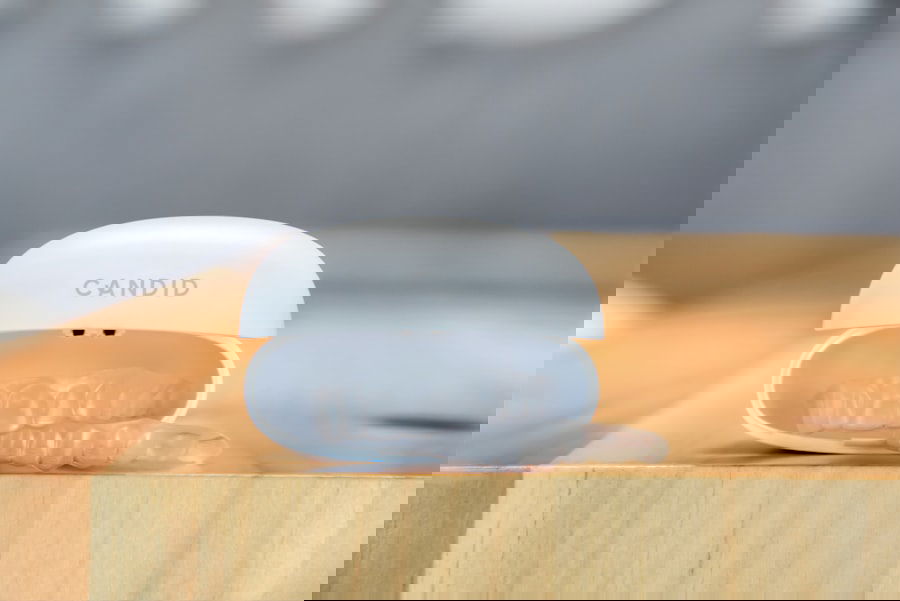
Several common orthodontic issues can affect individuals of all ages. One prevalent problem is crowding, which occurs when there is insufficient space in the jaw for all the teeth to fit properly. This can lead to overlapping teeth and difficulties in cleaning, increasing the risk of dental problems.
Another common issue is spacing, where there are gaps between teeth due to missing teeth or natural variations in tooth size. Both crowding and spacing can be effectively addressed through various orthodontic treatments. Another significant concern is malocclusion, which refers to the misalignment of the upper and lower teeth when the mouth is closed.
There are different types of malocclusion, including overbites, underbites, and crossbites. An overbite occurs when the upper front teeth significantly overlap the lower front teeth, while an underbite is characterized by the lower teeth protruding beyond the upper teeth. Crossbites occur when one or more upper teeth bite inside the lower teeth.
Each of these conditions can lead to functional issues such as difficulty chewing or speaking, as well as aesthetic concerns that may affect an individual’s confidence.
The Role of an Orthodontist in Improving Smiles
| Metrics | Data |
|---|---|
| Number of Orthodontic Patients | Thousands of patients seek orthodontic treatment each year |
| Types of Orthodontic Treatments | Braces, clear aligners, retainers, and other orthodontic appliances |
| Improvement in Smile Aesthetics | Orthodontic treatment can significantly improve smile aesthetics |
| Impact on Self-Confidence | Many patients report increased self-confidence after orthodontic treatment |
| Orthodontic Success Rate | High success rate in achieving desired smile improvements |
Orthodontists play a pivotal role in transforming smiles through their specialized knowledge and skills. They begin by conducting comprehensive assessments that include clinical examinations, X-rays, and photographs to evaluate a patient’s dental structure and alignment. Based on this information, they develop personalized treatment plans tailored to each individual’s needs.
This meticulous approach ensures that every aspect of a patient’s dental health is considered before initiating treatment. Once a treatment plan is established, orthodontists utilize various appliances to guide teeth into their desired positions. They monitor progress closely throughout the treatment process, making adjustments as necessary to ensure optimal results.
The role of an orthodontist extends beyond just straightening teeth; they also educate patients about proper oral hygiene practices during treatment and provide guidance on maintaining results post-treatment. Their expertise not only leads to improved aesthetics but also enhances overall oral function, allowing patients to enjoy better chewing efficiency and speech clarity.
The Process of Orthodontic Treatment
The journey through orthodontic treatment typically begins with an initial consultation where the orthodontist evaluates the patient’s dental condition and discusses potential treatment options. This first visit often includes diagnostic imaging such as X-rays and impressions of the teeth to create a comprehensive picture of the patient’s oral health. After this assessment, the orthodontist will present a customized treatment plan that outlines the recommended approach, duration of treatment, and associated costs.
Once the patient agrees to proceed, the next step involves placing the orthodontic appliances. For traditional braces, this includes bonding brackets to each tooth and threading archwires through them. For clear aligners like Invisalign, a series of custom-made aligners are created based on digital scans or impressions taken during the initial visit.
Throughout the treatment process, regular follow-up appointments are scheduled to monitor progress and make necessary adjustments. The duration of treatment can vary widely depending on individual needs but typically ranges from several months to a few years.
Types of Orthodontic Appliances

Orthodontic appliances come in various forms, each designed to address specific dental issues effectively. Traditional metal braces are perhaps the most recognizable type; they consist of brackets bonded to each tooth connected by archwires that apply pressure to gradually shift teeth into alignment. These braces are highly effective for a wide range of orthodontic problems and are often used for both children and adults.
In addition to metal braces, there are also ceramic braces that offer a more aesthetic option by using tooth-colored materials that blend with natural teeth. Lingual braces are another alternative; they are placed on the back side of the teeth, making them virtually invisible from the front. For patients seeking a more discreet option altogether, clear aligners like Invisalign have gained popularity due to their removable nature and transparent appearance.
Each type of appliance has its advantages and considerations, making it essential for patients to discuss their preferences with their orthodontist to determine the best fit for their needs.
Benefits of Orthodontic Treatment
The benefits of orthodontic treatment extend far beyond mere aesthetics; they encompass a wide range of physical and psychological advantages as well. One significant benefit is improved oral health. Properly aligned teeth are easier to clean, reducing the risk of cavities and gum disease.
Additionally, correcting bite issues can alleviate stress on jaw joints and muscles, potentially reducing headaches and discomfort associated with temporomandibular joint (TMJ) disorders. Psychologically, individuals who undergo orthodontic treatment often experience enhanced self-esteem and confidence levels. A straight smile can positively impact social interactions and professional opportunities.
Many people report feeling more comfortable smiling openly after completing their orthodontic journey. Furthermore, studies have shown that individuals with straight teeth are often perceived as more attractive and successful by others, which can influence personal relationships and career advancements.
The Importance of Early Orthodontic Intervention
Early orthodontic intervention is crucial for identifying potential issues before they develop into more significant problems later in life. The American Association of Orthodontists recommends that children have their first orthodontic evaluation by age seven. At this age, an orthodontist can assess the growth patterns of the jaw and identify any existing or potential alignment issues.
Intervening early allows for timely corrective measures that can guide proper jaw development and reduce the need for more extensive treatments later on. For instance, if a child has severe crowding or an overbite at a young age, early intervention may involve using space maintainers or other appliances to create room for permanent teeth or correct jaw growth patterns. By addressing these issues early on, parents can help ensure that their children have healthier smiles as they grow.
Orthodontic Treatment for Adults
Orthodontic treatment is not limited to children; an increasing number of adults are seeking orthodontic care to improve their smiles at any age. Many adults may have missed out on treatment during childhood due to various reasons such as financial constraints or lack of awareness about orthodontics. Today’s advancements in technology have made it easier than ever for adults to pursue treatment options that fit their lifestyles.
Adult patients often prefer discreet options like clear aligners or ceramic braces that blend with their natural teeth. Additionally, many orthodontists offer accelerated treatment options that can significantly reduce the time required for achieving desired results. Adult orthodontics not only addresses aesthetic concerns but also improves overall oral health by correcting long-standing issues that may have led to discomfort or functional difficulties over time.
Finding the Right Orthodontist for You
Choosing the right orthodontist is a critical step in ensuring a successful treatment experience. Patients should consider several factors when selecting an orthodontist, including qualifications, experience, and patient reviews. It’s essential to look for an orthodontist who is board-certified and has completed specialized training in orthodontics after dental school.
Additionally, prospective patients should schedule consultations with multiple orthodontists before making a decision. During these consultations, individuals can ask questions about treatment options, expected outcomes, costs, and payment plans. Observing the office environment and staff interactions can also provide insight into the practice’s overall atmosphere and patient care philosophy.
Maintaining Your Smile After Orthodontic Treatment
Once orthodontic treatment is complete, maintaining that beautiful smile requires ongoing commitment from patients. Retainers play a crucial role in this phase; they help keep teeth in their new positions after braces or aligners have been removed. Orthodontists typically provide specific instructions regarding how long retainers should be worn daily and when they can be transitioned to nighttime use only.
Regular dental check-ups are essential for monitoring oral health post-treatment and addressing any potential issues early on. By adhering to these guidelines and maintaining regular communication with their orthodontist, patients can enjoy their new smiles for years to come while minimizing the risk of relapse into previous alignment issues.
If you’re considering orthodontic treatment, it’s essential to understand the financial aspects involved. For a detailed overview of what to expect regarding costs, you can read the article on the cost of orthodontic treatment. This resource provides valuable insights that can help you plan your budget effectively while working towards achieving that perfect smile.
FAQs
What is an orthodontist?
An orthodontist is a dental specialist who focuses on the diagnosis, prevention, and treatment of dental and facial irregularities. They are specifically trained to correct misaligned teeth and jaws using braces, aligners, and other orthodontic appliances.
What does an orthodontist do?
Orthodontists primarily work to straighten teeth, correct bite issues, and improve the overall alignment of the teeth and jaws. They use various orthodontic treatments such as braces, retainers, and clear aligners to achieve these goals.
When should someone see an orthodontist?
It is recommended to have an orthodontic evaluation by the age of 7, as this is the time when potential orthodontic issues can be identified and addressed early. However, orthodontic treatment can be sought at any age if there are concerns about the alignment of the teeth or jaws.
How long does orthodontic treatment typically last?
The duration of orthodontic treatment varies depending on the individual’s specific orthodontic needs. On average, treatment with braces or aligners can last anywhere from 18 months to 3 years. However, the length of treatment can be shorter or longer based on the complexity of the case.
What are the benefits of seeing an orthodontist?
Seeking treatment from an orthodontist can result in improved dental and facial aesthetics, better oral function, and a healthier smile. Orthodontic treatment can also help prevent dental problems such as tooth decay, gum disease, and jaw joint disorders.