
Orthodontic surgery, often referred to as orthognathic surgery, is a specialized surgical procedure aimed at correcting skeletal and dental irregularities, including misaligned jaws and teeth. This type of surgery is typically performed by oral and maxillofacial surgeons in conjunction with orthodontic treatment. The primary goal of orthodontic surgery is to improve the function of the jaw and teeth, which can significantly enhance a person’s overall quality of life.
It is important to note that orthodontic surgery is not merely cosmetic; it addresses functional issues that can lead to difficulties in chewing, speaking, and even breathing. The need for orthodontic surgery often arises from congenital conditions, trauma, or developmental issues that result in jaw discrepancies. For instance, individuals with an overbite or underbite may find that their teeth do not align properly, leading to uneven wear and tear on the enamel.
In some cases, patients may also experience chronic pain or discomfort due to jaw misalignment. Orthodontic surgery can rectify these issues by repositioning the jaw into a more functional and aesthetically pleasing alignment. This surgical intervention is usually preceded by a comprehensive orthodontic evaluation, which includes diagnostic imaging and treatment planning to ensure optimal outcomes.
Key Takeaways
- Orthodontic surgery is a specialized branch of dentistry that focuses on correcting jaw and facial irregularities.
- Orthodontic surgery can improve the appearance of the smile, enhance facial symmetry, and correct bite issues.
- Candidates for orthodontic surgery are individuals with severe jaw misalignment, facial asymmetry, or bite problems that cannot be corrected with braces alone.
- The process of orthodontic surgery involves a comprehensive evaluation, treatment planning, and the actual surgical procedure, which may include jaw repositioning or bone grafting.
- Recovery and aftercare for orthodontic surgery may involve a liquid diet, pain management, and follow-up appointments with the orthodontic surgeon.
Benefits of Orthodontic Surgery for Smile Improvement
One of the most significant benefits of orthodontic surgery is the enhancement of a person’s smile. A well-aligned jaw and teeth can dramatically improve facial aesthetics, leading to increased self-esteem and confidence. Many individuals who undergo this procedure report feeling more comfortable in social situations and are more likely to smile freely without self-consciousness about their dental appearance.
The psychological impact of a beautiful smile should not be underestimated; it can influence personal relationships, professional opportunities, and overall happiness. Beyond aesthetic improvements, orthodontic surgery also offers functional benefits that contribute to better oral health. Properly aligned jaws facilitate more effective chewing and speaking, reducing the risk of dental issues such as tooth decay and gum disease.
For example, when teeth are misaligned, certain areas may be subjected to excessive pressure during chewing, leading to cracks or fractures over time. By correcting these misalignments through surgery, patients can enjoy improved oral function and longevity of their teeth. Furthermore, many patients experience relief from chronic pain associated with temporomandibular joint (TMJ) disorders after undergoing orthodontic surgery, as the realignment can alleviate undue stress on the jaw joints.
Who is a Candidate for Orthodontic Surgery?
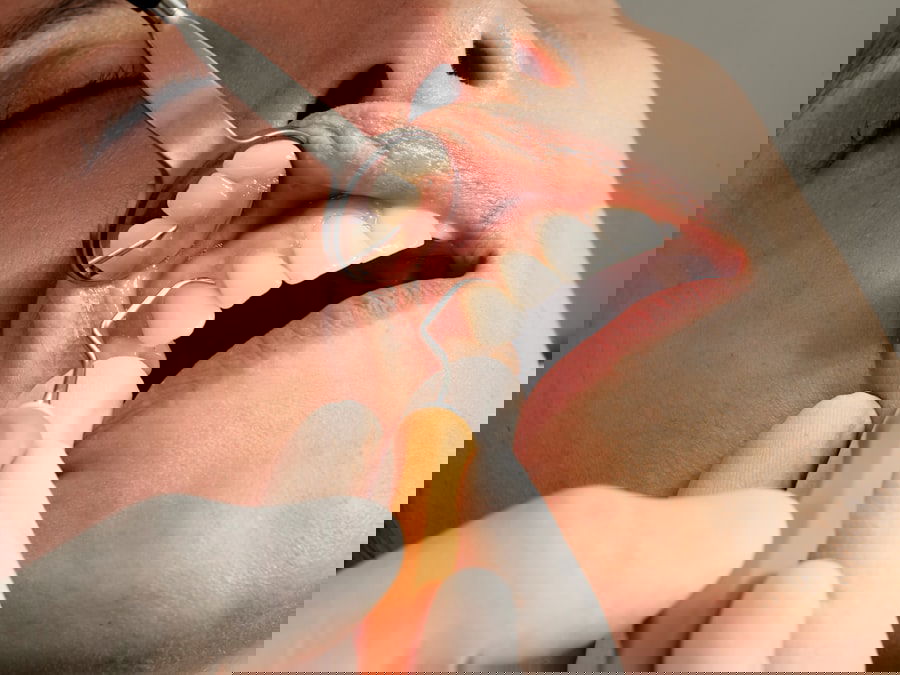
Candidates for orthodontic surgery typically include individuals with significant jaw discrepancies that cannot be corrected through traditional orthodontic methods alone. Common indicators for surgical intervention include severe overbites, underbites, crossbites, or open bites that affect the alignment of the teeth and jaws. Additionally, those who have experienced trauma resulting in jaw misalignment or individuals with congenital conditions such as cleft lip and palate may also be suitable candidates for this type of surgery.
It is essential for potential candidates to undergo a thorough evaluation by both an orthodontist and an oral surgeon. This assessment will involve diagnostic imaging such as X-rays and 3D scans to determine the extent of the misalignment and to develop a tailored treatment plan. Age can also play a role in candidacy; while adolescents may benefit from early intervention, adults can also achieve successful outcomes with proper planning.
Ultimately, the decision to proceed with orthodontic surgery should be made collaboratively between the patient and their healthcare team, taking into account individual needs and expectations. Source: American Association of Oral and Maxillofacial Surgeons
The Process of Orthodontic Surgery
| Stage | Description |
|---|---|
| Consultation | Initial meeting with orthodontist to discuss treatment options and create a plan. |
| Preparation | Orthodontist takes X-rays, photos, and impressions of the teeth to create a treatment plan. |
| Placement | Orthodontist places braces or other orthodontic appliances on the teeth. |
| Adjustments | Regular appointments to adjust braces and monitor progress. |
| Removal | Braces are removed and retainers may be provided to maintain the new position of the teeth. |
The process of orthodontic surgery typically begins with a comprehensive consultation where the patient’s dental history is reviewed, and specific concerns are addressed. Following this initial meeting, diagnostic imaging is conducted to assess the alignment of the jaws and teeth accurately. Once the necessary information is gathered, a detailed treatment plan is formulated that outlines the surgical approach and any pre-surgical orthodontic work that may be required.
Pre-surgical orthodontics often involves wearing braces for several months to align the teeth in preparation for surgery. This phase is crucial as it helps create space for the jaw to be repositioned effectively during the surgical procedure. Once the teeth are adequately aligned, the surgical phase can commence.
The actual surgery usually takes several hours and is performed under general anesthesia. During the procedure, incisions are made inside the mouth to access the jawbone, which is then repositioned according to the treatment plan. In some cases, bone grafts may be necessary to ensure stability and proper healing.
Post-surgery, patients are typically monitored in a recovery area before being discharged home with specific aftercare instructions. The entire process from initial consultation through recovery can span several months to years, depending on individual circumstances and treatment complexity.
Recovery and Aftercare for Orthodontic Surgery
Recovery from orthodontic surgery varies from patient to patient but generally involves a period of swelling and discomfort that can last several days to weeks. Patients are often prescribed pain medication to manage any discomfort during this time. It is common for individuals to experience swelling around the face and jaw area post-surgery; however, this typically subsides within a few weeks as healing progresses.
Aftercare is a critical component of recovery following orthodontic surgery. Patients are advised to follow a soft food diet initially to avoid putting undue stress on the healing jaw. Foods such as yogurt, smoothies, mashed potatoes, and soups are recommended during this period.
Additionally, maintaining proper oral hygiene is essential; patients should be instructed on how to clean their mouths gently without disturbing surgical sites. Regular follow-up appointments with both the oral surgeon and orthodontist are necessary to monitor healing progress and make any adjustments to post-operative care as needed. As recovery continues, patients may gradually reintroduce solid foods into their diet as tolerated.
Physical activity should also be limited during the initial recovery phase to prevent complications. Most patients can return to their normal activities within a few weeks; however, full recovery may take several months as bone healing occurs.
Risks and Complications of Orthodontic Surgery

Like any surgical procedure, orthodontic surgery carries inherent risks and potential complications that patients should be aware of before proceeding. Common risks include infection at the surgical site, excessive bleeding, or adverse reactions to anesthesia. While these complications are relatively rare, they can occur and may require additional medical intervention.
Another potential complication is nerve damage, which can lead to temporary or permanent changes in sensation around the mouth or chin area. Patients may experience numbness or tingling following surgery; however, most cases resolve as healing progresses. Additionally, there is a risk that the desired outcome may not be achieved fully due to factors such as inadequate bone healing or improper alignment during surgery.
In such cases, further corrective procedures may be necessary. It is crucial for patients to discuss these risks thoroughly with their healthcare team prior to surgery. Understanding potential complications allows individuals to make informed decisions about their treatment options and prepares them for what to expect during recovery.
Cost of Orthodontic Surgery
The cost of orthodontic surgery can vary significantly based on several factors including geographic location, complexity of the case, and whether additional procedures are required. On average, patients can expect to pay anywhere from $20,000 to $40,000 for comprehensive treatment that includes both surgical intervention and pre- or post-operative orthodontics. This price range typically encompasses consultations, imaging studies, surgical fees, anesthesia costs, and follow-up care.
Insurance coverage for orthodontic surgery varies widely among providers; some plans may cover a portion of the costs associated with medically necessary procedures while others may not provide any coverage at all for elective surgeries. Patients are encouraged to check with their insurance providers regarding specific coverage details and potential out-of-pocket expenses before proceeding with treatment. Financing options are often available through dental practices or third-party lenders that specialize in medical financing.
Many practices offer payment plans that allow patients to spread out costs over time, making it more manageable for those who may not have immediate access to funds.
Finding the Right Orthodontic Surgeon
Selecting an appropriate orthodontic surgeon is a critical step in ensuring successful outcomes from orthognathic surgery. Patients should seek out board-certified oral and maxillofacial surgeons who have extensive experience in performing these specialized procedures. Recommendations from general dentists or orthodontists can be invaluable in identifying qualified professionals.
When evaluating potential surgeons, it is essential for patients to review their credentials, including education, training, and any specialized certifications related to orthognathic surgery. Additionally, examining before-and-after photos of previous patients can provide insight into the surgeon’s skill level and aesthetic sensibility. Consultations with multiple surgeons can also help patients feel more comfortable with their choice; during these meetings, individuals should ask questions about the surgeon’s approach to treatment planning, expected outcomes, recovery protocols, and how they handle complications if they arise.
Building a rapport with the surgeon is vital since open communication will facilitate a smoother surgical experience and enhance overall satisfaction with the results. In conclusion, understanding orthodontic surgery involves recognizing its purpose in correcting jaw misalignments that affect both function and aesthetics. The benefits extend beyond mere cosmetic improvements; they encompass enhanced oral health and quality of life for many individuals facing significant dental challenges.
Identifying suitable candidates requires careful evaluation by healthcare professionals who can guide patients through the complex process of treatment planning and recovery while addressing potential risks and costs associated with this transformative procedure.
If you are considering orthodontic surgery, you may want to check out the blog section of White Pearl Dental Care’s website here. This section provides valuable information on various dental procedures, including orthodontic surgery, to help you make an informed decision about your oral health. White Pearl Dental Care is a trusted dental clinic that offers a wide range of services to cater to your dental needs. Learn more about their expertise and commitment to providing top-notch dental care by visiting their website here.
FAQs
What is orthodontic surgery?
Orthodontic surgery, also known as orthognathic surgery, is a type of surgery used to correct severe jaw misalignments and related skeletal and dental irregularities.
Who needs orthodontic surgery?
Orthodontic surgery is typically recommended for individuals with severe jaw misalignments that cannot be corrected with orthodontic treatment alone. This may include individuals with difficulty chewing, speaking, or breathing due to their jaw misalignment.
What are the common reasons for orthodontic surgery?
Common reasons for orthodontic surgery include severe overbite or underbite, open bite, protruding jaw, receding chin, and facial asymmetry.
How is orthodontic surgery performed?
Orthodontic surgery is typically performed by an oral and maxillofacial surgeon in collaboration with an orthodontist. The surgery involves repositioning the jawbones to improve their alignment and function. It may also involve the use of orthodontic braces before and after the surgery to align the teeth.
What are the potential risks and complications of orthodontic surgery?
Potential risks and complications of orthodontic surgery may include infection, bleeding, nerve damage, relapse of the jaw misalignment, and changes in facial appearance. It is important to discuss these risks with the oral and maxillofacial surgeon before undergoing the surgery.
What is the recovery process like after orthodontic surgery?
The recovery process after orthodontic surgery may involve a period of swelling, discomfort, and restricted diet. Patients may also need to follow a specific post-operative care plan, including pain management, oral hygiene, and follow-up appointments with the surgical and orthodontic team.