
Orthodontic problems encompass a range of dental issues that affect the alignment of teeth and the overall structure of the jaw. These conditions can lead to functional difficulties, aesthetic concerns, and even long-term health implications if left untreated. The field of orthodontics is dedicated to diagnosing, preventing, and correcting these irregularities, which can arise from various factors including genetics, environmental influences, and habits developed during childhood.
Understanding the nature of these problems is crucial for both patients and practitioners, as early intervention can significantly improve outcomes. The prevalence of orthodontic issues is notable; studies suggest that approximately 60% of the population may experience some form of malocclusion, which refers to the misalignment of teeth when the jaws are closed. This statistic underscores the importance of awareness and education regarding orthodontic health.
As individuals become more informed about the potential consequences of untreated dental misalignments, they are more likely to seek timely intervention. This article will delve into specific orthodontic problems, exploring their causes, implications, and available treatment options.
Key Takeaways
- Orthodontic problems can affect people of all ages and can lead to various issues if left untreated.
- Crowding and misalignment of teeth can be caused by genetics, early loss of primary teeth, or improper eruption of adult teeth, and can be treated with braces, clear aligners, or tooth extraction.
- Overbite and underbite can be caused by genetics, thumb sucking, or jaw misalignment, and can be corrected with braces, headgear, or surgery in severe cases.
- Crossbite can be caused by genetics, delayed eruption of teeth, or jaw misalignment, and can be treated with braces, expanders, or surgery in severe cases.
- Open bite can be caused by genetics, thumb sucking, or tongue thrust, and can be treated with braces, clear aligners, or surgery in severe cases. Early orthodontic intervention is important to address these issues and prevent further complications in the future.
Crowding and Misalignment: Causes and Treatment
Crowding occurs when there is insufficient space in the dental arch for all teeth to fit properly, leading to overlapping or misaligned teeth. This condition can be attributed to several factors, including genetic predisposition, early loss of primary teeth, or prolonged thumb-sucking during childhood. The lack of space can result in not only aesthetic concerns but also functional issues such as difficulty in cleaning teeth effectively, which can lead to cavities and gum disease.
Treatment for crowding typically involves orthodontic appliances such as braces or clear aligners. These devices work by applying gentle pressure to the teeth over time, gradually moving them into their correct positions. In some cases, extraction of one or more teeth may be necessary to create adequate space for alignment.
Additionally, orthodontists may employ expanders to widen the dental arch in younger patients whose jaws are still developing. The choice of treatment depends on the severity of the crowding and the age of the patient, with early intervention often yielding the best results.
Overbite and Underbite: Causes and Correction
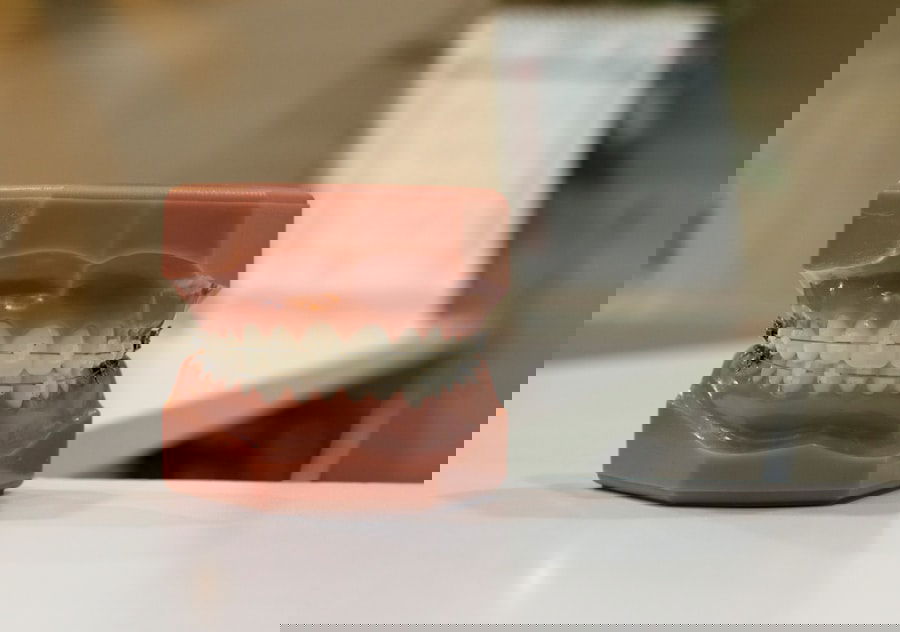
An overbite occurs when the upper front teeth significantly overlap the lower front teeth when the mouth is closed. This condition can be caused by a variety of factors, including genetics, thumb-sucking, or prolonged use of pacifiers during infancy. An excessive overbite can lead to wear on the teeth, jaw pain, and even temporomandibular joint (TMJ) disorders if not addressed.
Conversely, an underbite is characterized by the lower front teeth protruding beyond the upper front teeth. This misalignment can result from similar factors and may also be exacerbated by habits such as mouth breathing. Correcting an overbite or underbite often involves orthodontic treatment that may include braces or clear aligners to reposition the teeth.
In more severe cases, surgical intervention may be necessary to realign the jaw itself. Orthodontists may also recommend functional appliances that help guide jaw growth in younger patients. The goal of treatment is not only to improve aesthetics but also to restore proper function and prevent future dental complications.
Crossbite: Causes and Solutions
| Cause | Solution |
|---|---|
| Genetics | Orthodontic treatment |
| Thumb sucking | Behavioral therapy |
| Abnormal jaw development | Surgical intervention |
A crossbite occurs when one or more upper teeth bite inside the lower teeth instead of outside them. This misalignment can affect both the front and back teeth and can lead to uneven wear, jaw discomfort, and aesthetic concerns. Crossbites can be classified as either anterior (involving front teeth) or posterior (involving back teeth), with various causes including genetic factors, early loss of primary teeth, or developmental issues during childhood.
Treatment for crossbites typically involves orthodontic appliances designed to shift the teeth into their proper positions. In many cases, braces are used to correct the alignment over time. For younger patients whose jaws are still growing, expanders may be employed to widen the upper jaw and create more space for proper alignment.
Early diagnosis is crucial; addressing a crossbite during childhood can lead to more effective treatment outcomes and prevent further complications as the child grows.
Open Bite: Causes and Treatment
An open bite is characterized by a gap between the upper and lower teeth when the mouth is closed, preventing proper occlusion. This condition can arise from various factors such as prolonged thumb-sucking, tongue thrusting, or even certain dental habits developed during childhood. An open bite can lead to difficulties in chewing and speaking, as well as aesthetic concerns that may affect a person’s self-esteem.
Treatment options for an open bite often include orthodontic appliances like braces or clear aligners that work to reposition the teeth gradually. In some cases, additional interventions may be necessary to address underlying habits contributing to the open bite. For instance, if tongue thrusting is a factor, speech therapy may be recommended alongside orthodontic treatment.
The comprehensive approach ensures that both the symptoms and root causes are addressed effectively.
Protruding Teeth: Causes and Orthodontic Solutions

Protruding teeth refer to teeth that extend outward beyond their normal position in relation to other teeth. This condition can be caused by various factors including genetics, thumb-sucking during childhood, or improper jaw development. Protruding teeth not only pose aesthetic challenges but can also increase the risk of dental trauma due to their position.
Orthodontic treatment for protruding teeth typically involves braces or clear aligners designed to move the teeth back into alignment gradually. In some cases, extraction of certain teeth may be necessary to create space for proper positioning. Additionally, functional appliances may be used in younger patients to guide jaw growth and improve alignment over time.
The treatment plan is tailored to each individual’s needs, taking into account their age, severity of protrusion, and overall dental health.
Diastema: Causes and Orthodontic Treatment
Diastema refers to a gap or space between two adjacent teeth, most commonly seen between the upper front teeth. This condition can arise from various factors including genetics, gum disease, or habits such as thumb-sucking or tongue thrusting. While diastema is often considered a cosmetic issue, it can also lead to functional problems if not addressed.
Orthodontic treatment for diastema typically involves braces or clear aligners that work to close the gap over time. In some cases, additional procedures such as dental bonding or veneers may be recommended to enhance aesthetics once the gap has been closed. It is essential for orthodontists to evaluate each case individually; understanding the underlying causes of diastema ensures that treatment is effective and addresses any contributing factors.
Conclusion and Importance of Early Orthodontic Intervention
The significance of early orthodontic intervention cannot be overstated; addressing orthodontic problems at a young age can lead to more effective treatment outcomes and prevent complications later in life. Many orthodontic issues are easier to correct when detected early during a child’s growth phase when their bones are still developing. Regular dental check-ups allow for timely identification of potential problems, enabling parents and caregivers to seek appropriate treatment before issues become more complex.
Moreover, early intervention not only improves dental health but also enhances self-esteem and quality of life for children facing aesthetic concerns related to their smiles. By fostering awareness about orthodontic problems and encouraging proactive measures among parents and guardians, we can pave the way for healthier smiles in future generations. The journey toward optimal oral health begins with understanding these conditions and recognizing the importance of seeking professional guidance at an early stage.
If you are experiencing orthodontic problems such as misaligned teeth or bite issues, it may be time to consider seeking treatment from a professional. White Pearl Dental Care offers a range of orthodontic services to help correct these issues and improve your overall oral health. To learn more about their orthodontic services, visit their website here. Don’t hesitate to reach out to them through their contact page here for more information on how they can help you achieve a straighter, healthier smile.
FAQs
What are common orthodontic problems?
Common orthodontic problems include overcrowding, overbite, underbite, crossbite, open bite, misplaced midline, and spacing issues.
What causes orthodontic problems?
Orthodontic problems can be caused by genetics, early loss of primary teeth, habits like thumb sucking or tongue thrusting, and injuries to the teeth or jaw.
How are orthodontic problems diagnosed?
Orthodontic problems are diagnosed through a combination of visual examination, dental x-rays, and dental impressions to create models of the teeth.
What are the treatment options for orthodontic problems?
Treatment options for orthodontic problems include braces, clear aligners, headgear, palate expanders, and in severe cases, jaw surgery.
At what age should orthodontic problems be addressed?
Orthodontic problems can be addressed at any age, but it is generally recommended to have an orthodontic evaluation by age 7 to detect any potential issues early on.
Can orthodontic problems cause other health issues?
Untreated orthodontic problems can lead to difficulties with chewing, speaking, and maintaining proper oral hygiene, as well as increased risk of tooth decay and gum disease.