
Periodontics is a specialized branch of dentistry that focuses on the prevention, diagnosis, and treatment of periodontal disease, which affects the supporting structures of the teeth, including the gums, bone, and connective tissues. The term “periodontics” derives from the Greek words “peri,” meaning around, and “odons,” meaning tooth. This field encompasses a wide range of conditions, from gingivitis, a mild form of gum disease characterized by inflammation and bleeding, to more severe forms like periodontitis, which can lead to tooth loss if left untreated.
Periodontists are dental specialists who have undergone additional training beyond dental school, equipping them with the skills necessary to manage complex periodontal issues. The workings of periodontics involve a comprehensive understanding of the oral cavity’s anatomy and the biological processes that contribute to gum health. Periodontists utilize advanced diagnostic tools, including digital imaging and periodontal probing, to assess the health of the gums and surrounding structures.
By understanding the underlying causes of gum disease—such as plaque accumulation, smoking, hormonal changes, and systemic conditions—periodontists can develop tailored treatment plans that address both the symptoms and root causes of periodontal issues.
Key Takeaways
- Periodontics is the branch of dentistry that focuses on the prevention, diagnosis, and treatment of gum disease and other conditions that affect the supporting structures of the teeth.
- Periodontics plays a crucial role in preventing gum disease by addressing issues such as plaque buildup, tartar, and inflammation that can lead to more serious oral health problems.
- Periodontics can improve oral health by addressing issues such as gum recession, bone loss, and tooth mobility through treatments like scaling and root planing, gum grafts, and dental implants.
- Common periodontal treatments and procedures include deep cleanings, gum surgery, bone grafting, and laser therapy to address various stages of gum disease and restore oral health.
- Periodontics also plays a key role in restoring oral function by addressing issues such as tooth loss, bite problems, and difficulty chewing through treatments like dental implants, crown lengthening, and occlusal adjustments.
The Importance of Periodontics in Preventing Gum Disease
Early Detection and Intervention
Regular periodontal evaluations are essential for early detection and intervention. Periodontists stress the importance of routine dental check-ups, which enable professional cleanings that remove plaque and tartar buildup, key contributors to gum disease.
Identifying Risk Factors and Implementing Preventive Measures
By identifying risk factors early on, such as poor oral hygiene practices or genetic predispositions, periodontists can implement preventive measures tailored to individual patients. Education plays a vital role in preventing gum disease, and periodontists empower patients with knowledge about proper oral hygiene techniques.
Empowering Patients with Knowledge and Proactive Approaches
This includes instruction on effective brushing and flossing methods, as well as recommendations for antimicrobial mouth rinses that can help reduce bacterial load in the mouth. By fostering a proactive approach to oral health, periodontics aims to reduce the incidence of gum disease and its associated complications.
How Periodontics Can Improve Oral Health

The impact of periodontics on overall oral health extends beyond merely treating gum disease; it encompasses a holistic approach to maintaining the integrity of the entire oral cavity. Healthy gums are essential for supporting teeth and ensuring their stability within the jawbone. When periodontal health is compromised, it can lead to tooth mobility and eventual loss.
Periodontists work diligently to restore gum health through various interventions, which can significantly enhance a patient’s overall oral health. In addition to treating existing periodontal conditions, periodontics also plays a crucial role in enhancing aesthetic outcomes. Procedures such as gum grafting can correct receding gums, improving not only function but also the appearance of a patient’s smile.
Furthermore, periodontists often collaborate with restorative dentists to ensure that any dental implants or prosthetics are placed in a healthy periodontal environment. This interdisciplinary approach ensures that patients receive comprehensive care that addresses both functional and aesthetic concerns.
Common Periodontal Treatments and Procedures
| Treatment/Procedure | Description |
|---|---|
| Scaling and Root Planing | A deep cleaning procedure to remove plaque and tartar from the teeth and root surfaces. |
| Periodontal Surgery | Surgical procedures to treat advanced gum disease and restore the health of the gums and supporting bone. |
| Flap Surgery | A surgical procedure to lift the gums and remove tartar deposits from the roots of the teeth. |
| Gingivectomy | Removal of excess gum tissue to treat gum disease or improve the appearance of the gums. |
| Gum Graft Surgery | A procedure to replace or repair receding gums by grafting tissue from another part of the mouth. |
Periodontal treatments vary widely depending on the severity of the condition being addressed. For mild cases of gingivitis, non-surgical interventions such as scaling and root planing are often sufficient. This deep cleaning procedure involves removing plaque and tartar from below the gum line and smoothing the tooth roots to promote healing.
Patients may also be advised to adopt improved oral hygiene practices at home to prevent recurrence. In more advanced cases of periodontitis, surgical options may be necessary. Procedures such as flap surgery allow periodontists to access deeper areas of infection by lifting back the gums and cleaning the underlying bone.
Bone grafting may also be employed to regenerate lost bone tissue, providing a stable foundation for teeth or implants. Additionally, guided tissue regeneration techniques can help stimulate the growth of new bone and gum tissue in areas affected by periodontal disease. Each treatment plan is customized based on individual needs, ensuring that patients receive the most effective care for their specific conditions.
The Role of Periodontics in Restoring Oral Function
Periodontics plays a pivotal role in restoring oral function for patients who have experienced tooth loss or significant periodontal damage. The loss of teeth can severely impact a person’s ability to chew and speak effectively, leading to nutritional deficiencies and social challenges. Periodontists are trained to address these issues through various restorative procedures that not only replace lost teeth but also restore function.
Dental implants are one of the most significant advancements in restorative dentistry facilitated by periodontics. These titanium posts are surgically placed into the jawbone, serving as artificial tooth roots that provide stability for crowns or bridges. The success of dental implants heavily relies on healthy periodontal tissues; therefore, periodontists ensure that patients have adequate bone density and gum health before proceeding with implant placement.
This integration of restorative techniques with periodontal care allows for a seamless restoration of both function and aesthetics.
Periodontics and its Impact on Overall Health
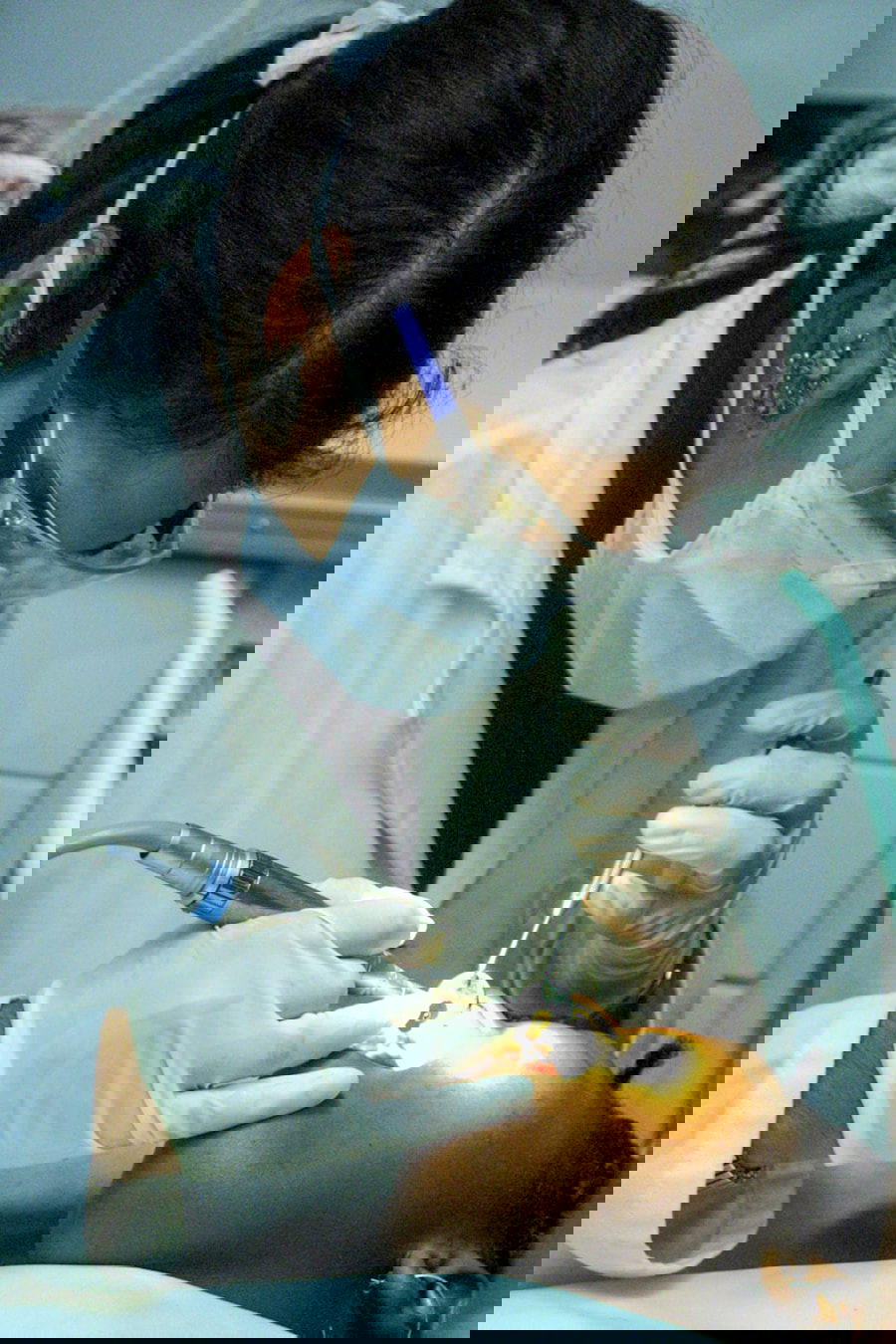
The relationship between periodontal health and overall systemic health is increasingly recognized in medical research. Studies have shown that periodontal disease is associated with various systemic conditions, including cardiovascular disease, diabetes, respiratory diseases, and adverse pregnancy outcomes. The inflammatory nature of periodontal disease can contribute to systemic inflammation, which may exacerbate these conditions.
For instance, individuals with diabetes are at a higher risk for developing gum disease due to impaired healing and increased susceptibility to infections. Conversely, untreated periodontal disease can make it more challenging for diabetic patients to control their blood sugar levels. This bidirectional relationship underscores the importance of maintaining good oral health not only for preventing dental issues but also for supporting overall well-being.
Periodontists often collaborate with other healthcare providers to ensure that patients receive comprehensive care that addresses both their oral and systemic health needs.
Maintaining Oral Health with Periodontic Care
Maintaining optimal oral health requires ongoing commitment and care beyond initial treatments provided by periodontists.
During these visits, periodontists assess gum health, provide professional cleanings, and offer personalized advice on maintaining good oral hygiene practices at home.
Home care routines should include brushing at least twice a day with fluoride toothpaste and daily flossing to remove plaque from between teeth where toothbrushes cannot reach. Additionally, using antimicrobial mouth rinses can help reduce bacterial load in the mouth. Periodontists may also recommend specific products tailored to individual needs, such as interdental brushes or water flossers for patients with braces or other dental appliances.
By integrating professional care with diligent home practices, patients can significantly enhance their oral health outcomes.
Finding the Right Periodontist for Your Oral Health Needs
Choosing the right periodontist is crucial for receiving effective care tailored to individual needs. When searching for a qualified periodontist, consider factors such as their credentials, experience, and areas of specialization. Many periodontists are board-certified, indicating they have met rigorous standards in their field.
Additionally, seeking recommendations from general dentists or reading patient reviews can provide valuable insights into a periodontist’s practice. It is also important to consider the office environment and staff demeanor when selecting a periodontist. A welcoming atmosphere can significantly enhance the patient experience, making it easier to discuss concerns openly.
During initial consultations, potential patients should feel comfortable asking questions about treatment options, expected outcomes, and any associated risks or costs. Establishing a good rapport with a periodontist can lead to better communication and more effective treatment outcomes over time. In summary, periodontics is an essential field within dentistry that focuses on maintaining gum health and preventing periodontal disease while also addressing broader implications for overall health.
Through various treatments and preventive measures, periodontists play a vital role in enhancing oral function and aesthetics while contributing to systemic well-being. By prioritizing regular care and finding a qualified specialist, individuals can take proactive steps toward achieving optimal oral health.
If you are interested in learning more about Invisalign treatment, you may want to check out this article that answers some of the top questions about Invisalign. Invisalign is a popular alternative to traditional braces for straightening teeth and correcting bite issues. Periodontists may work closely with orthodontists to ensure that patients receiving Invisalign treatment maintain good oral health throughout the process. To find a dental practice that offers both periodontal care and orthodontic treatment in the Blacktown area, visit White Pearl Dental Care.
FAQs
What is periodontics?
Periodontics is a branch of dentistry that focuses on the prevention, diagnosis, and treatment of diseases that affect the gums and other supporting structures of the teeth.
What are some common periodontal diseases?
Common periodontal diseases include gingivitis, which is the inflammation of the gums, and periodontitis, which is a more severe form of gum disease that can lead to tooth loss if left untreated.
What are the symptoms of periodontal diseases?
Symptoms of periodontal diseases may include red, swollen, or bleeding gums, persistent bad breath, loose teeth, and receding gums.
How are periodontal diseases treated?
Periodontal diseases are typically treated with professional cleanings, scaling and root planing, and in more severe cases, surgical procedures to remove diseased tissue and restore the health of the gums and supporting structures.
What are the risk factors for developing periodontal diseases?
Risk factors for developing periodontal diseases include poor oral hygiene, smoking, diabetes, genetic predisposition, and certain medications that can affect oral health.
How can periodontal diseases be prevented?
Periodontal diseases can be prevented by practicing good oral hygiene, including regular brushing and flossing, and by visiting a dentist for regular check-ups and cleanings. Avoiding smoking and maintaining a healthy diet can also help prevent periodontal diseases.