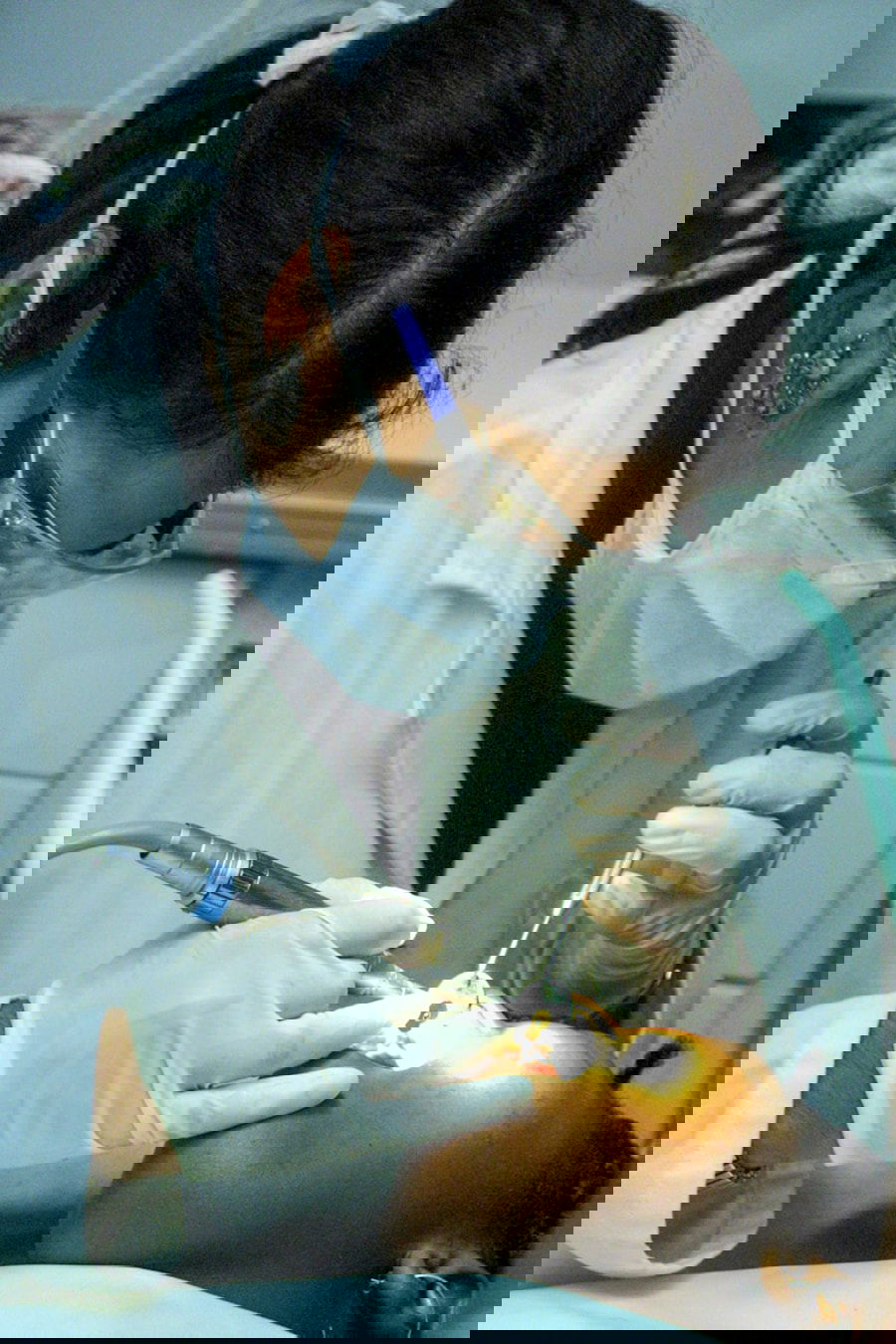
Dental veneers have emerged as a popular cosmetic dentistry solution for individuals seeking to enhance their smiles. These thin shells, typically made from porcelain or composite resin, are custom-crafted to fit over the front surface of teeth, effectively masking imperfections such as chips, gaps, and discoloration. The appeal of veneers lies not only in their aesthetic benefits but also in their ability to provide a durable and long-lasting solution for various dental concerns.
As more people become aware of the transformative power of veneers, understanding their application, care, and maintenance becomes essential for anyone considering this dental enhancement. The process of obtaining dental veneers usually begins with a consultation with a qualified dentist, who will assess the patient’s oral health and discuss their aesthetic goals. After determining that veneers are an appropriate option, the dentist will take impressions of the teeth and may need to remove a small amount of enamel to ensure a proper fit.
This meticulous process ensures that the veneers blend seamlessly with the natural teeth, resulting in a beautiful and harmonious smile. With advancements in dental technology, the creation and application of veneers have become more efficient, allowing patients to achieve their desired results in a relatively short timeframe.
Key Takeaways
- Dental veneers are thin, custom-made shells that cover the front surface of teeth to improve their appearance.
- Daily care and maintenance of dental veneers include regular brushing, flossing, and avoiding hard foods and habits like nail biting.
- To avoid staining and discoloration of veneers, it is important to limit consumption of staining agents like coffee, tea, and red wine.
- Managing sensitivity and discomfort with veneers may involve using desensitizing toothpaste and avoiding extreme hot or cold foods.
- Protecting veneers during physical activities can be done by wearing a mouthguard to prevent damage from impact or injury.
Daily Care and Maintenance
Daily Oral Hygiene Routine
Brushing at least twice a day and flossing daily helps prevent plaque buildup, which can lead to gum disease and other dental issues. Additionally, using an antibacterial mouthwash can further enhance oral hygiene by reducing harmful bacteria in the mouth.
Dietary Considerations
In addition to routine brushing and flossing, it is crucial to be mindful of dietary choices that could impact the longevity of dental veneers. While veneers are designed to be durable, they can still be susceptible to damage from excessive force or abrasive substances. Patients should avoid using their teeth as tools, such as opening packages or biting down on hard objects like ice or hard candies.
Regular Dental Visits
Regularly scheduled visits to the dentist for professional cleanings and examinations are also vital for maintaining the health of both the veneers and the surrounding teeth. These appointments allow for early detection of any potential issues and provide an opportunity for professional advice on maintaining optimal oral health.
Avoiding Staining and Discoloration
One of the primary advantages of dental veneers is their resistance to staining compared to natural teeth. However, certain foods and beverages can still lead to discoloration over time. To preserve the bright appearance of veneers, it is advisable to limit the consumption of staining agents such as coffee, tea, red wine, and dark-colored berries.
If indulging in these items is unavoidable, rinsing the mouth with water afterward can help minimize their impact on the veneers. Additionally, using a straw when drinking beverages that are known to stain can further reduce contact with the veneer surface. Another effective strategy for preventing staining is to maintain regular dental cleanings.
Professional cleanings not only remove plaque and tartar buildup but also help polish the surface of the veneers, enhancing their shine and reducing the likelihood of discoloration. Some patients may also consider using whitening toothpaste specifically designed for use with veneers; however, it is essential to consult with a dentist before incorporating any new products into a dental care routine. This ensures that the chosen products are safe for use on veneers and will not cause any damage or wear over time.
Managing Sensitivity and Discomfort
| Metrics | Values |
|---|---|
| Employee Turnover Rate | 12% |
| Number of Sensitivity Training Sessions | 20 |
| Employee Satisfaction Score | 85% |
| Number of Reported Incidents | 5 |
After receiving dental veneers, some patients may experience temporary sensitivity or discomfort, particularly when consuming hot or cold foods and beverages. This sensitivity can occur due to the removal of enamel during the preparation process or as a result of adjustments made during the fitting of the veneers. While this discomfort is typically short-lived, there are several strategies that can help manage sensitivity effectively.
Over-the-counter pain relievers may provide relief during this adjustment period, while desensitizing toothpaste can help alleviate discomfort by blocking nerve endings in the teeth. In cases where sensitivity persists beyond the initial adjustment period, it is crucial to consult with a dentist. They can assess whether there are underlying issues contributing to the discomfort, such as improper fitting or gum irritation.
In some instances, additional treatments may be necessary to address sensitivity effectively. Dentists may recommend fluoride treatments or other protective measures to strengthen enamel and reduce sensitivity over time. Open communication with a dental professional is key to ensuring that any discomfort is managed appropriately.
Protecting Veneers during Physical Activities
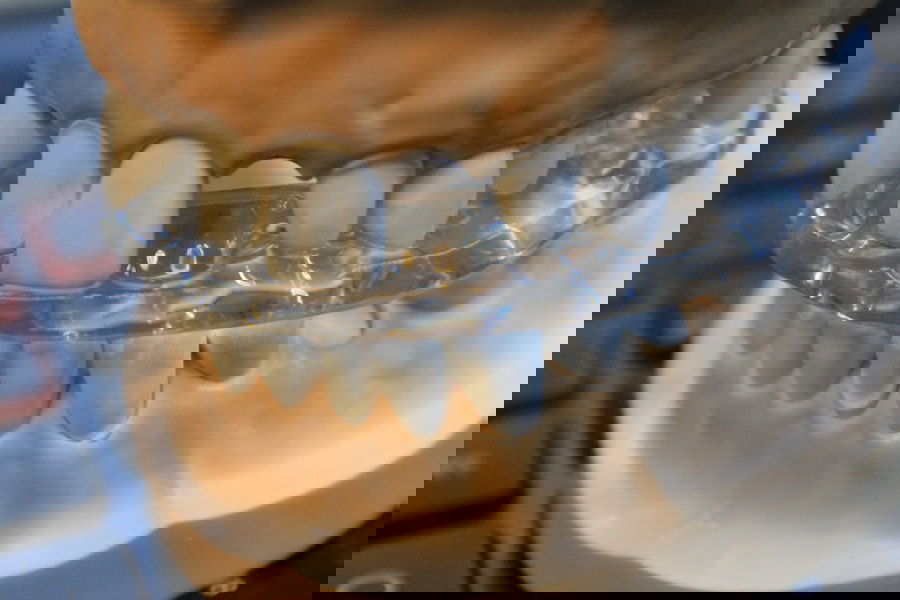
For individuals who engage in sports or other physical activities, protecting dental veneers is essential to prevent damage from impacts or accidents. While veneers are designed to be durable, they are not impervious to breakage or chipping under extreme conditions. Athletes should consider wearing a mouthguard during contact sports or high-impact activities to shield their teeth and veneers from potential trauma.
Custom-fitted mouthguards offer superior protection compared to over-the-counter options, as they are tailored specifically to an individual’s dental structure. In addition to wearing mouthguards during sports, individuals should also be cautious about engaging in activities that could put undue stress on their teeth. For example, habits such as grinding teeth (bruxism) can lead to significant wear on veneers over time.
If bruxism is a concern, dentists may recommend night guards or other interventions to mitigate its effects. By taking proactive measures to protect dental veneers during physical activities, individuals can enjoy their favorite sports while preserving their investment in their smile.
Regular Dental Check-ups and Cleanings
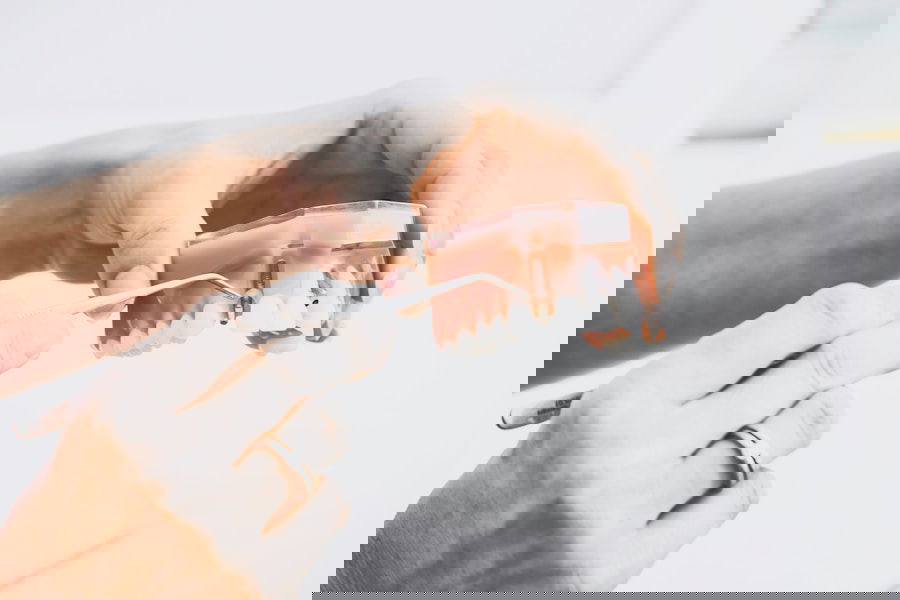
Regular dental check-ups play a vital role in maintaining both oral health and the longevity of dental veneers. During these appointments, dentists can monitor the condition of the veneers and surrounding teeth, ensuring that any potential issues are addressed promptly. Professional cleanings help remove plaque and tartar buildup that regular brushing may miss, contributing to overall oral health.
Dentists can also provide personalized recommendations for at-home care based on individual needs and lifestyle factors. In addition to routine cleanings, check-ups allow for early detection of any complications that may arise with dental veneers. For instance, if there are signs of gum disease or decay beneath the veneer, timely intervention can prevent more extensive damage and costly repairs down the line.
Dentists may also assess the fit and appearance of the veneers during these visits, making adjustments if necessary. By prioritizing regular dental visits, patients can ensure that their smiles remain healthy and vibrant for years to come.
Handling Chips and Cracks
Despite their durability, dental veneers can occasionally chip or crack due to various factors such as trauma or excessive force. If a veneer becomes damaged, it is essential to address it promptly to prevent further complications or aesthetic concerns. In many cases, minor chips can be repaired by a dentist using composite resin material that matches the color of the veneer.
This process typically involves cleaning the affected area and applying the resin in layers until it blends seamlessly with the existing veneer. For more significant damage or cracks that compromise the integrity of the veneer, replacement may be necessary. Dentists will evaluate the extent of the damage before recommending an appropriate course of action.
In some instances, replacing just one veneer may suffice; however, if multiple veneers are affected or if there is significant wear across several teeth, a more comprehensive approach may be warranted. Regardless of the situation, seeking professional assistance as soon as damage occurs is crucial for maintaining both function and aesthetics.
Long-term Care and Replacement Options
The longevity of dental veneers can vary based on factors such as material choice, oral hygiene practices, and lifestyle habits. On average, porcelain veneers can last between 10 to 15 years with proper care; however, some patients may find that they need replacement sooner due to wear or damage. Understanding long-term care options is essential for anyone considering veneers as part of their cosmetic dentistry journey.
When it comes time for replacement, patients have several options available depending on their needs and preferences. Some may choose to replace existing veneers with new ones made from similar materials, while others might explore alternative solutions such as crowns or bonding if they require more extensive restoration work. Consulting with a dentist will provide valuable insights into which options are best suited for individual circumstances based on factors like oral health status and aesthetic goals.
By staying informed about long-term care and replacement options, patients can make empowered decisions regarding their dental health and appearance over time.
Maintaining dental veneers is crucial for ensuring their longevity and appearance. In addition to regular dental check-ups and proper oral hygiene practices, it is important to avoid habits that can damage veneers, such as biting on hard objects or using teeth as tools. For those looking to improve their smile further, orthodontic treatments like braces can be a great option. To learn more about how braces can enhance your smile, check out this informative article on improving smiles with orthodontics.
FAQs
What are dental veneers?
Dental veneers are thin, custom-made shells of tooth-colored materials designed to cover the front surface of teeth to improve their appearance. They are commonly used to fix teeth that are discolored, worn down, chipped, or misaligned.
How long do dental veneers last?
With proper care, dental veneers can last for 10-15 years. However, their lifespan can vary depending on factors such as oral hygiene, diet, and regular dental check-ups.
How can I maintain my dental veneers?
To maintain dental veneers, it is important to practice good oral hygiene, including brushing and flossing regularly. Avoiding foods and drinks that can stain the veneers, such as coffee, tea, and red wine, can also help prolong their lifespan. Additionally, wearing a mouthguard during sports and avoiding using teeth as tools can prevent damage to the veneers.
Can dental veneers be repaired or replaced?
In some cases, dental veneers can be repaired if they are chipped or damaged. However, if the damage is extensive, replacement may be necessary. It is important to consult with a dentist to determine the best course of action for damaged veneers.
Are there any restrictions with dental veneers?
While dental veneers are durable, they are not indestructible. It is important to avoid biting on hard objects or using teeth to open packages, as this can damage the veneers. Additionally, regular dental check-ups are important to ensure the veneers are in good condition and to address any issues that may arise.