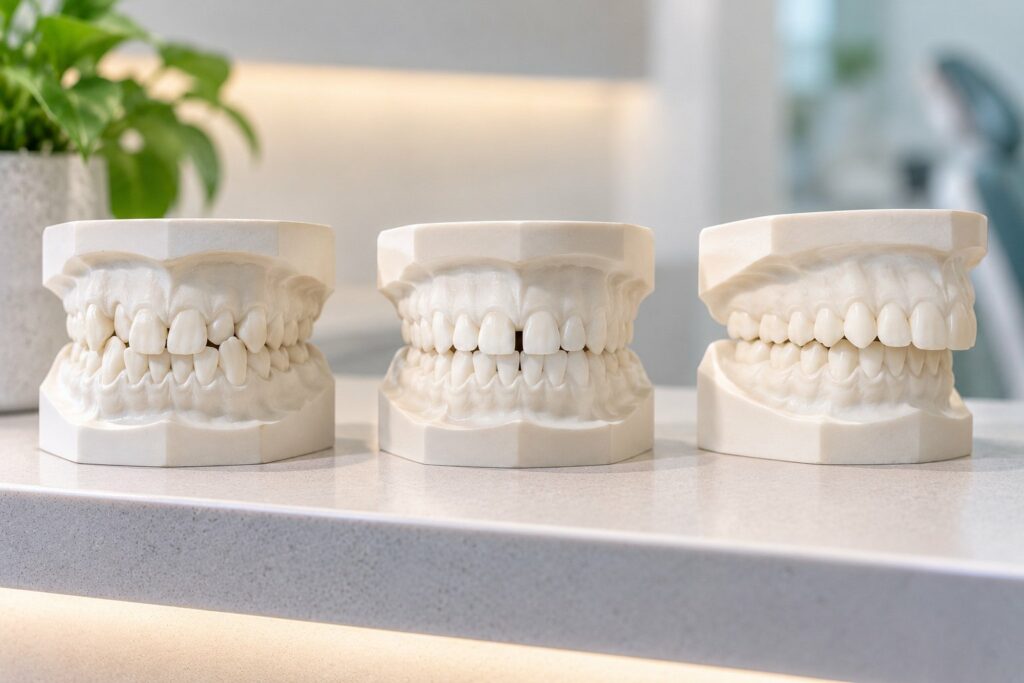
Orthodontics plays a pivotal role in enhancing not just the aesthetics of a smile but also its functionality.
When teeth are properly aligned, they create a harmonious balance in the facial structure, which can lead to a more attractive appearance.
This is particularly important in social and professional settings, where first impressions are often formed based on one’s smile. The psychological impact of having a straight, beautiful smile can be profound, influencing everything from personal relationships to career opportunities. Moreover, orthodontics is not solely about cosmetic enhancement; it addresses various dental issues that can arise from misaligned teeth.
Crooked or crowded teeth can lead to difficulties in maintaining oral hygiene, increasing the risk of cavities and gum disease. Additionally, improper alignment can cause uneven wear on teeth, jaw pain, and even headaches. By correcting these issues through orthodontic treatment, individuals can achieve not only a more appealing smile but also improved overall oral health.
Key Takeaways
- Orthodontics plays a crucial role in improving the appearance of smiles and boosting self-confidence.
- Common orthodontic treatments include braces, clear aligners, and retainers, which can effectively correct misaligned teeth and bite issues.
- Orthodontic treatment not only enhances the aesthetics of the smile but also improves oral health by making it easier to clean and maintain teeth.
- Choosing the right orthodontic treatment involves considering factors such as the severity of the dental issue, treatment duration, and personal preferences.
- Orthodontics also plays a significant role in improving oral health and function by correcting bite problems and reducing the risk of dental issues such as cavities and gum disease.
Common Orthodontic Treatments for Smile Correction
Traditional Metal Braces
Traditional metal braces are perhaps the most recognized form of orthodontic treatment. They consist of brackets bonded to the teeth and connected by wires, which are adjusted periodically to gradually shift the teeth into their desired positions.
Clear Aligners: A Discreet Alternative
While traditional metal braces are highly effective for a wide range of dental issues, some individuals may find them less appealing due to their visibility. In recent years, clear aligners have gained popularity as an alternative to traditional braces. Brands like Invisalign offer a series of custom-made, transparent trays that fit snugly over the teeth. These aligners are virtually invisible and can be removed for eating and oral hygiene, making them a convenient option for many adults and teens.
Ceramic Braces: A More Discreet Option
Another option is ceramic braces, which function similarly to metal braces but use tooth-colored materials that blend in with the natural color of the teeth, providing a more discreet appearance.
Benefits of Orthodontic Treatment for Smile Enhancement

The benefits of orthodontic treatment extend far beyond mere aesthetics. One of the most significant advantages is the improvement in oral health that comes with properly aligned teeth. Straight teeth are easier to clean, reducing the likelihood of plaque buildup and subsequent dental issues such as cavities and gum disease.
Furthermore, an aligned bite can alleviate stress on the jaw joints and muscles, potentially reducing the risk of temporomandibular joint (TMJ) disorders. In addition to health benefits, orthodontic treatment can enhance an individual’s quality of life. Many people report increased confidence and self-esteem after completing their orthodontic journey.
A beautiful smile can open doors in both personal and professional realms, fostering better social interactions and opportunities. The psychological benefits of feeling good about one’s appearance should not be underestimated; they can lead to improved mental health and overall well-being.
Choosing the Right Orthodontic Treatment for Your Smile Needs
| Treatment Options | Benefits | Considerations |
|---|---|---|
| Traditional Braces | Suitable for complex cases, effective for all ages | Visible metal brackets and wires, longer treatment time |
| Invisalign | Clear aligners, removable, shorter treatment time | Not suitable for severe cases, requires discipline to wear consistently |
| Lingual Braces | Hidden from view, effective for all cases | Can be uncomfortable at first, longer adjustment period |
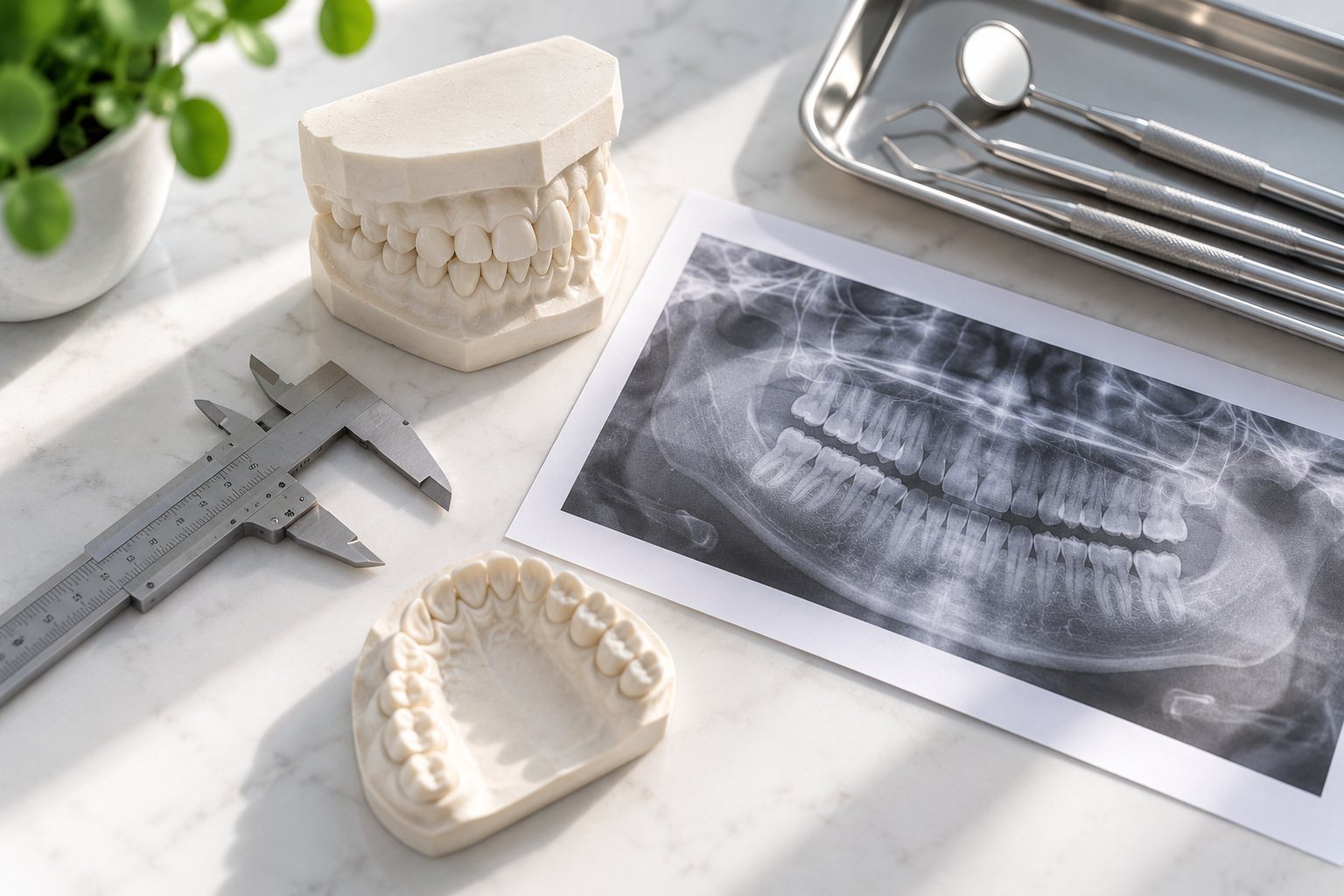
Selecting the appropriate orthodontic treatment requires careful consideration of various factors, including the specific dental issues at hand, lifestyle preferences, and budget constraints. Consulting with an experienced orthodontist is crucial in this decision-making process. They will conduct a thorough examination, which may include X-rays and digital scans, to assess the alignment of your teeth and jaws.
Once the assessment is complete, the orthodontist will discuss available treatment options tailored to your needs. For instance, if you have severe crowding or bite issues, traditional braces may be recommended for their effectiveness in complex cases. Conversely, if you prefer a more discreet option and your dental issues are mild to moderate, clear aligners might be suitable.
It’s essential to weigh the pros and cons of each option, considering factors such as treatment duration, comfort level, and maintenance requirements.
The Role of Orthodontics in Improving Oral Health and Function
Orthodontics significantly contributes to enhancing oral health by addressing alignment issues that can lead to various complications. Misaligned teeth can create areas that are difficult to clean effectively, resulting in plaque accumulation and an increased risk of cavities. By straightening teeth through orthodontic treatment, individuals can achieve better oral hygiene and reduce their chances of developing dental problems.
Additionally, proper alignment plays a crucial role in ensuring optimal jaw function. An uneven bite can lead to excessive wear on certain teeth, causing them to become damaged over time. It can also result in jaw pain or discomfort due to uneven pressure distribution during chewing.
Orthodontic treatment helps establish a balanced bite, which not only protects the teeth but also promotes healthy jaw function and reduces the risk of TMJ disorders.
Orthodontic Options for Adults Looking to Improve Their Smiles

While orthodontics is often associated with children and teenagers, an increasing number of adults are seeking treatment to improve their smiles. The stigma surrounding adult braces has diminished significantly with the advent of more discreet options like clear aligners and ceramic braces. Many adults appreciate these alternatives because they allow for effective treatment without drawing attention to their orthodontic appliances.
In addition to clear aligners and ceramic braces, lingual braces offer another discreet option for adults. These braces are placed on the back side of the teeth, making them virtually invisible from the front. This option is particularly appealing for professionals who wish to maintain a polished appearance while undergoing treatment.
Regardless of age, adults can benefit from orthodontic treatment not only for aesthetic reasons but also for improved oral health and function.
Understanding the Process of Orthodontic Treatment for Smile Improvement
The journey through orthodontic treatment typically begins with an initial consultation where the orthodontist evaluates your dental condition and discusses your goals. Following this assessment, a personalized treatment plan is developed that outlines the recommended approach and estimated duration of treatment. This plan may involve taking X-rays, photographs, and impressions or digital scans of your teeth.
For traditional braces, this may involve tightening wires or replacing bands; for clear aligners, new sets are provided every few weeks as teeth gradually shift into place. Throughout this process, patients are encouraged to maintain good oral hygiene practices and follow any specific care instructions provided by their orthodontist.
Maintaining a Beautiful Smile After Orthodontic Treatment
Completing orthodontic treatment is a significant milestone; however, maintaining that beautiful smile requires ongoing commitment. Retainers play a crucial role in this phase by helping to keep teeth in their new positions after braces or aligners are removed. Orthodontists typically recommend wearing retainers full-time initially before transitioning to nighttime wear only.
In addition to wearing retainers as prescribed, maintaining good oral hygiene practices is essential for preserving your smile’s beauty. Regular brushing and flossing should be complemented by routine dental check-ups to ensure that your teeth remain healthy post-treatment. Lifestyle choices such as avoiding excessive sugary foods and beverages can also contribute to long-term oral health success.
By following these guidelines, individuals can enjoy their newly enhanced smiles for years to come while minimizing the risk of future dental issues.
If you are interested in learning more about orthodontics, you may want to check out the article on the White Pearl Dental Care website titled “Hello World.” This article may provide valuable information on the different orthodontic treatments available and how they can benefit your oral health. To read more about this topic, visit here.
FAQs
What is orthodontics?
Orthodontics is a branch of dentistry that focuses on the diagnosis, prevention, and treatment of dental and facial irregularities, such as misaligned teeth and jaws.
What are the common issues that orthodontics can address?
Orthodontics can address a variety of issues, including crooked teeth, overcrowded teeth, overbite, underbite, crossbite, and gaps between teeth.
What are the benefits of orthodontic treatment?
Orthodontic treatment can improve the appearance of the teeth and face, enhance oral function, and promote better oral health by making it easier to clean and maintain the teeth.
What are the different types of orthodontic treatments available?
Common orthodontic treatments include traditional metal braces, ceramic braces, lingual braces, and clear aligners such as Invisalign.
At what age should orthodontic treatment begin?
Orthodontic treatment can begin at any age, but it is generally recommended to have an initial orthodontic evaluation around the age of 7, as some orthodontic issues are easier to correct at a younger age.
How long does orthodontic treatment typically last?
The duration of orthodontic treatment varies depending on the severity of the orthodontic issues and the type of treatment used, but it typically lasts between 18 months to 3 years.
Is orthodontic treatment covered by insurance?
Many dental insurance plans provide coverage for orthodontic treatment, but the extent of coverage and eligibility criteria vary by plan. It is recommended to check with your insurance provider for details.