
Urgent dental care is a critical aspect of maintaining oral health, as it addresses issues that can lead to severe complications if left untreated. Dental emergencies can arise unexpectedly, often causing significant pain and discomfort. The importance of seeking immediate care cannot be overstated; timely intervention can prevent further damage to teeth, gums, and surrounding structures.
For instance, a tooth that has been knocked out may be saved if treated within a specific timeframe, while untreated infections can escalate into systemic health issues, affecting not just the mouth but the entire body. Moreover, urgent dental care plays a vital role in alleviating pain and restoring function.
By addressing these issues promptly, patients can avoid prolonged suffering and the potential for more invasive treatments down the line. The psychological impact of dental emergencies should also be considered; the fear and anxiety associated with dental pain can lead to avoidance of necessary care in the future. Thus, understanding the importance of urgent dental care is essential for both physical health and emotional well-being.
Key Takeaways
- Urgent dental care is important to prevent further damage and alleviate pain
- Dental emergencies include severe toothache, broken or knocked-out teeth, and abscesses
- Call your dentist immediately to schedule an emergency dental appointment
- During an emergency dental visit, the dentist will assess the situation and provide necessary treatment
- Common treatments for dental emergencies include root canals, tooth extractions, and dental crowns
Identifying Dental Emergencies
Recognizing a dental emergency is crucial for ensuring timely treatment. Common indicators include severe toothaches, which may signal an underlying infection or decay that requires immediate attention. A tooth that has been dislodged or fractured due to trauma is another clear sign of an emergency; in such cases, the sooner treatment is sought, the better the chances of saving the tooth.
Additionally, swelling in the gums or face, particularly when accompanied by fever or difficulty swallowing, may indicate an abscess or other serious condition that necessitates urgent care. Other situations that warrant immediate dental attention include bleeding from the mouth that does not stop after applying pressure, or injuries to the soft tissues of the mouth, such as cuts or lacerations. These injuries can lead to complications if not treated promptly.
Furthermore, if a dental appliance, such as braces or dentures, causes significant pain or injury to the mouth, it may also be classified as an emergency. Understanding these signs can empower individuals to act quickly and seek the necessary care before complications arise.
How to Schedule an Emergency Dental Appointment
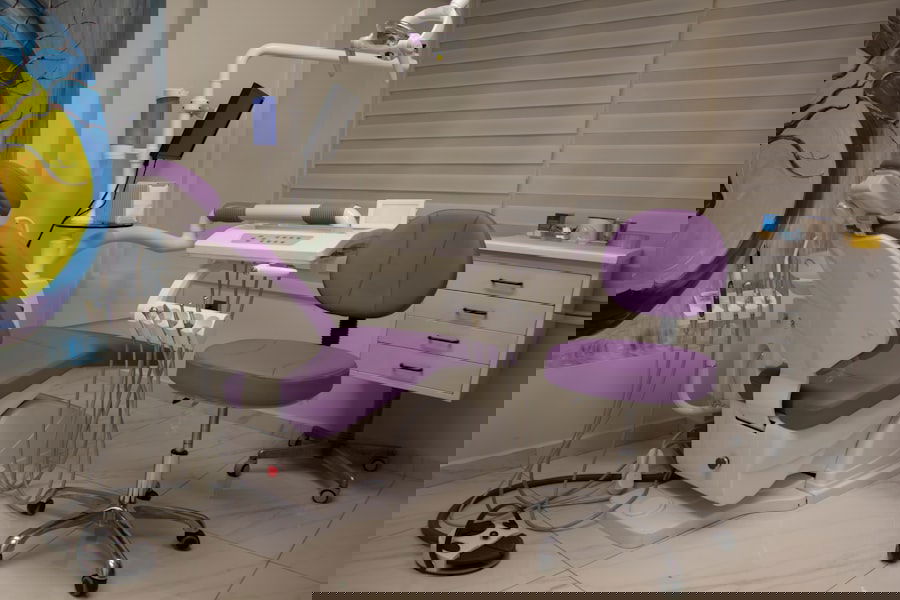
When faced with a dental emergency, knowing how to schedule an appointment can significantly impact the outcome of treatment. Many dental practices offer emergency services and have protocols in place for handling urgent cases. The first step is to contact your regular dentist’s office; even if they are closed, many practices have an after-hours service or an answering machine that provides instructions on how to proceed. It is essential to communicate clearly about the nature of your emergency so that appropriate arrangements can be made. If your regular dentist is unavailable, you may need to seek out an emergency dental clinic.
These facilities are specifically designed to handle urgent cases and often have extended hours to accommodate patients in need.
This information will help the staff assess the urgency of your situation and prioritize your care accordingly. In some cases, you may be asked to arrive at the clinic as soon as possible; in others, they may schedule you for a specific time based on their current patient load.
What to Expect During an Emergency Dental Visit
| Emergency Dental Visit | What to Expect |
|---|---|
| Appointment | Immediate scheduling or same-day appointment |
| Assessment | Evaluation of the dental emergency and severity |
| Treatment | Immediate care or temporary solution |
| Follow-up | Instructions for at-home care and future appointments |
An emergency dental visit typically begins with a thorough assessment of your condition. Upon arrival at the clinic, you will likely be asked to fill out a medical history form if you haven’t done so already. This form will include questions about your current symptoms, any medications you are taking, and any previous dental issues you may have experienced.
The dentist will then conduct a physical examination of your mouth and may take X-rays to gain a clearer understanding of the problem. Once the assessment is complete, the dentist will discuss their findings with you and outline a treatment plan. Depending on the nature of your emergency, this could involve anything from a simple extraction to more complex procedures like root canal therapy or stitches for soft tissue injuries.
Pain management will also be addressed; dentists often provide local anesthesia or sedation options to ensure that you are comfortable during treatment. After the procedure, you will receive post-operative care instructions tailored to your specific situation, which are crucial for ensuring proper healing and recovery.
Common Treatments for Dental Emergencies
The treatments administered during an emergency dental visit vary widely based on the specific issue at hand. For instance, if a tooth has been knocked out, one common treatment involves re-implanting the tooth if it is still viable. The dentist will clean the tooth and surrounding area before placing it back into its socket and securing it with a splint if necessary.
In cases where a tooth cannot be saved, extraction may be required. Another frequent scenario involves treating severe toothaches caused by infections or decay. In such cases, root canal therapy may be performed to remove infected pulp tissue from within the tooth.
This procedure alleviates pain and saves the tooth from extraction. Additionally, dental abscesses often require drainage and antibiotic treatment to combat infection effectively. For soft tissue injuries, sutures may be necessary to promote healing and prevent further complications.
Each treatment plan is tailored to address the unique circumstances of the patient’s emergency.
Tips for Managing Dental Pain at Home
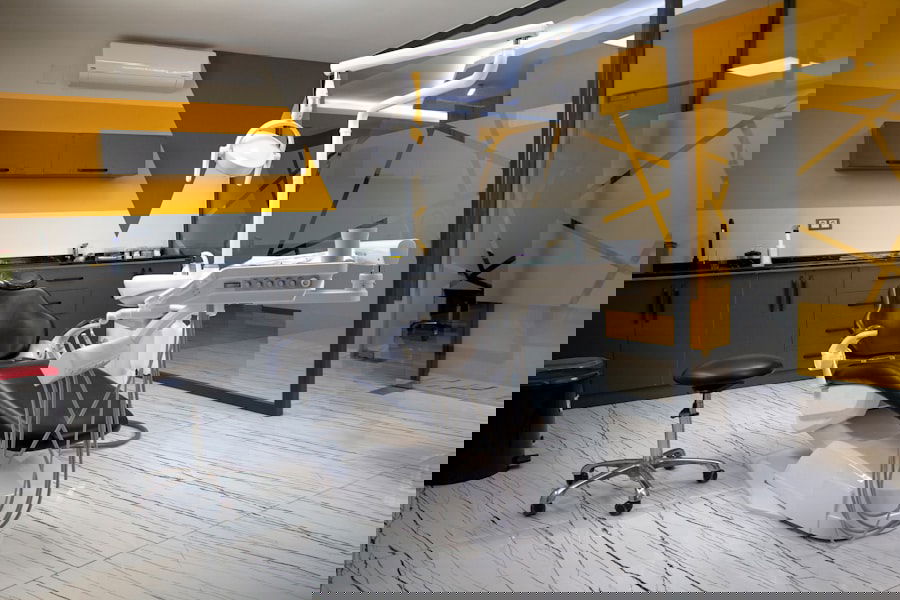
While waiting for professional treatment during a dental emergency, managing pain at home can provide some relief. Over-the-counter pain relievers such as ibuprofen or acetaminophen can help alleviate discomfort until you receive care from a dentist. It is essential to follow dosage instructions carefully and consult with a healthcare provider if you have any underlying health conditions that may affect your ability to take these medications.
In addition to medication, applying a cold compress to the outside of your cheek can help reduce swelling and numb pain in cases of trauma or infection. This method is particularly effective for injuries involving swelling or bruising. Rinsing your mouth with warm salt water can also provide temporary relief by reducing inflammation and promoting healing in minor injuries or infections.
However, it is crucial to avoid placing any pressure on the affected area and refrain from consuming hot or cold foods that could exacerbate pain until you receive professional treatment.
Preventing Dental Emergencies
Preventing dental emergencies involves proactive measures aimed at maintaining oral health and minimizing risks associated with injuries or infections. Regular dental check-ups are essential; these visits allow dentists to identify potential issues before they escalate into emergencies. Professional cleanings help remove plaque and tartar buildup that can lead to decay and gum disease if left untreated.
Additionally, wearing protective gear during sports activities can significantly reduce the risk of dental injuries. Mouthguards are particularly effective in preventing trauma from impacts that could result in broken or knocked-out teeth. Practicing good oral hygiene at home—brushing twice daily with fluoride toothpaste and flossing regularly—also plays a crucial role in preventing emergencies related to decay or gum disease.
By adopting these preventive strategies, individuals can significantly reduce their likelihood of experiencing dental emergencies.
Finding an Emergency Dental Care Provider
Finding an emergency dental care provider requires some research and preparation ahead of time so that you are ready when an urgent situation arises. Start by asking your regular dentist if they offer emergency services or can recommend a trusted clinic in your area. Many dental offices have partnerships with local emergency clinics specifically designed for urgent care.
Online resources can also be invaluable in locating emergency dental providers. Websites like Yelp or Google Maps allow you to read reviews from other patients about their experiences with various clinics. Look for facilities that have extended hours and are conveniently located so that you can access care quickly when needed.
Additionally, consider checking whether the clinic accepts your insurance plan or offers payment plans for those without insurance coverage. Being proactive in finding an emergency dental care provider ensures that you are prepared for any unexpected situations that may arise regarding your oral health.
If you find yourself in need of an emergency dental appointment, it’s important to know that White Pearl Dental Care offers a range of dental services to address your needs. From orthodontic procedures to dental veneers, they have you covered. For more information on their services, you can visit their website here.
FAQs
What is an emergency dental appointment?
An emergency dental appointment is a visit to the dentist that is scheduled to address urgent dental issues such as severe toothache, broken or knocked-out teeth, or other dental emergencies that require immediate attention.
What are some common reasons for needing an emergency dental appointment?
Common reasons for needing an emergency dental appointment include severe toothache, dental abscess, broken or chipped teeth, knocked-out teeth, and issues with dental restorations such as crowns or fillings.
How can I schedule an emergency dental appointment?
To schedule an emergency dental appointment, you can contact your regular dentist and explain the urgency of your situation. Many dental offices set aside time in their schedules for emergency appointments, and some may even have after-hours or weekend availability for urgent cases.
What should I do if I cannot reach my regular dentist for an emergency appointment?
If you cannot reach your regular dentist for an emergency appointment, you can seek out an emergency dental clinic or contact a local dental association for recommendations on dentists who accept emergency cases.
What can I expect during an emergency dental appointment?
During an emergency dental appointment, the dentist will assess your condition, provide immediate treatment to address the urgent issue, and discuss any necessary follow-up care. The goal is to alleviate pain and stabilize the situation until further treatment can be provided.
Is an emergency dental appointment covered by insurance?
Many dental insurance plans cover emergency dental appointments, but it’s important to check with your insurance provider to understand the specific coverage and any out-of-pocket costs that may apply. If you do not have dental insurance, some dentists offer payment plans or discounts for emergency services.