Understanding Dental Bridges: A Complete Guide

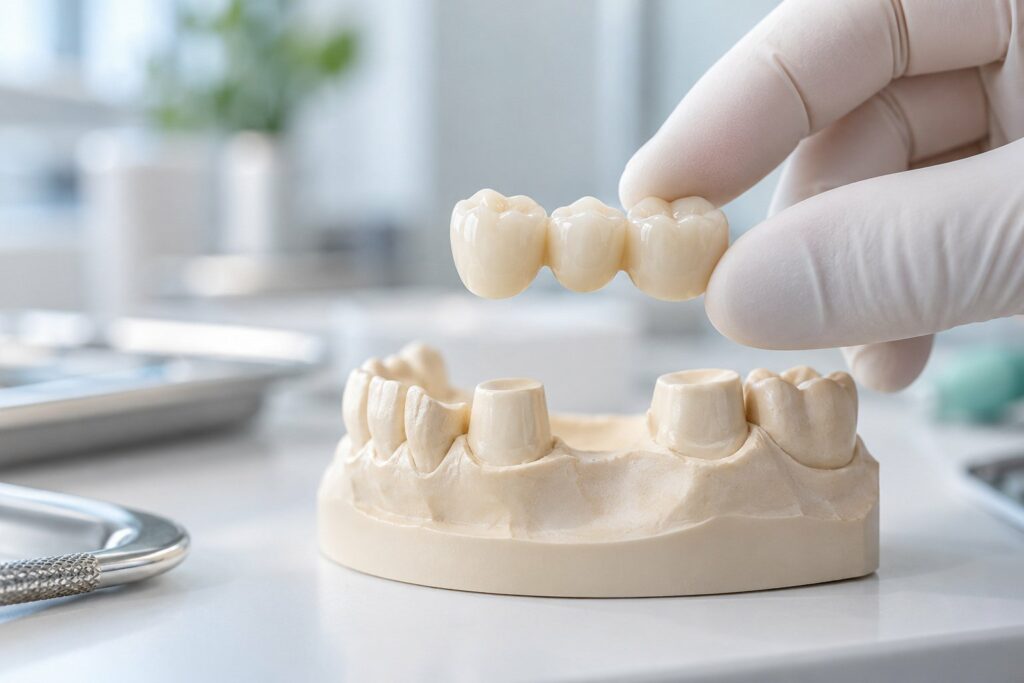
Dental bridges are prosthetic devices designed to replace one or more missing teeth by bridging the gap between existing teeth. They are anchored to the adjacent natural teeth, known as abutment teeth, which provide the necessary support for the bridge. The missing tooth or teeth are represented by artificial teeth, called pontics, which can be made from various materials, including porcelain, gold, or a combination of materials.

The primary purpose of dental bridges is to restore both the functionality and aesthetics of a patient’s smile, allowing for improved chewing and speaking abilities while also enhancing overall facial appearance. The need for dental bridges often arises from tooth loss due to various reasons such as decay, injury, or periodontal disease. When a tooth is lost, the surrounding teeth may shift into the empty space, leading to misalignment and further dental issues.

Dental bridges not only fill these gaps but also help maintain the shape of the face and prevent the remaining teeth from drifting out of position. By providing a stable and durable solution, dental bridges can significantly improve a patient’s quality of life, allowing them to eat comfortably and smile confidently.

Key Takeaways

  • Dental bridges are a fixed dental restoration used to replace one or more missing teeth by bridging the gap between the remaining teeth.
  • The main types of dental bridges include traditional, cantilever, Maryland, and implant-supported bridges, each with its own advantages and considerations.
  • Dental bridges can improve chewing and speaking ability, prevent teeth from shifting, and enhance the appearance of the smile.
  • The dental bridge procedure involves preparing the abutment teeth, taking impressions, and fitting a temporary bridge before the final restoration is placed.
  • Aftercare for dental bridges includes practicing good oral hygiene, avoiding hard or sticky foods, and attending regular dental check-ups to ensure the bridge’s longevity.

Types of Dental Bridges

There are several types of dental bridges, each designed to address specific needs and circumstances.

The most common types include traditional bridges, cantilever bridges, Maryland bridges, and implant-supported bridges.

Traditional bridges are the most widely used and consist of one or more pontics held in place by crowns on either side.

This type is ideal when there are healthy teeth on both sides of the gap. The crowns provide stability and support, making traditional bridges a reliable option for many patients.

Cantilever bridges are similar to traditional ones but are anchored on only one side.

This design is often used in situations where there is only one adjacent tooth available for support. While cantilever bridges can be effective, they may not be as stable as traditional bridges due to the lack of support on both sides. Maryland bridges, on the other hand, utilize a framework made of metal or porcelain that is bonded to the back of the adjacent teeth.

This type is less invasive than traditional bridges and is often used for front teeth where aesthetics are a priority. Finally, implant-supported bridges involve dental implants placed in the jawbone to support the bridge. This option is particularly beneficial for patients who have lost multiple teeth and desire a long-lasting solution that mimics the function of natural teeth.

Benefits of Dental Bridges


Dental bridges offer numerous benefits that extend beyond mere aesthetics. One of the primary advantages is their ability to restore functionality to the mouth. Missing teeth can make it difficult to chew food properly, leading to dietary restrictions and potential nutritional deficiencies.

By replacing these missing teeth with a bridge, patients can regain their ability to chew effectively, allowing them to enjoy a wider variety of foods without discomfort. In addition to improving chewing function, dental bridges also play a crucial role in maintaining oral health. When a tooth is lost, the surrounding teeth may begin to shift into the empty space, leading to misalignment and bite issues.

This shifting can create additional stress on the jaw and surrounding muscles, potentially resulting in pain or discomfort over time. By filling the gap with a bridge, patients can prevent these complications and maintain proper alignment of their teeth. Furthermore, dental bridges can enhance speech clarity; missing teeth can lead to slurred or unclear speech patterns, and restoring these teeth can help individuals speak more clearly and confidently.

The Dental Bridge Procedure

Procedure Details
Definition A dental bridge is a fixed dental restoration used to replace one or more missing teeth by joining an artificial tooth to adjacent teeth or dental implants.
Types Traditional dental bridges, cantilever bridges, Maryland bonded bridges, and implant-supported bridges.
Procedure 1. Examination and preparation of abutment teeth. 2. Taking impressions of the teeth. 3. Placing a temporary bridge. 4. Fitting the permanent bridge.
Recovery It may take a few days to get used to the new bridge, and some sensitivity to hot or cold temperatures is common.
Cost The cost of a dental bridge can vary depending on the type of bridge and materials used, but it is generally less expensive than dental implants.

The process of getting a dental bridge typically involves multiple visits to the dentist and can be broken down into several key steps. During the initial consultation, the dentist will conduct a thorough examination of the patient’s mouth, including X-rays if necessary, to assess the condition of the surrounding teeth and gums. This evaluation helps determine the most suitable type of bridge for the patient’s specific needs.

Once a treatment plan is established, the dentist will prepare the abutment teeth by removing a portion of enamel to accommodate crowns that will support the bridge. After preparing the abutment teeth, impressions will be taken to create a custom bridge that fits seamlessly into the patient’s mouth. While waiting for the permanent bridge to be fabricated—usually taking a couple of weeks—the dentist may place a temporary bridge to protect the exposed teeth and gums.

Once the permanent bridge is ready, the patient will return for a fitting appointment. The dentist will carefully place the bridge in position, making any necessary adjustments for comfort and proper alignment before permanently cementing it in place.

Aftercare for Dental Bridges

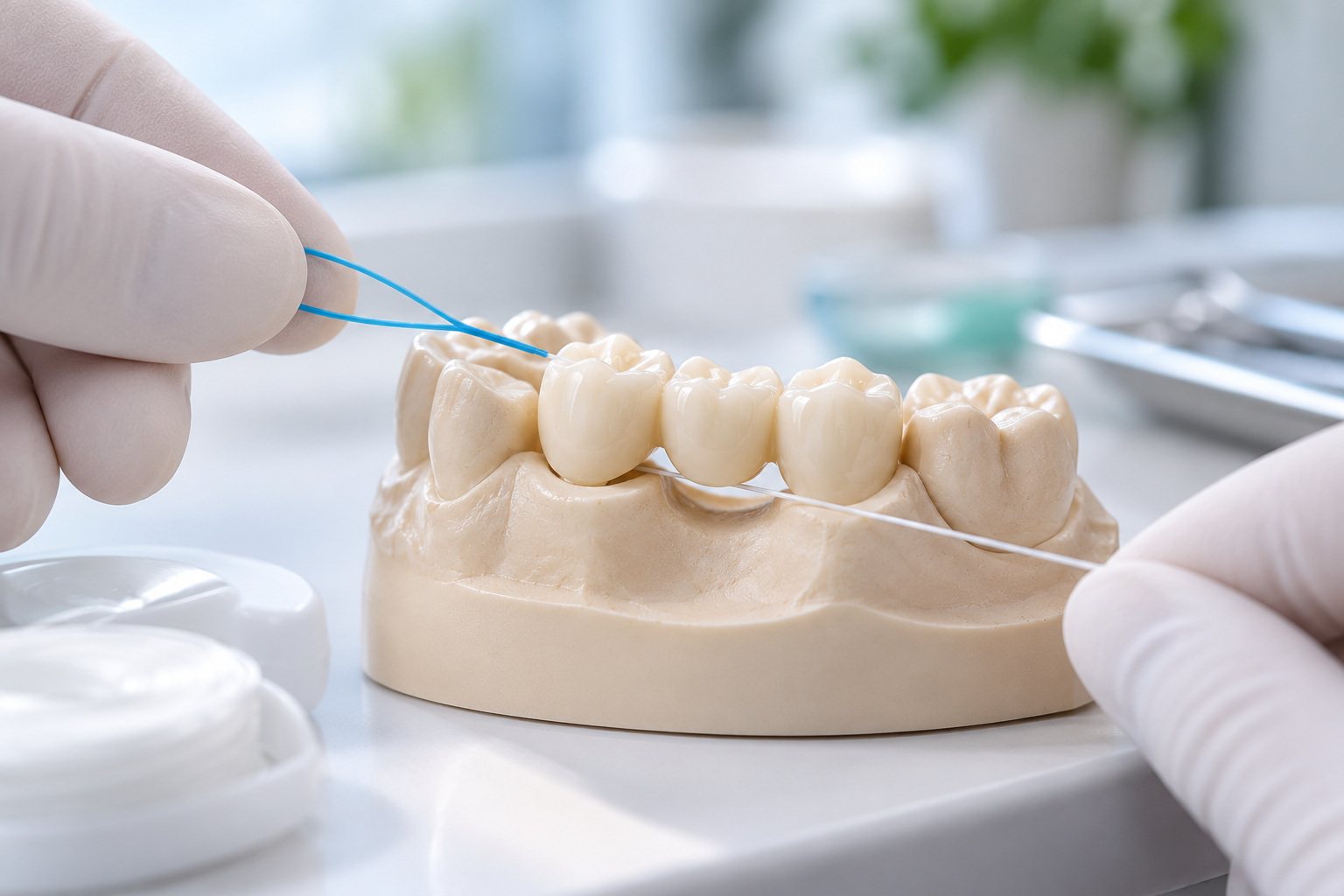
Proper aftercare is essential for maintaining dental bridges and ensuring their longevity. Patients should adhere to good oral hygiene practices, including brushing at least twice a day and flossing daily. Special attention should be given to cleaning around the bridge and between the pontics and adjacent teeth to prevent plaque buildup and gum disease.

Many dentists recommend using an interdental brush or floss threaders specifically designed for cleaning around dental appliances. Regular dental check-ups are also crucial for monitoring the condition of both the bridge and surrounding teeth. During these visits, dentists can identify any potential issues early on and provide professional cleanings that help maintain oral health.

Additionally, patients should avoid hard or sticky foods that could damage or dislodge the bridge. By following these aftercare guidelines, individuals can enjoy their dental bridges for many years while minimizing complications.

Potential Risks and Complications

While dental bridges are generally considered safe and effective, there are potential risks and complications associated with their placement. One common concern is sensitivity in the abutment teeth following preparation for crowns. This sensitivity may occur due to nerve exposure during tooth preparation or irritation from dental materials used in the procedure.

In most cases, this sensitivity subsides over time; however, if it persists or worsens, patients should consult their dentist. Another risk involves potential failure of the bridge itself due to improper fit or excessive force applied during chewing. If a bridge becomes loose or dislodged, it may require adjustment or replacement.

Additionally, if proper oral hygiene is not maintained, patients may experience gum disease or decay in the abutment teeth, which could compromise the integrity of the bridge. Regular dental visits and diligent home care are essential in mitigating these risks and ensuring long-term success.

Cost of Dental Bridges

The cost of dental bridges can vary significantly based on several factors, including the type of bridge chosen, materials used, geographic location, and individual dentist fees. On average, traditional dental bridges can range from $2,000 to $5,000 per unit; this price typically includes both the bridge itself and any necessary preparatory work such as crowns on abutment teeth. Cantilever bridges may be slightly less expensive due to their simpler design, while implant-supported bridges tend to be on the higher end of the spectrum due to additional surgical procedures involved in placing implants.

Insurance coverage can also play a significant role in determining out-of-pocket costs for patients seeking dental bridges. Many dental insurance plans cover a portion of bridge costs but may have limitations based on specific policies or waiting periods for major restorative work. Patients should consult with their insurance provider to understand their coverage options fully and discuss payment plans with their dentist if needed.

Alternatives to Dental Bridges

For individuals who are considering alternatives to dental bridges, several options exist that may better suit their needs or preferences. One popular alternative is dental implants, which involve surgically placing titanium posts into the jawbone to serve as artificial tooth roots. Implants provide a stable foundation for crowns or bridges and offer several advantages over traditional bridges, including improved bone health and longevity.

Another option is partial dentures, which are removable appliances designed to replace missing teeth without requiring alteration of adjacent healthy teeth. Partial dentures can be an effective solution for patients who prefer a non-invasive approach or who may not have sufficient bone density for implants. Additionally, some individuals may opt for resin-bonded bridges (Maryland bridges) as a less invasive alternative that preserves more natural tooth structure while providing aesthetic benefits.

Ultimately, choosing between dental bridges and their alternatives depends on various factors such as individual health conditions, personal preferences regarding treatment options, and financial considerations. Consulting with a qualified dental professional can help patients make informed decisions tailored to their unique circumstances.

If you are considering dental bridges to improve your smile, you may also want to explore the benefits of braces. Braces can help straighten misaligned teeth and correct bite issues, leading to a more confident smile. To learn more about how braces can perfect your smile, check out this article. Additionally, if you are looking for a more discreet option for straightening your teeth, you may want to consider Invisalign treatment. Invisalign uses clear aligners to gradually shift your teeth into place without the need for traditional braces. To find out more about how Invisalign can transform your smile, visit this link.

Book Now

FAQs

What is a dental bridge?

A dental bridge is a fixed dental restoration used to replace one or more missing teeth. It consists of artificial teeth (pontics) that are held in place by dental crowns on the adjacent natural teeth or dental implants.

What are the types of dental bridges?

There are several types of dental bridges, including traditional bridges, cantilever bridges, Maryland bonded bridges, and implant-supported bridges. The type of bridge used depends on the specific needs of the patient and the location of the missing teeth.

How is a dental bridge placed?

The process of placing a dental bridge typically involves preparing the adjacent natural teeth by removing a portion of their enamel to accommodate the dental crowns. Impressions are then taken to create a custom bridge that fits the patient’s mouth. The bridge is then cemented into place, restoring the function and appearance of the patient’s smile.

What are the benefits of dental bridges?

Dental bridges can help restore the ability to chew and speak properly, maintain the shape of the face, distribute the forces in the bite properly, and prevent the remaining teeth from shifting out of position. They also improve the appearance of the smile and boost self-confidence.

How long do dental bridges last?

With proper care and maintenance, dental bridges can last for 5-15 years or even longer. Good oral hygiene, regular dental check-ups, and avoiding habits like teeth grinding can help prolong the lifespan of a dental bridge.

Are dental bridges covered by insurance?

Many dental insurance plans provide coverage for dental bridges, but the extent of coverage may vary depending on the specific plan. It’s important to check with the insurance provider to understand the details of coverage for dental bridges.

Leave a Comment