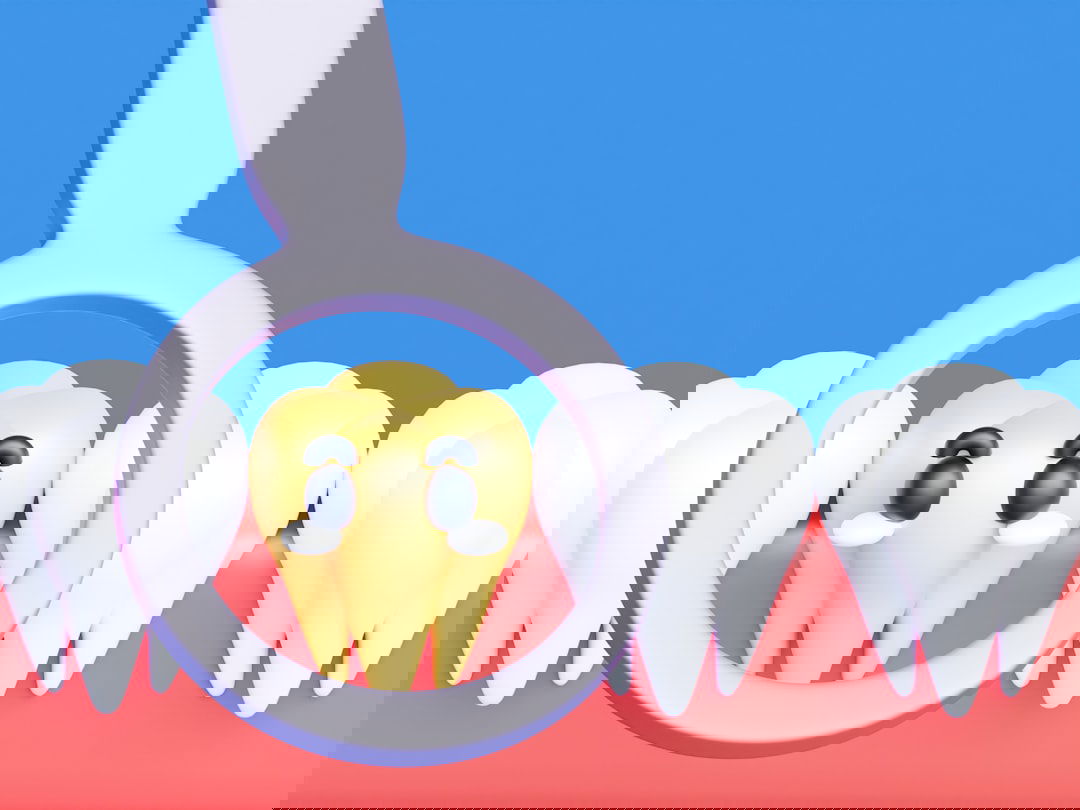
Dental decay, also known as caries or cavities, is a prevalent oral health issue that affects individuals of all ages. It occurs when the hard surface of the teeth, primarily enamel, is eroded by acids produced by bacteria that feed on sugars and carbohydrates in the mouth. The process begins with the formation of plaque, a sticky film of bacteria that adheres to teeth.
If not removed through regular brushing and flossing, plaque can harden into tartar, further exacerbating the decay process. The initial stages of dental decay may be asymptomatic, making it crucial for individuals to maintain regular dental check-ups to catch any issues early. As dental decay progresses, it can lead to more severe complications, including pain, infection, and even tooth loss.
The symptoms often manifest as tooth sensitivity, visible holes or pits in the teeth, and persistent pain that may worsen when consuming hot, cold, or sweet foods. Treatment options vary depending on the severity of the decay. Early-stage cavities may be treated with fluoride treatments or dental sealants, while more advanced cases may require fillings, crowns, or even root canal therapy.
Preventive measures such as maintaining good oral hygiene practices, reducing sugar intake, and regular dental visits are essential in combating dental decay.
Key Takeaways
- Dental decay is caused by bacteria in the mouth that produce acid, which can lead to cavities if not properly treated.
- Gum disease, also known as periodontal disease, is an infection of the tissues that surround and support the teeth, and can lead to tooth loss if left untreated.
- Tooth fractures can occur from trauma, biting on hard objects, or from weakened teeth due to decay or large fillings.
- Tooth sensitivity can be caused by exposed dentin, enamel erosion, or gum recession, and can cause discomfort when consuming hot, cold, sweet, or acidic foods and drinks.
- Impacted wisdom teeth can cause pain, infection, and damage to surrounding teeth, and may require extraction to alleviate symptoms.
Gum Disease
Gum disease, or periodontal disease, is a serious condition that affects the tissues surrounding and supporting the teeth.
Symptoms of gingivitis include redness, swelling, and bleeding during brushing or flossing.
If left untreated, gingivitis can progress to periodontitis, a more severe form of gum disease that can lead to tooth loss and other systemic health issues. Research has shown a correlation between periodontal disease and conditions such as heart disease and diabetes, highlighting the importance of oral health in overall well-being. The treatment for gum disease varies based on its severity.
In the early stages, improved oral hygiene practices and professional cleanings may suffice to reverse gingivitis. However, advanced periodontitis may require more intensive interventions such as scaling and root planing, which involves deep cleaning below the gum line to remove tartar and bacteria. In some cases, surgical procedures may be necessary to restore gum health.
Preventive measures include regular dental check-ups, proper brushing and flossing techniques, and lifestyle changes such as quitting smoking and maintaining a balanced diet rich in vitamins and minerals that support gum health.
Tooth Fracture
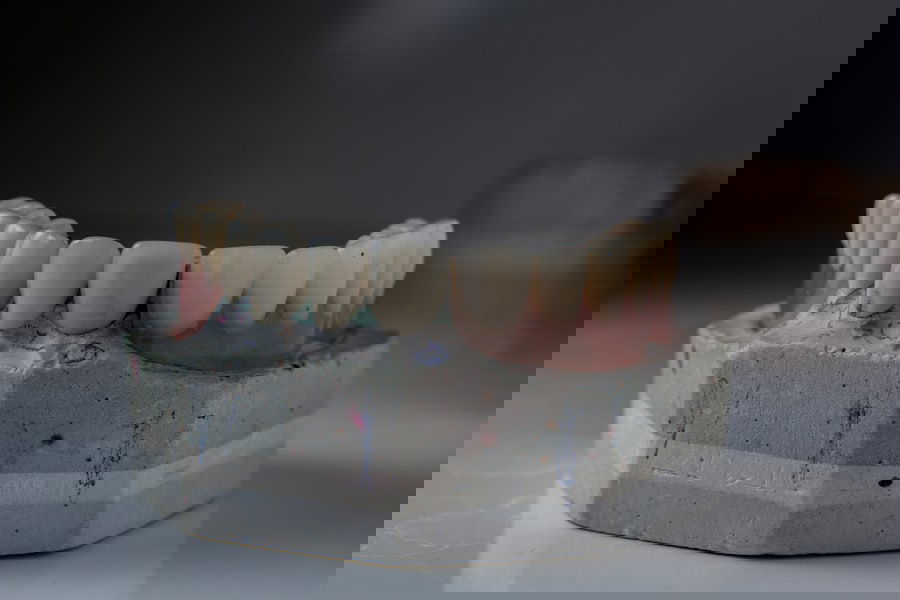
Tooth fractures can occur due to various reasons, including trauma from accidents, biting down on hard objects, or even excessive grinding of teeth. The severity of a tooth fracture can range from minor chips to complete breaks that expose the inner pulp of the tooth. Symptoms often include sharp pain when chewing or sensitivity to temperature changes.
A fractured tooth not only poses immediate discomfort but can also lead to complications such as infection if bacteria enter through the fracture site. Treatment for a fractured tooth depends on the extent of the damage. Minor chips may be smoothed out or restored with dental bonding materials.
More significant fractures might require crowns to protect the remaining tooth structure or root canal therapy if the pulp is affected. In severe cases where the tooth cannot be saved, extraction may be necessary. Preventive measures include wearing mouthguards during contact sports and avoiding habits that put undue stress on teeth, such as chewing ice or using teeth as tools.
Tooth Sensitivity
| Category | Metrics |
|---|---|
| Prevalence | 1 in 8 adults experience tooth sensitivity |
| Causes | Enamel erosion, gum recession, tooth decay |
| Symptoms | Sharp pain when consuming hot, cold, sweet, or acidic foods |
| Treatment | Desensitizing toothpaste, fluoride treatments, dental procedures |
Tooth sensitivity is a common condition characterized by discomfort or pain in response to certain stimuli, such as hot or cold temperatures, sweet foods, or even breathing in cold air. This sensitivity often arises from exposed dentin—the layer beneath the enamel—due to enamel erosion or gum recession. Factors contributing to tooth sensitivity include aggressive brushing techniques, acidic diets, and certain dental procedures that temporarily heighten sensitivity.
Managing tooth sensitivity typically involves identifying and addressing its underlying causes. Desensitizing toothpaste containing compounds like potassium nitrate can help block nerve signals associated with pain. Additionally, fluoride treatments provided by dental professionals can strengthen enamel and reduce sensitivity over time.
In more severe cases, dental procedures such as bonding agents or sealants may be applied to sensitive areas to provide relief. Maintaining good oral hygiene practices and avoiding overly abrasive toothpaste can also play a significant role in preventing sensitivity.
Impacted Wisdom Teeth
Impacted wisdom teeth are third molars that do not have enough space to emerge properly in the mouth. This condition often leads to various complications, including pain, swelling, and infection. Wisdom teeth typically emerge in late adolescence or early adulthood; however, many individuals do not have sufficient jaw space for these teeth to grow correctly.
As a result, they may become trapped beneath the gum line or grow at odd angles.
In cases where impacted wisdom teeth cause recurrent infections or damage to adjacent teeth, extraction is often recommended.
Oral surgeons typically perform this procedure under local anesthesia or sedation to ensure patient comfort. Post-operative care is crucial for recovery; patients are advised to follow specific guidelines regarding diet and oral hygiene to promote healing.
Sinus Infection
Sinus infections, or sinusitis, can sometimes mimic dental issues due to their proximity to the upper teeth and jawbone. The maxillary sinuses are located just above the upper molars; thus, inflammation or infection in these sinuses can lead to referred pain in the teeth. Symptoms of a sinus infection include facial pain or pressure, nasal congestion, and sometimes toothache in the upper jaw.
When dental professionals encounter patients with unexplained tooth pain, they often consider sinusitis as a potential cause. Treatment for sinus infections typically involves decongestants, nasal sprays, or antibiotics if a bacterial infection is suspected. In some cases, dental intervention may be necessary if there is an underlying dental issue contributing to sinus problems.
Understanding the relationship between sinus infections and dental pain is essential for accurate diagnosis and effective treatment.
Bruxism (Teeth Grinding)
Bruxism is a condition characterized by the involuntary grinding or clenching of teeth, often occurring during sleep or periods of stress. This habit can lead to various dental issues such as worn enamel, increased tooth sensitivity, and jaw pain. Many individuals are unaware they grind their teeth until they experience symptoms like headaches or facial discomfort upon waking.
The causes of bruxism are multifaceted; stress and anxiety are significant contributors but can also be linked to sleep disorders or misaligned teeth. Treatment options vary based on severity but often include lifestyle modifications such as stress management techniques and avoiding stimulants like caffeine before bedtime. Dental professionals may recommend custom-fitted mouthguards to protect teeth from grinding during sleep.
In some cases, behavioral therapies aimed at reducing stress can also be beneficial in managing bruxism.
Temporomandibular Joint (TMJ) Disorders
Temporomandibular joint disorders (TMJ disorders) encompass a range of conditions affecting the jaw joint and surrounding muscles responsible for jaw movement. Symptoms often include jaw pain, difficulty chewing, clicking or popping sounds when opening or closing the mouth, and headaches. The exact cause of TMJ disorders can vary widely; factors such as arthritis, jaw injuries, misalignment of teeth or jaws, and bruxism can all contribute to dysfunction in this area.
Diagnosis typically involves a thorough examination by a dental professional who may assess jaw movement and listen for sounds during motion. Treatment options range from conservative approaches like physical therapy and stress management techniques to more invasive procedures such as splints or surgery in severe cases. Patients are often encouraged to adopt habits that minimize strain on the jaw joint, such as avoiding hard foods and practicing relaxation techniques.
Understanding TMJ disorders is crucial for effective management and improving quality of life for those affected by this condition.
If you are experiencing a toothache, it could be due to a variety of reasons such as tooth decay, gum disease, or even teeth grinding. One common solution to address tooth imperfections like gaps or misalignment is through dental veneers. To learn more about the different types of dental veneers available, check out this informative article on Exploring Different Types of Dental Veneers. Dental veneers can also help transform your smile and close gaps between teeth, as discussed in the articles Closing Gaps with Dental Veneers.
FAQs
What are the common causes of toothache?
Toothache can be caused by various factors such as tooth decay, gum disease, tooth abscess, tooth fracture, damaged fillings, and repetitive motions such as grinding teeth.
Can sinus infections cause toothache?
Yes, sinus infections can cause toothache. The pressure and inflammation in the sinuses can cause pain in the upper teeth, often leading to a misdiagnosis of a dental issue.
Can tooth sensitivity cause toothache?
Tooth sensitivity can cause toothache, especially when consuming hot or cold foods and beverages. This sensitivity can be caused by exposed dentin, enamel erosion, or gum recession.
Can a toothache be a sign of a more serious health issue?
Yes, a toothache can sometimes be a sign of a more serious health issue such as a heart attack, sinus infection, or even a sign of oral cancer. It is important to consult a dentist to rule out any serious health concerns.
What should I do if I have a toothache?
If you have a toothache, it is important to schedule an appointment with a dentist as soon as possible. In the meantime, you can rinse your mouth with warm salt water, use over-the-counter pain medication, and apply a cold compress to the outside of your cheek to help alleviate the pain.