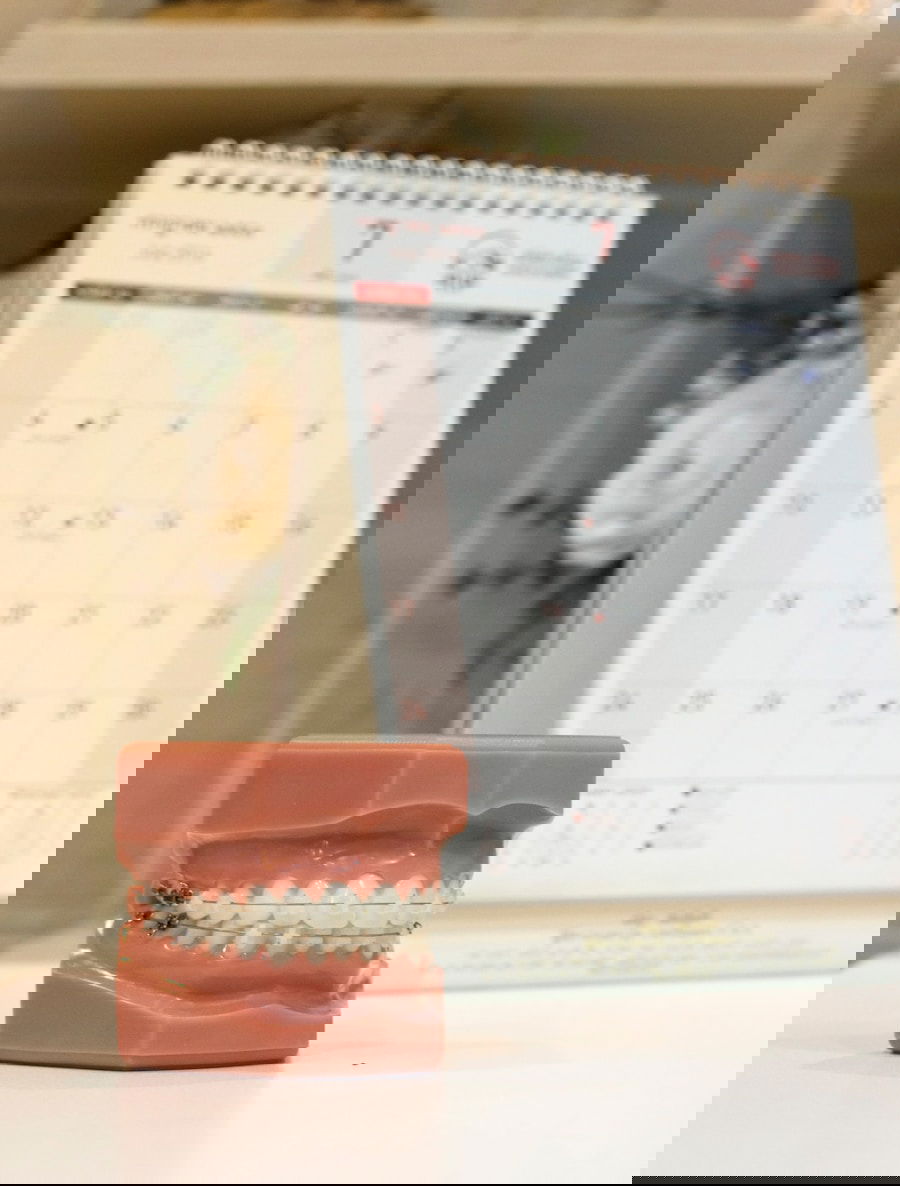
Dental veneers have emerged as a popular cosmetic dentistry solution for individuals seeking to enhance their smiles. These thin shells, typically made from porcelain or composite resin, are custom-crafted to fit over the front surface of teeth, effectively masking imperfections such as discoloration, chips, or misalignment. The appeal of dental veneers lies not only in their aesthetic benefits but also in their ability to provide a minimally invasive option for achieving a radiant smile.
The process of applying veneers involves careful planning and collaboration between the dentist and the patient, ensuring that the final result aligns with the individual’s desired outcome. The history of dental veneers dates back to the 1920s when they were first developed by a California dentist named Charles Pincus. Initially designed for use in Hollywood to enhance the smiles of actors, veneers have since evolved into a mainstream dental treatment accessible to a broader audience.
Today, advancements in dental technology and materials have made it possible for veneers to mimic the natural appearance of teeth closely, offering a durable and aesthetically pleasing solution for those looking to improve their dental aesthetics. As more people become aware of the transformative potential of dental veneers, understanding their longevity and care becomes increasingly important.
Key Takeaways
- Dental veneers are thin, custom-made shells of tooth-colored materials designed to cover the front surface of teeth to improve their appearance.
- Factors affecting the lifespan of dental veneers include oral hygiene, diet, habits such as teeth grinding, and regular dental check-ups.
- Proper care and maintenance of dental veneers involve regular brushing and flossing, avoiding staining foods and drinks, and wearing a mouthguard if necessary.
- Signs of wear and tear on dental veneers include discoloration, chipping, cracking, and sensitivity to hot or cold temperatures.
- The average lifespan of dental veneers is around 10-15 years, but with proper care, it can be extended.
Factors Affecting the Lifespan of Dental Veneers
Material Selection: A Key Factor in Veneer Longevity
The material used in the fabrication of veneers is one of the primary factors affecting their lifespan. Porcelain veneers are known for their durability and resistance to staining, often lasting longer than their composite resin counterparts. The choice of material can significantly impact not only the aesthetic outcome but also the longevity of the veneers. Porcelain veneers typically have a lifespan of 10 to 15 years, while composite veneers may last around 5 to 7 years, depending on individual circumstances.
Oral Hygiene Practices: A Critical Factor in Veneer Longevity
Another critical factor affecting the lifespan of dental veneers is the patient’s oral hygiene practices. Individuals who maintain excellent oral hygiene—brushing twice daily, flossing regularly, and visiting the dentist for routine check-ups—tend to experience longer-lasting results with their veneers. Poor oral hygiene can lead to gum disease and decay, which may compromise the integrity of the underlying tooth structure and ultimately affect the longevity of the veneer itself.
Habits and Lifestyle Choices: Avoiding Premature Wear and Damage
Additionally, habits such as grinding teeth (bruxism) or using teeth as tools can place undue stress on veneers, leading to premature wear or damage. By avoiding these habits and maintaining good oral hygiene practices, individuals can help extend the lifespan of their dental veneers.
Proper Care and Maintenance of Dental Veneers
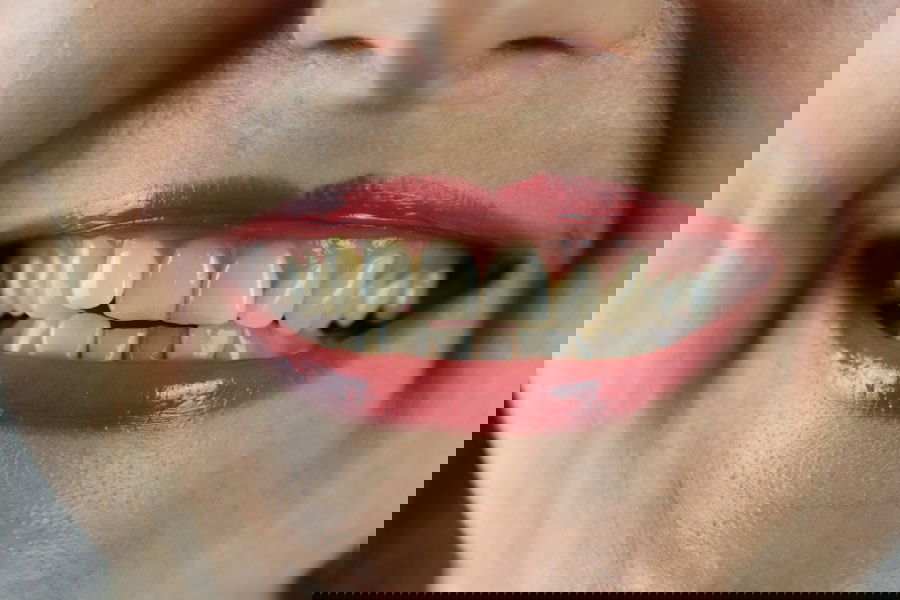
To maximize the lifespan of dental veneers, proper care and maintenance are essential. Patients should adopt a diligent oral hygiene routine that includes brushing with a non-abrasive toothpaste and using a soft-bristled toothbrush. This approach helps prevent plaque buildup and minimizes the risk of gum disease, which can adversely affect both natural teeth and veneers.
Flossing is equally important, as it removes food particles and plaque from between teeth and along the gum line, areas that toothbrushes may not effectively reach. In addition to regular brushing and flossing, patients should be mindful of their dietary choices. Certain foods and beverages can stain or damage dental veneers over time.
For instance, highly pigmented substances like coffee, red wine, and dark berries can lead to discoloration if consumed excessively. Similarly, hard or crunchy foods can pose a risk to the integrity of veneers if bitten down on too forcefully. It is advisable for patients to avoid using their teeth as tools for opening packages or biting nails, as these habits can lead to chips or cracks in the veneer material.
Signs of Wear and Tear on Dental Veneers
| Signs of Wear and Tear on Dental Veneers | Frequency |
|---|---|
| Discoloration | 20% |
| Chipping | 15% |
| Cracking | 10% |
| Sensitivity | 25% |
| Worn edges | 30% |
Recognizing the signs of wear and tear on dental veneers is crucial for timely intervention and maintenance. One common indicator is visible discoloration or staining that may occur over time, particularly with composite resin veneers. While porcelain veneers are more resistant to staining, they are not entirely immune; thus, any noticeable changes in color should prompt a consultation with a dental professional.
Additionally, patients may notice roughness or changes in texture on the surface of their veneers, which can indicate wear or damage. Another sign that dental veneers may require attention is discomfort or sensitivity in the affected teeth. If patients experience increased sensitivity to hot or cold temperatures or discomfort while chewing, it may suggest that the underlying tooth structure is compromised or that the veneer itself has become damaged.
In such cases, it is essential to seek professional evaluation to determine whether repair or replacement is necessary. Regular dental check-ups can help identify these issues early on, allowing for proactive measures to be taken before more significant problems arise.
Average Lifespan of Dental Veneers
The average lifespan of dental veneers varies based on several factors, including material choice, oral hygiene practices, and individual habits. Generally speaking, porcelain veneers tend to have a longer lifespan than composite resin veneers due to their superior durability and resistance to staining. On average, porcelain veneers can last anywhere from 10 to 15 years with proper care, while composite resin veneers typically last around 5 to 7 years.
However, it is essential to note that these averages can fluctuate based on individual circumstances. For instance, patients who grind their teeth or have poor oral hygiene may find that their veneers wear out more quickly than expected. Conversely, those who take exceptional care of their oral health may enjoy an extended lifespan for their veneers beyond the average estimates.
Regular dental visits play a vital role in monitoring the condition of veneers and addressing any issues that may arise over time.
Extending the Lifespan of Dental Veneers

Extending the lifespan of dental veneers requires a proactive approach that encompasses both preventive care and lifestyle choices. One effective strategy is to schedule regular dental check-ups every six months. During these visits, dentists can assess the condition of the veneers and provide professional cleanings that help maintain their appearance and integrity.
Additionally, dentists can offer personalized advice on oral hygiene practices tailored to individual needs. Another way to prolong the life of dental veneers is by avoiding harmful habits that can lead to damage. For example, individuals who engage in teeth grinding should consider using a nightguard to protect their veneers while they sleep.
This simple device can significantly reduce the pressure placed on teeth during grinding episodes, thereby minimizing wear on both natural teeth and veneers alike. Furthermore, being mindful of dietary choices—such as limiting acidic foods and beverages—can help preserve both natural tooth structure and veneer integrity.
Replacement and Maintenance Costs of Dental Veneers
The costs associated with dental veneers can vary widely based on several factors, including geographic location, dentist expertise, and material choice. On average, porcelain veneers can range from $925 to $2,500 per tooth, while composite resin veneers are generally less expensive, averaging between $250 and $1,500 per tooth. It is important for patients to consider not only the initial costs but also potential maintenance expenses over time.
Replacement costs should also be factored into any decision regarding dental veneers. As previously mentioned, porcelain veneers typically last longer than composite options; however, if damage occurs or if a veneer becomes discolored beyond repair, replacement may be necessary. Patients should discuss potential costs with their dentist during consultations to ensure they have a clear understanding of what to expect financially throughout the lifespan of their veneers.
Making Informed Decisions about Dental Veneers
When considering dental veneers as an option for enhancing one’s smile, it is crucial for individuals to make informed decisions based on comprehensive knowledge about their longevity and care requirements. Understanding factors that influence lifespan—such as material choice and oral hygiene practices—can empower patients to take proactive steps in maintaining their cosmetic enhancements.
Ultimately, consulting with a qualified dental professional is essential for anyone considering this cosmetic procedure. A dentist can provide personalized recommendations based on individual needs and circumstances while ensuring that patients are well-informed about what to expect throughout their journey with dental veneers. With careful consideration and proper maintenance, dental veneers can serve as a long-lasting solution for achieving a beautiful smile that enhances both confidence and quality of life.
Orthodontic treatment can help improve the alignment of your teeth and overall oral health. To read more about the benefits of orthodontic treatment, check out this article. Additionally, if you are looking for a dentist in the Blacktown area, you may want to explore the services offered by White Pearl Dental Care. To learn more about their services, visit their website.
FAQs
What are dental veneers?
Dental veneers are thin, custom-made shells of tooth-colored materials designed to cover the front surface of teeth to improve their appearance. They are commonly made from porcelain or resin composite materials.
How long do dental veneers last?
On average, dental veneers can last between 10 to 15 years. However, with proper care and maintenance, they can potentially last even longer.
What factors can affect the lifespan of dental veneers?
Several factors can affect the lifespan of dental veneers, including oral hygiene practices, diet, teeth grinding or clenching, and regular dental check-ups. Poor oral hygiene and habits such as teeth grinding can shorten the lifespan of veneers.
How can I extend the lifespan of my dental veneers?
To extend the lifespan of dental veneers, it is important to maintain good oral hygiene, avoid biting on hard objects, wear a mouthguard if you grind your teeth, and visit your dentist regularly for check-ups and cleanings.
What happens when dental veneers need to be replaced?
When dental veneers need to be replaced, the old veneers will be removed, and new ones will be custom-made to fit your teeth. The process is similar to the initial placement of veneers.