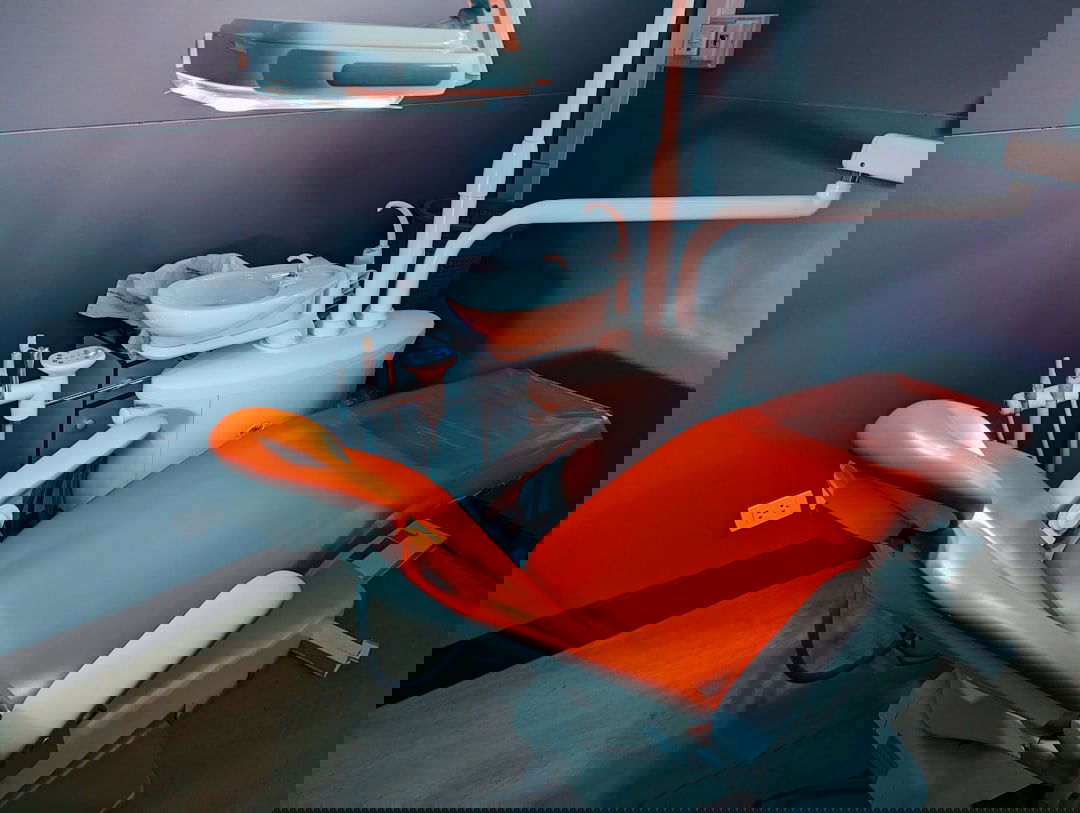
Preventive dentistry is a proactive approach that emphasizes the importance of maintaining oral health to avert potential dental issues. Regular dental check-ups and cleanings are fundamental components of this strategy. During these visits, dental professionals can identify early signs of decay, gum disease, or other oral health concerns that may not be immediately apparent to the patient.
For instance, a small cavity can be treated with a simple filling if caught early, whereas neglecting it can lead to more severe complications, such as root canals or extractions. The American Dental Association recommends that individuals visit their dentist at least twice a year for routine examinations and cleanings, which can significantly reduce the risk of developing serious dental problems. In addition to professional cleanings, daily oral hygiene practices play a crucial role in preventing dental issues.
Brushing teeth at least twice a day with fluoride toothpaste and flossing daily helps remove plaque—a sticky film of bacteria that forms on teeth. If plaque is not removed, it can harden into tartar, leading to gum disease and cavities. Moreover, using an antibacterial mouthwash can further reduce the bacterial load in the mouth.
By establishing a consistent oral hygiene routine, individuals can create an environment that is less conducive to the development of dental problems, thereby safeguarding their oral health for years to come.
Key Takeaways
- Brush and floss regularly to prevent dental problems before they start
- Visit your dentist for regular check-ups to catch dental issues early
- Good oral health contributes to overall health and well-being
- Stay hydrated and avoid foods that cause bad breath to prevent it
- Practice good oral hygiene to keep your teeth and gums healthy and strong
- Regular dental care can save you money on costly treatments in the long run
- Building a relationship with your dentist can lead to better oral health outcomes
- Setting a good example for others by prioritizing dental care can encourage them to do the same
Catching Dental Issues Early
The Importance of Identifying Early Warning Signs
For example, gingivitis, the earliest form of gum disease, may manifest as slight redness or swelling of the gums, which many people might overlook. However, if left untreated, it can progress to periodontitis, a more severe condition that can lead to tooth loss and other systemic health issues. Regular dental visits allow for the identification of these early warning signs, enabling timely intervention.
Advancements in Dental Technology
Technological advancements in dentistry have also enhanced the ability to catch dental issues early. Digital X-rays, for instance, expose patients to significantly less radiation than traditional X-rays while providing high-resolution images that can reveal cavities and bone loss with greater clarity.
Empowering Patients through Transparency
Additionally, some dental practices utilize intraoral cameras that allow dentists to show patients real-time images of their teeth and gums, making it easier to understand the condition of their oral health. This transparency fosters a collaborative relationship between the patient and dentist, encouraging individuals to take an active role in their dental care.
Maintaining Overall Health

Oral health is intricately linked to overall health, with numerous studies highlighting the connection between periodontal disease and systemic conditions such as heart disease, diabetes, and respiratory illnesses. The mouth serves as a gateway to the body; therefore, bacteria from periodontal infections can enter the bloodstream and contribute to inflammation and other health issues. For instance, individuals with diabetes are more susceptible to gum disease due to their compromised immune response and elevated blood sugar levels.
Conversely, untreated gum disease can make it more challenging to control blood sugar levels, creating a vicious cycle that exacerbates both conditions. Maintaining good oral hygiene not only protects against dental problems but also supports overall well-being. A healthy mouth contributes to better nutrition since individuals with dental pain or missing teeth may avoid certain foods, leading to nutritional deficiencies.
Furthermore, oral health impacts mental health; individuals with poor dental hygiene may experience low self-esteem or social anxiety due to concerns about their appearance or bad breath. By prioritizing oral health through regular dental care and good hygiene practices, individuals can enhance their quality of life and reduce the risk of developing serious health complications.
Preventing Bad Breath
| Preventing Bad Breath | Recommendation |
|---|---|
| Brushing | Brush your teeth at least twice a day |
| Flossing | Floss daily to remove food particles and plaque |
| Mouthwash | Use an antiseptic mouthwash to kill bacteria |
| Hydration | Drink plenty of water to keep your mouth moist |
| Diet | Avoid foods with strong odors like garlic and onions |
Halitosis, commonly known as bad breath, is a condition that affects many people at some point in their lives. While it can be caused by various factors such as certain foods, dry mouth, or medical conditions, poor oral hygiene is one of the leading contributors. Bacteria that accumulate on the tongue and between teeth produce volatile sulfur compounds that result in unpleasant odors.
Regular brushing and flossing are essential for minimizing these bacteria and maintaining fresh breath.
Diet also plays a significant role in breath freshness.
Foods like garlic and onions contain sulfur compounds that can linger in the mouth and contribute to bad breath. On the other hand, crunchy fruits and vegetables such as apples and carrots can help clean teeth naturally while stimulating saliva production—an essential factor in neutralizing acids and washing away food particles. Staying hydrated is equally important; dry mouth can exacerbate bad breath by reducing saliva flow.
Drinking plenty of water throughout the day helps maintain moisture in the mouth and supports overall oral health.
Keeping Your Teeth and Gums Healthy
The foundation of good oral health lies in maintaining healthy teeth and gums. Regular brushing with fluoride toothpaste helps strengthen tooth enamel and prevent decay. Flossing is equally important as it removes plaque and food particles from areas that toothbrushes cannot reach, particularly between teeth and along the gum line.
Neglecting these areas can lead to gum disease and cavities. The use of adjunctive products such as interdental brushes or water flossers can further enhance plaque removal for those who may struggle with traditional flossing techniques. In addition to at-home care, professional cleanings are crucial for maintaining healthy gums.
Dental hygienists use specialized tools to remove tartar buildup that regular brushing cannot eliminate. This process not only helps prevent gum disease but also allows for early detection of any potential issues that may arise. Furthermore, dentists often provide personalized advice on maintaining oral health based on individual needs and risk factors.
For example, patients with a history of cavities may benefit from fluoride treatments or sealants to provide additional protection against decay.
Saving Money in the Long Run

Investing in preventive dental care can lead to significant cost savings over time. While routine check-ups and cleanings may seem like an expense, they are far less costly than treating advanced dental issues that arise from neglecting oral health. For instance, a simple filling for a cavity typically costs much less than a root canal or crown required for a tooth that has been severely damaged due to decay.
By prioritizing preventive care, individuals can avoid these more extensive procedures that often come with higher price tags. Moreover, many dental insurance plans cover preventive services at little or no cost to the patient. This coverage encourages individuals to take advantage of regular check-ups and cleanings without financial burden.
Additionally, maintaining good oral health can lead to fewer missed workdays due to dental pain or procedures, further contributing to financial savings. By viewing preventive dental care as an investment rather than an expense, individuals can protect their smiles while also safeguarding their wallets.
Building a Relationship with Your Dentist
Establishing a strong relationship with your dentist is essential for effective dental care. A trusted dentist not only provides high-quality treatment but also serves as an invaluable resource for guidance on maintaining oral health. Open communication between patients and dentists fosters an environment where individuals feel comfortable discussing their concerns or asking questions about their treatment options.
This rapport can lead to more personalized care tailored to each patient’s unique needs. Moreover, a long-term relationship with a dentist allows for better tracking of an individual’s oral health history over time. Dentists who are familiar with their patients’ dental backgrounds can identify changes or patterns that may indicate emerging issues.
For example, if a patient has consistently experienced cavities in a specific area of their mouth, their dentist may recommend targeted preventive measures or lifestyle changes to address this concern proactively. This continuity of care enhances the overall effectiveness of dental treatment and promotes long-term oral health.
Setting a Good Example for Others
Practicing good oral hygiene not only benefits individuals but also sets a positive example for family members and friends. Children are particularly impressionable; when they see their parents prioritizing dental care through regular brushing, flossing, and dental visits, they are more likely to adopt these habits themselves. Teaching children about the importance of oral health from an early age instills lifelong habits that can prevent future dental problems.
Furthermore, sharing knowledge about oral health within social circles can help raise awareness about its significance. Engaging in conversations about preventive care or discussing experiences with dental visits can encourage others to take charge of their own oral health. By fostering an environment where good dental practices are valued and encouraged, individuals contribute to a culture of health that extends beyond their immediate circle—ultimately benefiting communities as a whole through improved public health outcomes related to oral hygiene.
Regular dental check-ups are essential for maintaining good oral health. These appointments allow dentists to detect any issues early on and prevent them from becoming more serious. In addition to routine check-ups, it is important to follow proper orthodontic treatment to ensure successful results.