
Dental implants are sophisticated dental devices designed to replace missing teeth, providing a permanent solution that mimics the function and appearance of natural teeth. At their core, dental implants consist of three main components: the implant itself, which is a titanium post surgically inserted into the jawbone; the abutment, which connects the implant to the crown; and the crown, which is the visible part of the tooth that is custom-made to match the surrounding teeth. This triad of components works together to restore not only the aesthetics of a smile but also the functionality of chewing and speaking.
The history of dental implants dates back thousands of years, with evidence of ancient civilizations attempting rudimentary forms of tooth replacement. However, modern dental implants as we know them began to take shape in the 20th century, particularly with the discovery of osseointegration—the process by which bone fuses to the titanium implant. This breakthrough has made dental implants a reliable and durable option for tooth replacement, with success rates often exceeding 95%.
Understanding the mechanics and benefits of dental implants is crucial for anyone considering this option, as it can significantly impact their quality of life.
Key Takeaways
- Dental implants are a permanent solution for missing teeth that look and function like natural teeth.
- Dental implants offer better stability, comfort, and durability compared to traditional dentures.
- The process of getting dental implants involves consultation, treatment planning, implant placement, and recovery.
- Good candidates for dental implants are those with good oral and overall health, adequate bone density, and a commitment to oral hygiene.
- The cost of dental implants can vary depending on the number of implants needed, additional procedures, and insurance coverage.
The Benefits of Dental Implants Over Traditional Dentures
When comparing dental implants to traditional dentures, several key advantages emerge that make implants a preferred choice for many patients. One of the most significant benefits is stability. Unlike dentures, which can shift or slip during eating or speaking, dental implants are anchored securely in the jawbone.
This stability allows individuals to enjoy their favorite foods without fear of their dentures moving out of place, leading to a more enjoyable dining experience and improved confidence in social situations. Another notable advantage is the preservation of jawbone health. When a tooth is lost, the underlying jawbone can begin to deteriorate due to lack of stimulation.
Dental implants provide the necessary stimulation to maintain bone density, preventing the sunken appearance that often accompanies tooth loss.
By choosing dental implants, patients not only restore their smile but also protect their oral health in the long run.
The Process of Getting Dental Implants: From Consultation to Recovery
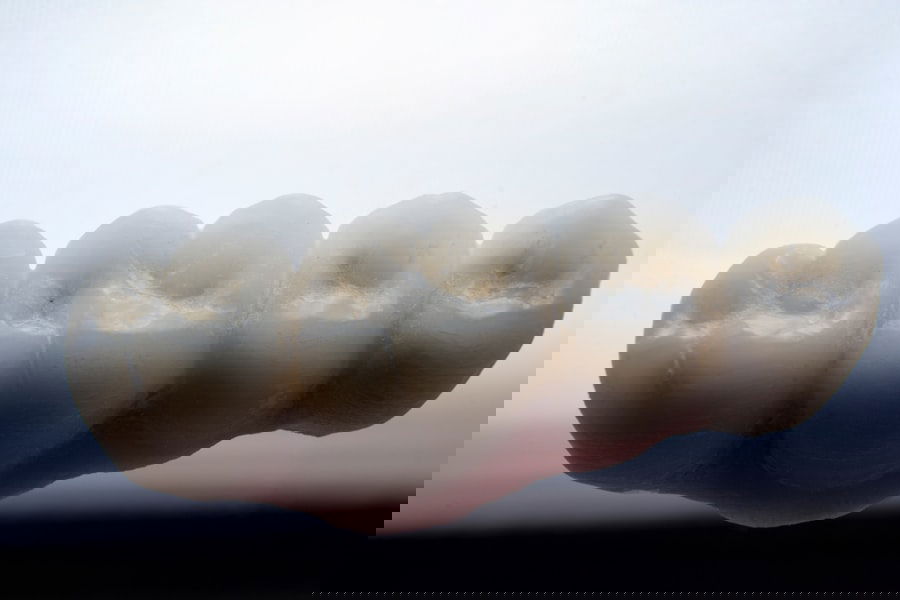
The journey to obtaining dental implants begins with a comprehensive consultation with a qualified dental professional. During this initial visit, the dentist will evaluate the patient’s oral health, including examining the gums and jawbone structure through X-rays or 3D imaging. This assessment is crucial for determining whether the patient is a suitable candidate for implants and if any preparatory procedures, such as bone grafting, are necessary to ensure a stable foundation for the implant.
Once deemed a candidate, the next step involves a surgical procedure where the titanium post is implanted into the jawbone. This procedure is typically performed under local anesthesia or sedation to ensure patient comfort. After the implant is placed, a healing period follows, during which osseointegration occurs—this can take several months as the bone fuses with the implant.
After sufficient healing, an abutment is attached to the implant, and impressions are taken to create a custom crown that matches the patient’s natural teeth. The final step involves placing the crown onto the abutment, completing the restoration process. Post-operative care and follow-up appointments are essential during recovery to monitor healing and address any concerns.
Are You a Candidate for Dental Implants?
| Criteria | Yes | No |
|---|---|---|
| Good oral health | ✓ | |
| Adequate bone density | ✓ | |
| Non-smoker | ✓ | |
| Healthy gums | ✓ | |
| Good overall health | ✓ |
Determining candidacy for dental implants involves several factors that a dental professional will assess during an initial consultation. One primary consideration is overall oral health; patients should have healthy gums free from periodontal disease and sufficient bone density in the jaw to support the implant. If bone loss has occurred due to missing teeth, procedures such as bone grafting may be recommended to build up the jawbone before implant placement.
Additionally, lifestyle factors play a role in candidacy. Patients who smoke or have uncontrolled diabetes may face higher risks of complications during and after surgery. Smoking can impede healing and increase the likelihood of implant failure, while diabetes can affect blood flow and healing processes.
However, many individuals who previously thought they were unsuitable candidates due to these factors can still achieve successful outcomes with proper management and guidance from their dental care team.
The Cost of Dental Implants: What to Expect
The financial aspect of dental implants can vary widely based on several factors, including geographic location, the complexity of the case, and whether additional procedures are needed. On average, patients can expect to pay between $3,000 and $4,500 per implant, which typically includes the surgical procedure, abutment, and crown. However, this cost may increase if bone grafting or sinus lifts are required prior to implant placement.
Insurance coverage for dental implants also varies significantly among providers. While some plans may cover a portion of the costs associated with implants, others may classify them as elective procedures and offer little to no coverage. It is advisable for patients to consult with their insurance provider and discuss financing options with their dental office to understand their financial responsibilities fully.
Many dental practices offer payment plans or financing options that can help make dental implants more accessible.
Maintaining Your Dental Implants: Tips for Long-Term Success
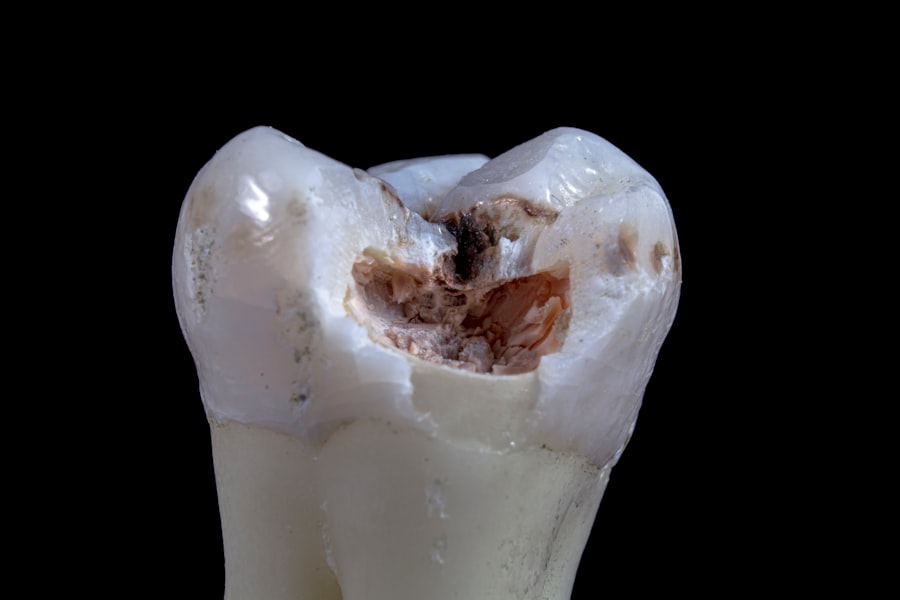
Once dental implants are successfully placed and integrated into the jawbone, maintaining them requires diligent oral hygiene practices similar to those used for natural teeth. Regular brushing and flossing are essential to prevent plaque buildup around the implant site and surrounding teeth. Patients should use a soft-bristled toothbrush and non-abrasive toothpaste to avoid damaging the crown while ensuring thorough cleaning.
In addition to at-home care, routine dental check-ups are vital for monitoring the health of both natural teeth and implants. During these visits, dental professionals can assess gum health, check for signs of infection or inflammation around the implant site, and perform professional cleanings as needed. Adhering to these maintenance practices not only prolongs the lifespan of dental implants but also contributes to overall oral health.
The Impact of Dental Implants on Your Overall Health and Well-being
The implications of dental implants extend beyond mere aesthetics; they significantly influence overall health and well-being. Missing teeth can lead to difficulties in chewing and speaking, which may result in nutritional deficiencies due to an inability to consume certain foods. By restoring full chewing function with dental implants, individuals can enjoy a varied diet rich in essential nutrients that support overall health.
Moreover, there is a psychological component associated with tooth loss that can affect self-esteem and social interactions. Many individuals experience anxiety or embarrassment about their appearance when they have missing teeth or ill-fitting dentures. Dental implants provide a permanent solution that restores not only physical appearance but also confidence in social situations.
This boost in self-esteem can lead to improved mental health outcomes, fostering a more positive outlook on life.
Choosing the Right Dental Implant Specialist: What to Look for
Selecting a qualified dental implant specialist is crucial for ensuring a successful outcome. Patients should seek professionals who have extensive training and experience specifically in implant dentistry. Credentials such as board certification in oral surgery or prosthodontics can indicate a higher level of expertise in this specialized field.
Additionally, it is beneficial to review patient testimonials and before-and-after photos from previous cases handled by the specialist. A reputable dentist will be transparent about their success rates and willing to discuss potential risks associated with the procedure. Open communication is essential; patients should feel comfortable asking questions about every aspect of their treatment plan.
Ultimately, choosing a skilled and trustworthy specialist can significantly enhance both the experience and results of receiving dental implants.
If you are considering dental implants to transform your smile, it is important to also consider orthodontic procedures to ensure the best results. An orthodontic consultation can help determine the best treatment plan for your specific needs. Invisalign maintenance tips are also essential for maintaining the health and longevity of your dental implants. For more information on orthodontic procedures and Invisalign maintenance, check out this article and com.
au/5-essential-invisalign-maintenance-tips/’>this article.
FAQs
What are dental implants?
Dental implants are artificial tooth roots that are placed into the jaw to hold a replacement tooth or bridge. They provide a strong foundation for fixed or removable replacement teeth.
Who is a good candidate for dental implants?
Good candidates for dental implants are individuals with good oral health, enough bone in the jaw to support the implant, and healthy gum tissues. Age is not necessarily a factor, as long as the individual is in good overall health.
What are the benefits of dental implants?
Dental implants offer several benefits, including improved appearance, speech, comfort, and oral health. They also provide better durability and convenience compared to other tooth replacement options.
What is the success rate of dental implants?
The success rate of dental implants varies, but it is generally high. According to the American Academy of Implant Dentistry, the success rate of dental implants is about 98%.
How long do dental implants last?
With proper care and maintenance, dental implants can last a lifetime. It is important to practice good oral hygiene, including regular brushing, flossing, and dental check-ups, to ensure the longevity of dental implants.
Are dental implants painful?
The placement of dental implants is typically done under local anesthesia, so the procedure itself is not painful. Some discomfort and minor swelling may occur after the procedure, but it can be managed with over-the-counter pain medications.