Preventative dental services are crucial in maintaining oral health and preventing a range of dental issues before they escalate into more serious problems. These services encompass a variety of practices aimed at reducing the risk of cavities, gum disease, and other oral health complications. By focusing on prevention rather than treatment, individuals can save both time and money while ensuring their teeth and gums remain healthy.
The philosophy behind preventative dentistry is rooted in the understanding that early intervention can significantly reduce the need for more invasive and costly procedures later on. Moreover, preventative dental services contribute to a better quality of life. Healthy teeth and gums not only enhance one’s ability to eat and speak comfortably but also play a significant role in self-esteem and social interactions.
Individuals with good oral health are often perceived as more attractive and approachable, which can positively impact personal and professional relationships. Therefore, investing in preventative dental care is not merely a matter of physical health; it also encompasses emotional and social well-being.
Key Takeaways
- Preventative dental services are important for maintaining good oral health and preventing dental issues in the future.
- Common preventative dental services include regular dental check-ups, cleanings, fluoride treatments, and dental sealants.
- Regular dental check-ups can help detect and prevent dental problems early, saving time and money in the long run.
- Maintaining good oral hygiene through proper brushing, flossing, and a healthy diet is essential for preventing dental issues.
- Fluoride treatments and dental sealants play a crucial role in preventing tooth decay and maintaining strong, healthy teeth.
Common Preventative Dental Services
Regular Dental Care for a Healthy Smile
Regular dental check-ups and cleanings are essential for maintaining good oral health. These routine visits, recommended every six months, allow dental professionals to identify any early signs of decay or disease. They also perform professional cleanings to remove plaque and tartar buildup that regular brushing and flossing may miss.
### Preventing Decay and Disease
This proactive approach helps to maintain oral hygiene and prevents the progression of dental issues. Fluoride treatments are also applied to strengthen tooth enamel, making it more resistant to decay. Fluoride, a naturally occurring mineral, has been shown to significantly reduce the incidence of cavities, particularly in children whose teeth are still developing.
These thin coatings act as barriers, preventing food particles and bacteria from settling into the grooves of the teeth, where they can cause cavities.
Benefits of Regular Dental Check-ups
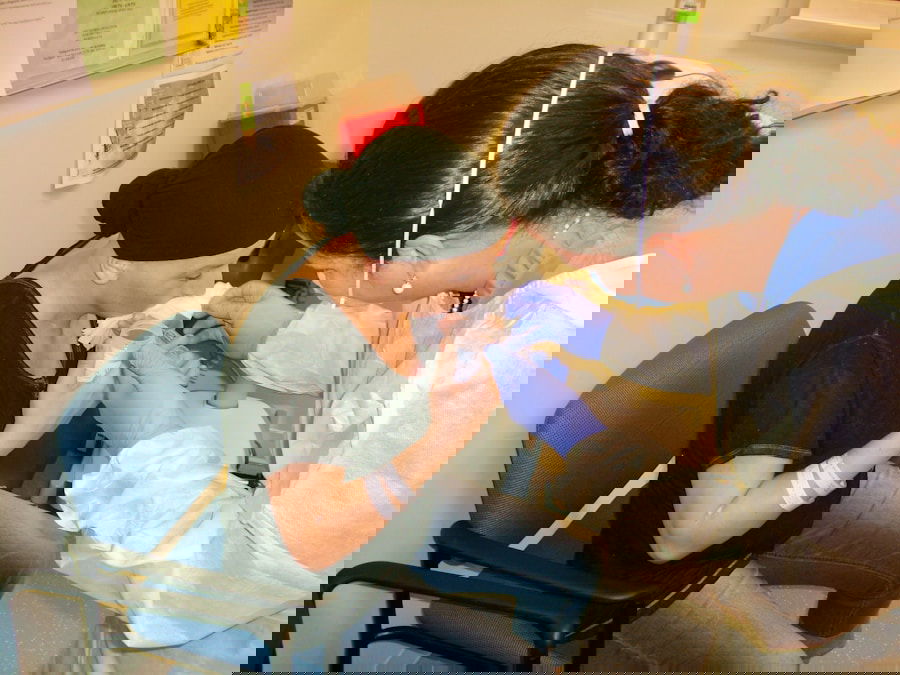
Regular dental check-ups offer numerous benefits that extend beyond just maintaining oral hygiene. One of the primary advantages is the early detection of potential problems. Dentists are trained to spot issues that may not be visible or symptomatic to patients, such as early-stage gum disease or cavities that have not yet caused pain.
By identifying these problems early, patients can receive timely treatment, which often results in less invasive procedures and better outcomes. Additionally, regular visits to the dentist foster a relationship between the patient and the dental care provider, which can enhance communication about oral health concerns. This rapport allows for personalized advice tailored to an individual’s specific needs, including dietary recommendations and home care techniques.
Furthermore, consistent check-ups can help instill good oral hygiene habits from a young age, setting the foundation for a lifetime of healthy practices.
Tips for Maintaining Good Oral Hygiene
| Oral Hygiene Tips | Frequency |
|---|---|
| Brushing | Twice a day for 2 minutes each time |
| Flossing | At least once a day |
| Mouthwash | Once a day |
| Dental Check-ups | Every 6 months |
| Diet | Limit sugary and acidic foods and drinks |
Maintaining good oral hygiene is essential for preventing dental issues and promoting overall health. One of the most effective strategies is to establish a consistent daily routine that includes brushing twice a day with fluoride toothpaste and flossing at least once daily. Brushing should be done for at least two minutes each time, ensuring that all surfaces of the teeth are cleaned thoroughly.
Using a soft-bristled toothbrush can help prevent damage to the gums while effectively removing plaque. In addition to brushing and flossing, individuals should be mindful of their dietary choices. Consuming a balanced diet rich in fruits, vegetables, whole grains, and lean proteins can support oral health.
Limiting sugary snacks and beverages is crucial, as sugar feeds harmful bacteria in the mouth that contribute to tooth decay. Drinking plenty of water throughout the day not only helps rinse away food particles but also promotes saliva production, which is vital for neutralizing acids produced by bacteria.
Importance of Fluoride Treatments
Fluoride treatments play a pivotal role in preventative dental care by enhancing the strength of tooth enamel and reducing the risk of cavities. Fluoride works by remineralizing areas of enamel that have begun to demineralize due to acid exposure from bacteria in plaque. This process helps to reverse early signs of tooth decay before they progress into more serious issues requiring restorative treatment.
Fluoride treatments are particularly beneficial for children, as their developing teeth are more susceptible to decay. Many pediatric dentists recommend professional fluoride applications during routine check-ups to ensure optimal protection against cavities. However, adults can also benefit from fluoride treatments, especially those with a history of dental issues or those who have dry mouth conditions that reduce saliva flow.
Regular fluoride exposure through treatments or fluoridated water can significantly contribute to long-term oral health.
Role of Dental Sealants in Preventing Tooth Decay
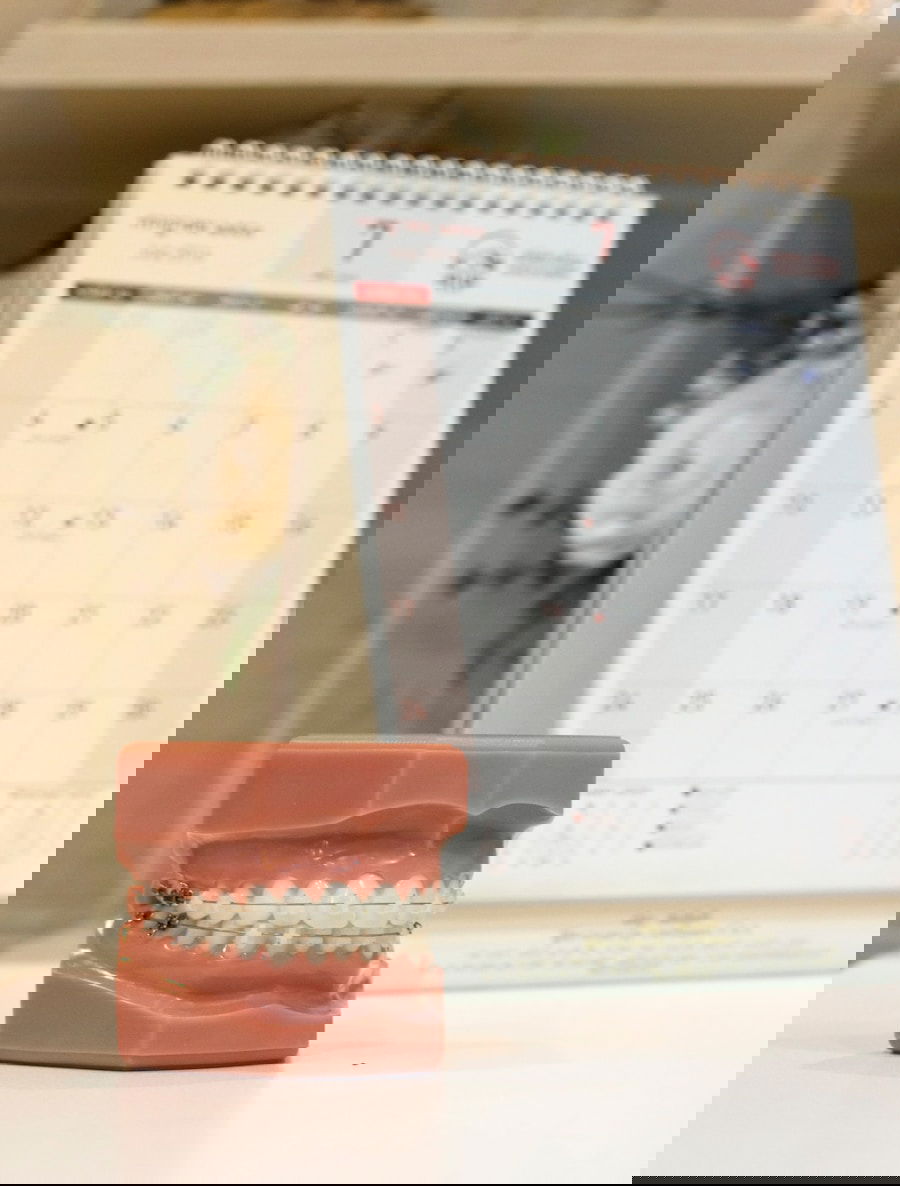
Easy and Painless Application
The application process for dental sealants is quick and painless, making it an ideal option for children and adolescents who are at higher risk for tooth decay due to their dietary habits and sometimes inconsistent oral hygiene practices.
Proven Effectiveness
Studies have shown that sealants can reduce the risk of cavities by nearly 80% in molars during the first two years after application.
Long-term Oral Health Benefits
This preventive strategy not only protects individual teeth but also contributes to overall oral health by reducing the likelihood of extensive dental work in the future.
The Connection Between Oral Health and Overall Health
The relationship between oral health and overall health is increasingly recognized in medical research. Poor oral hygiene has been linked to various systemic conditions, including heart disease, diabetes, respiratory infections, and even certain cancers. The mouth serves as a gateway to the body; therefore, bacteria from periodontal disease can enter the bloodstream and contribute to inflammation throughout the body.
For instance, individuals with diabetes are more susceptible to gum disease due to their compromised immune systems and elevated blood sugar levels that can affect healing. Conversely, gum disease can make it more challenging for diabetics to control their blood sugar levels effectively. This bidirectional relationship underscores the importance of maintaining good oral hygiene not only for preventing dental issues but also for supporting overall health.
Cost-Effective Measures for Preventative Dental Care
Investing in preventative dental care can lead to significant cost savings over time by reducing the need for more extensive treatments down the line. One effective strategy is to take advantage of dental insurance plans that often cover preventative services at little or no cost to patients. Regular check-ups, cleanings, and fluoride treatments are typically included in these plans, making it financially feasible for individuals to prioritize their oral health.
Additionally, many communities offer low-cost or free dental clinics that provide preventative services for those without insurance or financial means. These clinics often focus on education about proper oral hygiene practices and may offer resources such as toothbrushes and toothpaste to encourage good habits at home. By utilizing available resources and committing to regular dental visits, individuals can maintain their oral health without incurring significant expenses associated with restorative procedures later on.
Preventative dental services are essential for maintaining a healthy smile and preventing future dental issues. According to a recent article on White Pearl Dental Care’s blog, regular check-ups and cleanings can help catch problems early and save you from more extensive and costly treatments down the road. By staying proactive with your dental care, you can ensure a lifetime of healthy teeth and gums.
FAQs
What are preventative dental services?
Preventative dental services are treatments and procedures aimed at maintaining good oral health and preventing dental problems such as cavities, gum disease, and tooth decay.
What are some examples of preventative dental services?
Examples of preventative dental services include regular dental cleanings, fluoride treatments, dental sealants, oral cancer screenings, and dental exams.
Why are preventative dental services important?
Preventative dental services are important because they help to maintain good oral health, prevent dental problems, and detect any issues early on before they become more serious and costly to treat.
How often should I receive preventative dental services?
It is recommended to receive preventative dental services at least twice a year, or as recommended by your dentist based on your individual oral health needs.
Are preventative dental services covered by insurance?
Many dental insurance plans cover preventative dental services such as cleanings, exams, and X-rays. It is important to check with your insurance provider to understand your coverage.
Can children receive preventative dental services?
Yes, children can and should receive preventative dental services to maintain good oral health and prevent dental problems as they grow and develop.