Orthodontic Options for Children: Alternatives to Invisalign

Traditional braces are a widely used orthodontic treatment that has been employed in dental care for several decades. The system consists of metal brackets bonded to individual teeth and connected by an archwire that applies controlled pressure to move teeth into proper alignment over time. The brackets are manufactured from stainless steel to ensure durability and structural integrity throughout the treatment period.

The installation process begins with a comprehensive dental examination to assess the patient’s orthodontic needs. Brackets are then precisely positioned and bonded to each tooth surface. An archwire is inserted through the bracket slots, and elastic ligatures or bands may be used to secure the wire and provide additional force vectors for tooth movement.

Traditional braces effectively treat various orthodontic conditions, including dental crowding, spacing irregularities, and malocclusion. They typically offer a more economical treatment option compared to alternative orthodontic systems. The metal construction allows for precise force application and can handle complex tooth movements required for severe misalignment cases.

The main disadvantages include aesthetic concerns due to the visible metal components, which may affect patient confidence during social interactions. Oral hygiene maintenance requires increased attention, as food debris and plaque can accumulate around brackets and wires. Patients must adopt modified brushing and flossing techniques and may need specialized cleaning tools to prevent tooth decay and gum inflammation during treatment.

Key Takeaways

  • Traditional braces use metal brackets and wires for effective teeth alignment.
  • Ceramic braces offer a less visible alternative with tooth-colored materials.
  • Lingual braces are placed behind teeth, making them invisible from the front.
  • Clear aligners provide a removable and discreet option for mild to moderate corrections.
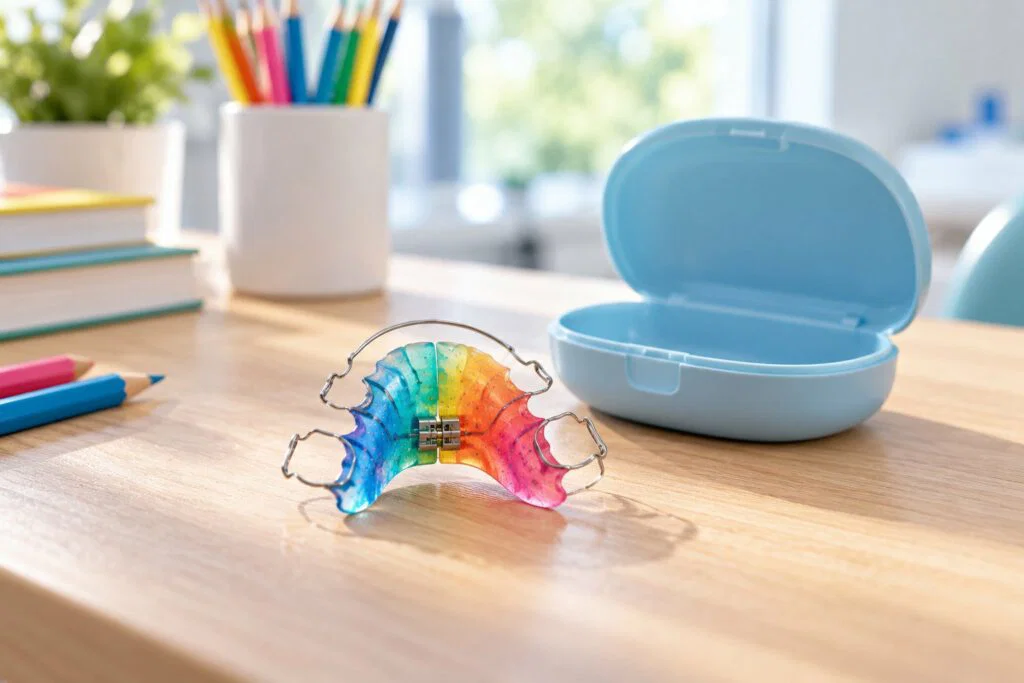
  • Retainers are essential post-treatment devices to maintain teeth position after braces.

Ceramic Braces

Ceramic braces offer a more aesthetically pleasing alternative to traditional metal braces while maintaining similar functionality. These braces utilize clear or tooth-colored brackets that blend in with the natural color of the teeth, making them less noticeable. The materials used in ceramic braces are designed to withstand the same forces as metal braces but with a more discreet appearance.

This feature has made ceramic braces particularly popular among adults and teens who are concerned about their appearance during treatment. Despite their aesthetic advantages, ceramic braces do have some limitations. They are generally more fragile than their metal counterparts, which means they can be more prone to breakage if subjected to excessive force.

Additionally, the elastic ties used in ceramic braces can stain over time, especially if patients consume foods or beverages that are known to cause discoloration. This necessitates careful dietary choices and regular visits to the orthodontist for adjustments and maintenance. Nevertheless, for those who prioritize aesthetics without sacrificing effectiveness, ceramic braces remain a compelling option.

Lingual Braces

Lingual braces represent a cutting-edge approach to orthodontics by positioning the brackets and wires on the inner surfaces of the teeth rather than the outer surfaces. This innovative design makes them virtually invisible from the outside, allowing patients to undergo orthodontic treatment without drawing attention to their dental appliances. Lingual braces are custom-made for each patient, ensuring a precise fit that accommodates individual dental structures and treatment goals.

One of the significant benefits of lingual braces is their discretion; they are an excellent choice for professionals or individuals who prefer not to showcase their orthodontic treatment.

However, this invisibility comes with its own set of challenges.

The placement of brackets on the tongue side can lead to discomfort and difficulty in speech during the initial adjustment period.

Additionally, cleaning lingual braces can be more complicated than traditional or ceramic options due to their location, requiring patients to adopt meticulous oral hygiene practices. Despite these challenges, lingual braces continue to gain popularity among those seeking a discreet orthodontic solution.

Self-Ligating Braces

Self-ligating braces represent an evolution in orthodontic technology that simplifies the treatment process while enhancing patient comfort. Unlike traditional braces that require elastic or metal ties to hold the archwire in place, self-ligating braces utilize a specialized clip mechanism that secures the wire without additional ligatures. This design not only streamlines the adjustment process but also reduces friction between the wire and brackets, potentially leading to faster tooth movement.

The benefits of self-ligating braces extend beyond convenience; they also contribute to improved oral hygiene. With fewer components to clean around, patients may find it easier to maintain their dental hygiene throughout treatment. Additionally, self-ligating braces often result in fewer office visits since adjustments can be made less frequently compared to traditional braces.

However, they may come at a higher cost than conventional options, which could be a consideration for some patients. Overall, self-ligating braces offer a modern solution that combines efficiency with enhanced comfort.

Palatal Expanders

Alternative Age Suitability Effectiveness Comfort Level Visibility Maintenance Typical Treatment Duration
Traditional Metal Braces 6 years and up High Moderate (can cause irritation) Highly Visible Regular adjustments and cleaning 18-36 months
Ceramic Braces 10 years and up High Moderate Less Visible (tooth-colored) Regular adjustments and careful cleaning 18-36 months
Lingual Braces 12 years and up High Lower comfort initially Invisible (placed behind teeth) Regular adjustments and cleaning 18-36 months
Clear Aligners (Other Brands) 8 years and up Moderate to High High Low Visibility Daily cleaning and wear compliance 12-24 months
Palatal Expanders 6-12 years Effective for jaw expansion Moderate discomfort initially Not visible Regular activation and cleaning 3-6 months
Space Maintainers 5-10 years Effective for maintaining space High comfort Minimal visibility Regular dental check-ups Varies by case

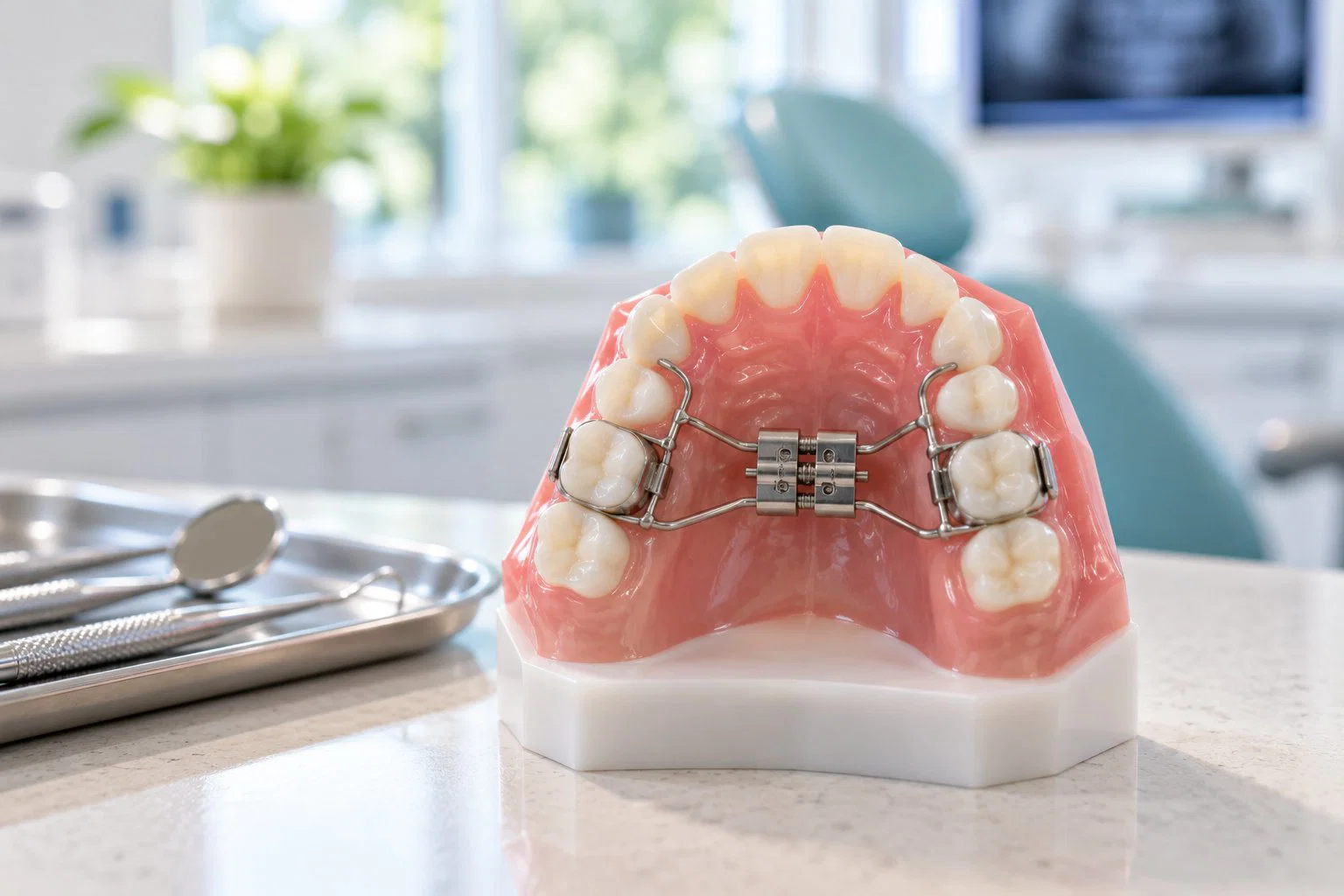
Palatal expanders are orthodontic devices designed to widen the upper jaw (maxilla) in order to create more space for teeth and improve overall dental alignment. This appliance is particularly beneficial for children and adolescents whose jaws are still developing, as it can help prevent future orthodontic issues related to overcrowding or misalignment. The expander is typically made of a plastic plate that fits snugly against the roof of the mouth and includes a screw mechanism that gradually widens the device over time.

The process of using a palatal expander involves regular adjustments by an orthodontist, who will instruct parents or guardians on how to turn the screw mechanism at home. This gradual expansion encourages bone growth in the upper jaw, allowing for better alignment of teeth as they emerge. While palatal expanders can be highly effective in creating space and correcting bite issues, they may also come with some discomfort during the adjustment period.

Patients may experience pressure or soreness in their mouths as the device works to widen the palate. Nevertheless, when used appropriately, palatal expanders can significantly enhance long-term dental health.

Headgear

Headgear is an orthodontic appliance designed to correct bite issues and align teeth by applying gentle pressure from outside the mouth. Typically used in conjunction with other orthodontic treatments like braces, headgear consists of straps that attach to brackets on the teeth and extend around the back of the head or neck. This external device helps guide jaw growth and position teeth correctly over time.

The use of headgear is often recommended for children whose jaws are still growing, making it an effective tool for addressing overbites or underbites. By applying consistent pressure, headgear can help reposition the upper jaw or prevent it from growing too far forward. However, compliance is crucial; patients must wear headgear for several hours each day as prescribed by their orthodontist for optimal results.

While some children may resist wearing headgear due to its appearance or discomfort, it remains an essential component in certain orthodontic treatment plans.

Retainers

Retainers play a critical role in maintaining the results achieved through orthodontic treatment. After completing a course of braces or other corrective measures, patients are often fitted with retainers to ensure that teeth do not shift back into their original positions. Retainers can be either fixed or removable; fixed retainers consist of a thin wire bonded to the back of the teeth, while removable retainers are typically made from clear plastic or acrylic.

The importance of retainers cannot be overstated; without them, there is a significant risk that teeth will relapse into misalignment over time. Orthodontists usually recommend wearing retainers full-time initially before transitioning to nighttime use only. The duration for which retainers must be worn varies from patient to patient based on individual circumstances and treatment goals.

While some may find retainers uncomfortable at first, they are essential for preserving the hard-earned results of orthodontic treatment.

Clear Aligners

Clear aligners have revolutionized orthodontics by offering a discreet alternative to traditional braces while effectively correcting misalignment issues. These custom-made plastic trays are designed to fit snugly over the teeth and gradually shift them into proper alignment through a series of sequential aligners. Patients typically wear each set of aligners for about two weeks before progressing to the next set in the series.

One of the most appealing aspects of clear aligners is their aesthetic advantage; they are virtually invisible when worn, making them an attractive option for adults and teens who wish to avoid the look of metal braces. Additionally, clear aligners can be removed during meals and oral hygiene routines, allowing for easier maintenance compared to fixed appliances. However, successful treatment with clear aligners requires discipline; patients must wear them for at least 20-22 hours per day for optimal results.

Furthermore, not all orthodontic issues can be addressed with clear aligners; complex cases may still necessitate traditional braces or other appliances.

Inman Aligner

The Inman Aligner is a unique orthodontic device designed specifically for correcting mild to moderate crowding in the front teeth (anterior teeth). It consists of a removable appliance that utilizes two aligner bows—one on the labial side (front) and one on the lingual side (back)—to apply gentle pressure on the teeth and guide them into alignment. The Inman Aligner is particularly appealing due to its speed; many patients see noticeable results within just a few weeks.

This appliance is ideal for individuals seeking a quick solution for minor alignment issues without committing to long-term treatment plans associated with traditional braces or clear aligners. However, it is important to note that while effective for certain cases, the Inman Aligner may not be suitable for more complex orthodontic problems that require comprehensive treatment strategies. Patients must also adhere strictly to wearing the aligner as directed—typically 16-20 hours per day—to achieve optimal results.

Damon System Braces

The Damon System represents an innovative approach within traditional brace technology by incorporating self-ligating brackets that allow for greater freedom of movement during treatment. Unlike conventional braces that rely on elastic ties to hold archwires in place, Damon brackets use a sliding mechanism that reduces friction and enables teeth to move more freely into their desired positions. This design not only enhances comfort but also often leads to shorter treatment times compared to traditional methods.

One significant advantage of Damon System braces is their ability to promote better facial aesthetics throughout treatment by minimizing tooth extraction needs and allowing for more natural arch development. Patients often experience less discomfort due to reduced pressure on teeth during adjustments.

However, as with any orthodontic system, individual results may vary based on specific dental conditions and compliance with treatment protocols.

The Damon System has gained popularity among both patients and orthodontists due to its efficiency and effectiveness in achieving beautiful smiles.

Forsus Appliances

Forsus appliances are fixed orthodontic devices designed primarily for correcting Class II malocclusions—situations where the upper teeth significantly overlap the lower teeth—without requiring headgear or extractions. This appliance consists of springs attached to bands on molars that apply gentle pressure on both upper and lower jaws, encouraging proper alignment over time. The Forsus appliance is particularly advantageous because it allows for continuous correction without requiring patient compliance as seen with removable devices like headgear or aligners.

Patients typically wear Forsus appliances for several months until their bite aligns correctly; this duration varies based on individual needs and treatment goals. While some patients may experience initial discomfort as they adjust to wearing Forsus appliances, many find them effective in achieving significant improvements in bite alignment without extensive intervention. In summary, various orthodontic appliances cater to different needs and preferences among patients seeking dental correction solutions.

From traditional metal braces to innovative options like clear aligners and Forsus appliances, each method offers unique benefits tailored to specific dental conditions and aesthetic desires.

If you’re exploring options for orthodontic treatment for your child, you might be interested in learning about alternatives to Invisalign. One related article that provides valuable insights into dental treatments is about transforming smiles with dental veneers. You can read more about it here: Transform Your Smile with Dental Veneers. This article discusses how dental veneers can be a viable option for improving the appearance of teeth, which may be relevant when considering various orthodontic solutions.

Contact Us

FAQs

What are some common alternatives to Invisalign for kids?

Common alternatives to Invisalign for kids include traditional metal braces, ceramic braces, lingual braces, and clear aligners designed specifically for children. Each option varies in terms of visibility, comfort, and treatment duration.

Are traditional braces a good option for children?

Yes, traditional metal braces are often recommended for children because they are effective for a wide range of orthodontic issues and are generally more affordable than clear aligners. They are durable and can handle complex tooth movements.

Can kids use clear aligners other than Invisalign?

Yes, there are other brands of clear aligners designed for children, such as SmileDirectClub’s aligners or ClearCorrect. However, it is important to consult an orthodontist to determine if these are suitable for a child’s specific dental needs.

What are ceramic braces and are they suitable for kids?

Ceramic braces are similar to traditional braces but use tooth-colored or clear brackets, making them less noticeable. They can be a good option for kids who want a less visible alternative to metal braces, though they may be more fragile and slightly more expensive.

Are lingual braces an option for children?

Lingual braces are placed on the back of the teeth, making them invisible from the front. While they are less common for children due to comfort and maintenance challenges, some older kids and teens may be candidates depending on their orthodontic needs.

How do orthodontists decide the best treatment option for a child?

Orthodontists evaluate the child’s age, dental development, the severity of misalignment, oral hygiene habits, and lifestyle before recommending the most appropriate treatment. They also consider the child’s comfort and willingness to comply with treatment requirements.

Is the treatment duration different between Invisalign and other alternatives?

Treatment duration can vary depending on the severity of the dental issues and the type of appliance used. Traditional braces often take longer but can address more complex problems, while clear aligners like Invisalign may offer shorter treatment times for mild to moderate cases.

Are there any risks or downsides to using alternatives to Invisalign for kids?

Each orthodontic treatment has potential downsides. Metal braces can cause discomfort and require careful cleaning, ceramic braces may stain, and lingual braces can affect speech initially. Clear aligners require discipline to wear them consistently. Consulting with an orthodontist helps weigh these factors.

Can kids remove clear aligners themselves?

Yes, one advantage of clear aligners is that they are removable, which makes eating and cleaning easier. However, children must be responsible enough to wear them for the recommended 20-22 hours per day to ensure effective treatment.

How much do alternatives to Invisalign typically cost for kids?

Costs vary widely depending on the treatment type, location, and complexity of the case. Traditional braces generally cost less than Invisalign, while ceramic and lingual braces tend to be more expensive. It is best to get a detailed cost estimate from an orthodontist.

Leave a Comment