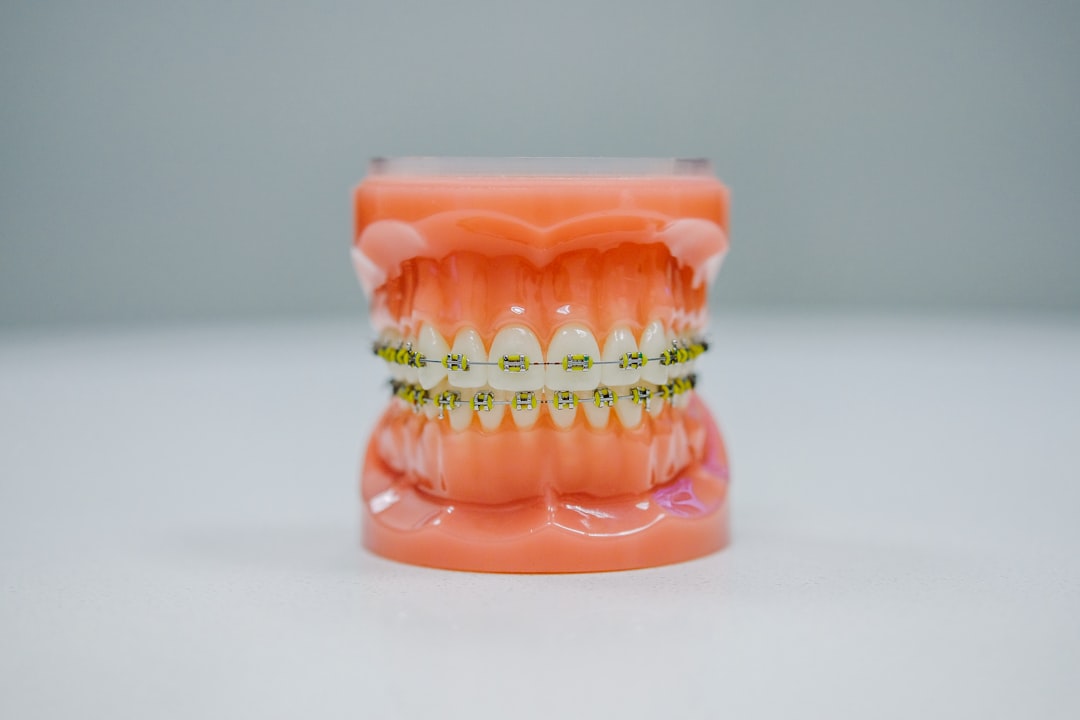
Invisalign is an orthodontic treatment system that uses clear, removable aligners to gradually move teeth into proper alignment. Initially developed for adult patients, the technology has been adapted for use in children and teenagers. The treatment involves wearing a series of custom-made plastic aligners that apply controlled pressure to shift teeth over time.
The system differs from traditional metal braces in several key ways. The aligners are nearly invisible when worn, can be removed for eating and cleaning, and typically cause less irritation to the mouth tissues. Each set of aligners is worn for approximately two weeks before progressing to the next set in the series.
Invisalign treatment for pediatric patients incorporates specific design modifications to address the developmental needs of growing mouths. The aligners accommodate erupting teeth and jaw growth patterns that occur during childhood and adolescence. Treatment planning utilizes digital imaging technology to map tooth movement and predict treatment outcomes.
The expansion of Invisalign technology to younger age groups reflects advances in orthodontic materials and treatment planning software. Pediatric versions include features such as compliance indicators that help monitor wear time and eruption tabs that guide emerging permanent teeth into proper position.
Key Takeaways
- Invisalign offers a comfortable and discreet orthodontic option specifically designed for kids.
- It improves oral health and boosts confidence in children through effective teeth alignment.
- Parents report positive experiences and noticeable improvements in their kids’ smiles.
- Invisalign provides advantages over traditional braces, including easier maintenance and less discomfort.
- Orthodontist guidance is crucial for successful treatment and addressing common concerns.
Benefits of Invisalign for Kids
One of the most significant advantages of Invisalign for kids is the aesthetic appeal of clear aligners. Unlike traditional braces, which can be visually obtrusive and often lead to self-consciousness among young patients, Invisalign aligners are virtually invisible. This feature allows children to undergo orthodontic treatment without feeling embarrassed about their appearance.
The clear aligners can be particularly beneficial during formative years when social interactions and peer perceptions are crucial to a child’s self-esteem. In addition to aesthetics, the comfort level associated with Invisalign is another compelling benefit. The aligners are custom-made from smooth plastic, which minimizes irritation to the gums and cheeks—a common complaint among those wearing metal braces.
Furthermore, the removable nature of the aligners allows children to maintain their oral hygiene routines without the challenges posed by brackets and wires. They can easily brush and floss their teeth without obstruction, reducing the risk of cavities and gum disease during treatment. This ease of maintenance is particularly appealing to parents who prioritize their children’s overall oral health.
Success Stories of Kids Using Invisalign

Numerous success stories highlight the effectiveness of Invisalign in treating various orthodontic issues in children. For instance, a young patient named Emily struggled with overcrowding and misalignment that affected her bite and confidence. After her parents opted for Invisalign, Emily was able to wear her aligners without feeling self-conscious at school or during extracurricular activities.
Over the course of her treatment, her teeth gradually shifted into alignment, resulting in a beautiful smile that she proudly showcased at her graduation ceremony. Another inspiring story involves a boy named Jake, who had been hesitant about orthodontic treatment due to his fear of traditional braces. His parents introduced him to Invisalign, and he quickly embraced the idea of wearing clear aligners.
Jake’s treatment journey was marked by consistent progress, and he appreciated being able to remove his aligners during meals and while playing sports. By the end of his treatment, Jake not only achieved a straighter smile but also gained newfound confidence in his appearance, demonstrating how effective Invisalign can be for young patients.
How Invisalign has Improved Kids’ Confidence
The impact of Invisalign on children’s confidence cannot be overstated. Many young patients experience anxiety about their appearance during orthodontic treatment, especially when wearing traditional braces. The clear aligners provide a discreet solution that allows children to feel more comfortable in social situations.
As they see their smiles transform over time, their self-esteem often improves significantly. For example, a young girl named Mia had always been shy about her crooked teeth. After starting her Invisalign treatment, she noticed that her peers were more accepting of her smile since it was less noticeable than traditional braces would have been.
As her teeth began to straighten, Mia’s confidence blossomed; she participated more actively in class discussions and even joined a local dance team. The psychological benefits of wearing Invisalign extend beyond just aesthetics; they can foster a sense of empowerment in children as they take charge of their oral health.
Tips for Parents Considering Invisalign for Their Kids
| Kid’s Age | Initial Dental Issue | Duration of Invisalign Treatment | Number of Aligners Used | Outcome | Parent’s Feedback |
|---|---|---|---|---|---|
| 12 | Overbite and Crowding | 14 months | 28 | Significant improvement in bite and alignment | Very satisfied, noticed quick progress |
| 14 | Crossbite | 10 months | 20 | Corrected crossbite and improved smile | Easy to use, comfortable for my child |
| 11 | Spacing Issues | 12 months | 24 | Closed gaps between teeth effectively | Happy with the discreet treatment |
| 13 | Underbite | 16 months | 30 | Improved bite and facial profile | Child was motivated and compliant |
| 15 | Crowding and Misalignment | 18 months | 32 | Teeth straightened with no discomfort | Highly recommend Invisalign for teens |
When considering Invisalign for their children, parents should take several factors into account to ensure a successful treatment experience. First and foremost, it is essential to consult with an experienced orthodontist who specializes in pediatric care. An orthodontist can assess whether a child is a suitable candidate for Invisalign based on their specific dental needs and growth patterns.
This professional evaluation will help parents make informed decisions regarding their child’s orthodontic journey. Another important tip is to emphasize the importance of compliance with wearing the aligners as prescribed. For optimal results, children should wear their aligners for 20 to 22 hours each day and only remove them for eating, drinking, brushing, and flossing.
Parents can help by establishing a routine that encourages their child to keep track of their aligners and understand the significance of consistent wear. Additionally, creating a reward system for milestones achieved during treatment can motivate children to adhere to their aligner schedule.
When comparing Invisalign to traditional braces for kids, several key differences emerge that can influence a parent’s decision. Traditional braces consist of metal brackets and wires that are affixed to the teeth, making them highly visible and often uncomfortable due to irritation from the hardware. In contrast, Invisalign’s clear aligners are removable and virtually invisible, providing a more aesthetically pleasing option that many children prefer.
Moreover, traditional braces require frequent visits to the orthodontist for adjustments, which can be time-consuming and inconvenient for busy families. With Invisalign, follow-up appointments are typically less frequent since the treatment plan is pre-determined using advanced 3D imaging technology. This allows for greater flexibility in scheduling appointments while still ensuring that progress is monitored effectively.
Additionally, the ability to remove aligners during meals means that children can enjoy their favorite foods without restrictions—a significant advantage over traditional braces.
Common Concerns and Misconceptions About Invisalign for Kids
Despite its growing popularity, several misconceptions about Invisalign for kids persist among parents and guardians. One common concern is that clear aligners may not be as effective as traditional braces in treating complex orthodontic issues. While it is true that certain severe cases may require more extensive intervention, advancements in Invisalign technology have made it capable of addressing a wide range of dental problems effectively.
Many orthodontists have reported success with cases involving crowding, spacing issues, overbites, underbites, and crossbites using Invisalign. Another misconception revolves around the age at which children can begin using Invisalign.
Early intervention can help guide dental development and prevent more severe issues from arising later on. By dispelling these myths and providing accurate information about Invisalign’s capabilities, parents can make more informed choices regarding their children’s orthodontic care.
How Invisalign has Helped Kids with Oral Health Issues
Invisalign not only addresses cosmetic concerns but also plays a crucial role in improving overall oral health for children facing specific dental issues. For instance, misaligned teeth can lead to difficulties in chewing and speaking properly, which may affect a child’s nutrition and communication skills. By correcting these alignment problems with Invisalign, children can experience improved functionality in their daily lives.
Additionally, crowded or crooked teeth can create hard-to-reach areas that are prone to plaque buildup and cavities. Traditional braces often complicate oral hygiene routines; however, with removable aligners, children can maintain better oral hygiene practices by brushing and flossing without obstruction. This ease of cleaning significantly reduces the risk of dental decay during treatment—an essential consideration for parents concerned about their child’s long-term oral health.
Testimonials from Parents of Kids Using Invisalign
Parents who have chosen Invisalign for their children often share positive testimonials about their experiences throughout the treatment process. One mother recounted how her son was initially apprehensive about getting braces but quickly adapted to wearing his clear aligners. She noted that he appreciated being able to remove them during meals and felt more confident interacting with his peers without the stigma associated with metal braces.
Another parent highlighted how her daughter’s self-esteem improved dramatically after starting her Invisalign treatment. She described how her daughter had previously avoided smiling in photos due to her crooked teeth but began beaming with pride as her smile transformed over time. These testimonials underscore the emotional impact that successful orthodontic treatment can have on children and their families.
The Role of Orthodontists in the Success of Invisalign for Kids
Orthodontists play an integral role in ensuring the success of Invisalign treatment for kids by providing expert guidance throughout the process. From initial consultations to ongoing monitoring of progress, orthodontists utilize advanced technology to create customized treatment plans tailored to each child’s unique dental needs. Their expertise allows them to determine whether Invisalign is appropriate based on factors such as age, dental development, and specific alignment issues.
They provide essential information on how long the aligners should be worn each day and offer tips on managing any discomfort that may arise during treatment. Regular check-ups allow orthodontists to track progress closely and make necessary adjustments to ensure optimal results are achieved within the projected timeline.
The Future of Invisalign for Kids
As technology continues to advance within the field of orthodontics, the future of Invisalign for kids looks promising. Ongoing research and development aim to enhance the effectiveness and accessibility of clear aligner therapy for younger patients. Innovations such as improved materials and digital scanning techniques are likely to further streamline treatment processes while ensuring high levels of patient satisfaction.
The growing acceptance of Invisalign among both parents and orthodontists signifies a shift toward more patient-centered approaches in orthodontic care. As awareness increases regarding the benefits of clear aligners—ranging from aesthetic appeal to improved oral health—more families may opt for this modern solution when addressing their children’s dental alignment needs. Ultimately, as more success stories emerge from young patients who have experienced transformative results through Invisalign treatment, it is clear that this innovative approach will continue shaping the future landscape of pediatric orthodontics.
Invisalign has become a popular choice for kids seeking a straighter smile, and many success stories highlight the positive impact of this treatment. For parents looking to ensure their children’s oral health during orthodontic treatment, it’s essential to consider various aspects of dental care. One related article that provides valuable insights is about preventing gum recession and tips for healthy gums, which can be crucial for maintaining overall dental health while using aligners.
FAQs
What is Invisalign and how does it work for kids?
Invisalign is a type of orthodontic treatment that uses clear, removable aligners to straighten teeth. For kids, Invisalign works by gradually shifting teeth into the desired position through a series of custom-made aligners that are typically changed every one to two weeks.
At what age can kids start using Invisalign?
Invisalign is generally suitable for children and teenagers who have most of their permanent teeth. This usually means starting treatment around ages 10 to 14, but the exact timing depends on the individual’s dental development and orthodontist’s recommendation.
Are Invisalign aligners effective for correcting common dental issues in kids?
Yes, Invisalign can effectively treat a variety of orthodontic issues in children, including crowding, spacing, overbites, underbites, and crossbites. The success depends on the complexity of the case and consistent use of the aligners.
What are some success stories of kids using Invisalign?
Many kids have successfully improved their smiles and dental health using Invisalign. Success stories often highlight improved confidence, better oral hygiene due to removable aligners, and effective correction of misaligned teeth without the discomfort or appearance of traditional braces.
Is Invisalign treatment painful for kids?
Some kids may experience mild discomfort or pressure when switching to a new set of aligners, but this is generally less painful than traditional braces. The discomfort usually subsides within a few days as the teeth adjust.
How long does Invisalign treatment typically take for kids?
Treatment duration varies depending on the severity of the dental issues but typically ranges from 6 months to 18 months. An orthodontist will provide a personalized treatment plan and timeline.
Can kids eat and drink normally while using Invisalign?
Invisalign aligners are removable, so kids can eat and drink anything they want by taking out the aligners during meals. It is recommended to brush teeth before putting the aligners back in to maintain oral hygiene.
How do kids maintain their Invisalign aligners?
Kids should clean their aligners daily using a soft toothbrush and lukewarm water. Avoid using hot water as it can warp the plastic. Regular dental check-ups and following the orthodontist’s instructions are also important for successful treatment.
Are there any restrictions or challenges for kids using Invisalign?
The main challenge is compliance; kids must wear the aligners for 20-22 hours per day for effective results. Losing or damaging aligners can delay treatment. Parental support and encouragement often help kids stay on track.
Where can parents find more information about Invisalign for kids?
Parents can consult with a licensed orthodontist who offers Invisalign treatment. Additionally, the official Invisalign website and reputable dental health resources provide detailed information and patient testimonials.