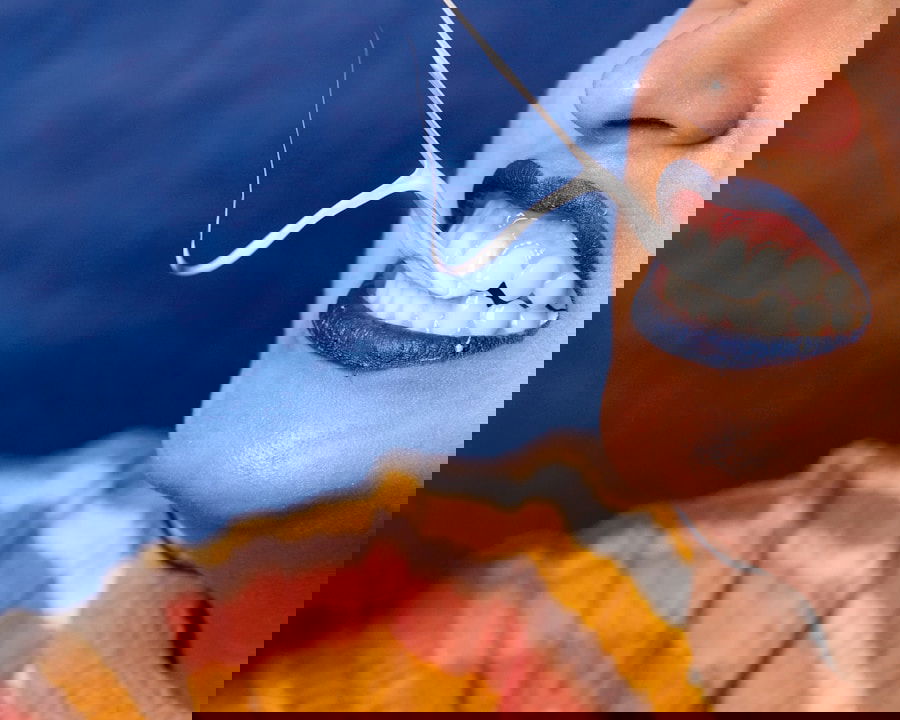
Teeth discoloration is a common dental concern that affects individuals of all ages. The color of our teeth can change due to a variety of factors, including lifestyle choices, dietary habits, and even the natural aging process. Discoloration can manifest in several ways, such as yellowing, graying, or the appearance of dark spots.
The enamel, which is the outermost layer of the tooth, can become thinner over time, revealing the dentin beneath it, which is naturally darker. This phenomenon is often exacerbated by the consumption of certain foods and beverages, such as coffee, tea, red wine, and dark berries, which can stain the enamel. Moreover, intrinsic factors can also contribute to teeth discoloration.
For instance, certain medications, such as tetracycline antibiotics taken during childhood, can lead to permanent staining. Additionally, dental trauma can cause internal bleeding within the tooth, resulting in a grayish hue. Conditions like fluorosis, which occurs from excessive fluoride exposure during childhood, can also lead to discoloration.
Understanding these underlying causes is crucial for determining the most effective treatment options for restoring a bright and healthy smile.
Key Takeaways
- Teeth discoloration can be caused by various factors such as aging, smoking, and consuming certain foods and drinks.
- Different teeth whitening methods include over-the-counter products, professional treatments, and natural remedies.
- Professional teeth whitening offers faster and more effective results compared to at-home treatments.
- Risks and side effects of teeth whitening may include tooth sensitivity and gum irritation.
- Maintaining a brighter smile involves regular brushing, flossing, and avoiding stain-causing habits.
Different Teeth Whitening Methods
The market offers a plethora of teeth whitening methods, each with its own set of advantages and disadvantages. Over-the-counter whitening products are among the most accessible options available to consumers. These include whitening toothpaste, strips, gels, and mouth rinses that contain mild abrasives or bleaching agents like hydrogen peroxide or carbamide peroxide.
While these products can yield noticeable results over time, they often require consistent use and may not be as effective for severe discoloration. In contrast, professional whitening treatments administered by dental professionals tend to deliver faster and more dramatic results. These treatments typically involve higher concentrations of bleaching agents and may utilize advanced techniques such as laser whitening or custom-fitted trays that ensure even application.
In-office procedures can often lighten teeth by several shades in just one session, making them an appealing option for those seeking immediate results. However, the cost associated with professional treatments can be a deterrent for some individuals.
Benefits of Professional Teeth Whitening

Opting for professional teeth whitening comes with numerous benefits that extend beyond mere aesthetics. One of the primary advantages is the expertise of dental professionals who can tailor treatments to meet individual needs. Dentists assess the specific type and cause of discoloration before recommending the most suitable whitening method.
This personalized approach not only enhances effectiveness but also minimizes the risk of adverse reactions that may occur with over-the-counter products. Additionally, professional whitening treatments often yield longer-lasting results compared to at-home alternatives. The concentrated bleaching agents used in dental offices penetrate deeper into the enamel and dentin layers, providing a more thorough whitening effect.
Many patients report that their smiles remain brighter for months after a single treatment session. Furthermore, professional whitening can boost self-confidence and improve overall oral health by encouraging individuals to maintain better dental hygiene practices post-treatment.
Risks and Side Effects of Teeth Whitening
| Risks and Side Effects of Teeth Whitening |
|---|
| Tooth Sensitivity |
| Gum Irritation |
| Uneven Whitening |
| Damage to Tooth Enamel |
| Allergic Reactions |
| Increased Risk of Cavities |
While teeth whitening is generally considered safe, it is not without its risks and potential side effects. One of the most common issues reported by individuals undergoing whitening treatments is tooth sensitivity.
Although this discomfort is usually temporary and subsides shortly after treatment, it can be quite bothersome for some patients. Another concern is gum irritation, which can arise if the whitening agent comes into contact with soft tissues during application. This irritation may manifest as redness or swelling in the gums but typically resolves on its own within a few days.
It is essential for individuals considering teeth whitening to consult with their dentist beforehand to discuss any pre-existing dental conditions that may increase the risk of side effects. Additionally, overuse of whitening products can lead to enamel erosion over time, making it crucial to follow recommended guidelines and not exceed suggested treatment durations.
How to Maintain a Brighter Smile
Maintaining a bright smile after undergoing teeth whitening requires a combination of good oral hygiene practices and mindful lifestyle choices. Regular brushing and flossing are fundamental in preventing plaque buildup and staining. Dentists recommend using a fluoride toothpaste that not only helps in cleaning but also strengthens enamel.
Incorporating an antibacterial mouthwash into daily routines can further enhance oral health by reducing bacteria that contribute to discoloration. Dietary choices play a significant role in maintaining tooth brightness as well. After a whitening treatment, it is advisable to avoid foods and beverages known for their staining properties for at least 48 hours.
This includes coffee, tea, red wine, and dark-colored sauces. Instead, opting for water or light-colored foods can help preserve the results of whitening treatments. Regular dental check-ups are also essential; professional cleanings can remove surface stains and tartar buildup that may dull the brightness of teeth over time.
Natural Teeth Whitening Remedies

For those seeking alternative methods to achieve a whiter smile without resorting to chemical treatments, natural remedies have gained popularity in recent years. One widely recognized method involves using baking soda as a gentle abrasive to remove surface stains. Mixing baking soda with water to form a paste and brushing with it once or twice a week can help brighten teeth without damaging enamel when used sparingly.
Another natural remedy is activated charcoal, which has gained traction for its purported ability to absorb toxins and stains from teeth. Users typically apply activated charcoal powder to their toothbrushes and brush gently for a few minutes before rinsing thoroughly. However, while some individuals report positive results with these natural methods, scientific evidence supporting their effectiveness remains limited.
It is essential for users to approach these remedies with caution and consult with a dentist before incorporating them into their oral care routine.
Choosing the Right Teeth Whitening Products
With an overwhelming array of teeth whitening products available on the market, selecting the right one can be daunting for consumers. When considering over-the-counter options, it is crucial to look for products that have been approved by dental associations or have undergone clinical testing for safety and efficacy. Reading reviews and seeking recommendations from dental professionals can also provide valuable insights into which products deliver the best results.
For instance, those with sensitive teeth may benefit from formulations designed specifically for sensitivity relief or lower concentrations of bleaching agents. Strips may be more convenient for some users due to their ease of application, while others might prefer gels that allow for more control over coverage.
Ultimately, understanding personal preferences and dental health status will guide consumers in making informed choices about teeth whitening products.
Consultation with a Dentist for Teeth Whitening Options
Before embarking on any teeth whitening journey, consulting with a dentist is an essential step that should not be overlooked. A dental professional can conduct a thorough examination of an individual’s oral health and assess the underlying causes of discoloration. This assessment allows dentists to recommend appropriate treatment options tailored to each patient’s unique situation.
Moreover, dentists can provide valuable information about the various whitening methods available—both professional and at-home—and help patients weigh the pros and cons of each option. They can also address any concerns regarding potential side effects or risks associated with specific treatments. By engaging in an open dialogue with a dentist about goals and expectations for teeth whitening, individuals can make informed decisions that lead to optimal results while ensuring their oral health remains a top priority.
If you are interested in teeth whitening, you may also want to learn about orthodontic procedures to transform your smile. White Pearl Dental Care offers a variety of orthodontic treatments in Blacktown, including braces and Invisalign. Maintaining your orthodontic treatment is crucial for success, so be sure to follow these tips for optimal results. To learn more about orthodontic procedures and maintaining your treatment, visit White Pearl Dental Care.
FAQs
What is teeth whitening?
Teeth whitening is a cosmetic dental procedure that aims to lighten the color of the teeth and remove stains and discoloration.
How does teeth whitening work?
Teeth whitening works by using bleaching agents such as hydrogen peroxide or carbamide peroxide to break down stains on the teeth and lighten their color.
Is teeth whitening safe?
When performed by a qualified dentist, teeth whitening is generally considered safe. However, some people may experience temporary tooth sensitivity or gum irritation after the procedure.
How long does teeth whitening last?
The results of teeth whitening can vary depending on individual habits and lifestyle factors. With proper care and maintenance, the effects of teeth whitening can last anywhere from six months to two years.
Are there any side effects of teeth whitening?
Some common side effects of teeth whitening may include tooth sensitivity, gum irritation, and uneven whitening. It is important to consult with a dentist before undergoing teeth whitening to minimize the risk of side effects.
Can anyone get their teeth whitened?
Teeth whitening is generally safe for most people, but it may not be suitable for individuals with certain dental conditions or allergies to the whitening agents. It is important to consult with a dentist to determine if teeth whitening is appropriate for you.