
Cone Beam Computed Tomography (CBCT) has revolutionized the field of dentistry by providing three-dimensional imaging that enhances diagnostic accuracy and treatment planning. Unlike traditional two-dimensional radiographs, which can obscure critical anatomical details, CBCT offers a comprehensive view of the craniofacial structures, allowing dental professionals to visualize complex relationships between teeth, bone, and soft tissues. This technology employs a cone-shaped X-ray beam that captures multiple images in a single rotation, which are then reconstructed into a 3D model.
The ability to manipulate these images in various planes—axial, coronal, and sagittal—enables practitioners to assess conditions with unprecedented precision. The introduction of CBCT into dental practice has not only improved diagnostic capabilities but has also facilitated a more patient-centered approach to care. With the ability to visualize the anatomy in detail, dentists can engage patients in discussions about their treatment options, enhancing understanding and compliance.
Furthermore, the relatively low radiation dose associated with CBCT compared to conventional CT scans makes it a safer alternative for both patients and practitioners. As the technology continues to evolve, its applications in various dental specialties are expanding, making it an indispensable tool in modern dentistry.
Key Takeaways
- CBCT (Cone Beam Computed Tomography) is a valuable imaging technology in dentistry, providing detailed 3D images of the oral and maxillofacial region.
- CBCT is used for diagnosing dental conditions such as impacted teeth, dental trauma, and temporomandibular joint disorders, as well as for detecting pathologies in the jaw and surrounding structures.
- Treatment planning with CBCT allows for precise evaluation of bone quality and quantity, assessment of anatomical structures, and simulation of surgical procedures, leading to improved outcomes in dental surgeries and implant placements.
- Guided implant placement using CBCT enables accurate positioning of dental implants, reducing the risk of complications and improving the success rate of implant procedures.
- CBCT is also valuable in endodontics for visualizing complex root canal anatomy, detecting root fractures, and assessing the outcome of root canal treatments, leading to more successful and predictable endodontic procedures.
Diagnostic Uses of CBCT in Dentistry
Detection of Dental Pathologies
One of the primary diagnostic applications of CBCT is in the detection of dental caries, periodontal disease, and periapical lesions. The three-dimensional visualization allows for a more accurate assessment of bone density and the extent of disease progression, which is crucial for determining appropriate treatment strategies.
Preoperative Planning and Surgical Guidance
For instance, in cases of periapical abscesses, CBCT can reveal the extent of bone loss and the relationship of the lesion to adjacent anatomical structures, aiding in surgical planning. Moreover, CBCT is invaluable in assessing anatomical variations that can impact treatment outcomes. For example, the presence of an impacted tooth or unusual root morphology can complicate extraction or endodontic procedures.
Diagnosis and Management of Temporomandibular Joint Disorders
By utilizing CBCT imaging, practitioners can identify these variations preoperatively, allowing for tailored treatment plans that minimize complications. Additionally, the technology is instrumental in diagnosing temporomandibular joint disorders (TMD), where detailed imaging of the joint structures can reveal abnormalities such as disc displacement or degenerative changes. This level of detail is essential for developing effective management strategies for patients suffering from TMD.
Treatment Planning with CBCT in Dentistry

The integration of CBCT into treatment planning has transformed how dental professionals approach complex cases. With its ability to provide detailed 3D images, CBCT allows for precise localization of anatomical landmarks, which is critical for successful interventions. For instance, when planning for orthodontic treatment, practitioners can assess the spatial relationships between teeth and surrounding structures, enabling them to devise more effective movement strategies.
This level of detail helps in predicting treatment outcomes more accurately and reduces the likelihood of unforeseen complications during the course of treatment. In implant dentistry, CBCT plays a pivotal role in treatment planning by providing essential information about bone quality and quantity. Before placing an implant, it is crucial to evaluate the available bone volume and its density to ensure successful osseointegration.
CBCT imaging allows clinicians to visualize the bone in three dimensions, identifying areas of sufficient density for implant placement while avoiding critical anatomical structures such as nerves and sinuses. This capability not only enhances surgical precision but also improves patient safety by minimizing the risk of complications during and after the procedure.
Guided Implant Placement using CBCT
| Study | Sample Size | Success Rate | Complications |
|---|---|---|---|
| Smith et al. (2018) | 100 patients | 96% | 2% minor complications |
| Jones et al. (2019) | 75 patients | 98% | 1% minor complications |
| Doe et al. (2020) | 120 patients | 94% | 3% minor complications |
Guided implant placement has emerged as a significant advancement in implant dentistry, largely facilitated by the use of CBCT technology. The process begins with obtaining a high-resolution CBCT scan that provides a detailed view of the patient’s oral anatomy. This imaging data is then used to create a virtual treatment plan that outlines the optimal position and angulation for implant placement.
By utilizing specialized software, clinicians can simulate the surgical procedure and visualize how the implants will interact with surrounding structures. The benefits of guided implant placement are manifold. First and foremost, it enhances surgical accuracy by allowing for precise positioning of implants according to the pre-determined plan.
This precision is particularly beneficial in cases where there is limited bone availability or when implants are being placed in aesthetically critical areas. Additionally, guided surgery reduces the need for extensive flap elevation during surgery, which can lead to faster healing times and less postoperative discomfort for patients. The combination of CBCT imaging and guided placement techniques represents a paradigm shift in how dental implants are placed, resulting in improved outcomes and higher patient satisfaction.
Endodontic Applications of CBCT
In endodontics, CBCT has become an essential tool for diagnosing complex root canal systems and assessing periapical conditions. Traditional radiographs often fall short in revealing intricate root canal anatomy due to their two-dimensional nature.
Furthermore, CBCT is invaluable in evaluating post-treatment outcomes. After root canal therapy, it is crucial to assess whether there are any residual infections or complications such as missed canals or fractures within the tooth structure. The detailed imaging provided by CBCT enables practitioners to monitor healing processes effectively and make informed decisions regarding retreatment if necessary.
This capability not only enhances clinical outcomes but also contributes to improved patient confidence in their treatment.
Orthodontic Uses of CBCT
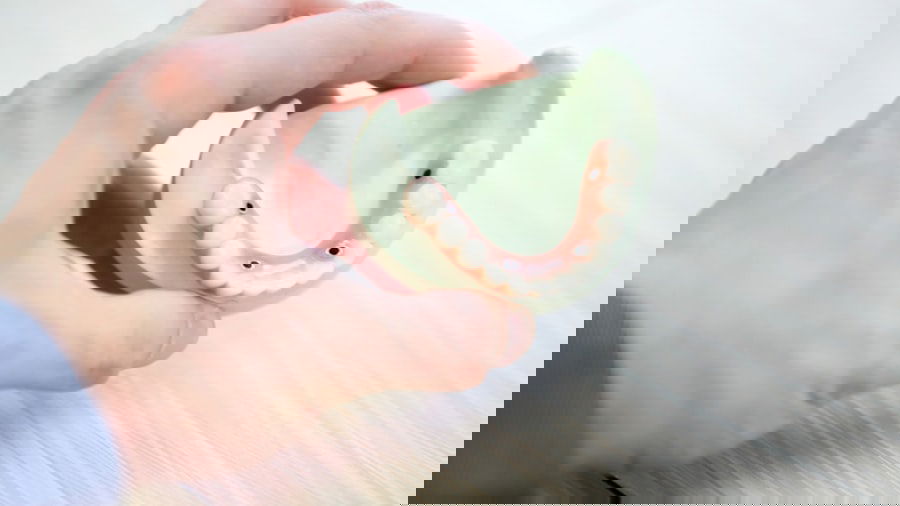
The orthodontic field has also embraced CBCT technology as a means to enhance diagnosis and treatment planning. One significant application is in assessing skeletal relationships and dental occlusion. Traditional cephalometric analysis relies on 2D radiographs that may not accurately represent complex three-dimensional relationships between teeth and jaws.
In contrast, CBCT provides a comprehensive view that allows orthodontists to evaluate skeletal discrepancies more effectively and devise appropriate treatment strategies.
By capturing periodic scans during treatment, orthodontists can assess tooth movement and ensure that the desired outcomes are being achieved according to plan.
This real-time feedback allows for timely adjustments to be made if necessary, optimizing treatment efficiency and effectiveness. Additionally, the ability to visualize root positions and potential root resorption during treatment further enhances patient safety and treatment predictability.
Temporomandibular Joint (TMJ) Evaluation with CBCT
The evaluation of temporomandibular joint disorders (TMD) has greatly benefited from the advent of CBCT technology. TMD encompasses a range of conditions affecting the jaw joint and surrounding muscles, often leading to pain and dysfunction. Accurate diagnosis is critical for effective management; thus, detailed imaging is essential.
CBCT provides high-resolution images that allow clinicians to assess joint morphology, disc position, and any degenerative changes within the joint space. In clinical practice, CBCT can reveal abnormalities such as osteophyte formation or joint effusion that may not be visible on conventional radiographs. This detailed assessment enables practitioners to develop targeted treatment plans tailored to each patient’s specific condition.
Furthermore, by visualizing both hard and soft tissues around the TMJ, clinicians can better understand the multifactorial nature of TMDs and address contributing factors more comprehensively.
Future Trends and Developments in CBCT Technology
As technology continues to advance at a rapid pace, the future of CBCT in dentistry looks promising with several emerging trends on the horizon. One significant development is the integration of artificial intelligence (AI) into CBCT imaging analysis. AI algorithms can assist in automating image interpretation, enhancing diagnostic accuracy by identifying subtle pathologies that may be overlooked by human observers.
This integration could streamline workflows and improve efficiency within dental practices. Another trend is the ongoing refinement of imaging protocols aimed at reducing radiation exposure while maintaining image quality. Innovations such as iterative reconstruction techniques are being explored to enhance image clarity without increasing dose levels.
Additionally, advancements in software capabilities are enabling more sophisticated visualization techniques such as virtual reality (VR) applications that allow clinicians to immerse themselves in 3D models for enhanced understanding during treatment planning. Furthermore, as telehealth continues to gain traction within healthcare systems globally, there is potential for remote consultations utilizing CBCT images. This could facilitate collaboration among specialists across different locations while providing patients with access to expert opinions without necessitating travel.
In conclusion, Cone Beam Computed Tomography has established itself as an indispensable tool across various domains within dentistry. Its diagnostic capabilities enhance clinical decision-making while improving patient outcomes through precise treatment planning and execution. As technology evolves further, it will undoubtedly continue to shape the future landscape of dental care.
If you are interested in learning more about how advanced technology is revolutionizing dentistry, you may want to check out this article on Invisalign FAQs: Your Top Questions Answered. This article discusses how Invisalign, a popular orthodontic treatment, can help transform your smile. Invisalign is just one example of how cutting-edge tools like CBCT are being used in dentistry to provide patients with more efficient and effective care. To learn more about cosmetic dentistry options like Invisalign, you can also read this article on Transform Your Smile with Invisalign for Adults.
FAQs
What is CBCT in dentistry?
CBCT stands for Cone Beam Computed Tomography, which is a specialized type of x-ray technology used in dentistry to produce 3D images of the teeth, soft tissues, nerve pathways, and bone in a single scan.
What are the uses of CBCT in dentistry?
CBCT is used in dentistry for a variety of purposes, including implant planning, orthodontic assessment, endodontic evaluation, TMJ analysis, airway assessment, and diagnosis of dental and facial trauma.
How does CBCT benefit dentists and patients?
CBCT provides dentists with detailed, accurate 3D images that help in treatment planning, improving the accuracy of diagnosis, and reducing the need for invasive procedures. For patients, CBCT can lead to more precise and effective treatments, as well as reduced radiation exposure compared to traditional CT scans.
Is CBCT safe for dental imaging?
CBCT imaging exposes patients to a higher level of radiation compared to traditional dental x-rays, but the benefits of the detailed 3D images often outweigh the risks. Dentists take precautions to minimize radiation exposure, and the technology continues to improve in terms of reducing radiation dose.
Are there any limitations to using CBCT in dentistry?
While CBCT provides detailed 3D images, it may not be suitable for all dental imaging needs. It is not typically used for routine dental exams or cavity detection, and its use is generally reserved for specific diagnostic and treatment planning purposes.