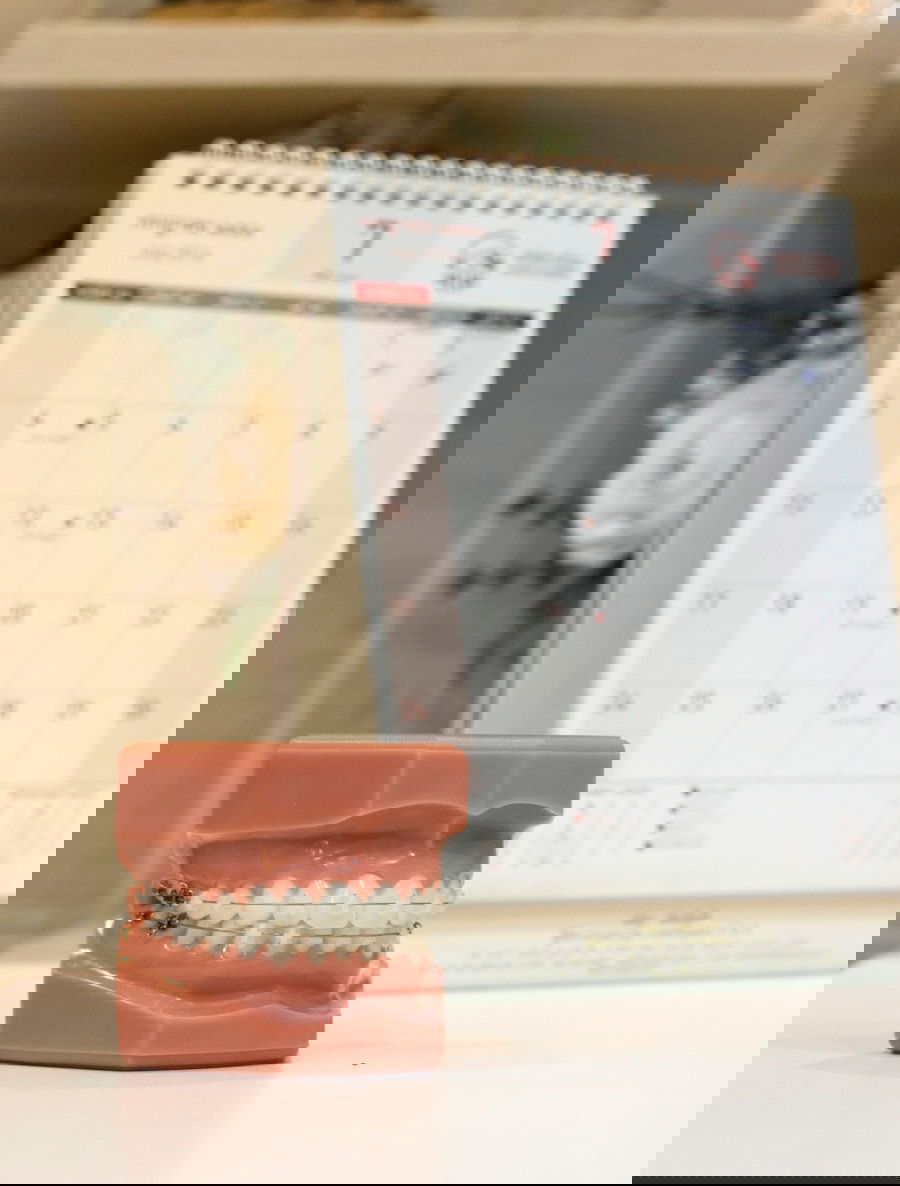
Invisalign is a modern orthodontic treatment that utilizes a series of clear, removable aligners to gradually straighten teeth. Unlike traditional metal braces, which use brackets and wires, Invisalign aligners are made from a patented thermoplastic material that is virtually invisible when worn. The treatment begins with a comprehensive consultation, during which a dentist or orthodontist evaluates the patient’s dental condition and creates a customized treatment plan.
Advanced 3D imaging technology is employed to map out the movement of the teeth throughout the treatment process, allowing for precise adjustments and predictable outcomes. Once the treatment plan is established, a series of aligners are fabricated specifically for the patient. Each aligner is designed to be worn for about two weeks before being replaced with the next in the series.
As the patient progresses through the aligners, their teeth gradually shift into the desired position. The aligners apply gentle pressure on the teeth, which encourages movement without the discomfort often associated with traditional braces. Regular check-ups with the orthodontist are necessary to monitor progress and make any necessary adjustments to the treatment plan.
Key Takeaways
- Invisalign is a clear aligner system that straightens teeth without the use of traditional braces.
- Invisalign works by using a series of custom-made, removable aligners to gradually shift teeth into the desired position.
- The benefits of Invisalign compared to traditional braces include being virtually invisible, removable for eating and cleaning, and generally more comfortable.
- Good candidates for Invisalign treatment are individuals with mild to moderate teeth misalignment or spacing issues.
- Invisalign treatment typically takes 12-18 months and involves regular check-ups to monitor progress and receive new aligners.
What are the benefits of Invisalign compared to traditional braces?
One of the most significant advantages of Invisalign is its aesthetic appeal. The clear aligners are nearly invisible, making them an attractive option for adults and teens who may feel self-conscious about wearing traditional metal braces. This discreet nature allows individuals to undergo orthodontic treatment without drawing attention to their dental work, which can be particularly beneficial in professional or social settings.
In addition to aesthetics, Invisalign offers greater comfort compared to traditional braces. The smooth plastic material of the aligners reduces irritation to the gums and cheeks, which is a common complaint among those wearing metal braces. Furthermore, because the aligners are removable, patients can enjoy their favorite foods without restrictions.
Unlike traditional braces, which require careful consideration of what can be eaten to avoid damaging brackets and wires, Invisalign users can simply remove their aligners during meals and clean their teeth as usual afterward.
Who is a good candidate for Invisalign treatment?
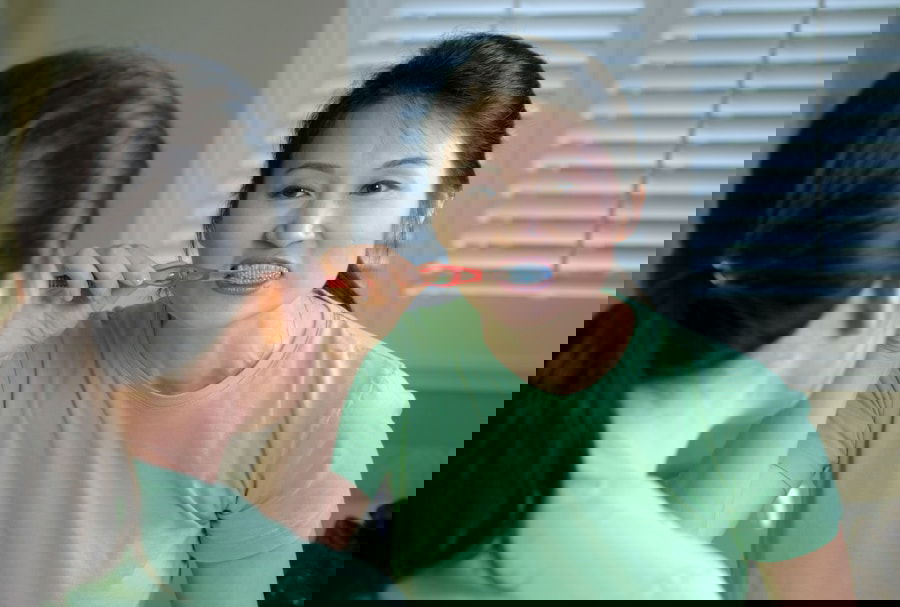
Invisalign is suitable for a wide range of orthodontic issues, making it an appealing option for many patients. Ideal candidates typically have mild to moderate dental misalignments, such as crowding, spacing issues, overbites, underbites, or crossbites. However, it is essential for candidates to have good oral hygiene and be committed to wearing their aligners for at least 20 to 22 hours per day to achieve optimal results.
While Invisalign can effectively treat many orthodontic concerns, it may not be the best choice for everyone. Individuals with severe dental issues or complex bite problems may require more traditional orthodontic treatments. Additionally, younger patients whose teeth and jaws are still developing may not be ideal candidates for Invisalign. In such cases, orthodontists may recommend alternative treatments that can better address their specific needs.
How long does Invisalign treatment take and what is the process like?
| Stage | Duration |
|---|---|
| Consultation | 30 minutes to 1 hour |
| Custom Aligners | 2-4 weeks |
| Treatment | 6-18 months |
| Retention | Indefinite (wearing retainers at night) |
The duration of Invisalign treatment varies depending on the complexity of the case and the individual’s adherence to wearing the aligners as prescribed. On average, treatment can take anywhere from 12 to 18 months; however, some patients may see results in as little as six months, while others with more complex issues may require two years or more. The orthodontist will provide a more accurate estimate during the initial consultation based on the specific treatment plan.
The process of receiving Invisalign treatment begins with an initial consultation where the orthodontist assesses the patient’s dental health and discusses their goals. If deemed a suitable candidate, digital scans or impressions of the teeth are taken to create a customized treatment plan. This plan outlines each stage of tooth movement and includes a series of aligners that will be worn sequentially.
After the aligners are fabricated, patients will receive their first set and instructions on how to wear them effectively. Regular follow-up appointments are scheduled every six to eight weeks to monitor progress and provide new sets of aligners as needed.
What are the potential side effects of Invisalign and how can they be managed?
While Invisalign is generally well-tolerated by most patients, some may experience mild side effects during treatment. Common issues include temporary discomfort or pressure on the teeth as they begin to shift into new positions. This sensation is typically mild and subsides within a few days as the teeth adjust to the aligners.
Over-the-counter pain relievers can help alleviate any discomfort during this adjustment period. Another potential side effect is difficulty speaking clearly when first wearing a new set of aligners. This is particularly common when transitioning to a new set, as the aligners may feel bulky initially.
However, most patients adapt quickly, and any speech impediments usually resolve within a few days as they become accustomed to wearing the aligners. Maintaining good oral hygiene is also crucial during treatment; patients should brush their teeth after meals before reinserting their aligners to prevent cavities or gum disease.
How much does Invisalign treatment cost and are there payment options available?
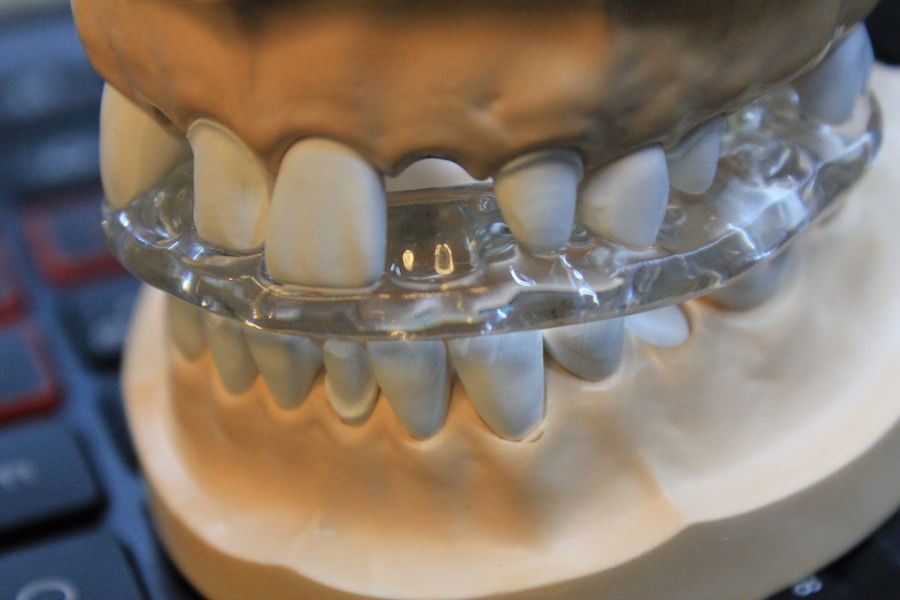
The cost of Invisalign treatment can vary significantly based on several factors, including the complexity of the case, geographic location, and the specific orthodontist’s fees. On average, patients can expect to pay between $3,000 and $8,000 for complete treatment. This price range often includes all necessary appointments and follow-up visits throughout the duration of treatment.
Many dental insurance plans now offer coverage for orthodontic treatments like Invisalign, which can help offset costs. Patients should check with their insurance provider to understand their benefits and any limitations that may apply. Additionally, many orthodontic practices offer flexible payment plans or financing options that allow patients to spread out payments over time, making it more manageable for those concerned about upfront costs.
Can I eat and drink normally with Invisalign?
One of the most appealing aspects of Invisalign is its removability, which allows patients to eat and drink without restrictions. Unlike traditional braces that require careful consideration of what foods can be consumed—avoiding sticky or hard items that could damage brackets—Invisalign users can simply remove their aligners before meals. This flexibility means that patients can enjoy their favorite foods without worrying about damaging their orthodontic appliances.
However, it is essential for patients to remember that while they can eat freely without their aligners in place, they should always brush their teeth before reinserting them afterward. This practice helps maintain oral hygiene by preventing food particles from becoming trapped between the aligners and teeth, which could lead to cavities or bad breath.
How do I maintain and care for my Invisalign aligners?
Proper care and maintenance of Invisalign aligners are crucial for ensuring effective treatment and maintaining oral hygiene. Patients should clean their aligners daily using a soft toothbrush and mild soap or a specialized cleaning solution designed for clear aligners. Avoid using toothpaste or harsh chemicals that could scratch or damage the surface of the aligners.
Additionally, it is important for patients to store their aligners in a protective case when not in use to prevent loss or damage. Aligners should never be left out in open areas where they could be accidentally thrown away or contaminated. Regularly rinsing them with water can help keep them fresh and free from bacteria buildup.
By following these care guidelines, patients can ensure that their Invisalign treatment progresses smoothly while maintaining optimal oral health throughout the process.
If you are considering Invisalign treatment to achieve a straight smile, you may also be interested in learning about the benefits of clear aligner therapy. Clear aligners offer a discreet and convenient way to straighten your teeth without the need for traditional braces. To find out more about how clear aligner therapy can transform your smile, check out this article.