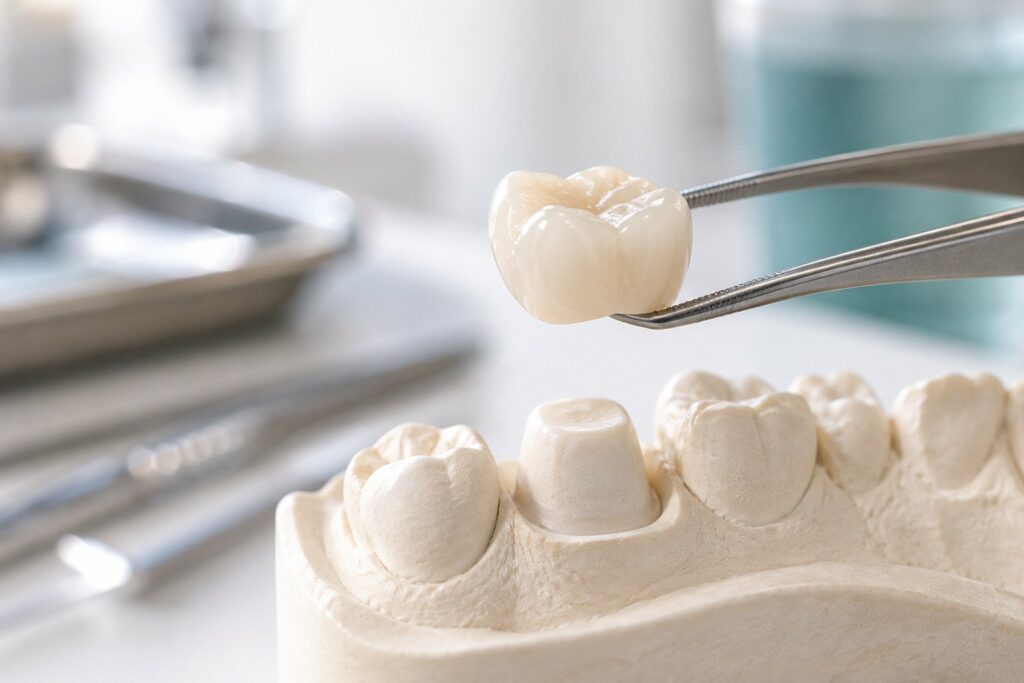
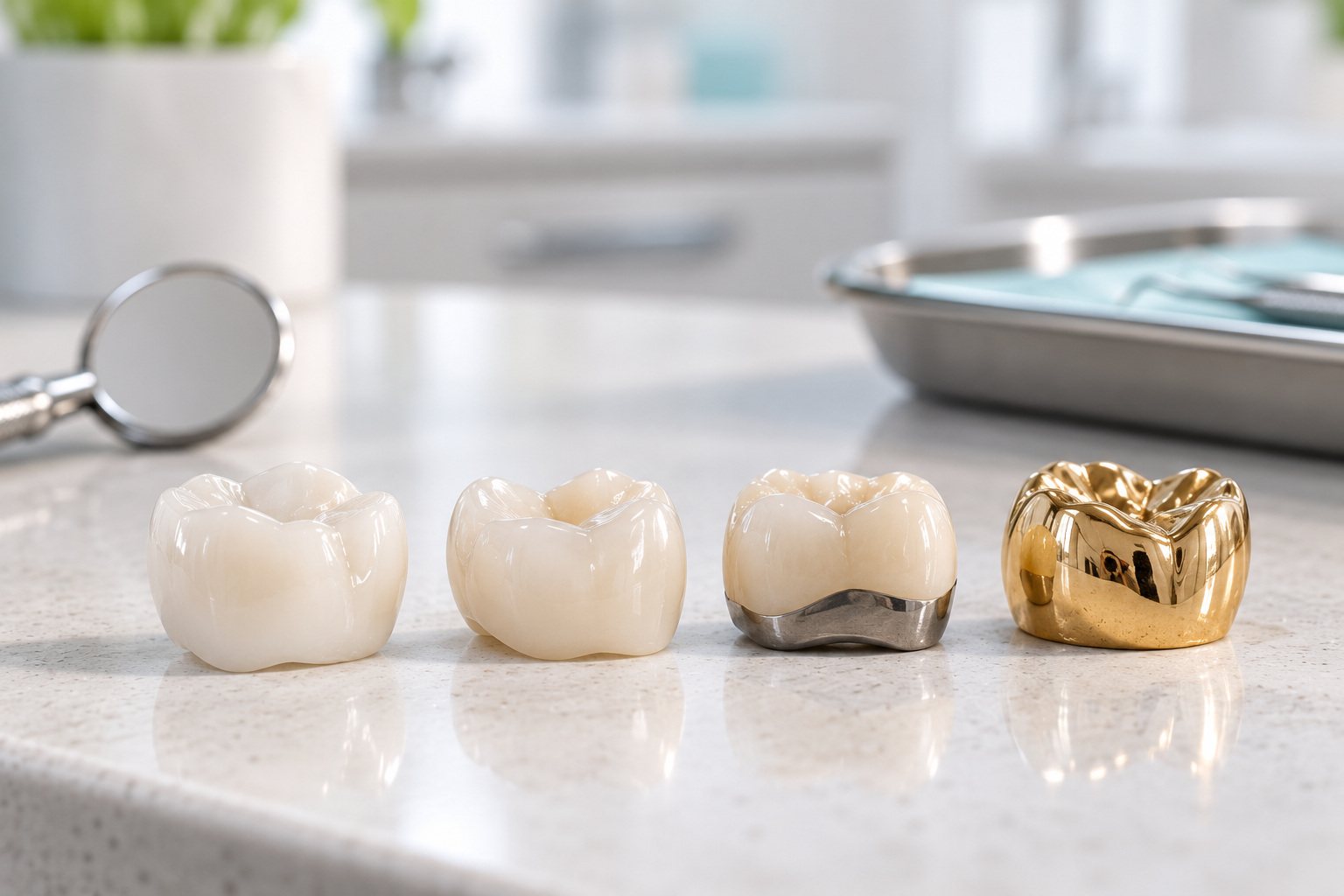
Dental crowns are custom-made caps designed to cover and protect damaged or decayed teeth. They serve both functional and aesthetic purposes, restoring the tooth’s shape, size, strength, and appearance. Crowns can be made from various materials, including porcelain, ceramic, metal, or a combination of these.
The choice of material often depends on the location of the tooth, the extent of damage, and the patient’s personal preferences. For instance, porcelain crowns are frequently used for front teeth due to their natural appearance, while metal crowns may be preferred for molars because of their durability. The process of creating a dental crown involves several steps, beginning with a thorough examination by a dentist.
This examination may include X-rays to assess the tooth’s condition and determine if a crown is the best solution. Once the decision is made, the dentist will prepare the tooth by removing any decay and shaping it to fit the crown. An impression of the tooth is then taken to ensure a precise fit.
This impression is sent to a dental laboratory where the crown is crafted, which can take anywhere from a few days to a couple of weeks. In some cases, dentists may use same-day technology to create and place crowns in a single visit.
Key Takeaways
- Dental crowns are tooth-shaped caps that are placed over a damaged or decayed tooth to restore its shape, size, strength, and appearance.
- Dental crowns are necessary when a tooth is severely damaged, decayed, or weakened, or after a root canal treatment, to protect and strengthen the tooth.
- Different types of dental crowns include porcelain-fused-to-metal, all-ceramic, all-metal, and zirconia crowns, each with its own advantages and disadvantages.
- The process of getting dental crowns involves multiple visits to the dentist, including tooth preparation, impression taking, crown fabrication, and final placement.
- Benefits of dental crowns include improved appearance, restored tooth function, protection of the underlying tooth, and long-term durability.
When are Dental Crowns Necessary?
Dental crowns are often deemed necessary in various situations where a tooth has been compromised. One common scenario is when a tooth has undergone root canal therapy.
A crown provides the necessary support and protection, allowing the tooth to function normally while preventing further damage. Additionally, crowns are frequently used to restore teeth that have been severely worn down due to grinding or other factors, ensuring that they can withstand normal chewing forces. Another situation that may necessitate a dental crown is when a tooth has a large filling that compromises its structural integrity.
In cases where a significant portion of the tooth is missing due to decay or trauma, a crown can help restore its shape and function. Crowns are also used in cosmetic dentistry to improve the appearance of discolored or misshapen teeth. By covering these imperfections, crowns can enhance a person’s smile and boost their confidence.
Furthermore, dental crowns can be employed in conjunction with dental bridges to replace missing teeth, providing stability and support for adjacent teeth.
Different Types of Dental Crowns

Dental crowns come in several types, each with distinct characteristics suited for different clinical situations. Porcelain crowns are popular for their aesthetic appeal; they closely mimic the natural color and translucency of teeth, making them an excellent choice for front teeth. These crowns are often used in cosmetic procedures due to their ability to blend seamlessly with surrounding teeth.
However, porcelain crowns can be less durable than other materials and may be more prone to chipping. Metal crowns, on the other hand, are known for their strength and longevity. Made from materials such as gold or other alloys, these crowns can withstand significant chewing forces and are less likely to wear down over time.
They are often recommended for molars where aesthetics are less of a concern. However, their metallic appearance can be a drawback for some patients who prefer a more natural look. Ceramic crowns offer a middle ground between porcelain and metal options.
They provide good aesthetics while also being relatively strong. These crowns are often used for both front and back teeth, making them versatile in various dental applications. Additionally, there are resin crowns that are less expensive but may not offer the same durability as other materials.
Each type of crown has its advantages and disadvantages, and the choice often depends on individual needs and circumstances.
The Process of Getting Dental Crowns
| Stage | Description |
|---|---|
| Initial Consultation | Examination of the tooth and discussion of treatment options |
| Tooth Preparation | Reshaping the tooth to make room for the crown |
| Impression Taking | Making a mold of the prepared tooth for the crown |
| Temporary Crown Placement | Temporary crown is placed while the permanent one is being made |
| Permanent Crown Placement | Final fitting and placement of the permanent crown |
| Follow-up Appointment | Check the fit and comfort of the new crown |
The journey to receiving dental crowns typically begins with an initial consultation with a dentist. During this appointment, the dentist will evaluate the condition of the affected tooth or teeth through visual examination and X-rays. If a crown is deemed necessary, the dentist will discuss the various types of crowns available and help the patient choose the most suitable option based on their specific needs.
Once the type of crown is selected, the next step involves preparing the tooth for crowning. This preparation may include numbing the area with local anesthesia to ensure comfort during the procedure. The dentist will then remove any decay and shape the tooth so that it can accommodate the crown properly.
After shaping the tooth, an impression is taken using either traditional putty or digital scanning technology. This impression is crucial as it ensures that the crown fits perfectly over the prepared tooth. In many cases, patients will receive a temporary crown while waiting for their permanent one to be fabricated in a dental laboratory.
This temporary crown protects the prepared tooth and allows patients to maintain normal function until their next appointment. Once the permanent crown is ready—usually within one to two weeks—the patient returns to have it placed. The dentist will check the fit and color before permanently cementing it in place.
Benefits of Dental Crowns
Dental crowns offer numerous benefits that extend beyond mere aesthetics. One of the primary advantages is their ability to restore functionality to damaged teeth. By providing strength and support, crowns enable patients to chew food effectively without discomfort or fear of further damage.
This restoration of function can significantly improve quality of life, allowing individuals to enjoy a wider variety of foods without restrictions. In addition to functional benefits, dental crowns also play a crucial role in preserving natural teeth. When a tooth is severely decayed or damaged but still has viable structure remaining, placing a crown can prevent the need for extraction.
This preservation not only maintains the integrity of the dental arch but also helps prevent complications associated with missing teeth, such as shifting of adjacent teeth and bone loss in the jaw. Moreover, dental crowns can enhance aesthetic appeal by improving the appearance of discolored or misshapen teeth. This cosmetic benefit can lead to increased self-esteem and confidence in social situations.
Patients often report feeling more comfortable smiling and engaging with others after receiving crowns that restore their natural appearance.
Potential Risks and Complications

While dental crowns are generally safe and effective, there are potential risks and complications associated with their placement. One common issue is sensitivity following crown placement. Patients may experience heightened sensitivity to hot or cold temperatures due to changes in tooth structure or nerve exposure during preparation.
This sensitivity usually subsides over time but can be uncomfortable in the interim. Another risk involves improper fit or alignment of the crown. If a crown does not fit correctly, it can lead to discomfort while chewing or even cause damage to adjacent teeth.
In some cases, an ill-fitting crown may require adjustment or replacement altogether. Additionally, there is a possibility of crown failure due to factors such as excessive wear or trauma; this is particularly relevant for patients who grind their teeth (bruxism) or have habits that put undue stress on their dental work. In rare instances, patients may experience allergic reactions to materials used in metal crowns or cementing agents.
It is essential for individuals with known allergies to discuss these concerns with their dentist prior to treatment. Overall, while complications can arise, they are typically manageable with proper care and follow-up.
Caring for Dental Crowns
Caring for dental crowns is crucial for ensuring their longevity and maintaining oral health. Good oral hygiene practices should be followed diligently; this includes brushing at least twice daily with fluoride toothpaste and flossing regularly to remove plaque buildup around the crown margins. Patients should also consider using an antibacterial mouthwash to further reduce bacteria in the mouth.
Regular dental check-ups are essential for monitoring the condition of crowns and surrounding teeth. During these visits, dentists can assess any potential issues early on and provide professional cleanings that help maintain gum health around crowned teeth.
Dietary choices can also impact the longevity of dental crowns. While most patients can enjoy a normal diet after receiving crowns, it’s advisable to avoid extremely hard foods that could potentially chip or crack porcelain or ceramic crowns. Sticky foods should also be consumed with caution as they may dislodge temporary crowns or cause discomfort around permanent ones.
Cost of Dental Crowns and Insurance Coverage
The cost of dental crowns can vary significantly based on several factors including material type, location of the dental practice, and whether additional procedures are required prior to placement (such as root canal therapy). On average, patients can expect to pay anywhere from $800 to $3,000 per crown depending on these variables. Porcelain crowns tend to be on the higher end of this spectrum due to their aesthetic qualities and manufacturing processes.
Insurance coverage for dental crowns also varies widely among plans. Many dental insurance policies cover a portion of the cost if the crown is deemed medically necessary—such as after root canal treatment or for restoring severely decayed teeth—but may not cover cosmetic procedures aimed solely at improving appearance. Patients should review their insurance policy details carefully and consult with their insurance provider before proceeding with treatment.
For those without insurance or with limited coverage options, financing plans may be available through dental offices or third-party lenders that allow patients to pay for treatment over time rather than all at once. This flexibility can make obtaining necessary dental care more accessible for individuals facing financial constraints while ensuring they receive essential restorative work without delay.
If you are considering getting dental crowns, you may also be interested in learning about ClearCorrect aligners as an alternative to traditional braces. ClearCorrect is a discreet and convenient way to straighten your teeth without the hassle of metal brackets and wires. To find out more about ClearCorrect and how it can improve your smile, check out this informative article on ClearCorrect.
FAQs
What are dental crowns?
Dental crowns are tooth-shaped caps that are placed over a damaged or decayed tooth to restore its shape, size, strength, and appearance.
What are the different types of dental crowns?
There are several types of dental crowns, including porcelain-fused-to-metal, all-ceramic, all-metal, and zirconia crowns. Each type has its own advantages and is used based on the specific needs of the patient.
Why are dental crowns used?
Dental crowns are used to protect and strengthen a weak or damaged tooth, restore a broken or severely worn tooth, support a tooth with a large filling, cover a dental implant, or improve the appearance of a misshapen or discolored tooth.
How long do dental crowns last?
The lifespan of a dental crown can vary depending on the material used, the patient’s oral hygiene habits, and other factors. On average, dental crowns can last anywhere from 5 to 15 years.
What is the process of getting a dental crown?
The process of getting a dental crown typically involves multiple visits to the dentist. It includes preparing the tooth, taking impressions, placing a temporary crown, and finally, placing the permanent crown once it is fabricated.
Are there any risks or complications associated with dental crowns?
While dental crowns are generally safe, there are some potential risks and complications, such as tooth sensitivity, allergic reactions to the materials used, and the possibility of the crown becoming loose or falling off. It is important to discuss these risks with your dentist before getting a dental crown.