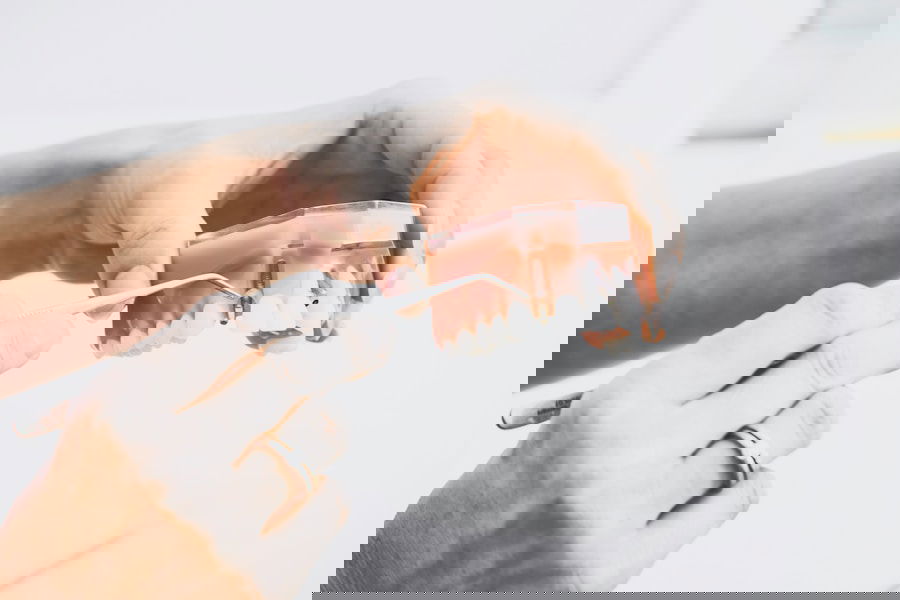
Oral cancer encompasses a range of malignancies that can develop in various parts of the mouth, including the lips, tongue, cheeks, gums, and the floor and roof of the mouth. This type of cancer is classified under head and neck cancers and can manifest as squamous cell carcinoma, which is the most common form, accounting for approximately 90% of oral cancers. The development of oral cancer often begins with precancerous conditions such as leukoplakia or erythroplakia, which are characterized by white or red patches in the mouth that may indicate abnormal cell growth.
Understanding the biological mechanisms behind these changes is crucial for both prevention and treatment. The etiology of oral cancer is multifaceted, involving a combination of genetic predispositions and environmental factors. The oral cavity is exposed to various carcinogens, including tobacco smoke, alcohol, and certain viruses like human papillomavirus (HPV).
The interaction between these risk factors can lead to cellular mutations that promote tumorigenesis. Furthermore, the oral cavity’s unique environment, with its constant exposure to mechanical trauma from chewing and the presence of bacteria, can also contribute to the development of cancerous lesions. As research continues to evolve, a deeper understanding of these mechanisms will aid in developing targeted therapies and preventive strategies.
Key Takeaways
- Oral cancer is a type of cancer that develops in the mouth or throat, and can be life-threatening if not detected and treated early.
- Risk factors for oral cancer include tobacco use, excessive alcohol consumption, HPV infection, and sun exposure.
- Early detection of oral cancer is crucial for successful treatment and improved survival rates.
- Signs and symptoms of oral cancer may include persistent mouth sores, difficulty swallowing, and changes in voice.
- Screening methods for oral cancer include visual examination, tissue biopsy, and imaging tests such as CT scans and MRI.
Risk Factors for Oral Cancer
Several risk factors have been identified that significantly increase the likelihood of developing oral cancer. Tobacco use remains one of the most significant contributors, with both smoking and smokeless tobacco products being linked to a higher incidence of oral malignancies. The carcinogenic compounds found in tobacco can cause direct damage to the DNA in oral epithelial cells, leading to mutations that may result in cancer.
Studies have shown that individuals who use tobacco are six times more likely to develop oral cancer than non-users, underscoring the critical need for cessation programs. Alcohol consumption is another major risk factor associated with oral cancer. The synergistic effect of alcohol and tobacco use further amplifies the risk; individuals who consume both are at an even greater risk than those who use either substance alone.
Alcohol acts as a solvent, enhancing the absorption of carcinogens present in tobacco smoke and other environmental toxins. Additionally, certain dietary deficiencies, particularly a lack of fruits and vegetables rich in antioxidants, have been linked to an increased risk of oral cancer. Nutritional factors play a vital role in maintaining oral health and may influence the body’s ability to combat oxidative stress and inflammation.
Importance of Early Detection
Early detection of oral cancer is paramount for improving patient outcomes and survival rates. When diagnosed at an early stage, the five-year survival rate for oral cancer can exceed 80%. This stark contrast highlights the importance of regular dental check-ups and self-examinations.
Early-stage oral cancers are often asymptomatic or present with mild symptoms that can be easily overlooked. Therefore, awareness and education about the importance of routine screenings are essential components in combating this disease. Moreover, advancements in diagnostic technologies have made it possible to detect oral cancers at earlier stages than ever before.
Techniques such as brush biopsies and adjunctive screening devices can aid in identifying suspicious lesions before they progress to more advanced stages. The integration of these technologies into routine dental practices can facilitate timely interventions, ultimately leading to better prognoses for patients. Public health initiatives aimed at promoting awareness about the signs and symptoms of oral cancer can further enhance early detection efforts.
Signs and Symptoms of Oral Cancer
| Signs and Symptoms of Oral Cancer |
|---|
| 1. Persistent mouth sore |
| 2. Swelling in the mouth |
| 3. Persistent sore throat |
| 4. Difficulty chewing or swallowing |
| 5. Persistent hoarseness |
| 6. Numbness in the mouth or lips |
| 7. Red or white patches in the mouth |
| 8. Unexplained weight loss |
Recognizing the signs and symptoms of oral cancer is crucial for timely intervention. Common indicators include persistent sores or ulcers in the mouth that do not heal within two weeks, lumps or thickening in the tissues of the mouth or neck, and changes in voice or difficulty swallowing. Patients may also experience unexplained bleeding or numbness in the mouth, as well as persistent pain that does not respond to conventional treatments.
These symptoms can often be mistaken for less serious conditions, which can delay diagnosis and treatment. In addition to these physical manifestations, changes in oral hygiene practices may also serve as warning signs. For instance, individuals may notice a persistent bad breath or a change in taste sensation that does not resolve over time.
It is essential for individuals to be vigilant about their oral health and seek professional evaluation if they notice any unusual changes. Regular self-examinations can empower individuals to take charge of their health by identifying potential issues early on.
Screening Methods for Oral Cancer
Screening methods for oral cancer have evolved significantly over the years, with various techniques available to enhance early detection. Visual examinations conducted by dental professionals remain a cornerstone of screening practices. During routine dental visits, dentists assess the oral cavity for any abnormalities such as lesions, discoloration, or asymmetry that may indicate potential malignancy.
However, visual examinations alone may not always be sufficient for accurate diagnosis. Adjunctive screening technologies have emerged as valuable tools in enhancing diagnostic accuracy. For example, VELscope is a fluorescence visualization device that helps identify abnormal tissue by illuminating the oral cavity with a specific wavelength of light.
This technology allows for the detection of lesions that may not be visible during a standard examination. Additionally, brush biopsies enable clinicians to collect cells from suspicious areas for cytological analysis without requiring invasive surgical procedures. These advancements in screening methods are crucial for improving early detection rates and ultimately saving lives.
Role of Dentists in Oral Cancer Screening
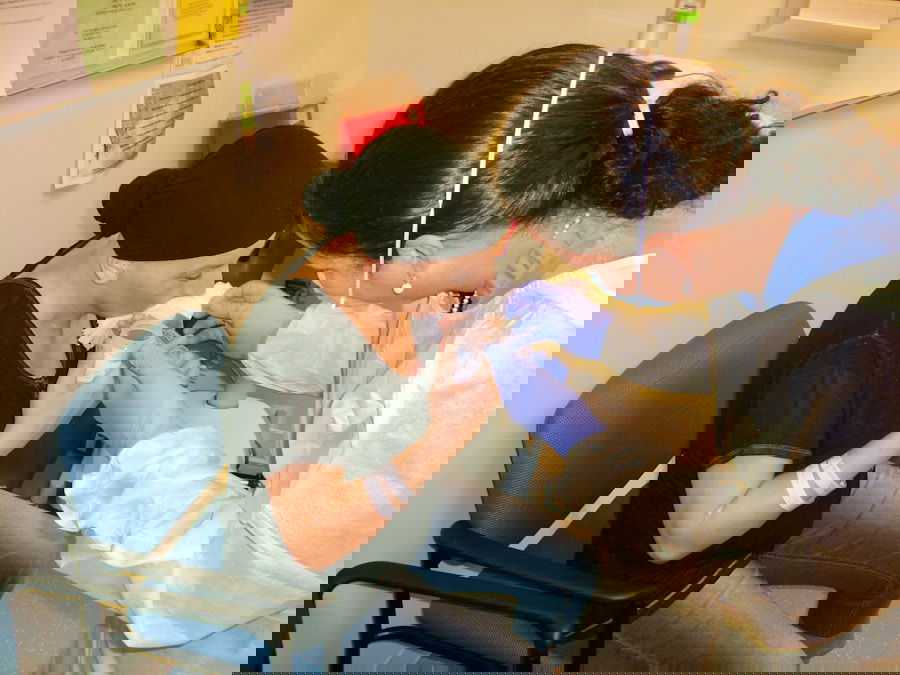
Dentists play a pivotal role in the early detection and prevention of oral cancer through regular screenings and patient education. As primary care providers for oral health, dentists are often the first healthcare professionals to identify potential signs of malignancy during routine examinations.
In addition to conducting thorough examinations, dentists are instrumental in educating patients about self-examination techniques and the importance of reporting any changes in their oral health. By fostering open communication with patients regarding their lifestyle choices—such as tobacco use and alcohol consumption—dentists can provide tailored advice on reducing risk factors associated with oral cancer. Furthermore, dentists can advocate for regular screenings and collaborate with other healthcare providers to ensure comprehensive care for patients at risk.
Treatment Options for Oral Cancer
The treatment landscape for oral cancer is diverse and depends on various factors, including the stage of cancer, its location, and the overall health of the patient. Surgical intervention is often the primary treatment modality for localized tumors, aiming to remove cancerous tissue while preserving as much healthy tissue as possible. In some cases, reconstructive surgery may be necessary to restore function and aesthetics after tumor removal.
Radiation therapy is another common treatment option, particularly for patients who are not candidates for surgery or those with advanced-stage disease. This modality uses high-energy rays to target and destroy cancer cells while minimizing damage to surrounding healthy tissue. Chemotherapy may also be employed either as a primary treatment or adjuvantly following surgery to eliminate residual cancer cells.
Emerging targeted therapies and immunotherapies are being explored as well, offering new avenues for treatment that focus on specific molecular targets associated with tumor growth.
Promoting Oral Cancer Awareness and Prevention
Promoting awareness about oral cancer is essential for reducing incidence rates and improving outcomes through early detection. Public health campaigns aimed at educating communities about risk factors—such as tobacco use and excessive alcohol consumption—can significantly impact prevention efforts. Schools, workplaces, and community organizations can play a vital role in disseminating information about oral health practices and encouraging regular dental visits.
Additionally, integrating oral cancer education into routine dental care can empower patients to take proactive steps toward their health. Dentists can provide resources on self-examination techniques and offer guidance on lifestyle modifications that reduce risk factors associated with oral cancer. Collaborating with local health departments and advocacy groups can further amplify these efforts by organizing screening events and educational workshops within communities.
By fostering a culture of awareness and prevention surrounding oral cancer, we can work towards reducing its prevalence and improving survival rates through timely intervention and comprehensive care strategies.
Regular oral cancer screenings are an essential part of preventative dental care, as early detection can greatly increase the chances of successful treatment. According to a recent article on whitepearldentalcare.com.au, routine screenings can help catch any abnormalities in the mouth before they develop into more serious issues. In addition to oral cancer screenings, maintaining good oral hygiene and visiting the dentist regularly in areas like Blacktown can also contribute to a healthy smile. Orthodontic appliances can also play a role in improving smiles, as discussed in another article on whitepearldentalcare.com.au.
FAQs
What is oral cancer screening?
Oral cancer screening is a visual and physical examination of the oral cavity and surrounding areas to check for signs of cancer or precancerous conditions.
Why is oral cancer screening important?
Early detection of oral cancer can significantly improve the chances of successful treatment. Regular screenings can help identify any abnormalities in the mouth that may require further evaluation.
Who should get screened for oral cancer?
Adults of all ages should consider getting screened for oral cancer, especially those who use tobacco products, consume alcohol excessively, have a history of oral cancer, or have a family history of cancer.
What are the signs and symptoms of oral cancer?
Signs and symptoms of oral cancer may include persistent mouth sores, lumps or thickening in the mouth, difficulty chewing or swallowing, and persistent hoarseness or sore throat.
How is oral cancer screening performed?
During an oral cancer screening, a dentist or healthcare provider will visually inspect the mouth, tongue, and throat, and may also use a physical examination to check for any abnormalities or suspicious areas.
What are the risk factors for oral cancer?
Risk factors for oral cancer include tobacco use, excessive alcohol consumption, human papillomavirus (HPV) infection, a weakened immune system, and a history of oral cancer.
Can oral cancer be prevented?
While not all cases of oral cancer can be prevented, individuals can reduce their risk by avoiding tobacco products, limiting alcohol consumption, practicing good oral hygiene, and getting regular oral cancer screenings.