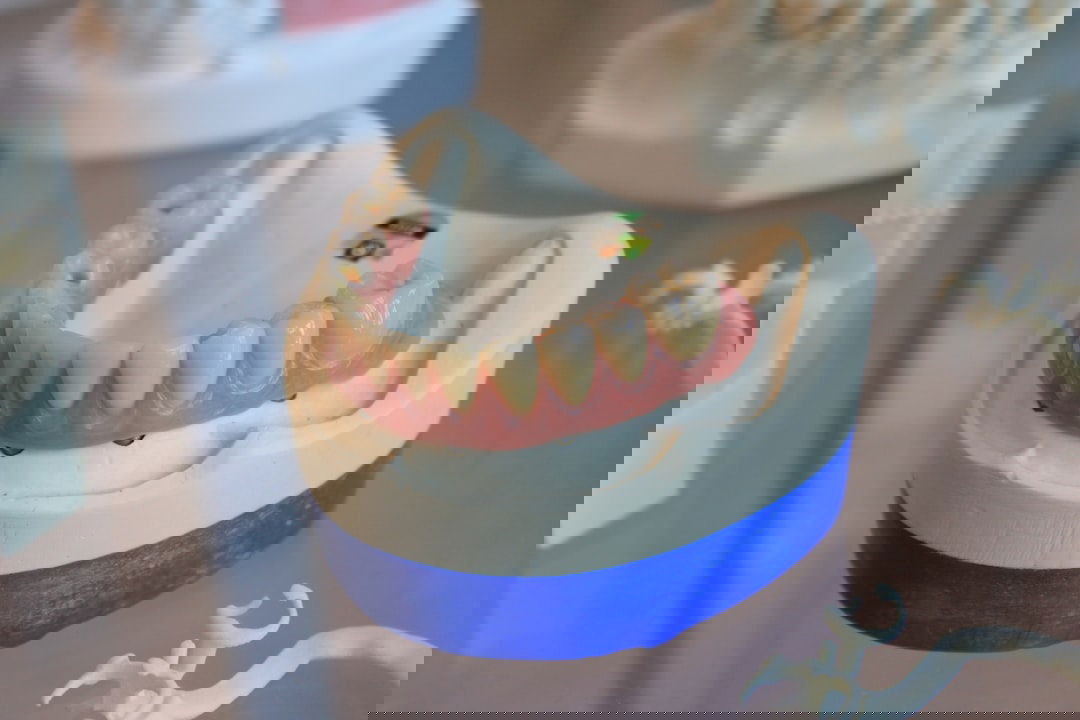
Proper denture care is essential for maintaining oral health and ensuring the longevity of the dentures themselves. Like natural teeth, dentures require regular cleaning and maintenance to prevent plaque buildup, halitosis, and oral infections. Inadequate denture care can result in gum irritation and oral sores, which can significantly impact quality of life.
Well-maintained dentures support proper function for eating and speaking. The importance of proper denture care extends beyond physical health to psychological well-being. Many denture wearers experience anxiety regarding the appearance and functionality of their prosthetic devices.
Consistent care routines can reduce concerns about denture displacement or discomfort, thereby improving self-confidence. Additionally, maintaining proper denture hygiene may help prevent systemic health complications associated with poor oral health, including cardiovascular disease and diabetes-related complications.
Key Takeaways
- Proper denture care is essential for oral health and denture longevity.
- Daily cleaning and soaking help maintain denture hygiene and prevent buildup.
- Using appropriate cleaning products ensures effective and safe denture maintenance.
- Regular dental check-ups are crucial to monitor fit, comfort, and oral health.
- Avoiding harmful habits and seeking professional help can prevent and resolve denture issues.
Daily Denture Cleaning Routine
Establishing a daily cleaning routine is vital for anyone who wears dentures. This routine should ideally begin each morning after waking up. Dentures should be removed and rinsed under warm water to eliminate any food particles or debris that may have accumulated overnight.
Following this initial rinse, a soft-bristled toothbrush specifically designed for dentures should be used to gently clean all surfaces. It is crucial to avoid using regular toothpaste, as it can be abrasive and may scratch the denture material, leading to a rough surface that can harbor bacteria. In addition to the morning routine, it is equally important to clean dentures before bedtime.
This involves removing the dentures and thoroughly cleaning them again with a denture brush and cleaner. After cleaning, dentures should be soaked in a denture solution overnight to help maintain their shape and prevent them from drying out. This two-step process—rinsing and brushing in the morning, followed by soaking at night—ensures that dentures remain free from harmful bacteria and are comfortable for daily use.
Choosing the Right Denture Cleaning Products
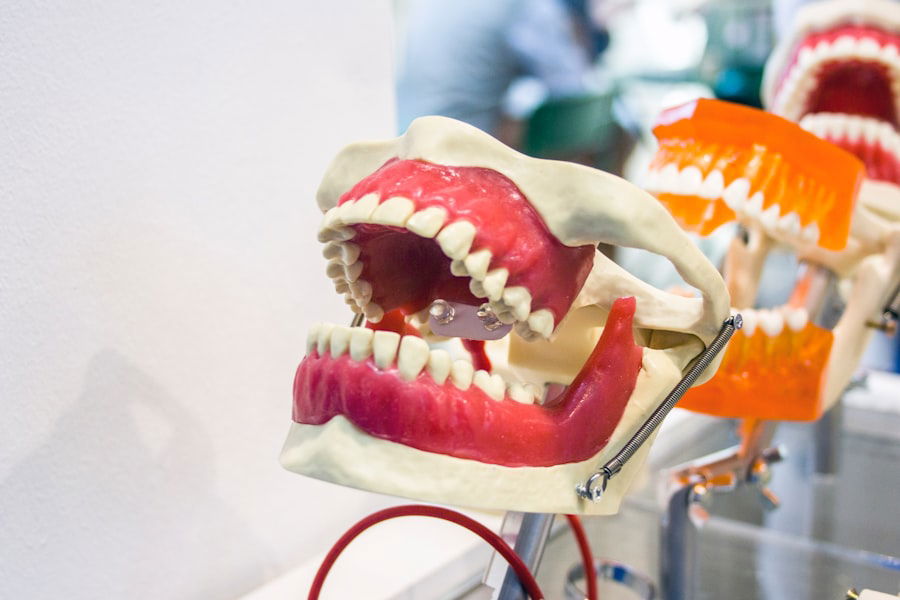
Selecting appropriate cleaning products is crucial for effective denture care. There are various options available on the market, including denture cleansers in tablet form, liquid solutions, and powders. When choosing a product, it is essential to look for those specifically formulated for dentures, as these products are designed to remove stains and kill bacteria without damaging the denture material.
For instance, effervescent tablets can be particularly effective; they dissolve in water and create a bubbling action that helps dislodge debris and stains. Moreover, it is advisable to avoid household cleaners or abrasive substances that are not intended for dental appliances. Products containing bleach or harsh chemicals can compromise the integrity of the dentures and may even pose health risks if residues are ingested.
Reading labels carefully and consulting with a dental professional can help ensure that the chosen products are safe and effective for maintaining denture hygiene.
Soaking Dentures for Deep Cleaning
Soaking dentures is an integral part of a comprehensive cleaning regimen. This process not only helps in removing stubborn stains but also serves to disinfect the dentures effectively. Dentures should be soaked in a solution specifically designed for this purpose, which typically contains ingredients that target bacteria and fungi while being gentle on the denture material.
Soaking for the recommended duration—usually around 15-30 minutes—allows the solution to penetrate any crevices or hard-to-reach areas that brushing alone may miss. In addition to commercial soaking solutions, some individuals opt for natural alternatives such as vinegar or baking soda mixed with water. While these methods can be effective, it is essential to ensure that they do not cause any damage to the dentures over time.
Regular soaking not only keeps dentures clean but also helps maintain their shape and prevents them from becoming brittle or warped due to dehydration.
Handling Dentures with Care
| Tip | Description | Frequency | Recommended Products |
|---|---|---|---|
| Daily Cleaning | Brush dentures daily to remove food particles and plaque. | Once daily | Soft-bristled denture brush, mild soap or denture cleaner |
| Soaking | Soak dentures overnight in a denture cleaning solution to keep them moist and clean. | Every night | Denture soaking solution |
| Rinse After Eating | Rinse dentures with water after meals to remove loose food debris. | After every meal | Clean water |
| Handle with Care | Handle dentures carefully to avoid dropping and damaging them. | As needed | Soft towel or basin filled with water for handling |
| Regular Dental Checkups | Visit your dentist regularly to check the fit and condition of your dentures. | Every 6 months | Dental professional services |
| Avoid Hot Water | Do not use hot water to clean dentures as it can warp their shape. | Always | Use lukewarm or cool water |
| Remove Dentures at Night | Remove dentures before sleeping to allow gums to rest and prevent infections. | Every night | Storage container for dentures |
Handling dentures with care is paramount to preventing damage and ensuring their longevity. Dentures are often delicate and can break or chip if dropped or mishandled. When removing or inserting dentures, it is advisable to do so over a soft surface, such as a towel or basin filled with water, to cushion any accidental falls.
Additionally, using both hands when handling dentures can provide better control and reduce the risk of dropping them. Moreover, it is important to avoid using excessive force when cleaning or adjusting dentures. For instance, while brushing, gentle strokes should be employed rather than vigorous scrubbing, which could lead to scratches or other damage.
By treating dentures with respect and caution, wearers can significantly extend their lifespan and maintain optimal functionality.
Regular Dental Check-ups for Denture Wearers
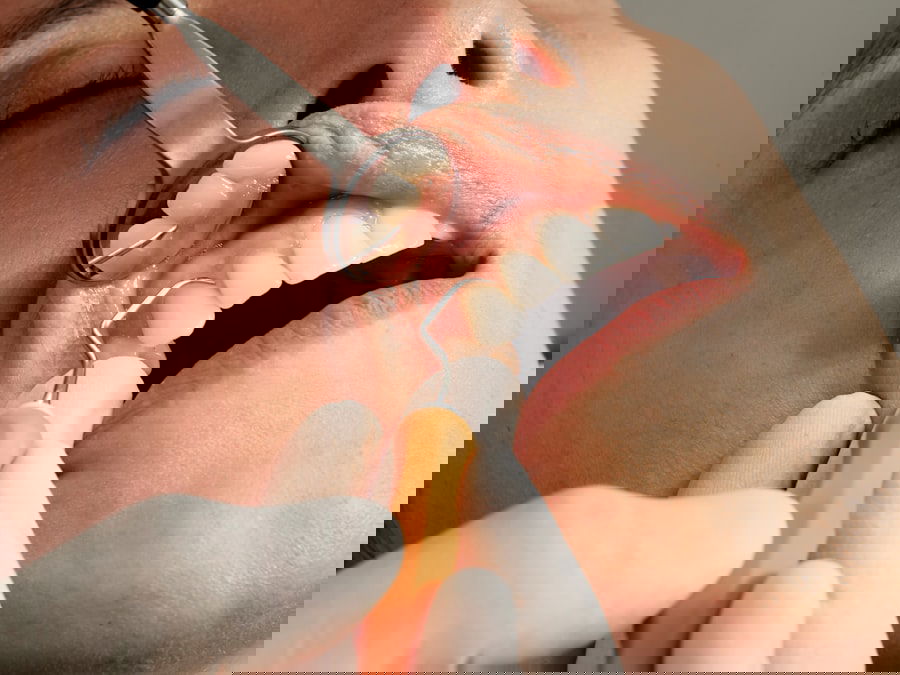
Regular dental check-ups are essential for individuals who wear dentures, as these appointments provide an opportunity for professional evaluation of both the dentures and the overall oral health of the patient. During these visits, dentists can assess the fit of the dentures, check for any signs of gum irritation or infection, and make necessary adjustments to ensure comfort and functionality. It is recommended that denture wearers schedule check-ups at least once every six months or as advised by their dental professional.
In addition to monitoring the condition of the dentures themselves, dental check-ups allow for discussions about any changes in oral health that may affect denture wearers. For example, bone loss in the jaw can lead to changes in how dentures fit over time. Addressing these issues promptly can prevent discomfort and ensure that wearers continue to enjoy a high quality of life.
Managing Denture-Related Discomfort
Denture-related discomfort is a common issue faced by many wearers, particularly during the initial adjustment period after receiving new dentures. Common complaints include soreness in the gums, difficulty chewing, and a feeling of looseness or instability in the dentures. To manage these discomforts effectively, it is crucial for wearers to communicate openly with their dental professionals about any issues they encounter.
One effective strategy for alleviating discomfort is using dental adhesive products designed specifically for dentures. These adhesives can help secure the dentures in place, providing added stability while eating or speaking. Additionally, if soreness persists despite proper care and adjustments, dentists may recommend topical treatments or suggest modifications to the denture design to enhance comfort.
Maintaining Good Oral Hygiene with Dentures
Maintaining good oral hygiene is vital for denture wearers not only for the health of their gums but also for overall oral health. Even though dentures replace natural teeth, it is still essential to care for the remaining natural teeth and gums diligently. This includes brushing any remaining teeth twice daily with fluoride toothpaste and flossing regularly to prevent plaque buildup and gum disease.
Furthermore, regular rinsing of the mouth with water or an antibacterial mouthwash can help keep oral tissues healthy and free from bacteria that could lead to infections or other complications. Denture wearers should also be mindful of their diet; consuming a balanced diet rich in vitamins and minerals supports gum health and overall well-being.
Avoiding Harmful Habits for Denture Wearers
Certain habits can be detrimental to denture wearers’ oral health and should be avoided at all costs. For instance, using teeth as tools—such as opening packages or biting nails—can lead to damage not only to natural teeth but also to dentures. Additionally, smoking can have severe consequences on oral health; it increases the risk of gum disease and can lead to staining of both natural teeth and dentures.
Another harmful habit is neglecting regular cleaning routines due to convenience or forgetfulness. Skipping cleaning sessions can result in plaque buildup and bad breath, which can affect social interactions and self-esteem. By being aware of these harmful habits and actively working to avoid them, denture wearers can maintain better oral health and prolong the life of their dental appliances.
Ensuring Proper Fit and Comfort of Dentures
The fit of dentures is crucial for both comfort and functionality. Ill-fitting dentures can cause irritation, sores, and difficulty in eating or speaking properly. It is essential for denture wearers to have their appliances fitted by a qualified dental professional who understands the nuances of denture design and fabrication.
Regular adjustments may be necessary as changes occur in the mouth over time due to factors such as bone resorption or weight fluctuations. If discomfort arises from wearing dentures, it is important not to ignore these signs. Seeking prompt attention from a dentist can help identify issues related to fit or alignment that may need correction.
In some cases, relining or remaking the dentures may be necessary to ensure optimal comfort and function.
Seeking Professional Help for Denture Care Issues
When faced with challenges related to denture care—whether it be discomfort, staining, or fit issues—seeking professional help is paramount. Dental professionals possess the expertise required to diagnose problems accurately and recommend appropriate solutions tailored to individual needs. For instance, if staining becomes an issue despite regular cleaning routines, a dentist may suggest professional cleaning services that utilize specialized equipment designed for deep cleaning dentures.
Additionally, if there are concerns about changes in oral health that could affect denture wearers—such as gum recession or bone loss—dental professionals can provide guidance on preventive measures or treatments that may be necessary. By prioritizing professional assistance when issues arise, denture wearers can ensure they maintain optimal oral health while enjoying their dental appliances comfortably.
For those looking to enhance their oral hygiene routine alongside denture care, it’s essential to choose the right toothbrush. A related article that provides valuable insights on this topic is titled “7 Tips for Choosing the Best Toothbrush.” You can read it by following this link: 7 Tips for Choosing the Best Toothbrush. This resource will help you select a toothbrush that complements your denture care regimen effectively.
FAQs
How often should I clean my dentures?
You should clean your dentures daily to remove food particles, plaque, and prevent staining. Ideally, clean them after every meal or at least once a day using a soft-bristled brush and denture cleaner.
Can I use regular toothpaste to clean my dentures?
No, regular toothpaste can be abrasive and may scratch the surface of your dentures. It is recommended to use a denture-specific cleaner or mild soap with a soft brush.
Is it necessary to remove dentures at night?
Yes, removing dentures at night allows your gums to rest and helps prevent infections or irritation. Soaking dentures overnight in a denture-cleaning solution also helps keep them clean and moist.
How should I store my dentures when not in use?
Dentures should be stored in water or a denture-soaking solution to prevent them from drying out and losing their shape. Avoid using hot water as it can warp the dentures.
What should I do if my dentures feel uncomfortable or cause sores?
If your dentures cause discomfort or sores, consult your dentist. They may need to adjust the fit or check for any underlying issues to ensure proper comfort and function.
Can I use bleach or household cleaners on my dentures?
No, bleach and household cleaners can damage dentures and are not safe for oral use. Always use products specifically designed for denture care.
How often should I visit the dentist for denture check-ups?
It is recommended to visit your dentist at least once a year for a denture check-up. Regular visits help ensure your dentures fit well and your oral health is maintained.
Are there any special tips for cleaning partial dentures?
Partial dentures should be cleaned carefully to avoid damaging the clasps. Use a soft brush and denture cleaner, and avoid bending or damaging the metal parts. Rinse thoroughly before wearing.
Can dentures affect my oral hygiene routine?
Yes, even with dentures, maintaining good oral hygiene is important. Clean your gums, tongue, and any remaining natural teeth daily to prevent infections and maintain oral health.
What should I do if my dentures break or crack?
If your dentures break or crack, do not attempt to repair them yourself. Contact your dentist promptly for professional repair or replacement to avoid further damage or injury.