
In the realm of orthodontics, two primary methods for correcting misaligned teeth and improving overall dental health have emerged as frontrunners: Invisalign and traditional braces. Each method has its own unique characteristics, advantages, and disadvantages, making them suitable for different types of patients and orthodontic needs. Traditional braces, which consist of metal brackets and wires, have been a staple in orthodontic treatment for decades.
They work by applying continuous pressure to the teeth, gradually moving them into the desired position. On the other hand, Invisalign represents a more modern approach, utilizing a series of clear, removable aligners that are custom-made for each patient. This innovative technology has gained popularity due to its discreet appearance and the convenience it offers.
The choice between Invisalign and traditional braces often hinges on various factors, including the severity of the dental issues at hand, personal preferences regarding aesthetics and comfort, and financial considerations. While traditional braces are often seen as the more robust option for complex cases, Invisalign has carved out a niche for itself among those seeking a less visible and more flexible treatment option. Understanding the nuances of both methods is essential for patients considering orthodontic treatment, as it allows them to make informed decisions that align with their lifestyle and dental needs.
Key Takeaways
- Invisalign and traditional braces are both orthodontic treatments used to straighten teeth, but they differ in terms of visibility and comfort.
- Invisalign is effective for mild to moderate orthodontic cases and typically has a shorter treatment time compared to traditional braces.
- Invisalign offers greater comfort and convenience as it is removable and does not require dietary restrictions.
- In terms of aesthetics, Invisalign is virtually invisible, while traditional braces are more noticeable due to metal brackets and wires.
- The cost of Invisalign may be higher than traditional braces, but insurance coverage and payment plans are available to help manage the cost.
Effectiveness and Treatment Time
When evaluating the effectiveness of Invisalign versus traditional braces, it is crucial to consider the specific orthodontic issues being addressed. Traditional braces are often deemed more effective for complex cases involving significant misalignment, severe crowding, or bite issues such as overbites or underbites.
For instance, in cases where teeth need to be rotated or moved vertically, traditional braces can provide the necessary force to achieve the desired results. In contrast, Invisalign is typically recommended for mild to moderate orthodontic issues. The aligners are designed to gradually shift teeth into place over time, but they may not be as effective for more complicated cases that require extensive tooth movement.
Treatment time can vary significantly between the two methods; traditional braces often require 18 to 24 months of wear, while Invisalign treatment can range from 6 to 18 months depending on the complexity of the case. However, advancements in technology have led to improved treatment times with Invisalign for certain cases, making it a competitive option in terms of duration.
Comfort and Convenience
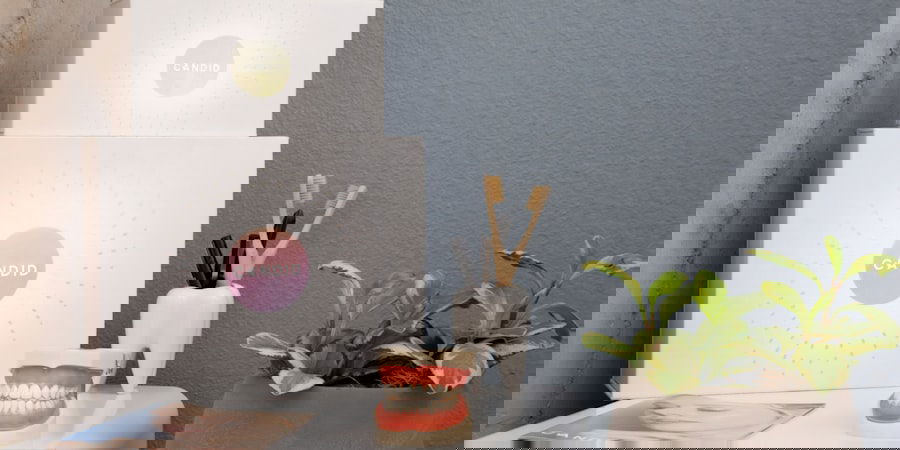
Comfort is a significant factor when choosing between Invisalign and traditional braces. Many patients report that Invisalign aligners are more comfortable than metal braces. The smooth plastic material used in aligners reduces the likelihood of irritation to the gums and cheeks, which is a common complaint among those wearing traditional braces due to the presence of brackets and wires.
Additionally, since aligners are removable, patients can take them out during meals and while brushing their teeth, allowing for a more comfortable eating experience without restrictions on food choices. In terms of convenience, Invisalign offers a level of flexibility that traditional braces cannot match. Patients using Invisalign can remove their aligners when necessary, which makes maintaining oral hygiene significantly easier.
Brushing and flossing can be done without any obstructions, reducing the risk of plaque buildup and cavities during treatment. However, this convenience comes with a responsibility; patients must be diligent about wearing their aligners for at least 20 to 22 hours per day to ensure effective treatment. In contrast, traditional braces remain fixed in place throughout the treatment period, which can be less convenient for some patients but eliminates the risk of misplacing or forgetting to wear aligners.
Aesthetics and Visibility
Aesthetics play a crucial role in the decision-making process for many patients considering orthodontic treatment. Traditional braces are often associated with a noticeable metallic appearance that can be unappealing to some individuals, particularly adults and teenagers who may feel self-conscious about their smile during treatment. While there are options for ceramic braces that blend more seamlessly with natural tooth color, they still do not offer the same level of discretion as Invisalign.
Invisalign’s clear aligners are virtually invisible when worn, making them an attractive option for those who prioritize aesthetics. This feature is particularly appealing to adults seeking orthodontic treatment who may be concerned about their professional image or social interactions during the course of their treatment. The ability to maintain a natural appearance while undergoing orthodontic correction can significantly enhance a patient’s confidence.
Furthermore, since aligners are custom-made to fit snugly over each patient’s teeth, they provide a tailored solution that is both effective and aesthetically pleasing.
Cost and Insurance Coverage
The financial aspect of orthodontic treatment is often a decisive factor for many patients. Generally speaking, traditional braces tend to be less expensive than Invisalign treatment. However this has changed in recent times with the average cost of traditional metal braces ranging from $5,500 to $11,000 depending on the complexity of the case and geographic location.
In contrast, Invisalign treatment typically falls within a similar price range but can sometimes be higher due to the advanced technology involved in creating custom aligners. Our Invisalign price however usually falls within the range of $5,500 to $8,500. Insurance coverage can also vary significantly between the two options. Many dental insurance plans offer coverage for orthodontic treatment; however, the extent of coverage may differ based on whether a patient opts for traditional braces or Invisalign.
Some plans may cover a larger percentage of traditional braces due to their long-standing status as a conventional treatment method. Conversely, as Invisalign has gained popularity over recent years, more insurance providers have begun to include it in their coverage options. Patients should consult with their insurance providers to understand their specific benefits and any out-of-pocket costs associated with either treatment.
Maintenance and Oral Hygiene
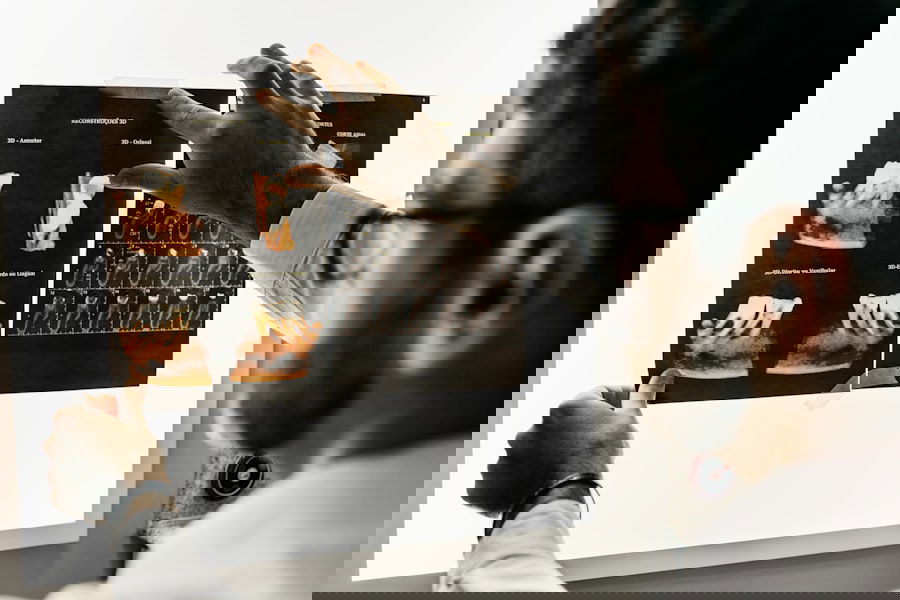
Challenges with Traditional Braces
Traditional braces require diligent care, as food particles can easily become trapped around brackets and wires, leading to plaque buildup if not properly cleaned. Patients must adapt their brushing and flossing routines to accommodate their braces, often using special tools like floss threaders or interdental brushes to reach difficult areas.
The Advantage of Invisalign
Invisalign offers a distinct advantage in this regard due to its removable nature. Patients can easily take out their aligners when eating or drinking anything other than water, allowing them to maintain their regular oral hygiene routine without any modifications. This ease of maintenance not only promotes better oral health but also reduces the risk of developing cavities or gum disease during treatment.
Cleaning Invisalign Aligners
However, it is essential for patients using Invisalign to clean their aligners regularly to prevent staining or odor buildup.
Potential Risks and Side Effects
Like any medical treatment, both Invisalign and traditional braces come with potential risks and side effects that patients should be aware of before making a decision. Traditional braces can cause discomfort during initial placement and after adjustments due to the pressure applied to teeth. Some patients may also experience soreness in their gums or cheeks from irritation caused by brackets or wires.
Additionally, there is a risk of enamel demineralization if proper oral hygiene is not maintained during treatment. Invisalign also has its own set of potential side effects. Some patients may experience temporary discomfort or pressure when switching to a new set of aligners as teeth begin to shift.
There is also a risk that patients may not wear their aligners consistently enough to achieve optimal results, which could prolong treatment time or lead to subpar outcomes. Furthermore, if aligners are not cleaned properly or are left out for extended periods, there is a risk of developing oral health issues such as cavities or gum disease.
Suitability for Different Orthodontic Cases
The suitability of Invisalign versus traditional braces largely depends on the specific orthodontic issues being addressed. Traditional braces are often recommended for more complex cases involving significant tooth movement or structural issues such as severe overbites or underbites. Their ability to provide precise control over tooth positioning makes them an ideal choice for patients with intricate dental needs.
Conversely, Invisalign is generally best suited for mild to moderate orthodontic problems such as minor crowding or spacing issues. It is particularly popular among adults who prefer a discreet option that fits seamlessly into their lifestyle. However, advancements in technology have allowed Invisalign to address increasingly complex cases effectively; some orthodontists now use it successfully for moderate malocclusions as well.
Ultimately, the decision between Invisalign and traditional braces should be made in consultation with an experienced orthodontist who can evaluate individual needs and recommend the most appropriate treatment plan based on clinical assessment and patient preferences.
If you are considering Invisalign vs traditional braces, you may want to read more about the services offered at White Pearl Dental Care. They provide a range of dental services, including orthodontic treatments like Invisalign. To learn more about their practice and the benefits of Invisalign, check out their website by clicking here.
FAQs
What is Invisalign?
Invisalign is a type of orthodontic treatment that uses clear, removable aligners to straighten teeth.
What are traditional braces?
Traditional braces are metal or ceramic brackets that are bonded to the teeth and connected by wires to straighten and align teeth.
How do Invisalign and traditional braces work differently?
Invisalign uses clear aligners that are custom-made to fit the patient’s teeth and are replaced every two weeks to gradually shift the teeth into the desired position. Traditional braces use brackets and wires to apply pressure to the teeth to move them into the correct position.
Which is more noticeable, Invisalign or traditional braces?
Invisalign aligners are clear and nearly invisible, while traditional braces are more noticeable due to the metal or ceramic brackets and wires.
Are there any dietary restrictions with Invisalign or traditional braces?
With Invisalign, there are no dietary restrictions as the aligners are removable. With traditional braces, there are certain foods that should be avoided to prevent damage to the brackets and wires.
How often do I need to visit the orthodontist with Invisalign or traditional braces?
Both Invisalign and traditional braces require regular visits to the orthodontist for adjustments and progress checks. The frequency of visits may vary depending on the individual treatment plan.
Which is more comfortable, Invisalign or traditional braces?
Invisalign aligners are generally considered more comfortable than traditional braces, as they are smooth and do not have any sharp edges that can cause irritation to the mouth.
Can both Invisalign and traditional braces treat the same orthodontic issues?
Invisalign and traditional braces can both treat a wide range of orthodontic issues, including crowded teeth, gaps, overbite, underbite, and crossbite. However, the severity of the case may determine which treatment option is more suitable.