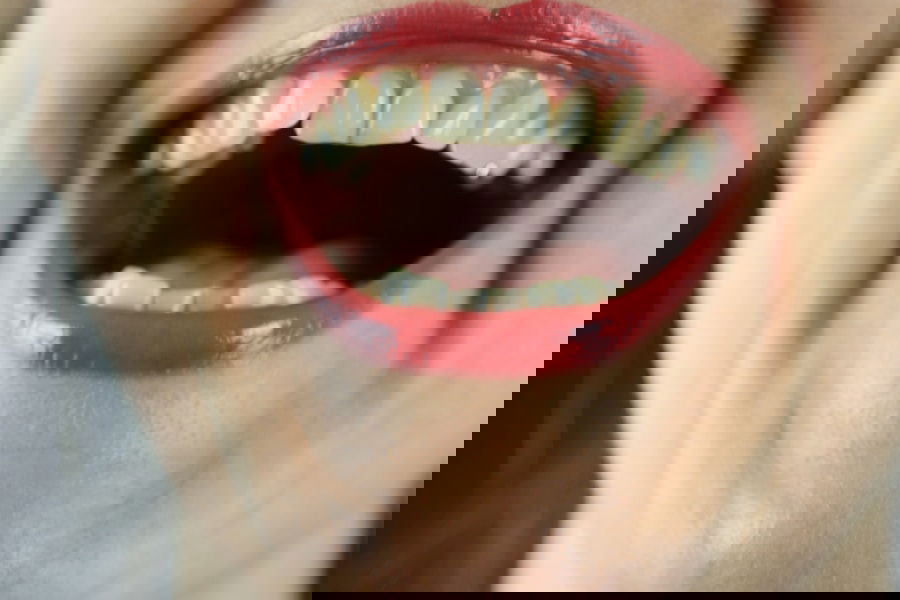
Dental veneers are thin shells made from either porcelain or composite resin that are custom-designed to cover the front surface of teeth. They serve both aesthetic and functional purposes, allowing individuals to achieve a more uniform and appealing smile. The primary goal of dental veneers is to enhance the appearance of teeth that may be discolored, chipped, misaligned, or have gaps between them.
By adhering these shells to the teeth, dentists can effectively mask imperfections and create a more harmonious smile. The application of dental veneers is a popular cosmetic dentistry procedure due to their versatility.
The process of getting veneers typically involves minimal tooth alteration, making them an attractive option for many patients seeking cosmetic improvements without extensive dental work.
Key Takeaways
- Dental veneers are thin, custom-made shells of tooth-colored materials designed to cover the front surface of teeth to improve their appearance.
- With proper care, dental veneers can last for 10-15 years, but they may need to be replaced sooner if they become damaged or discolored.
- Dental veneers can be removed, but it may require the removal of a small amount of enamel and the process is irreversible.
- Factors such as oral hygiene, diet, and habits like teeth grinding can affect the longevity of dental veneers.
- The process of getting dental veneers involves consultation, tooth preparation, taking impressions, and bonding the veneers to the teeth.
- Maintenance and care for dental veneers include regular brushing, flossing, and dental check-ups, as well as avoiding excessive force or pressure on the veneers.
- Alternatives to dental veneers include teeth whitening, dental bonding, and orthodontic treatment for more severe dental issues.
- It is important to consult with a dentist before getting dental veneers to discuss the suitability, expectations, and potential risks of the procedure.
How long do dental veneers last?
The longevity of dental veneers can vary significantly based on several factors, including the material used, the patient’s oral hygiene practices, and lifestyle choices. Generally, porcelain veneers are known for their durability and can last anywhere from 10 to 15 years with proper care. Composite resin veneers, while more affordable, typically have a shorter lifespan, averaging around 5 to 7 years.
The choice between these materials often depends on the specific needs and preferences of the patient. In addition to the material, the longevity of veneers is also influenced by how well they are maintained. Regular dental check-ups and cleanings play a crucial role in extending the life of veneers.
Patients who practice good oral hygiene—such as brushing twice daily, flossing regularly, and avoiding harmful habits like teeth grinding—are more likely to enjoy their veneers for a longer period. Furthermore, dietary choices can impact the lifespan of veneers; for instance, excessive consumption of hard or sticky foods may lead to chipping or loosening of the veneers.
Can dental veneers be removed?

Yes, dental veneers can be removed, but the process is not as straightforward as one might hope.
The removal process often involves using specialized tools to gently detach the veneer from the tooth surface without causing damage to the underlying tooth structure.
This is particularly important because once a veneer is removed, the tooth may require additional treatment or restoration. It is also worth noting that the removal of dental veneers may not always be reversible. In many cases, some enamel is removed from the tooth during the initial placement of the veneer to ensure a proper fit and aesthetic appearance.
Consequently, if a patient decides to remove their veneers after several years, they may find that their teeth are not in their original state and could require further cosmetic work or alternative restorations such as crowns or bonding.
Factors that can affect the longevity of dental veneers
| Factors | Impact on Longevity |
|---|---|
| Patient’s oral hygiene | Poor oral hygiene can lead to decay around the veneers, reducing their longevity. |
| Bruxism (teeth grinding) | Grinding can cause veneers to chip or crack, reducing their lifespan. |
| Diet and habits | Consuming hard foods or using teeth as tools can damage veneers, affecting their longevity. |
| Quality of materials | High-quality materials and proper bonding techniques can contribute to longer-lasting veneers. |
| Regular dental check-ups | Regular monitoring and maintenance can help identify issues early and prolong the life of veneers. |
Several factors can influence how long dental veneers last, and understanding these can help patients make informed decisions about their oral health. One significant factor is the material used for the veneers. Porcelain veneers are generally more resistant to staining and wear compared to composite resin veneers.
This inherent durability makes porcelain a preferred choice for many patients seeking long-lasting results. Another critical factor is the patient’s oral hygiene habits. Individuals who maintain a rigorous oral care routine—brushing at least twice a day with fluoride toothpaste, flossing daily, and using mouthwash—tend to have better outcomes with their veneers.
Additionally, regular visits to the dentist for professional cleanings and check-ups can help identify any potential issues early on, allowing for timely interventions that can prolong the life of the veneers. Lifestyle choices also play a significant role in determining how long dental veneers will last. For example, habits such as smoking or excessive consumption of staining beverages like coffee and red wine can lead to discoloration over time.
Furthermore, individuals who grind their teeth or have a history of bruxism may experience premature wear on their veneers, necessitating replacement sooner than expected.
The process of getting dental veneers
The journey to obtaining dental veneers typically involves several steps that begin with an initial consultation with a dentist. During this appointment, the dentist will evaluate the patient’s oral health and discuss their aesthetic goals. This assessment may include taking X-rays or impressions of the teeth to determine if veneers are an appropriate solution for the patient’s specific needs.
Once it is established that dental veneers are suitable, the next step involves preparing the teeth for veneer placement. This preparation often requires removing a small amount of enamel from the front surface of the teeth to ensure that the veneers fit properly and look natural. After this adjustment, impressions are taken again to create custom-fitted veneers that match the shape and color desired by the patient.
Temporary veneers may be placed while the permanent ones are being fabricated in a dental laboratory. After a few weeks, when the permanent veneers are ready, patients return to the dentist for placement. The dentist will carefully bond each veneer to the tooth using a strong adhesive and may make final adjustments to ensure proper alignment and bite.
Once satisfied with the fit and appearance, a special light is used to harden the adhesive, securing the veneer in place.
Maintenance and care for dental veneers
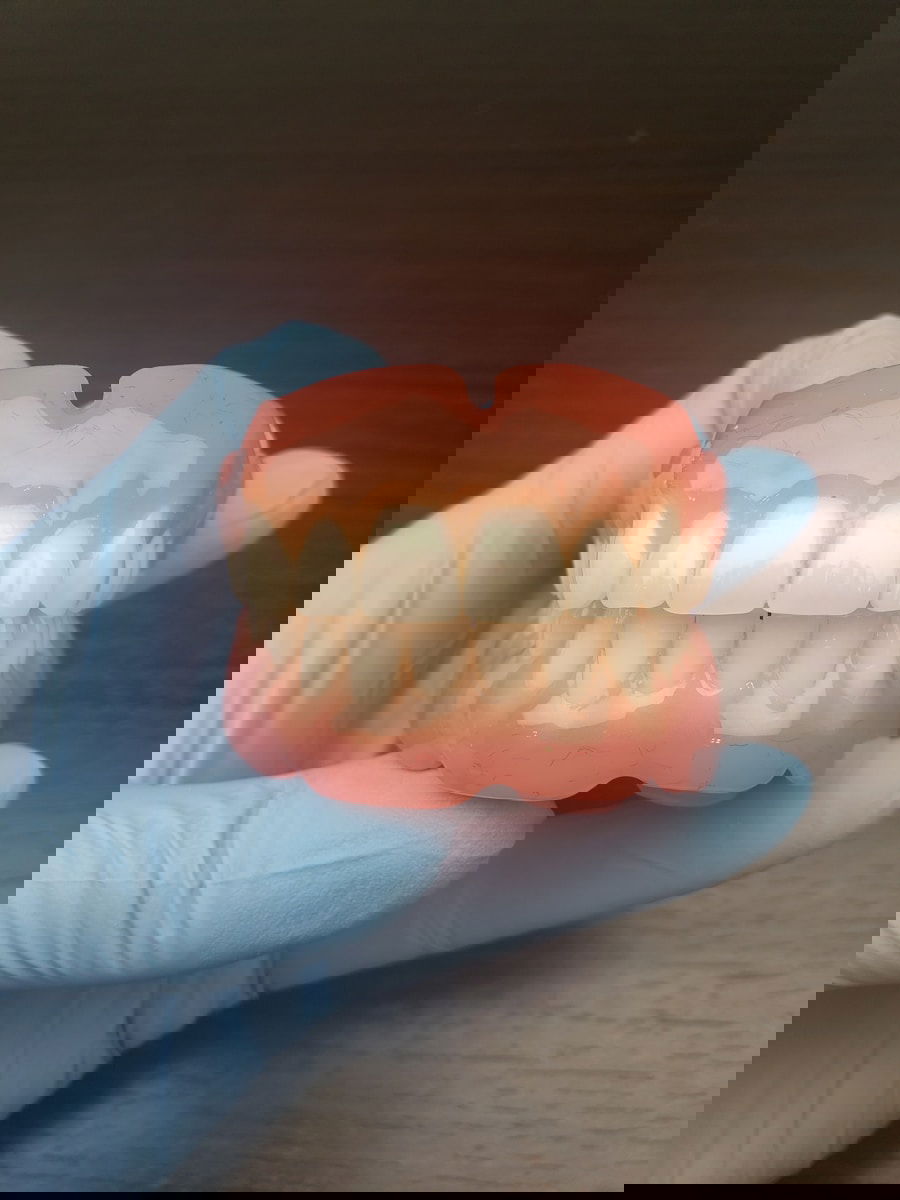
Proper maintenance and care are essential for ensuring that dental veneers remain in optimal condition over time. Patients should adopt a diligent oral hygiene routine that includes brushing twice daily with a soft-bristled toothbrush and fluoride toothpaste specifically designed for sensitive teeth or cosmetic restorations. Flossing is equally important as it helps remove plaque and food particles from between teeth and around the gum line where brushes may not reach effectively.
In addition to regular brushing and flossing, patients should consider using non-abrasive mouthwashes that do not contain alcohol, as alcohol-based products can weaken adhesive bonds over time. It is also advisable to avoid using teeth as tools—such as opening packages or biting nails—as this can lead to chipping or cracking of the veneers. Regular visits to the dentist for professional cleanings and examinations will help monitor the condition of both natural teeth and veneers, allowing for timely interventions if any issues arise.
Dietary choices can also impact the longevity of dental veneers. While porcelain veneers are generally resistant to staining, it is still wise for patients to limit their intake of highly pigmented foods and beverages like coffee, tea, red wine, and berries. Additionally, avoiding hard foods such as ice or hard candies can prevent unnecessary stress on the veneers that could lead to damage.
Alternatives to dental veneers
While dental veneers are an excellent option for many individuals seeking cosmetic enhancements, they are not the only solution available. One popular alternative is teeth whitening treatments, which can effectively address discoloration caused by extrinsic stains on enamel without altering tooth structure. Professional whitening procedures performed by dentists often yield more dramatic results than over-the-counter products.
Another alternative is dental bonding, which involves applying a tooth-colored composite resin directly onto the tooth surface to correct imperfections such as chips or gaps. This procedure is less invasive than placing veneers and typically requires minimal preparation of the tooth structure. However, bonding may not provide the same level of durability or stain resistance as porcelain veneers.
For individuals with more significant alignment issues or bite problems, orthodontic treatments such as braces or clear aligners may be recommended instead of cosmetic solutions like veneers. These treatments address underlying structural issues rather than merely masking them with cosmetic enhancements.
Consultation with a dentist before getting dental veneers
Before deciding on dental veneers as a cosmetic solution, it is crucial for patients to consult with a qualified dentist who specializes in cosmetic dentistry. During this consultation, patients should discuss their aesthetic goals and any concerns they may have regarding their oral health. A thorough examination will help determine whether they are suitable candidates for veneers based on factors such as tooth structure, gum health, and overall oral hygiene.
The dentist will also provide valuable information about what to expect throughout the veneer process—from preparation to placement—and discuss potential risks or complications associated with the procedure. This open dialogue allows patients to make informed decisions about their treatment options while ensuring they have realistic expectations regarding outcomes. Additionally, discussing alternatives during this consultation can help patients explore other options that may better suit their needs or preferences.
Ultimately, establishing a strong relationship with a trusted dentist will contribute significantly to achieving satisfactory results with dental veneers or any other cosmetic procedures considered.
If you are considering dental veneers, you may also be interested in learning about the benefits of braces for perfecting your smile. Braces can help align your teeth and improve your overall oral health. To read more about this topic, check out this article on White Pearl Dental Care’s blog.
FAQs
What are dental veneers?
Dental veneers are thin, custom-made shells of tooth-colored materials designed to cover the front surface of teeth to improve their appearance. They are commonly made from porcelain or resin composite materials.
Are dental veneers permanent?
Dental veneers are not considered permanent as they may need to be replaced at some point in the future. On average, porcelain veneers can last 10-15 years, while resin composite veneers may last 5-7 years.
What factors can affect the lifespan of dental veneers?
The lifespan of dental veneers can be affected by factors such as oral hygiene, diet, teeth grinding, and regular dental check-ups. Proper care and maintenance can help prolong the lifespan of veneers.
Can dental veneers be removed?
Yes, dental veneers can be removed, but the process may require the removal of a small amount of enamel from the tooth. It is important to consult with a dentist before deciding to have veneers removed.
What are the alternatives to dental veneers?
Alternatives to dental veneers include teeth whitening, dental bonding, orthodontic treatment, and crowns. The most suitable option will depend on the individual’s specific dental needs and goals.