
Invisalign treatment has gained immense popularity as a modern alternative to traditional metal braces, primarily due to its aesthetic appeal and comfort. However, one of the most significant considerations for prospective patients is the cost associated with this orthodontic solution. The price of Invisalign can vary widely based on several factors, including the complexity of the case, the duration of treatment, and the geographical location of the dental practice.
Understanding these elements is crucial for patients who wish to make informed decisions about their orthodontic care. The cost of Invisalign typically encompasses not only the aligners themselves but also the comprehensive treatment plan, which includes initial consultations, follow-up appointments, and any necessary adjustments throughout the treatment process. Patients should be aware that while Invisalign may appear more expensive upfront compared to traditional braces, it often provides a more comfortable experience and can lead to quicker results in certain cases.
This article will delve deeper into the various factors that influence the cost of Invisalign, providing a clearer picture for those considering this innovative orthodontic option.
Key Takeaways
- Invisalign treatment costs vary based on individual needs and treatment duration
- Factors such as the complexity of the case and the location of the provider can influence the cost of Invisalign
- The average cost of Invisalign treatment ranges from $5,500 to $8,500
- Insurance coverage for Invisalign may be available through dental insurance plans
- Financing options such as payment plans and flexible spending accounts can help make Invisalign treatment more affordable
- Invisalign offers a more discreet and comfortable alternative to traditional braces
- Tips for saving money on Invisalign treatment include comparing quotes from different providers and exploring financing options
- Consulting with an Invisalign provider is crucial for understanding the cost and treatment options available
Factors that Influence the Cost of Invisalign
Several key factors play a pivotal role in determining the overall cost of Invisalign treatment. One of the most significant is the complexity of the orthodontic issue being addressed. For instance, patients with mild misalignment may require fewer aligners and a shorter treatment duration, resulting in lower costs.
Conversely, individuals with more severe dental issues, such as significant crowding or bite problems, may need a more extensive series of aligners and a longer treatment timeline, which can substantially increase the overall expense. Another critical factor is the geographical location of the dental practice. Urban areas with a higher cost of living often see higher prices for dental services, including Invisalign.
Additionally, the experience and qualifications of the orthodontist can also influence pricing. Highly experienced practitioners or those with specialized training in Invisalign may charge more for their services due to their expertise and reputation. Furthermore, the specific dental practice’s overhead costs, such as rent and staff salaries, can also contribute to variations in pricing.
Average Cost of Invisalign Treatment

On average, the cost of Invisalign treatment in Australia ranges from $5,500 to $10,000. This broad range reflects the various factors previously discussed, including case complexity and geographic location. For example, patients in metropolitan areas may find that their treatment costs lean towards the higher end of this spectrum, while those in rural areas might encounter lower prices.
It is essential for patients to obtain detailed estimates from their orthodontists during initial consultations to understand what their specific treatment will entail. Moreover, it is worth noting that many dental practices offer payment plans or financing options to help patients manage the costs associated with Invisalign. These plans can make treatment more accessible by allowing patients to spread payments over time rather than paying a lump sum upfront.
Additionally, some practices may offer promotional discounts or special financing arrangements that can further reduce out-of-pocket expenses.
Insurance Coverage for Invisalign
| Insurance Provider | Coverage Details |
|---|---|
| Delta Dental | May cover a portion of the cost for Invisalign treatment |
| Cigna | Offers coverage for Invisalign, but the amount may vary |
| MetLife | Provides coverage for Invisalign treatment with certain limitations |
Insurance coverage for Invisalign treatment can vary significantly depending on the individual’s dental insurance plan. Many plans that cover orthodontic treatment will include Invisalign as an eligible expense; however, coverage levels can differ widely. Some insurance policies may cover a percentage of the total cost, while others may have a fixed dollar amount allocated for orthodontic services.
It is crucial for patients to review their insurance policy details and consult with their insurance provider to understand what is covered.
” In such instances, it is advisable to discuss this with both the insurance company and the orthodontist’s office to clarify coverage options.
Financing Options for Invisalign Treatment
For those who find that their insurance does not cover a significant portion of their Invisalign treatment or who prefer not to use insurance at all, various financing options are available. Many orthodontic practices offer in-house financing plans that allow patients to pay for their treatment over time through monthly installments. These plans often come with little to no interest, making them an attractive option for budget-conscious individuals.
Additionally, third-party financing companies specialize in healthcare-related expenses and can provide loans specifically for dental treatments like Invisalign. These companies typically offer flexible repayment terms and competitive interest rates. Patients should carefully review the terms and conditions of any financing agreement to ensure they fully understand their obligations before committing.
Comparing Invisalign to Traditional Braces
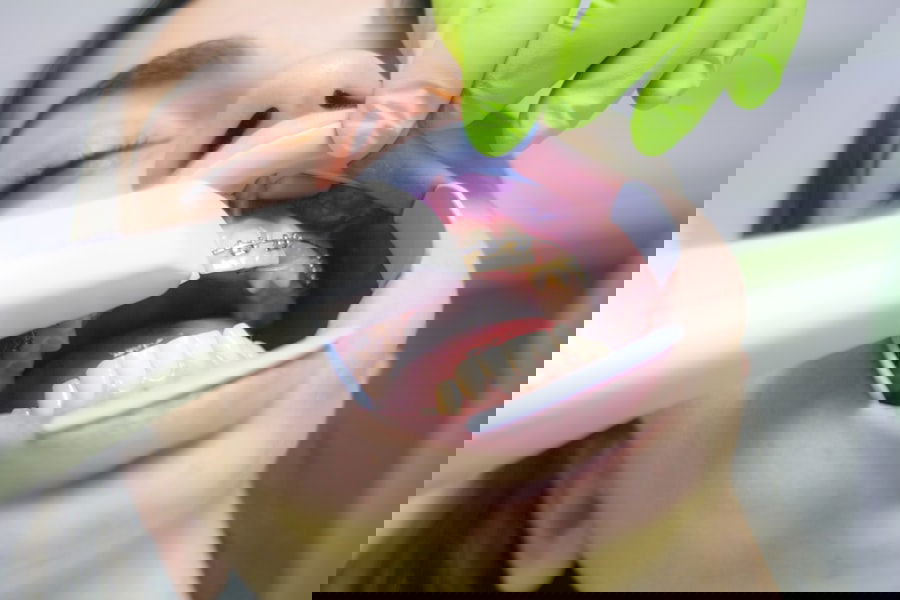
When considering orthodontic options, many patients find themselves weighing the pros and cons of Invisalign against traditional metal braces. One of the most significant advantages of Invisalign is its aesthetic appeal; clear aligners are virtually invisible when worn, making them an attractive choice for adults and teens who may feel self-conscious about their appearance during treatment. In contrast, traditional braces are often seen as less appealing due to their metallic appearance.
Comfort is another area where Invisalign tends to excel compared to traditional braces. The smooth plastic aligners are custom-made to fit snugly over the teeth without causing irritation to the gums or cheeks, which is a common complaint among those wearing metal braces with brackets and wires. Furthermore, Invisalign aligners are removable, allowing patients greater flexibility when it comes to eating and maintaining oral hygiene.
Traditional braces require careful attention to diet and oral care routines to avoid damage or complications.
Tips for Saving Money on Invisalign Treatment
Patients looking to save money on their Invisalign treatment have several strategies at their disposal. First and foremost, it is advisable to shop around and obtain quotes from multiple orthodontic practices before making a decision. This approach allows individuals to compare prices and find a provider that offers competitive rates without compromising on quality.
Another effective way to save on costs is by taking advantage of promotional offers or discounts that some dental practices may provide. Seasonal promotions or referral discounts can significantly reduce overall expenses. Additionally, patients should inquire about any available payment plans or financing options that can help spread out costs over time.
Moreover, maintaining good oral hygiene throughout treatment can prevent complications that might lead to additional costs down the line. Regular dental check-ups and cleanings can help ensure that teeth remain healthy during the course of treatment, minimizing the risk of unexpected issues that could require further intervention.
The Importance of Consulting with an Invisalign Provider
Before embarking on an Invisalign journey, it is essential for prospective patients to consult with a qualified Invisalign provider. This initial consultation serves multiple purposes: it allows patients to discuss their specific orthodontic concerns, receive a comprehensive evaluation of their dental health, and explore personalized treatment options tailored to their needs. During this consultation, providers will typically use advanced imaging technology to create a 3D model of the patient’s teeth and develop a customized treatment plan.
This plan outlines the expected duration of treatment and provides an estimate of costs involved. Engaging in this dialogue not only helps set realistic expectations but also fosters a collaborative relationship between patient and provider. Furthermore, consulting with an experienced provider ensures that patients receive accurate information regarding potential outcomes and any limitations associated with Invisalign treatment.
This knowledge empowers individuals to make informed decisions about their orthodontic care while ensuring they are well-prepared for what lies ahead in their journey toward achieving a healthier smile.
If you are interested in learning more about the cost of Invisalign, you may want to check out the article on the White Pearl Dental Care website. This article provides valuable information on the pricing and payment options for Invisalign treatment. To read more, visit White Pearl Dental Care Services.
FAQs
What is Invisalign?
Invisalign is a type of orthodontic treatment that uses clear, removable aligners to straighten teeth.
How much does Invisalign cost?
The cost of Invisalign treatment can vary depending on the individual’s specific needs and the location of the dental provider. On average, the cost of Invisalign treatment ranges from $3,000 to $8,000.
Does insurance cover the cost of Invisalign?
Some dental insurance plans may cover a portion of the cost of Invisalign treatment, but coverage varies by plan. It’s best to check with your insurance provider to see if Invisalign is covered under your plan.
Are there payment options available for Invisalign?
Many dental providers offer payment plans or financing options to help make Invisalign treatment more affordable. It’s important to discuss payment options with your dental provider before starting treatment.
How long does Invisalign treatment take?
The length of Invisalign treatment varies depending on the individual’s specific orthodontic needs. On average, treatment can take anywhere from 6 months to 18 months.
Is Invisalign treatment suitable for everyone?
Invisalign treatment is suitable for many orthodontic cases, but not all. It’s best to consult with a dental provider to determine if Invisalign is the right treatment option for you.