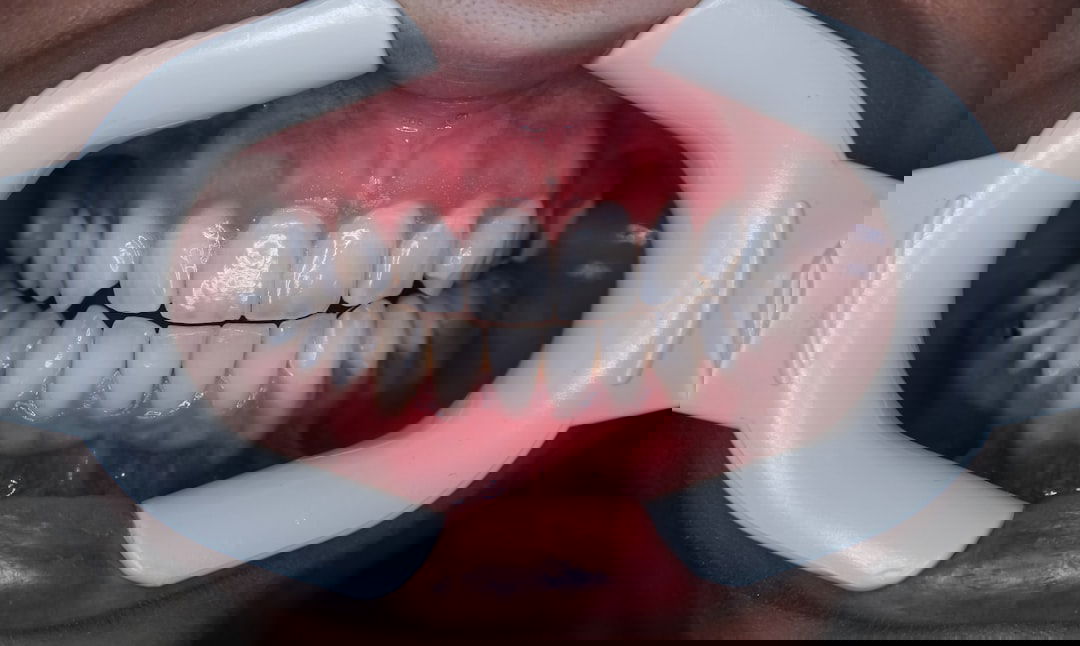
Dentures are prosthetic devices designed to replace missing teeth, providing both functional and aesthetic benefits to individuals who have lost their natural teeth. While they can significantly improve quality of life, many denture wearers encounter various problems that can affect their comfort and usability.
Understanding these issues is crucial for anyone considering dentures or currently using them.
This article explores common denture problems, their implications, and potential solutions to enhance the experience of wearing dentures.
The transition to dentures can be challenging, as it often requires adjustments not only in physical comfort but also in daily habits. Many individuals may not be fully aware of the potential complications that can arise with dentures. By examining the common issues associated with denture use, individuals can better prepare themselves for the realities of wearing these devices and take proactive steps to mitigate any discomfort or inconvenience.
Common denture problems can significantly impact a person’s quality of life, leading to discomfort and difficulties in eating and speaking. For those experiencing issues with their dentures, understanding the importance of regular dental exams can be crucial in maintaining oral health and ensuring that dentures fit properly. To learn more about how routine dental check-ups can help prevent and address denture-related issues, you can read this informative article on the importance of regular dental exams at White Pearl Dental Care.
Key Takeaways
- Denture problems commonly include discomfort, difficulty eating and speaking, and loose fittings.
- Pain, gum irritation, and bad breath are frequent issues faced by denture wearers.
- Proper denture care and regular maintenance are essential to prevent complications.
- Adjustments and repairs can significantly improve denture fit and comfort.
- Professional dental advice is crucial for managing and resolving denture-related problems effectively.
Common Issues with Dentures
Denture wearers frequently report a range of issues that can arise from the use of these prosthetics. Some of the most prevalent problems include discomfort, difficulty in eating and speaking, and issues related to fit. Each of these problems can significantly impact a person’s daily life, leading to frustration and a diminished quality of life. Understanding these common issues is essential for effective management and resolution.
Another significant concern for denture users is the maintenance of oral hygiene. Poor care can lead to additional complications, such as gum disease or infections. Furthermore, the psychological impact of wearing dentures should not be overlooked, as some individuals may feel self-conscious about their appearance or struggle with the adjustment period. Addressing these issues holistically is vital for ensuring a positive experience with dentures.
Discomfort and Pain
Discomfort and pain are among the most frequently reported issues by denture wearers. New users often experience an adjustment period during which their gums and oral tissues adapt to the presence of the dentures. This period can be marked by soreness, irritation, and even pain, particularly if the dentures do not fit properly. Over time, many individuals find that their discomfort diminishes as they become accustomed to their new dental appliances.
However, persistent pain may indicate a more serious issue, such as an ill-fitting denture or underlying gum problems. It is essential for wearers to monitor their comfort levels and seek professional advice if pain continues beyond the initial adjustment phase. Regular check-ups with a dental professional can help identify any fitting issues or necessary adjustments that may alleviate discomfort.
Difficulty Eating and Speaking
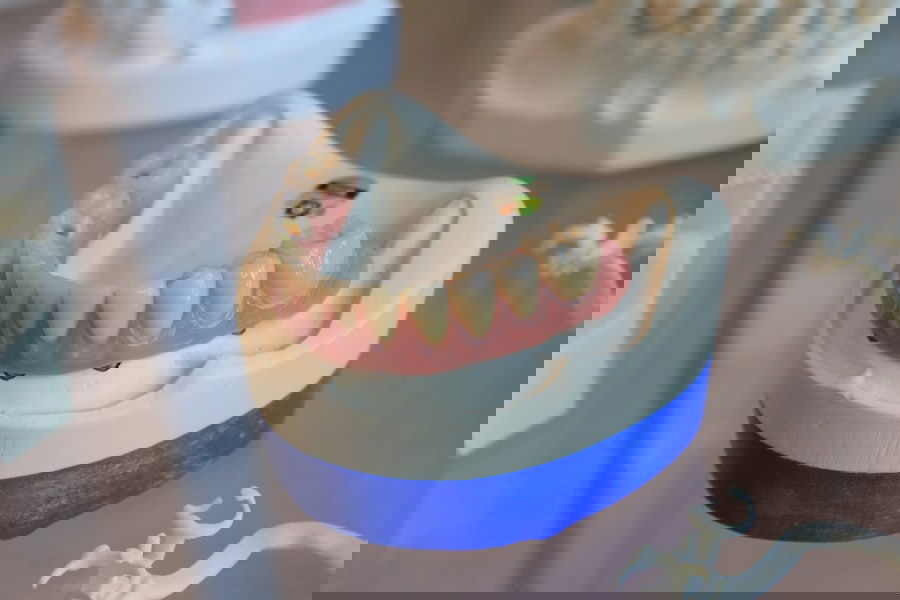
Eating and speaking are fundamental activities that can be significantly affected by the use of dentures. Many new denture wearers report challenges in chewing food effectively, which can lead to dietary restrictions or changes in eating habits. The sensation of having foreign objects in the mouth can also make it difficult to articulate words clearly, leading to frustration in social situations.
To adapt to these challenges, individuals may need to practice speaking and eating with their dentures in place. Starting with softer foods can help ease the transition while allowing wearers to build confidence in their ability to chew and speak normally. Over time, most individuals find that they regain their ability to eat a wide variety of foods and communicate effectively, but patience and practice are key during this adjustment period.
Common denture problems can often lead to discomfort and frustration for wearers, but understanding these issues can help in finding effective solutions. For those looking to enhance their overall dental health and appearance, exploring options like orthodontic surgery may be beneficial. You can read more about this in the article on improving smiles through orthodontic surgery, which provides valuable insights into achieving a perfect smile. For more information, visit orthodontic surgery.
Loose or Ill-Fitting Dentures
| Common Denture Problem | Cause | Symptoms | Possible Solutions |
|---|---|---|---|
| Sore Spots and Irritation | Poor fit or rough edges on dentures | Redness, pain, and ulcers on gums | Adjustment or relining of dentures; use of denture adhesive |
| Loose Dentures | Bone resorption or improper fit | Movement during eating or speaking, discomfort | Relining, rebasing, or new dentures; dental implants |
| Difficulty Chewing | Improper denture alignment or fit | Inability to chew certain foods, discomfort | Adjustment of dentures; dietary modifications |
| Excess Saliva | New dentures stimulating salivary glands | Increased saliva production, drooling | Usually subsides; practice speaking and swallowing |
| Speech Problems | Denture thickness or poor fit | Slurred speech, lisping | Practice speaking; denture adjustment |
| Bad Odor or Taste | Poor hygiene or trapped food particles | Unpleasant smell or taste in mouth | Regular cleaning of dentures; soak overnight |
| Cracked or Broken Dentures | Accidental dropping or wear over time | Visible cracks or breaks, discomfort | Repair by dentist or replacement |
Loose or ill-fitting dentures are a common complaint among wearers and can lead to a host of problems, including discomfort, difficulty eating, and embarrassment during social interactions. When dentures do not fit properly, they may shift or move in the mouth, causing irritation to the gums and making it challenging to maintain proper oral hygiene. This issue can arise due to changes in the shape of the jawbone or gums over time, which is a natural part of aging.
To address loose dentures, individuals may consider using denture adhesives for added stability. However, this is often a temporary solution. A more permanent fix typically involves visiting a dental professional for adjustments or relining of the dentures to ensure a better fit. Regular check-ups are essential for monitoring changes in fit and addressing any issues before they become more serious.
Gum Irritation and Soreness
Gum irritation and soreness are common side effects of wearing dentures, particularly for new users.
The constant contact between the denture base and the gums can lead to inflammation and discomfort, especially if the dentures are not fitted correctly.
Additionally, poor oral hygiene practices can exacerbate these issues by allowing bacteria to thrive in the mouth.
To alleviate gum irritation, it is important for denture wearers to maintain good oral hygiene by cleaning both their dentures and gums regularly. Soaking dentures in a cleaning solution can help remove plaque and bacteria, while gentle brushing of the gums can promote healing and reduce soreness. If irritation persists despite proper care, consulting a dental professional is advisable to rule out any underlying conditions or fitting issues.
Bad Breath and Odor
Bad breath is another concern that can affect denture wearers. The presence of dentures can create an environment conducive to bacterial growth if proper cleaning routines are not followed. Food particles can become trapped between the dentures and gums, leading to unpleasant odors that may be noticeable during conversations or social interactions.
To combat bad breath, it is essential for denture users to establish a thorough cleaning regimen that includes both their dentures and oral tissues. Regularly soaking dentures in a cleaning solution designed for prosthetics can help eliminate odor-causing bacteria. Additionally, maintaining hydration by drinking plenty of water can help wash away food particles and bacteria that contribute to bad breath.
Solutions for Denture Problems
Addressing denture problems requires a multifaceted approach that includes proper care, regular dental visits, and open communication with dental professionals. For discomfort or pain, adjustments may be necessary to ensure a better fit. Dentists can provide solutions tailored to individual needs, such as relining or remaking dentures if significant changes have occurred in the mouth.
In addition to professional interventions, denture wearers can take proactive steps at home. Using denture adhesives can provide added stability for loose dentures, while practicing speaking and eating techniques can help improve comfort levels over time. Engaging in regular oral hygiene practices is also crucial for preventing complications associated with poor denture care.
Proper Denture Care and Maintenance
Proper care and maintenance of dentures are vital for ensuring their longevity and effectiveness. Dentures should be cleaned daily using a soft-bristled brush and a non-abrasive cleaner specifically designed for prosthetics. This routine helps remove plaque buildup and prevents staining while promoting overall oral health.
In addition to daily cleaning, it is important for denture wearers to soak their dentures overnight in a suitable solution to keep them moist and prevent warping. Regular check-ups with a dental professional are also essential for monitoring the condition of both the dentures and the surrounding oral tissues. These visits allow for timely adjustments or repairs as needed.
Adjustments and Repairs
Over time, changes in the mouth’s structure may necessitate adjustments or repairs to dentures. Factors such as weight loss, aging, or gum recession can alter how well dentures fit, leading to discomfort or functional issues. Regular visits to a dentist specializing in prosthodontics can help identify when adjustments are needed.
When adjustments are required, dental professionals may reline or remake dentures based on individual needs. Reline procedures involve adding new material to the base of the denture to improve fit without replacing the entire device. In cases where significant changes have occurred, a new set of dentures may be necessary to ensure optimal comfort and function.
Seeking Professional Help and Advice
For anyone experiencing difficulties with their dentures, seeking professional help is crucial. Dental professionals possess the expertise needed to diagnose issues accurately and recommend appropriate solutions tailored to individual circumstances. Whether it involves adjustments, repairs, or advice on care routines, consulting with a dentist can provide valuable insights into managing denture-related problems effectively.
In conclusion, while denture problems are common among wearers, understanding these issues and knowing how to address them can significantly enhance the experience of using dentures. By prioritizing proper care, seeking professional guidance when needed, and being proactive about adjustments, individuals can enjoy the benefits of dentures while minimizing discomfort and complications associated with their use.
FAQs
What are the most common problems people experience with dentures?
Common denture problems include discomfort or soreness, difficulty chewing or speaking, dentures slipping or moving out of place, excessive saliva production, and irritation or infections in the mouth.
Why do dentures sometimes cause sore spots or irritation?
Sore spots and irritation often occur due to ill-fitting dentures that rub against the gums or soft tissues. This can cause inflammation, ulcers, or pressure points that lead to discomfort.
How can denture slipping be prevented?
Denture slipping can be minimized by ensuring a proper fit through regular dental check-ups, using denture adhesives as recommended, and maintaining good oral hygiene to keep the gums healthy and stable.
What should I do if my dentures cause difficulty speaking or eating?
If dentures interfere with speaking or eating, it is important to consult your dentist. They may need to adjust the fit, reshape the dentures, or provide guidance on adapting to the dentures through practice and exercises.
How often should dentures be checked or replaced?
Dentures should be checked by a dentist at least once a year to assess fit and condition. Over time, changes in the mouth may require relining, rebasing, or replacement of dentures, typically every 5 to 7 years.