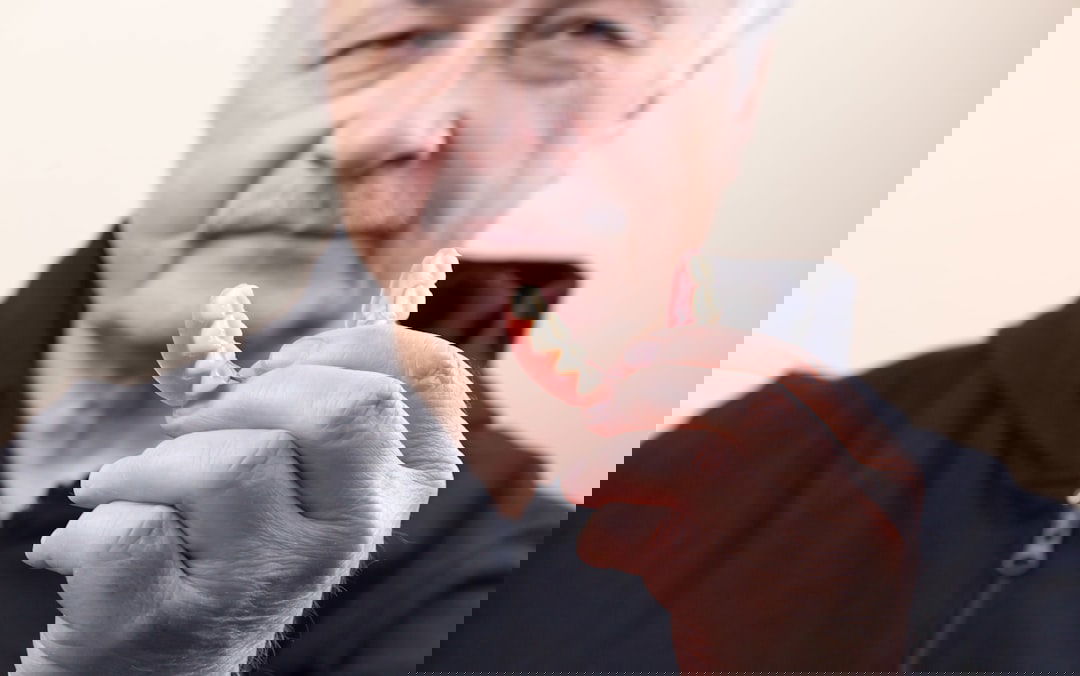
Dentures are removable dental prosthetics designed to replace missing teeth and surrounding tissues. They serve multiple functions including restoring the ability to chew food properly, improving speech clarity, and maintaining facial structure by supporting the lips and cheeks. When teeth are lost due to decay, periodontal disease, or trauma, the underlying bone and soft tissues can deteriorate, leading to changes in facial appearance.
The denture fitting process begins with a thorough oral examination by a dental professional. During this assessment, the dentist evaluates the condition of remaining teeth, gums, and jawbone structure to determine the most appropriate treatment approach. X-rays and impressions of the mouth are typically taken to create accurate measurements for denture fabrication.
Several types of dentures are available depending on the extent of tooth loss and individual patient needs. Complete dentures replace all teeth in either the upper or lower jaw, while partial dentures are used when some natural teeth remain. Implant-supported dentures attach to titanium posts surgically placed in the jawbone, providing increased stability and retention compared to conventional dentures that rely on suction and adhesive for retention.
Key Takeaways
- Dentures come in various types including complete, partial, removable, fixed, and flexible options.
- Implant-supported and snap-in dentures offer enhanced stability compared to traditional dentures.
- Immediate dentures are placed right after tooth extraction for quick restoration.
- Overdentures fit over remaining natural teeth or implants to improve retention.
- Custom dentures are tailored for individual comfort, fit, and aesthetics.
Complete Dentures
Complete dentures are designed for individuals who have lost all of their natural teeth in either the upper or lower jaw, or both. These prosthetics are custom-made to fit snugly over the gums, providing a full arch of artificial teeth that mimic the appearance and function of natural dentition. The process of obtaining complete dentures typically involves several appointments, beginning with impressions of the mouth to create a precise mold.
This mold is then used to fabricate the dentures, ensuring a comfortable fit that minimizes movement during eating and speaking. One of the significant advantages of complete dentures is their ability to restore a person’s smile and improve self-esteem. Many individuals who have experienced complete tooth loss often feel self-conscious about their appearance, and complete dentures can significantly enhance their confidence.
Additionally, complete dentures can help improve oral function, allowing individuals to enjoy a wider variety of foods. However, it is important to note that complete dentures may require an adjustment period as the wearer becomes accustomed to them. Regular follow-up visits with a dentist are essential to ensure proper fit and comfort over time.
Partial Dentures
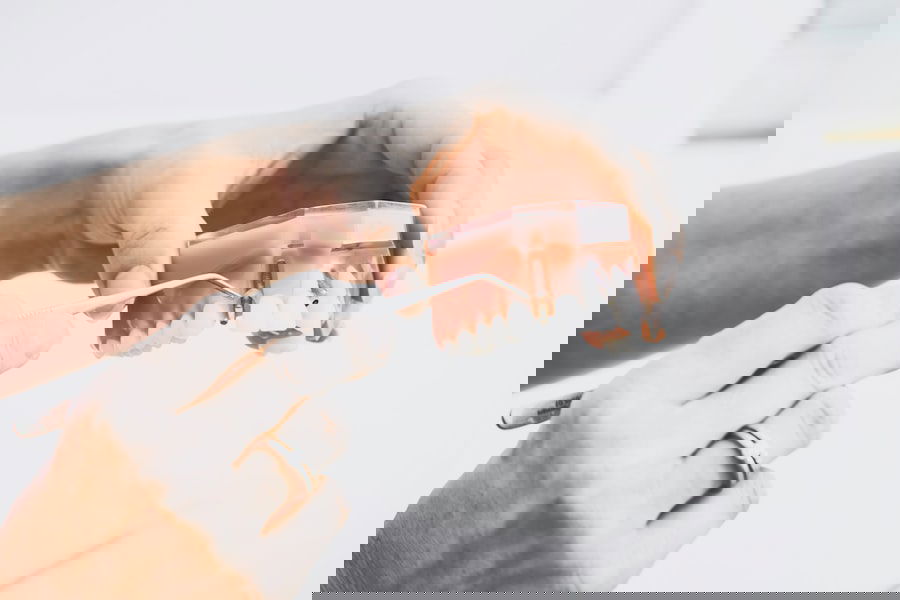
Partial dentures serve as an effective solution for individuals who still have some natural teeth remaining but require replacement for one or more missing teeth. Unlike complete dentures, which cover the entire arch, partial dentures are designed to fill in the gaps left by missing teeth while still utilizing existing natural teeth for support. This type of denture is typically held in place by metal clasps or precision attachments that connect to the remaining teeth, providing stability and functionality.
The design of partial dentures can vary significantly based on the specific needs of the patient. They can be made from various materials, including acrylic resin or metal frameworks, depending on factors such as durability, aesthetics, and cost. One of the key benefits of partial dentures is that they help maintain the alignment of remaining teeth, preventing them from shifting into the gaps left by missing teeth.
This not only preserves oral function but also contributes to overall oral health by reducing the risk of further tooth loss. Regular dental check-ups are crucial for individuals with partial dentures to ensure that their prosthetics remain in good condition and continue to fit properly.
Implant-Supported Dentures
Implant-supported dentures represent a significant advancement in dental prosthetics, combining the benefits of traditional dentures with the stability provided by dental implants. This type of denture is anchored securely to implants that are surgically placed into the jawbone, offering enhanced support and preventing issues such as slippage or discomfort that can occur with conventional dentures. Implant-supported dentures can be either complete or partial, depending on the extent of tooth loss.
The process of obtaining implant-supported dentures typically involves multiple stages, beginning with a thorough evaluation to determine if the patient has sufficient bone density to support implants. If necessary, bone grafting procedures may be performed to enhance bone structure before implants are placed. Once the implants have integrated with the bone—a process known as osseointegration—custom dentures are fabricated and attached to the implants.
The result is a stable and secure prosthetic solution that allows for improved chewing efficiency and speech clarity. Patients often report higher satisfaction levels with implant-supported dentures due to their natural feel and appearance.
Removable Dentures
| Type of Denture | Description | Material | Duration of Use | Advantages | Disadvantages |
|---|---|---|---|---|---|
| Complete Dentures | Replaces all teeth in the upper or lower jaw | Acrylic resin, sometimes with metal base | 5-7 years | Restores full function and aesthetics; removable | May feel bulky; requires adjustment period |
| Partial Dentures | Replaces one or more missing teeth, attached to remaining teeth | Acrylic resin with metal clasps or flexible materials | 5-7 years | Preserves remaining teeth; less invasive | Can cause wear on adjacent teeth; may be less stable |
| Immediate Dentures | Placed immediately after tooth extraction | Acrylic resin | Temporary, until healing completes (few months) | Allows patient to avoid being without teeth | Requires frequent adjustments; less precise fit |
| Overdentures | Dentures that fit over remaining natural teeth or implants | Acrylic resin with metal framework | 5-7 years | Improved stability and retention; preserves bone | Requires healthy roots or implants; more complex |
| Implant-Supported Dentures | Dentures anchored by dental implants | Acrylic resin or porcelain on metal framework | 10+ years (implant dependent) | Excellent stability and function; prevents bone loss | Higher cost; requires surgery and healing time |
Removable dentures are designed for easy removal by the wearer, allowing for convenient cleaning and maintenance. Both complete and partial dentures can be classified as removable, providing flexibility for individuals based on their specific dental needs. The primary advantage of removable dentures is their ease of use; patients can take them out at night or during cleaning routines without any professional assistance.
The design of removable dentures often incorporates features such as clasps or suction mechanisms to ensure they stay securely in place during daily activities. While removable dentures offer convenience, they may require periodic adjustments as changes in the mouth occur over time due to factors like bone resorption or gum tissue changes. Regular visits to a dentist are essential for monitoring fit and comfort, ensuring that removable dentures continue to serve their purpose effectively.
Fixed Dentures

Fixed dentures offer a more permanent solution compared to removable options, as they are securely attached to dental implants or existing teeth and cannot be removed by the patient. This type of denture provides enhanced stability and comfort, making it an appealing choice for many individuals seeking a long-term solution for tooth loss. Fixed dentures can be designed as full-arch prosthetics or as partials that replace specific missing teeth.
The process for obtaining fixed dentures typically involves surgical placement of dental implants into the jawbone, followed by a healing period during which osseointegration occurs. Once healed, custom prosthetics are fabricated and affixed to the implants or remaining natural teeth using various attachment methods. The result is a highly functional restoration that closely mimics natural teeth in both appearance and performance.
Patients often appreciate fixed dentures for their ability to restore confidence in social situations without concerns about slippage or discomfort.
Flexible Dentures
Flexible dentures represent an innovative approach in denture design, utilizing materials that allow for greater adaptability and comfort compared to traditional rigid options. These dentures are made from thermoplastic materials that can bend without breaking, providing a more natural feel against the gums while also accommodating slight movements during chewing or speaking. Flexible partial dentures are particularly popular among patients who may have allergies or sensitivities to metal components commonly found in traditional partials.
One of the key benefits of flexible dentures is their aesthetic appeal; they can be designed with gum-colored bases that blend seamlessly with natural gum tissue, making them less noticeable than conventional options. Additionally, flexible dentures tend to be lighter and more comfortable for wearers, reducing irritation often associated with traditional acrylic or metal frameworks. However, it is important for patients considering flexible dentures to consult with their dentist about their specific needs and whether this option is suitable for their oral health situation.
Immediate Dentures
Immediate dentures are unique in that they are placed in the mouth immediately after tooth extraction, providing patients with an instant solution for tooth loss without having to go without teeth during the healing process. This type of denture is particularly beneficial for individuals who may feel anxious about being without teeth or who require immediate restoration for aesthetic reasons. The process begins with careful planning prior to extraction; dentists take impressions and measurements to create immediate dentures that will fit properly once the teeth are removed.
After extraction, these dentures are placed right away, allowing patients to leave the dental office with a complete smile. However, it is important to note that immediate dentures may require adjustments as healing occurs since swelling and changes in gum shape can affect fit over time. Regular follow-up appointments are essential during this period to ensure comfort and functionality.
Overdentures
Overdentures are a specialized type of denture designed to fit over existing natural teeth or dental implants. This approach allows patients to retain some natural tooth structure while benefiting from the stability provided by overdentures. Overdentures can be particularly advantageous for individuals who have lost some teeth but still have healthy roots remaining; these roots can provide support for the overdenture.
The process involves careful planning and assessment by a dentist to determine which natural teeth will be retained and how they will support the overdenture. In cases where dental implants are used instead of natural teeth, implants are strategically placed in the jawbone to provide a solid foundation for the overdenture. Patients often find overdentures comfortable and functional since they combine elements of both traditional denture wear and natural tooth retention.
Snap-In Dentures
Snap-in dentures offer a unique solution that combines elements of both removable and fixed prosthetics. These dentures feature attachments that snap onto dental implants or existing teeth, providing enhanced stability while still allowing for easy removal by the patient when necessary. Snap-in dentures are particularly appealing for individuals seeking a balance between convenience and security.
The process for obtaining snap-in dentures typically involves implant placement followed by healing time before custom prosthetics are created. Once ready, these prosthetics can be easily snapped into place over the implants or remaining teeth, offering a secure fit that minimizes movement during daily activities. Patients appreciate snap-in dentures for their ability to restore confidence while also allowing for straightforward cleaning routines when removed.
Custom Dentures
Custom dentures represent the pinnacle of personalized dental prosthetics, tailored specifically to meet an individual’s unique oral anatomy and aesthetic preferences. The process begins with detailed impressions and measurements taken by a dentist or prosthodontist, ensuring that every aspect of the denture aligns perfectly with the patient’s mouth structure. Customization extends beyond fit; patients can also choose tooth shapes, sizes, colors, and even gum shading to achieve a natural appearance that complements their facial features.
The benefits of custom dentures go beyond aesthetics; they also enhance comfort and functionality significantly compared to standard options. A well-fitted custom denture reduces the risk of sore spots or irritation often associated with ill-fitting prosthetics.
Regular follow-ups with dental professionals ensure that custom dentures remain effective over time as changes in oral health occur. In summary, understanding the various types of dentures available today empowers individuals facing tooth loss to make informed decisions about their dental health options. Each type offers distinct advantages tailored to different needs and preferences, ensuring that patients can find solutions that enhance both their quality of life and oral function.
When considering the various types of dentures available, it’s also important to explore how cosmetic dental procedures can enhance your overall smile. For more information on this topic, you can read about the benefits of cosmetic enhancements in the article on enhancing your smile with cosmetic dental procedures. This article provides insights into how different treatments can complement your denture options and improve your dental aesthetics.
FAQs
What are dentures?
Dentures are removable dental appliances designed to replace missing teeth and surrounding tissues. They help restore the function and appearance of natural teeth.
What are the main types of dentures?
The main types of dentures include complete dentures, which replace all teeth in the upper or lower jaw, and partial dentures, which replace one or more missing teeth while preserving remaining natural teeth.
What is the difference between complete and partial dentures?
Complete dentures are used when all teeth are missing in an arch, whereas partial dentures are used when some natural teeth remain. Partial dentures often attach to existing teeth with metal clasps or precision attachments.
What are immediate dentures?
Immediate dentures are placed in the mouth immediately after teeth extraction, allowing the patient to have teeth during the healing period. They may require adjustments as the gums heal and shrink.
What materials are dentures made from?
Dentures are typically made from acrylic resin for the base and porcelain or acrylic for the artificial teeth. Some partial dentures may include metal frameworks for added strength.
How long do dentures last?
Dentures generally last between 5 to 10 years, depending on wear, care, and changes in the mouth. Regular dental check-ups are important to maintain fit and function.
Can dentures be fixed or adjusted?
Yes, dentures can be relined, rebased, or repaired by a dentist or dental technician to improve fit and comfort as the shape of the mouth changes over time.
Are there alternatives to traditional dentures?
Yes, alternatives include dental implants and implant-supported dentures, which provide more stability and may improve chewing efficiency compared to traditional removable dentures.
How do I care for my dentures?
Dentures should be cleaned daily with a soft brush and denture cleaner, soaked overnight in a denture solution, and handled carefully to avoid damage. Regular dental visits are important for oral health monitoring.
Do dentures affect speech and eating?
Initially, dentures may affect speech and eating, but most people adapt over time. Properly fitted dentures help restore normal function and improve confidence in speaking and eating.