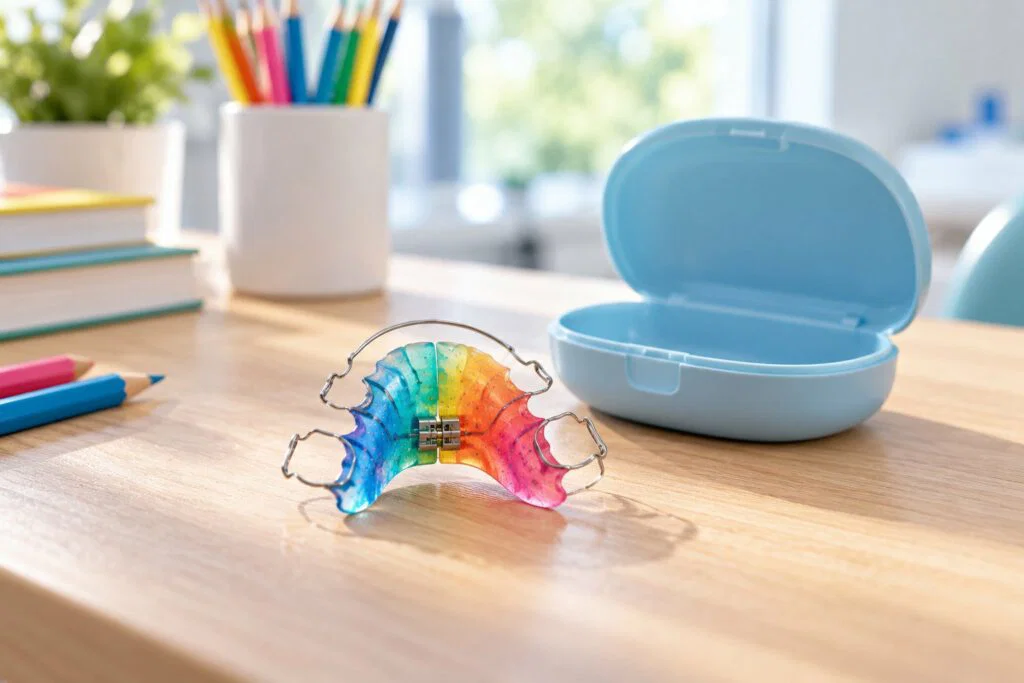
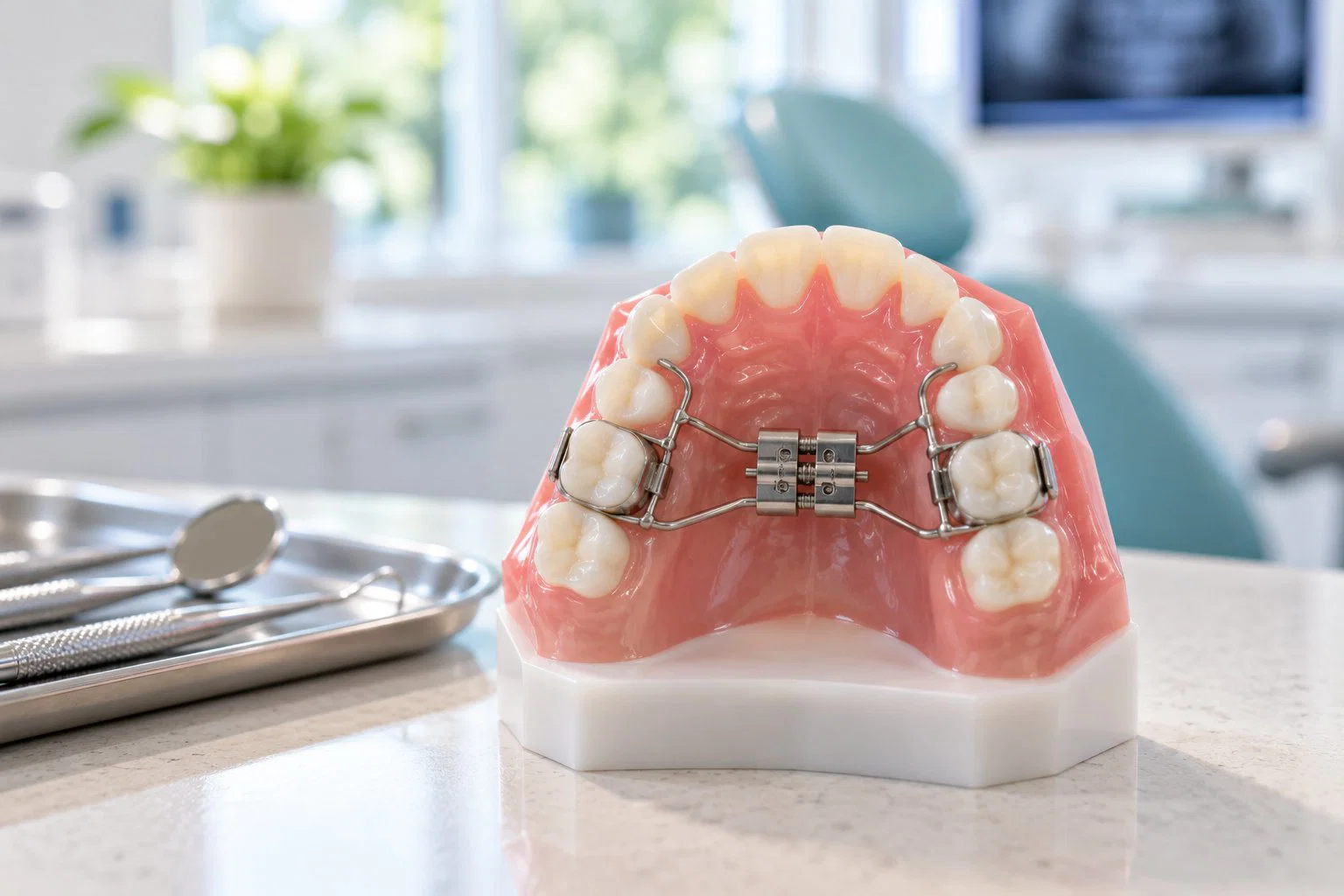
Invisalign is a modern orthodontic treatment that uses a sequence of clear, removable aligners to gradually reposition teeth. The treatment begins with a thorough consultation where an orthodontist evaluates the patient’s dental structure to determine Invisalign suitability. The process utilizes advanced 3D scanning and X-ray technology to create an accurate digital model of the patient’s teeth, which forms the basis for a personalized treatment plan detailing the specific tooth movements required.
After finalizing the treatment plan, a series of aligners are manufactured from durable, medical-grade plastic. Patients typically wear each aligner for one to two weeks as prescribed by their orthodontist. The aligners progressively shift teeth into their desired positions throughout the treatment period.
A key advantage of Invisalign is its inconspicuous appearance; the clear aligners are nearly undetectable, offering patients an aesthetic alternative to traditional metal braces. Additionally, Invisalign provides practical benefits, as patients can remove the aligners when eating and performing oral hygiene routines.
Key Takeaways
- Invisalign treatment requires understanding the process and establishing a consistent wearing and cleaning routine.
- Encouraging regular wear time and managing discomfort are key to successful adjustment to new aligners.
- Monitoring progress and maintaining good oral hygiene help ensure effective treatment outcomes.
- Handling lost or damaged aligners promptly and managing dietary restrictions are important for treatment continuity.
- Open communication with the orthodontist and supporting your child boosts motivation and celebrates milestones.
Establishing a Routine for Wearing and Cleaning Invisalign
Creating a consistent routine for wearing and cleaning Invisalign aligners is crucial for achieving optimal results. Patients are generally advised to wear their aligners for 20 to 22 hours each day. To facilitate this, it can be helpful to establish specific times for inserting and removing the aligners, such as before meals and before bedtime.
By incorporating these actions into daily habits, patients can ensure they are maximizing their wear time while minimizing the risk of forgetting to put them back in after eating or drinking. Cleaning the aligners is equally important, as it helps maintain their clarity and prevents the buildup of bacteria. Patients should rinse their aligners with lukewarm water each time they are removed.
Additionally, using a soft toothbrush and a gentle soap or specialized cleaning solution can help remove any plaque or debris that may accumulate on the aligners. It is essential to avoid using hot water or abrasive cleaners, as these can warp or scratch the aligners, compromising their effectiveness. By establishing a routine that includes both wearing and cleaning the aligners, patients can contribute significantly to the success of their treatment.
Encouraging Consistent Wear Time

Consistency in wearing Invisalign aligners is paramount for achieving the desired results within the projected timeframe. To encourage adherence to this regimen, patients can employ various strategies that make it easier to remember to wear their aligners. One effective method is to set reminders on smartphones or use calendar alerts that prompt them to put their aligners back in after meals or snacks.
This simple yet effective approach can help reinforce the habit of consistent wear. Another strategy involves creating a visual cue system. For instance, patients can designate a specific spot in their home where they store their aligners when not in use.
By placing the aligners in a visible location, such as next to their toothbrush or on the kitchen counter, they are more likely to remember to wear them consistently. Additionally, involving family members or friends in the process can provide an extra layer of accountability. Sharing progress updates or discussing challenges with others can motivate patients to stay committed to their treatment plan.
Addressing Discomfort and Adjusting to New Aligners
As patients transition through different sets of Invisalign aligners, it is common to experience some discomfort or pressure as teeth begin to shift. This sensation is typically mild and temporary, often subsiding within a few days as the mouth adjusts to the new aligners. To alleviate discomfort, patients can take over-the-counter pain relievers as needed or use cold compresses on the outside of their cheeks to reduce any swelling or soreness.
It is also important for patients to understand that discomfort is a normal part of the process and an indication that the aligners are working effectively. Communicating with an orthodontist about any persistent pain or concerns can provide reassurance and guidance on how to manage discomfort during treatment. Additionally, patients should be encouraged to embrace this phase as a sign of progress toward achieving their desired smile.
Monitoring Progress and Compliance
| Tip | Description | Benefit | Recommended Frequency |
|---|---|---|---|
| Encourage Consistent Wear | Remind your child to wear Invisalign aligners for 20-22 hours daily. | Ensures effective treatment and timely results. | Daily |
| Maintain Oral Hygiene | Help your child brush and floss teeth before putting aligners back in. | Prevents cavities and gum disease during treatment. | After every meal |
| Clean Aligners Properly | Assist in cleaning aligners with recommended solutions or gentle brushing. | Prevents odor and bacterial buildup. | Daily |
| Monitor Diet | Encourage removal of aligners during eating and avoid sugary or sticky foods. | Protects aligners from damage and reduces risk of tooth decay. | Every meal/snack |
| Track Progress | Use a calendar or app to track aligner changes and appointments. | Helps stay on schedule and motivates the child. | Weekly |
| Communicate with Orthodontist | Attend regular check-ups and report any discomfort or issues. | Ensures adjustments and addresses problems promptly. | Every 4-6 weeks |
| Provide Positive Reinforcement | Praise your child for following treatment guidelines. | Boosts compliance and confidence. | As needed |
Regular monitoring of progress is essential for ensuring that Invisalign treatment stays on track. Orthodontists typically schedule follow-up appointments every six to eight weeks to assess how well teeth are moving according to the treatment plan. During these visits, adjustments may be made if necessary, and new sets of aligners will be provided.
Patients should actively participate in these appointments by discussing any concerns or questions they may have regarding their treatment. In addition to professional monitoring, patients can take an active role in tracking their compliance with wearing their aligners. Keeping a journal or using a mobile app designed for orthodontic treatment can help individuals log their wear time and note any challenges they encounter along the way.
This self-monitoring not only fosters accountability but also allows patients to celebrate small victories as they witness their progress over time.
Maintaining Good Oral Hygiene with Invisalign

Maintaining excellent oral hygiene is crucial during Invisalign treatment, as it helps prevent dental issues such as cavities and gum disease while ensuring that aligners remain clear and free from bacteria. Patients should continue their regular brushing and flossing routines, making sure to brush at least twice a day and floss daily. It is advisable to brush teeth after every meal before reinserting the aligners; this practice helps eliminate food particles and plaque buildup that could otherwise be trapped between teeth and aligners.
In addition to traditional oral hygiene practices, patients may benefit from using antimicrobial mouthwash or dental rinses designed specifically for orthodontic care. These products can help reduce bacteria in the mouth and promote overall oral health during treatment. Regular visits to the dentist for cleanings and check-ups are also essential; dental professionals can provide additional guidance on maintaining oral hygiene while using Invisalign.
Handling Lost or Damaged Aligners
Accidents happen, and losing or damaging an Invisalign aligner can be stressful for patients.
If an aligner is lost, patients should first search for it thoroughly before considering replacement options.
If it cannot be found, contacting the orthodontist promptly is crucial. The orthodontist may recommend wearing the previous set of aligners until a replacement can be made or may provide guidance on how best to proceed based on individual circumstances. In cases where an aligner is damaged but still somewhat functional, patients should continue wearing it until they can obtain a replacement unless advised otherwise by their orthodontist.
It is essential not to skip ahead to the next set of aligners without professional guidance, as this could disrupt the treatment plan and lead to complications in tooth movement.
Managing Dietary Restrictions with Invisalign
One of the significant advantages of Invisalign over traditional braces is that patients can remove their aligners while eating and drinking. This flexibility allows individuals to enjoy a wide variety of foods without worrying about damaging brackets or wires. However, it is essential for patients to develop mindful eating habits during treatment.
Before removing their aligners, they should consider what they will eat and drink throughout the day and plan accordingly. While there are no strict dietary restrictions with Invisalign, it is advisable for patients to avoid sticky or hard foods that could potentially damage their teeth or cause discomfort when chewing. Additionally, sugary beverages should be consumed with caution; if patients choose to drink them while wearing their aligners, they should rinse their mouths afterward and brush their teeth before reinserting them.
This practice helps maintain oral hygiene and prevents staining of the aligners.
Communicating with the Orthodontist
Open communication with an orthodontist is vital throughout the Invisalign treatment process. Patients should feel comfortable discussing any concerns they may have regarding their progress, discomfort levels, or questions about wearing and caring for their aligners. Regular check-ins during scheduled appointments provide opportunities for patients to voice these concerns and receive professional guidance tailored to their unique situations.
In addition to in-person visits, many orthodontists offer digital communication options such as email or patient portals where individuals can ask questions or seek advice between appointments. Utilizing these resources can enhance patient engagement in their treatment journey and foster a collaborative relationship between patient and provider.
Supporting and Encouraging Your Child
For parents whose children are undergoing Invisalign treatment, providing support and encouragement is essential for fostering a positive experience. Children may feel self-conscious about wearing aligners, especially if they perceive them as different from traditional braces. Parents can help by emphasizing the benefits of Invisalign—such as its discreet appearance and ease of maintenance—while also celebrating small milestones along the way.
Creating an environment that encourages open dialogue about any challenges faced during treatment can also be beneficial. Parents should regularly check in with their children about how they feel about wearing their aligners and address any concerns they may have about discomfort or compliance with wear time. By being actively involved in their child’s journey toward a healthier smile, parents can instill confidence and motivation throughout the process.
Celebrating Milestones and Progress with Invisalign
Recognizing milestones throughout the Invisalign journey can significantly enhance motivation and commitment to treatment. Whether it’s completing a set of aligners or reaching a specific point in the treatment timeline, celebrating these achievements reinforces positive behavior and encourages continued adherence to wearing the aligners consistently. Parents can create fun rituals around these milestones—such as taking photos of progress or planning small rewards when certain goals are met—to make the experience more enjoyable for children undergoing treatment.
Additionally, sharing progress updates with friends or family members can foster a sense of community support that further motivates individuals on their path toward achieving a beautiful smile with Invisalign.
For parents navigating the journey of their kids using Invisalign, it’s essential to understand the maintenance required to ensure the best results. A helpful resource is the article on 5 Essential Invisalign Maintenance Tips, which provides valuable insights on how to care for the aligners effectively. This guide can help parents support their children in maintaining their Invisalign treatment, ensuring a smoother and more successful orthodontic experience.
FAQs
What is Invisalign and how does it work for kids?
Invisalign is a type of orthodontic treatment that uses clear, removable aligners to straighten teeth. For kids, Invisalign gradually shifts teeth into the desired position through a series of custom-made aligners that are typically changed every one to two weeks.
At what age can kids start using Invisalign?
Invisalign treatment is generally suitable for children and teenagers who have most of their permanent teeth. This is usually around the age of 12 or older, but an orthodontist can determine the best time based on the child’s dental development.
How long does Invisalign treatment take for kids?
The duration of Invisalign treatment varies depending on the complexity of the case. On average, treatment can last anywhere from 6 months to 18 months. The orthodontist will provide a more accurate timeline after an initial evaluation.
Are Invisalign aligners comfortable for kids to wear?
Yes, Invisalign aligners are made of smooth plastic and are generally more comfortable than traditional braces. They do not have metal brackets or wires that can cause irritation in the mouth.
How often should kids wear their Invisalign aligners?
For effective treatment, kids should wear their Invisalign aligners for 20 to 22 hours per day, removing them only for eating, drinking (except water), brushing, and flossing.
Can kids eat and drink normally with Invisalign?
Kids should remove their Invisalign aligners before eating or drinking anything other than water. This helps prevent staining and damage to the aligners and maintains oral hygiene.
How should parents help their kids care for Invisalign aligners?
Parents can assist by encouraging regular cleaning of the aligners using a soft toothbrush and clear, mild soap or Invisalign cleaning crystals. They should also remind kids to store aligners in their case when not in use to avoid loss or damage.
Are there any restrictions or challenges kids might face with Invisalign?
Some challenges include remembering to wear the aligners consistently, keeping them clean, and avoiding losing them. Kids may also need time to adjust to speaking with the aligners in place.
How often do kids need to visit the orthodontist during Invisalign treatment?
Typically, kids will have check-ups every 6 to 8 weeks to monitor progress and receive the next set of aligners. The orthodontist will adjust the treatment plan as needed.
Is Invisalign treatment more expensive than traditional braces for kids?
Invisalign can be comparable in cost to traditional braces, but prices vary depending on the complexity of the case and geographic location. Parents should consult with their orthodontist and insurance provider for specific cost information.