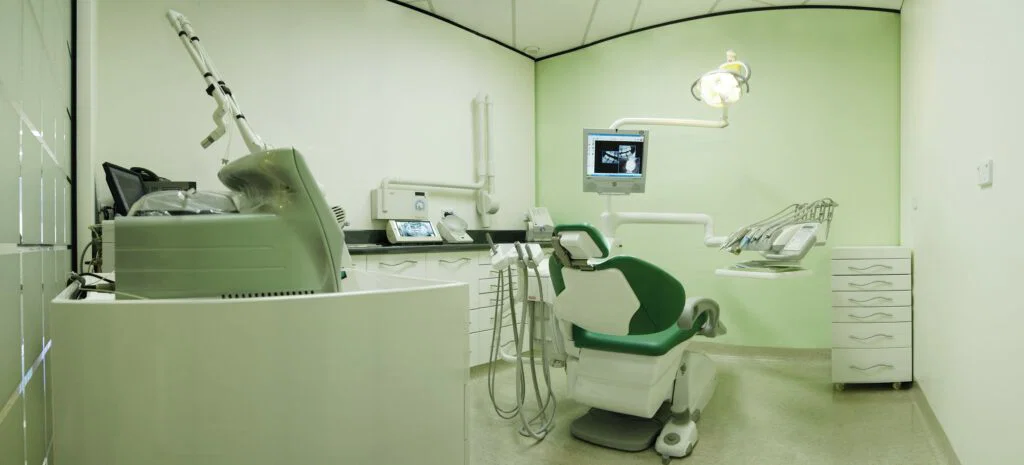
Emergency Tooth Extraction: What You Need to Know

Emergency tooth extraction is a dental procedure that becomes necessary when a tooth is severely damaged, infected, or poses a risk to the surrounding teeth and overall oral health. The need for such an extraction can arise from various circumstances, including trauma, decay, or advanced periodontal disease. In many cases, the tooth may be beyond repair, and leaving it in place could lead to further complications, such as abscess formation or systemic infection.

Understanding the underlying reasons for emergency tooth extraction is crucial for both patients and dental professionals, as it helps in making informed decisions about treatment options. In addition to physical damage or decay, certain medical conditions can necessitate an emergency extraction. For instance, individuals undergoing chemotherapy or those with compromised immune systems may be at a higher risk for dental infections.

In these cases, a tooth that might otherwise be salvageable could become a source of significant health risks. Moreover, wisdom teeth often require extraction due to impaction or misalignment, which can lead to pain and infection. Recognizing these scenarios underscores the importance of timely dental intervention to prevent more severe health issues.

Key Takeaways

  • Emergency tooth extraction may be necessary in cases of severe infection, trauma, or unbearable pain.
  • Signs and symptoms that may require emergency tooth extraction include severe toothache, swelling, fever, and difficulty swallowing.
  • During an emergency tooth extraction, the dentist will numb the area, remove the tooth, and provide aftercare instructions.
  • Aftercare following emergency tooth extraction may include pain management, rest, and avoiding certain foods and activities.
  • Potential risks and complications of emergency tooth extraction include infection, dry socket, and nerve damage.

Signs and Symptoms that Require Emergency Tooth Extraction

Identifying the signs and symptoms that indicate the need for emergency tooth extraction is essential for prompt treatment. One of the most common indicators is severe tooth pain, which may be accompanied by swelling in the gums or face. This pain can stem from an abscessed tooth, where pus accumulates due to infection, leading to intense discomfort.

Patients may also experience sensitivity to hot or cold temperatures, which can exacerbate the pain and signal that immediate dental attention is required. Another critical sign is visible damage to the tooth, such as fractures or chips that compromise its structural integrity. In some cases, a tooth may be completely knocked out due to trauma, necessitating urgent care.

Additionally, persistent bad breath or an unpleasant taste in the mouth can indicate an underlying infection that may require extraction. If a patient notices any of these symptoms, it is vital to seek dental care without delay to prevent further complications and ensure proper management of the condition.

What to Expect During an Emergency Tooth Extraction

When a patient arrives at the dental office for an emergency tooth extraction, the first step typically involves a thorough examination and assessment of the affected area.

The dentist will take X-rays to evaluate the extent of damage or infection and determine the best approach for extraction.

This initial evaluation is crucial as it helps the dentist formulate a treatment plan tailored to the patient’s specific needs. Depending on the complexity of the extraction, local anesthesia will be administered to ensure that the patient remains comfortable throughout the procedure. The actual extraction process can vary in duration and complexity. For a straightforward extraction, where the tooth is fully erupted and accessible, the dentist will use specialized instruments to loosen and remove the tooth from its socket. However, if the tooth is impacted or has broken below the gum line, surgical intervention may be necessary. This could involve making incisions in the gum tissue to access the tooth more effectively.

Regardless of the method used, patients can expect some level of discomfort during and after the procedure, which can be managed with prescribed pain relief medications.

Aftercare and Recovery Following Emergency Tooth Extraction

Recovery Time Pain Management Medication Oral Care
1-2 days for initial recovery, 1-2 weeks for complete healing Use ice packs, over-the-counter pain relievers Prescribed pain medication, antibiotics if necessary Avoid rinsing or spitting for 24 hours, gentle brushing and rinsing after 24 hours

Post-extraction care is critical for ensuring a smooth recovery and minimizing complications. Immediately after the procedure, patients are typically advised to bite down on a gauze pad placed over the extraction site to control bleeding. It is essential to follow the dentist’s instructions regarding how long to keep the gauze in place and when it is safe to remove it.

Patients should also avoid rinsing their mouths vigorously for at least 24 hours to allow blood clots to form properly at the extraction site. In the days following the extraction, patients may experience swelling and discomfort. Applying ice packs to the outside of the face can help reduce swelling and alleviate pain.

Dentists often recommend sticking to a soft food diet for several days post-extraction, avoiding hard or crunchy foods that could irritate the site. Additionally, patients should refrain from smoking or using straws, as these actions can dislodge blood clots and lead to a painful condition known as dry socket. Regular follow-up appointments may be scheduled to monitor healing and address any concerns that arise during recovery.

Potential Risks and Complications of Emergency Tooth Extraction

While emergency tooth extractions are generally safe procedures, they are not without risks and potential complications. One of the most common issues is dry socket, which occurs when the blood clot at the extraction site becomes dislodged or dissolves before healing is complete. This condition can lead to severe pain and delayed recovery, requiring additional treatment from a dentist.

Other complications may include infection at the extraction site, which can manifest as increased swelling, redness, or pus discharge. In rare cases, damage to surrounding teeth or nerves can occur during extraction, particularly if the tooth is impacted or situated near critical anatomical structures. Patients with certain medical conditions or those taking specific medications may also face heightened risks during and after the procedure.

It is crucial for patients to disclose their full medical history and any medications they are taking to their dentist before undergoing an emergency extraction. This information allows dental professionals to take necessary precautions and tailor their approach accordingly.

Alternatives to Emergency Tooth Extraction

Before resorting to emergency tooth extraction, dentists often explore alternative treatment options that may preserve the natural tooth whenever possible. Root canal therapy is one such alternative that can save an infected tooth by removing infected pulp tissue while leaving the tooth structure intact. This procedure involves cleaning out the infected area and sealing it with a filling material, allowing patients to retain their natural teeth while alleviating pain and preventing further infection.

Another alternative could be dental crowns or fillings for teeth that are damaged but not beyond repair. If decay is present but has not reached an advanced stage, restorative treatments can often restore function and aesthetics without necessitating extraction. In cases where wisdom teeth are causing problems but are not severely impacted, monitoring their development may be an option rather than immediate removal.

Each case is unique; therefore, discussing all available options with a qualified dentist is essential for making informed decisions about dental health.

Cost and Insurance Coverage for Emergency Tooth Extraction

The cost of emergency tooth extraction can vary significantly based on several factors, including geographic location, complexity of the procedure, and whether additional treatments are required. On average, patients might expect to pay anywhere from $75 to $300 for a simple extraction; however, surgical extractions can range from $150 to $650 or more depending on complexity. Additional costs may arise if anesthesia or follow-up care is needed.

Insurance coverage for emergency tooth extractions also varies widely among providers and plans. Many dental insurance policies cover a portion of extraction costs but may have limitations based on deductibles or co-pays. It is advisable for patients to contact their insurance provider before undergoing treatment to understand their coverage options fully.

For those without insurance or facing high out-of-pocket costs, discussing payment plans or financing options with their dental office can provide relief and make necessary treatments more accessible.

Finding a Qualified Dentist for Emergency Tooth Extraction

Finding a qualified dentist for emergency tooth extraction is crucial for ensuring safe and effective treatment. Patients should seek out dental professionals who have experience in handling emergencies and are equipped with modern technology for diagnosis and treatment. Recommendations from friends or family members can be invaluable in identifying reputable dentists in the area.

Additionally, online reviews and ratings can provide insights into patient experiences with specific dental practices. It’s also beneficial to check if the dentist is board-certified and has relevant credentials in oral surgery or emergency dentistry. Many dental offices offer 24/7 emergency services; therefore, it’s wise to inquire about availability before an emergency arises.

Establishing a relationship with a trusted dentist not only facilitates timely care during emergencies but also promotes ongoing oral health management through regular check-ups and preventive care strategies.

If you are considering emergency tooth extraction, you may also be interested in learning about the benefits of braces. Braces can help improve the alignment of your teeth and enhance your smile. To find out more about how braces can perfect your smile, check out this article.

Contact Us

FAQs

What is an emergency tooth extraction?

An emergency tooth extraction is the removal of a tooth on short notice due to severe pain, infection, or trauma.

When is an emergency tooth extraction necessary?

An emergency tooth extraction may be necessary when a tooth is severely damaged, infected, or causing extreme pain that cannot be managed with other treatments.

What are the common reasons for needing an emergency tooth extraction?

Common reasons for needing an emergency tooth extraction include severe tooth decay, advanced gum disease, dental abscess, trauma to the tooth, or a tooth that is impacted or unable to erupt properly.

How is an emergency tooth extraction performed?

An emergency tooth extraction is typically performed by a dentist or oral surgeon using local anesthesia to numb the area around the tooth. The tooth is then carefully loosened and removed from the socket.

What are the risks and complications associated with emergency tooth extraction?

Risks and complications of emergency tooth extraction may include bleeding, infection, damage to surrounding teeth or tissues, and dry socket (a painful condition where the blood clot at the extraction site fails to form or is dislodged).

What should I do after an emergency tooth extraction?

After an emergency tooth extraction, it is important to follow the dentist’s post-operative instructions, which may include taking prescribed pain medication, avoiding certain foods and activities, and keeping the extraction site clean to promote healing.

Leave a Comment