Cone Beam Computed Tomography (CBCT) has emerged as a transformative imaging modality in the field of dentistry, providing three-dimensional (3D) visualization of dental structures with remarkable precision. Unlike traditional two-dimensional radiographs, which can often obscure critical anatomical details, CBCT offers a comprehensive view of the craniofacial complex, including teeth, bone, and soft tissues. This technology utilizes a cone-shaped X-ray beam to capture images from multiple angles, which are then reconstructed into a 3D model.
The ability to visualize complex anatomical relationships in a non-invasive manner has made CBCT an invaluable tool for dental professionals. The introduction of CBCT into dental practice has revolutionized diagnostic capabilities and treatment planning. Its applications span various specialties, including endodontics, implantology, orthodontics, and periodontics.
As dental practitioners increasingly adopt this technology, understanding its principles and benefits becomes essential for optimizing patient care. The integration of CBCT into routine dental practice not only enhances diagnostic accuracy but also facilitates more effective treatment strategies tailored to individual patient needs.
Key Takeaways
- CBCT (Cone Beam Computed Tomography) is a valuable imaging technology in dentistry that provides detailed 3D images of the oral and maxillofacial region.
- The advantages of CBCT in dentistry include improved diagnosis and treatment planning, reduced radiation exposure, and enhanced visualization of anatomical structures.
- In endodontics, CBCT is used for accurate assessment of root canal anatomy, detection of periapical lesions, and evaluation of treatment outcomes.
- CBCT plays a crucial role in implant dentistry by aiding in precise implant placement, assessment of bone quality and quantity, and identification of vital structures.
- In orthodontics, CBCT helps in evaluating skeletal and dental relationships, assessing airway dimensions, and planning for orthognathic surgery.
- CBCT is utilized in periodontal treatment for assessing bone levels, identifying furcation involvement, and evaluating the extent of periodontal defects.
- Safety and radiation concerns with CBCT are addressed through proper patient selection, appropriate imaging protocols, and adherence to ALARA (As Low As Reasonably Achievable) principles.
- Future developments and trends in CBCT technology include advancements in image resolution, reduction of scan time, and integration with CAD/CAM systems for surgical planning and guided implant placement.
Advantages of CBCT in Diagnosis and Treatment Planning
One of the primary advantages of CBCT is its ability to provide high-resolution images that allow for detailed assessment of complex anatomical structures. This level of detail is particularly beneficial in diagnosing conditions that may not be visible on conventional radiographs. For instance, in cases of suspected root fractures or periapical lesions, CBCT can reveal the extent of the pathology and its relationship to surrounding structures, enabling more accurate diagnoses.
The 3D visualization aids clinicians in identifying the precise location and size of lesions, which is crucial for determining the most appropriate treatment approach. Moreover, CBCT significantly enhances treatment planning by allowing for precise measurements and spatial analysis. In implant dentistry, for example, practitioners can assess bone density and volume in the intended implant site, ensuring that the selected implant size and type are appropriate for the patient’s anatomy.
This pre-surgical planning minimizes the risk of complications during surgery and improves overall outcomes. Additionally, the ability to simulate surgical procedures in a virtual environment allows clinicians to anticipate challenges and devise strategies to address them before actual intervention.
Applications of CBCT in Endodontics

In endodontics, CBCT has become an indispensable tool for diagnosing and managing complex root canal systems. Traditional radiographs may fail to reveal intricate canal anatomy or hidden fractures, leading to incomplete treatment or misdiagnosis. CBCT provides a detailed view of the root canal system, allowing endodontists to visualize the number of canals, their curvature, and any anomalies present.
This comprehensive understanding is vital for successful endodontic therapy, as it enables practitioners to tailor their approach based on the unique anatomy of each tooth.
After endodontic therapy, clinicians can use CBCT to assess the quality of obturation and identify any remaining periapical pathology. This capability is particularly important in cases where patients continue to experience symptoms despite treatment. By providing a clear view of the treated tooth and surrounding structures, CBCT assists endodontists in making informed decisions regarding retreatment or referral to specialists if necessary.
Utilizing CBCT in Implant Dentistry
| Metrics | Benefits |
|---|---|
| Accuracy | Improved precision in implant placement |
| Diagnostic Capabilities | Enhanced visualization of bone quality and quantity |
| Treatment Planning | Allows for better pre-surgical planning |
| Reduced Radiation | Lower radiation exposure compared to traditional CT scans |
| Time Efficiency | Quicker imaging process for patients |
The application of CBCT in implant dentistry has significantly enhanced the precision and predictability of implant placement. Prior to the advent of this technology, practitioners relied heavily on 2D radiographs for assessing bone quality and quantity, which often led to uncertainties during surgical procedures. With CBCT, clinicians can obtain a 3D representation of the jawbone, allowing for accurate measurements of bone height and width at the proposed implant site.
This information is critical for selecting the appropriate implant size and type, ultimately improving the success rate of implant procedures. In addition to pre-surgical planning, CBCT facilitates guided implant surgery. By integrating CBCT data with computer-aided design (CAD) software, dental professionals can create surgical guides that ensure precise placement of implants according to the planned position.
This level of accuracy minimizes surgical trauma and enhances patient comfort while reducing the likelihood of complications such as nerve damage or sinus perforation. The ability to visualize anatomical landmarks in 3D further aids clinicians in navigating complex cases where anatomical variations may pose challenges during surgery.
The Role of CBCT in Orthodontics
CBCT has also made significant contributions to orthodontics by providing detailed insights into craniofacial morphology and dental relationships. Traditional cephalometric analysis relies on 2D radiographs that may not accurately represent the spatial relationships between teeth and skeletal structures. In contrast, CBCT allows orthodontists to assess tooth position, root angulation, and skeletal discrepancies in three dimensions.
This comprehensive view enables more accurate diagnosis and treatment planning tailored to each patient’s unique needs. Moreover, CBCT aids in monitoring treatment progress throughout orthodontic therapy. By capturing periodic 3D images, orthodontists can evaluate changes in tooth position and alignment over time.
This capability allows for timely adjustments to treatment plans if necessary, ensuring that patients achieve optimal results within their desired timeframe. Additionally, the use of CBCT can enhance communication with patients by providing visual representations of their treatment progress, fostering greater understanding and compliance.
CBCT in Periodontal Treatment
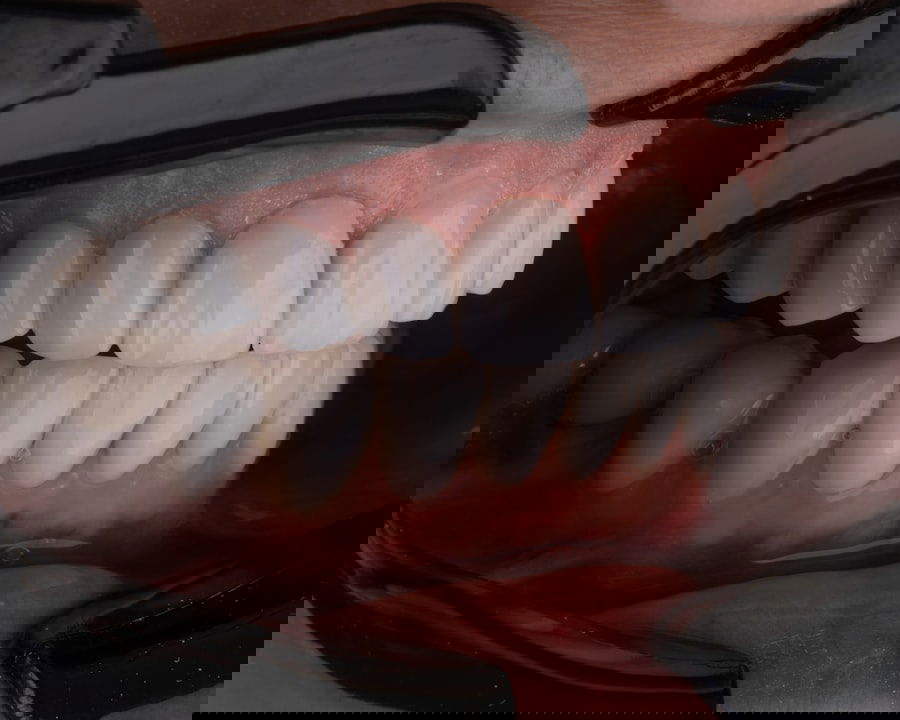
In periodontics, CBCT serves as a valuable diagnostic tool for assessing periodontal disease and planning surgical interventions. Traditional radiographs may not provide sufficient detail regarding bone loss or the extent of periodontal pockets. With CBCT imaging, periodontists can visualize the three-dimensional architecture of alveolar bone and identify areas of dehiscence or fenestration that may require intervention.
This detailed assessment is crucial for developing effective treatment plans aimed at restoring periodontal health. Furthermore, CBCT can assist in evaluating the outcomes of periodontal therapy. After surgical procedures such as flap surgery or bone grafting, clinicians can utilize CBCT to assess healing and determine whether additional interventions are necessary.
The ability to visualize changes in bone density and morphology post-treatment allows periodontists to make informed decisions regarding follow-up care and maintenance strategies for their patients.
Safety and Radiation Concerns with CBCT
Despite its numerous advantages, safety concerns regarding radiation exposure associated with CBCT cannot be overlooked.
This principle emphasizes minimizing radiation exposure while obtaining necessary diagnostic information.
Clinicians must carefully evaluate whether a CBCT scan is warranted based on clinical indications and consider alternative imaging modalities when appropriate. To mitigate radiation risks, advancements in technology have led to the development of dose-reduction techniques in CBCT imaging. These include optimizing exposure settings based on patient size and age as well as employing advanced algorithms that enhance image quality while reducing radiation dose.
Additionally, ongoing research aims to establish standardized protocols for CBCT use in dentistry, ensuring that practitioners are equipped with guidelines that prioritize patient safety without compromising diagnostic efficacy.
Future Developments and Trends in CBCT Technology
The future of CBCT technology in dentistry holds great promise as advancements continue to emerge at a rapid pace. One notable trend is the integration of artificial intelligence (AI) into CBCT imaging analysis. AI algorithms can assist clinicians in identifying pathologies or anomalies within 3D images more efficiently than traditional methods.
By automating certain aspects of image interpretation, AI has the potential to enhance diagnostic accuracy while reducing the time required for analysis. Additionally, developments in portable CBCT systems are likely to expand access to this technology in various clinical settings. Portable units can facilitate point-of-care imaging in practices where traditional fixed systems may not be feasible due to space constraints or budget limitations.
This increased accessibility could lead to broader adoption of CBCT across diverse dental specialties, ultimately improving patient outcomes through enhanced diagnostic capabilities. As research continues into optimizing image quality while minimizing radiation exposure, future iterations of CBCT technology may incorporate advanced imaging techniques such as dual-energy imaging or spectral imaging. These innovations could provide even greater insights into tissue characterization and pathology detection, further solidifying CBCT’s role as an essential tool in modern dentistry.
In summary, Cone Beam Computed Tomography has fundamentally changed how dental professionals approach diagnosis and treatment planning across various specialties. Its ability to provide detailed 3D images enhances clinical decision-making while improving patient outcomes through tailored treatment strategies. As technology continues to evolve, the integration of AI and portable systems will likely expand the reach and effectiveness of CBCT in dental practice, ensuring that it remains at the forefront of dental imaging advancements.
If you are interested in learning more about advanced dental technology, you may want to check out this article on Understanding the Invisalign Treatment Process. This article discusses how Invisalign aligners can help straighten teeth without the need for traditional braces. It is a great example of how technology is revolutionizing the field of dentistry, much like Cone Beam Computed Tomography (CBCT) is doing for diagnostic imaging in dental practices. By staying informed about the latest advancements in dental care, you can make more informed decisions about your oral health.
FAQs
What is CBCT in dentistry?
CBCT stands for Cone Beam Computed Tomography, which is a specialized type of x-ray technology used in dentistry to produce 3D images of the teeth, soft tissues, nerve pathways, and bone in the craniofacial region.
How is CBCT different from traditional dental x-rays?
CBCT provides a three-dimensional view of the dental structures, while traditional x-rays produce two-dimensional images. This allows for more accurate diagnosis and treatment planning in complex dental cases.
What are the benefits of using CBCT in dentistry?
CBCT imaging provides detailed information about the anatomy of the oral and maxillofacial region, which is essential for accurate diagnosis and treatment planning in areas such as dental implants, orthodontics, endodontics, and oral surgery.
Are there any risks associated with CBCT imaging?
While CBCT imaging exposes patients to a higher dose of radiation compared to traditional dental x-rays, the benefits of the detailed 3D images often outweigh the risks. Dentists take precautions to minimize radiation exposure and only use CBCT when necessary.
When is CBCT imaging recommended in dentistry?
CBCT imaging is recommended for complex dental cases, such as dental implant planning, impacted tooth assessment, orthodontic treatment planning, TMJ evaluation, and endodontic diagnosis.
Is CBCT imaging widely available in dental practices?
CBCT imaging is becoming more common in dental practices, especially those specializing in oral surgery, implantology, and orthodontics. However, not all dental practices have CBCT machines, so patients may need to be referred to a specialized imaging center for this type of scan.