
Dental emergencies encompass a wide range of situations that require immediate attention from a dental professional. These emergencies can arise from various causes, including trauma, infection, or underlying dental conditions. A dental emergency is typically characterized by severe pain, bleeding, or the loss of a tooth, and it often necessitates prompt intervention to alleviate discomfort and prevent further complications.
Understanding the nature of these emergencies is crucial for both patients and practitioners, as timely treatment can significantly impact the outcome. One common type of dental emergency is a tooth fracture or avulsion, which can occur due to accidents, sports injuries, or even biting down on hard objects. In such cases, the affected individual may experience intense pain and sensitivity, particularly when exposed to temperature changes or pressure.
Another prevalent emergency involves dental abscesses, which are localized infections that can lead to swelling, fever, and severe discomfort. Recognizing these situations as emergencies is vital, as delays in treatment can result in more serious health issues, including systemic infections.
Key Takeaways
- Dental emergencies can include severe toothaches, broken or knocked-out teeth, and injuries to the mouth or jaw.
- Signs of dental pain can include sharp or throbbing pain, swelling, bleeding, and sensitivity to hot or cold.
- When seeking an emergency dentist, consider asking for recommendations from friends or family, or searching online for local emergency dental clinics.
- During an emergency dental visit, the dentist will conduct a thorough examination, take X-rays if necessary, and provide treatment options based on the diagnosis.
- Treatment options for dental pain may include fillings, root canals, extractions, or antibiotics, depending on the severity of the issue.
Signs and Symptoms of Dental Pain
Identifying the signs and symptoms of dental pain is essential for determining whether a situation qualifies as an emergency. Patients often report varying degrees of discomfort, ranging from mild sensitivity to excruciating pain that can disrupt daily activities. Common indicators include persistent throbbing in the affected area, swelling of the gums or face, and difficulty chewing or opening the mouth.
Additionally, some individuals may experience referred pain, where discomfort is felt in areas other than the source of the problem, such as the jaw or ear. In many cases, dental pain is accompanied by other symptoms that can help pinpoint the underlying issue. For instance, a toothache caused by decay may be accompanied by visible cavities or discoloration on the tooth surface.
Conversely, pain resulting from gum disease may present with swollen gums that bleed during brushing or flossing. Recognizing these accompanying signs can aid in understanding the severity of the situation and whether immediate dental care is necessary.
Finding an Emergency Dentist
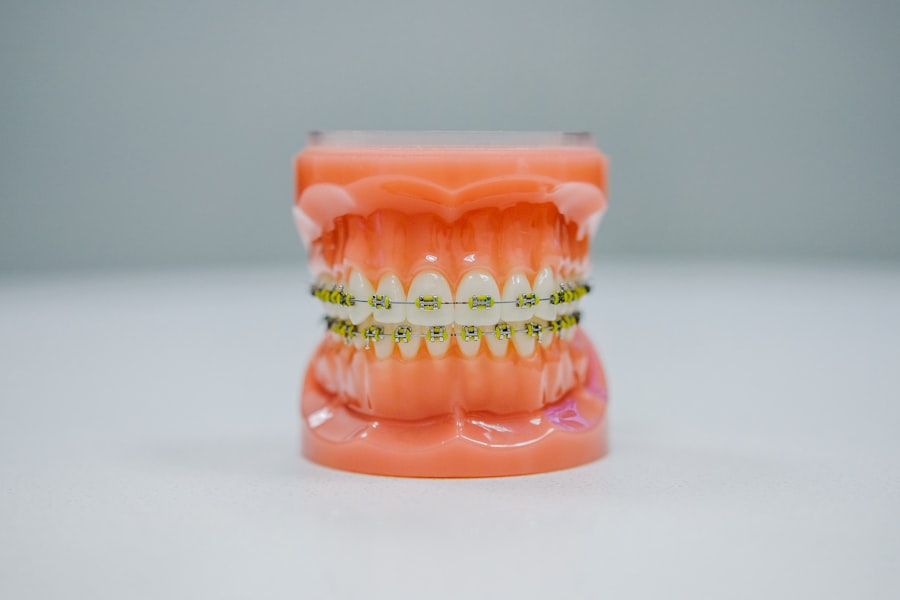
When faced with a dental emergency, knowing how to find an emergency dentist quickly can make all the difference in managing pain and preventing further complications. Many dental practices offer emergency services or have specific hours dedicated to urgent care. It is advisable for individuals to research local dental offices ahead of time to identify those that provide emergency services. This proactive approach can save valuable time during a crisis when every minute counts.
In addition to searching online for emergency dentists, individuals can also seek recommendations from friends, family, or their regular dentist.
Furthermore, some dental insurance plans include provisions for emergency care; thus, checking coverage details can help patients find an appropriate provider without incurring excessive costs. Having a plan in place for emergencies can alleviate stress and ensure that individuals receive timely care when they need it most.
What to Expect During an Emergency Dental Visit
| Emergency Dental Visit | What to Expect |
|---|---|
| Appointment | Call ahead to schedule an emergency dental visit |
| Assessment | The dentist will assess the dental emergency and provide necessary treatment |
| X-rays | X-rays may be taken to diagnose the issue |
| Treatment | The dentist will provide immediate treatment to alleviate pain and address the issue |
| Follow-up | Follow-up appointments may be scheduled for further treatment or monitoring |
An emergency dental visit typically begins with a thorough assessment of the patient’s condition. Upon arrival at the dental office, patients will be asked to provide information about their symptoms and any relevant medical history. This initial consultation allows the dentist to determine the urgency of the situation and develop an appropriate treatment plan.
Patients should be prepared to describe their pain levels, any recent injuries, and any medications they are currently taking. Once the assessment is complete, the dentist may perform diagnostic tests such as X-rays to gain a clearer understanding of the underlying issue. Depending on the findings, treatment options may vary widely—from simple procedures like filling a cavity to more complex interventions such as root canal therapy or tooth extraction.
Throughout the visit, dentists prioritize patient comfort and may offer sedation options for those experiencing significant anxiety or discomfort. Understanding this process can help patients feel more at ease during what can be a stressful experience.
Treatment Options for Dental Pain
The treatment options available for dental pain depend largely on the underlying cause of the discomfort. For instance, if a patient presents with a cavity causing toothache, the dentist may recommend a filling to restore the tooth’s integrity and alleviate pain. In cases where decay has progressed significantly, a root canal may be necessary to remove infected tissue and save the tooth from extraction.
This procedure involves cleaning out the pulp chamber and sealing it to prevent further infection. In situations involving gum disease or abscesses, treatment may include deep cleaning procedures such as scaling and root planing to remove plaque and tartar buildup below the gum line. Antibiotics may also be prescribed to combat infection and reduce inflammation.
For more severe cases where teeth are beyond saving, extraction may be the only viable option. After removal, dentists often discuss options for tooth replacement, such as implants or bridges, to restore function and aesthetics.
Preventing Dental Emergencies
Good Oral Hygiene at Home
Patients should maintain good oral hygiene practices at home by brushing twice daily with fluoride toothpaste and flossing regularly to remove plaque buildup.
Protecting Teeth During High-Risk Activities
Another critical aspect of prevention involves protecting teeth during high-risk activities. Individuals who participate in contact sports should wear mouthguards to shield their teeth from trauma. Similarly, avoiding hard foods that could lead to fractures or chips is advisable.
Empowerment Through Education
Education about proper oral care and awareness of risk factors can empower individuals to take charge of their dental health and reduce the likelihood of emergencies arising.
Home Remedies for Dental Pain Relief
While seeking professional care is essential for addressing dental emergencies effectively, there are several home remedies that individuals can employ for temporary relief from dental pain. One common method involves rinsing with warm salt water, which can help reduce inflammation and cleanse the affected area. This simple solution works by creating a hypertonic environment that draws out excess fluid from swollen tissues.
Another effective remedy is applying a cold compress to the outside of the cheek near the painful area. The cold temperature helps numb the pain while reducing swelling and inflammation. Over-the-counter pain relievers such as ibuprofen or acetaminophen can also provide temporary relief until professional treatment is available.
However, it is crucial to follow dosage instructions carefully and consult with a healthcare provider if there are any concerns about interactions with other medications.
When to Seek Emergency Dental Care
Determining when to seek emergency dental care can sometimes be challenging for patients who may not fully understand the severity of their symptoms. However, certain indicators clearly signal that immediate attention is necessary. Severe pain that persists despite over-the-counter medications is one such sign; this level of discomfort often indicates an underlying issue that requires professional intervention.
Additionally, if there is visible swelling in the gums or face accompanied by fever or difficulty swallowing, these symptoms warrant urgent care. Another critical situation involves trauma resulting in tooth loss or significant damage; in these cases, time is of the essence for successful re-implantation or treatment options. If a tooth has been knocked out entirely, it is vital to handle it carefully by holding it by the crown rather than the root and seeking dental care within 30 minutes if possible.
Recognizing these signs and acting promptly can make a significant difference in outcomes during dental emergencies.
If you are experiencing a dental emergency, it is crucial to seek immediate help from an emergency dentist. In addition to addressing urgent dental issues, it is also important to maintain regular dental check-ups to prevent emergencies from occurring. White Pearl Dental Care emphasizes the importance of regular dental check-ups in their article The Importance of Regular Dental Check-Ups. By staying on top of your oral health with routine visits to the dentist, you can avoid potential emergencies and maintain a healthy smile.
FAQs
What is an emergency dentist?
An emergency dentist is a dental professional who provides immediate dental care for urgent dental issues such as severe toothaches, broken teeth, or other dental emergencies that require immediate attention.
When should I see an emergency dentist?
You should see an emergency dentist if you experience severe tooth pain, a knocked-out tooth, a broken tooth, a dental abscess, or any other urgent dental issue that requires immediate attention.
How do I find an emergency dentist?
You can find an emergency dentist by searching online, asking for recommendations from friends or family, or contacting your regular dentist for a referral to an emergency dental clinic.
What can I expect during a visit to an emergency dentist?
During a visit to an emergency dentist, you can expect to receive immediate treatment for your dental emergency, which may include pain relief, temporary repairs to damaged teeth, or other necessary procedures to address the urgent issue.
What are common dental emergencies that require an emergency dentist?
Common dental emergencies that require an emergency dentist include severe toothaches, knocked-out teeth, broken teeth, dental abscesses, lost fillings or crowns, and other urgent dental issues that cause severe pain or discomfort.