Dental veneers are thin shells made from either porcelain or composite resin that are custom-designed to cover the front surface of teeth. They serve both aesthetic and functional purposes, allowing individuals to achieve a more uniform and appealing smile. The primary goal of dental veneers is to enhance the appearance of teeth that may be discolored, chipped, misaligned, or have gaps between them.
By adhering these shells to the teeth, dentists can create a natural-looking enhancement that can significantly improve a person’s overall smile. The process of creating dental veneers begins with a thorough consultation between the patient and the dentist. During this initial meeting, the dentist assesses the patient’s oral health, discusses their aesthetic goals, and determines whether veneers are the right solution.
If the patient is a suitable candidate, the dentist will take impressions of the teeth and may also perform some preliminary tooth preparation. This preparation often involves removing a small amount of enamel from the front surface of the teeth to ensure that the veneers fit properly and look natural once applied.
Key Takeaways
- Dental veneers are thin, custom-made shells of tooth-colored materials designed to cover the front surface of teeth to improve their appearance.
- Dental veneers can effectively close gaps between teeth, creating a more uniform and aesthetically pleasing smile.
- The process of getting dental veneers involves consultation, preparation of the teeth, taking impressions, and bonding the veneers to the teeth.
- Benefits of dental veneers include improved appearance, durability, stain resistance, and the ability to customize the shape and color of the teeth.
- Dental veneers may be right for individuals looking to improve the appearance of their teeth, but it’s important to consider factors such as oral health and budget.
How Dental Veneers Close Gaps
One of the most common uses for dental veneers is to close gaps between teeth, a condition often referred to as diastema. These gaps can occur for various reasons, including genetics, tooth size discrepancies, or even habits such as thumb-sucking during childhood. While orthodontic treatments like braces can effectively close gaps, many individuals prefer veneers for their ability to provide immediate results without the lengthy treatment times associated with traditional orthodontics.
When dental veneers are used to close gaps, they are designed to match the size and shape of the surrounding teeth. The dentist carefully crafts each veneer to ensure that it not only fills the gap but also complements the overall aesthetics of the smile. For instance, if a patient has a noticeable gap between their front teeth, the dentist may create slightly wider veneers for those specific teeth, effectively bridging the space while maintaining a natural appearance.
This approach allows patients to achieve a more cohesive smile without undergoing extensive orthodontic work.
The Process of Getting Dental Veneers
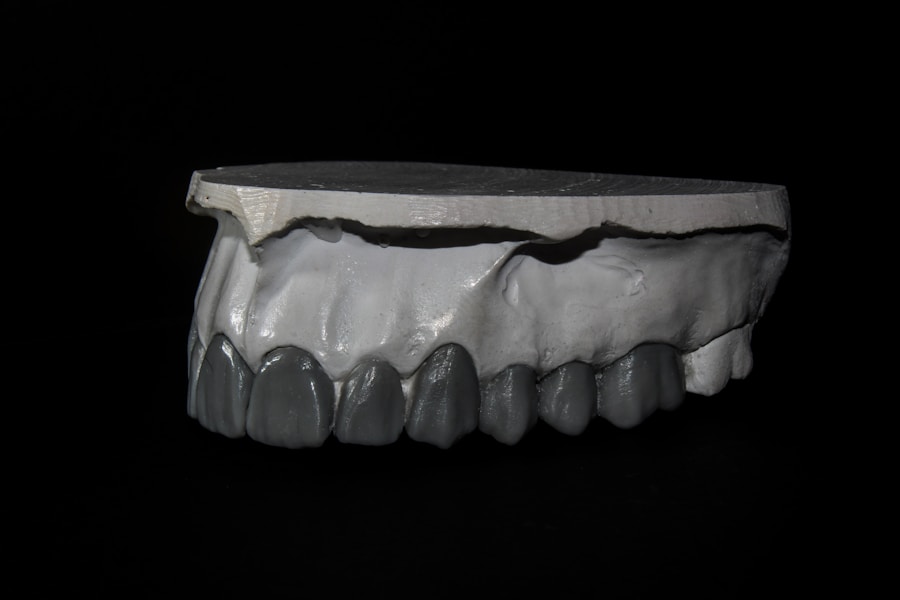
The journey to obtaining dental veneers typically involves several steps, beginning with an initial consultation. During this appointment, the dentist evaluates the patient’s dental health and discusses their cosmetic goals. If veneers are deemed appropriate, the dentist will take detailed impressions of the teeth and may also capture photographs for reference.
These impressions are crucial for creating custom veneers that fit perfectly and match the patient’s natural tooth color. Once the impressions are taken, the next step often involves preparing the teeth for veneer placement. This preparation may include removing a thin layer of enamel from the front surface of the teeth to ensure that the veneers adhere properly and do not appear bulky.
After this preparation, temporary veneers may be placed while the permanent ones are being fabricated in a dental laboratory. This process can take anywhere from a few days to a couple of weeks, depending on the complexity of the case and the laboratory’s workload. Once the permanent veneers are ready, a follow-up appointment is scheduled for placement.
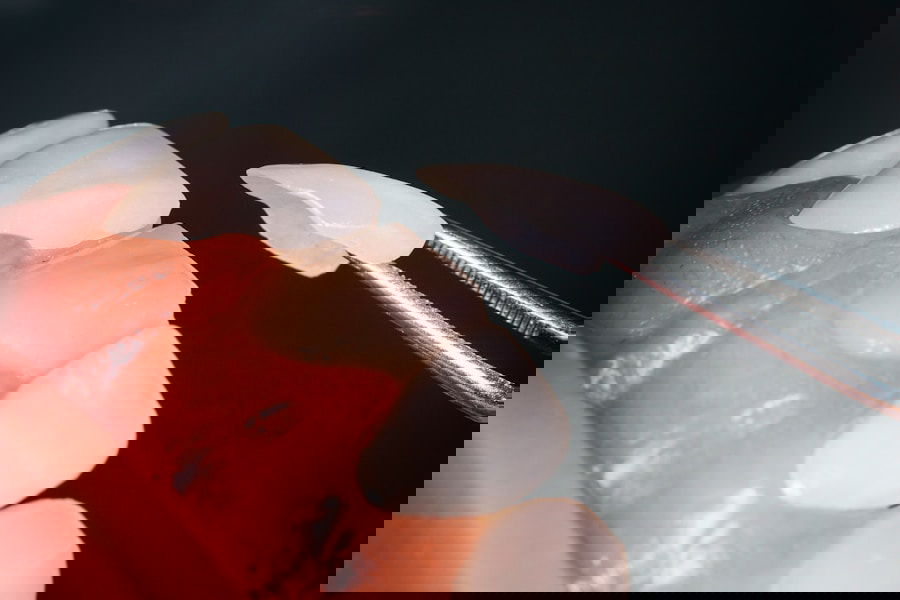
During this appointment, the dentist will carefully bond each veneer to the corresponding tooth using a special dental adhesive. The fit and appearance of each veneer are meticulously checked before finalizing the bond. Once satisfied with the results, the dentist will use a curing light to harden the adhesive, ensuring that the veneers remain securely in place.
After this step, patients can leave with an enhanced smile that reflects their desired aesthetic.
Benefits of Dental Veneers
| Benefit | Description |
|---|---|
| Improved appearance | Dental veneers can improve the appearance of stained, chipped, misaligned, or unevenly spaced teeth. |
| Stain resistance | Veneers are resistant to stains from coffee, tea, and cigarette smoke, providing a long-lasting bright smile. |
| Minimal tooth alteration | Compared to crowns, veneers require minimal alteration of the natural tooth structure. |
| Durable | With proper care, veneers can last 10-15 years before needing replacement. |
| Customizable | Veneers can be customized in color, shape, and size to achieve the desired aesthetic result. |
Dental veneers offer numerous benefits that make them an attractive option for individuals seeking cosmetic enhancements. One of the most significant advantages is their ability to dramatically improve the appearance of teeth in a relatively short amount of time. Unlike orthodontic treatments that can take months or even years to yield results, veneers can provide an instant transformation, allowing patients to enjoy their new smile almost immediately after placement.
Another notable benefit is their versatility. Veneers can address a wide range of cosmetic issues, including discoloration, chips, cracks, and gaps between teeth. This adaptability makes them suitable for various patients with different aesthetic concerns.
Additionally, porcelain veneers are highly resistant to staining, which means they maintain their bright appearance over time with proper care. This characteristic is particularly appealing for individuals who consume staining substances like coffee or red wine. Moreover, dental veneers require minimal alteration to the natural tooth structure compared to other restorative options like crowns or bridges.
This preservation of tooth structure is crucial for maintaining long-term dental health.
Are Dental Veneers Right for You?
Determining whether dental veneers are right for an individual involves several factors that must be carefully considered. First and foremost, candidates should have good oral health without any underlying issues such as gum disease or tooth decay.
Additionally, individuals should have realistic expectations regarding what veneers can achieve. While they can significantly enhance appearance, they are not a solution for every dental concern. For example, patients with severe misalignment may require orthodontic treatment before considering veneers.
Furthermore, those who grind their teeth or have a history of dental trauma may need to explore alternative options or additional protective measures before committing to veneers. A thorough consultation with a qualified dentist is essential in making this decision. During this appointment, patients can discuss their goals and concerns while receiving professional guidance on whether veneers align with their needs.
The dentist can also provide insights into alternative treatments that may be more suitable based on individual circumstances.
Maintaining Dental Veneers
Good Oral Hygiene Practices
Patients should maintain good oral hygiene practices by brushing at least twice a day and flossing daily to prevent plaque buildup around the edges of the veneers.
Regular Dental Check-Ups
Regular dental check-ups are also essential for monitoring the condition of both natural teeth and veneers. During these visits, dentists can assess any potential issues such as wear or damage and provide professional cleanings that help maintain optimal oral health. Additionally, patients should avoid habits that could compromise their veneers, such as biting on hard objects or using teeth as tools.
Dietary Considerations
Dietary choices can also impact the longevity of dental veneers. While porcelain veneers are resistant to staining, excessive consumption of highly pigmented foods and beverages can still lead to discoloration over time. Patients should be mindful of their diet and consider rinsing their mouths with water after consuming staining substances to minimize potential effects.
Potential Risks and Considerations
While dental veneers offer numerous benefits, there are potential risks and considerations that patients should be aware of before proceeding with treatment. One primary concern is that once enamel is removed during preparation for veneers, it cannot be restored. This irreversible process means that patients must commit to having veneers long-term or face potential issues with sensitivity or aesthetics if they choose to remove them later.
Another consideration is that while porcelain veneers are durable, they can still chip or crack under certain circumstances. Patients who engage in activities such as grinding their teeth or playing contact sports may be at higher risk for damage. In such cases, dentists may recommend protective measures like night guards or mouthguards to safeguard against potential harm.
Additionally, some individuals may experience sensitivity after veneer placement due to enamel removal or changes in temperature exposure. While this sensitivity is typically temporary, it can be uncomfortable for some patients. Discussing these potential risks with a qualified dentist during consultations can help individuals make informed decisions about whether veneers are suitable for them.
Finding a Qualified Dentist for Dental Veneers
Choosing a qualified dentist for dental veneer placement is critical to achieving optimal results and ensuring a positive experience throughout the process. Patients should seek out professionals who specialize in cosmetic dentistry and have extensive experience in placing veneers specifically. Checking credentials and verifying that the dentist has received specialized training in cosmetic procedures can provide reassurance regarding their expertise.
Reading patient reviews and testimonials can also offer valuable insights into a dentist’s skill level and patient satisfaction rates. Many dental practices showcase before-and-after photos of previous veneer cases on their websites or social media platforms, allowing prospective patients to gauge the quality of work performed by the dentist. During initial consultations, patients should feel comfortable asking questions about the procedure, materials used, and expected outcomes.
A good dentist will take the time to explain each step of the process and address any concerns or anxieties that patients may have. Building rapport with a dentist who prioritizes patient education and comfort can significantly enhance the overall experience when pursuing dental veneers.
If you are considering dental veneers for gaps in your teeth, you may also want to explore the importance of orthodontic care in improving your smile. Orthodontic treatments such as braces can help correct misalignments and gaps in teeth, providing a foundation for successful veneer placement. To learn more about the cost of orthodontic treatments like Invisalign, visit this article for valuable information. Additionally, you can browse through this link for more insights on braces and their role in achieving a beautiful smile.
FAQs
What are dental veneers?
Dental veneers are thin, custom-made shells of tooth-colored materials designed to cover the front surface of teeth to improve their appearance. They are bonded to the front of the teeth to change their color, shape, size, or length.
How can dental veneers help with gaps in teeth?
Dental veneers can be used to close gaps between teeth by covering the front surface of the teeth and creating the appearance of a more uniform and aligned smile.
What are the benefits of using dental veneers for gaps in teeth?
Using dental veneers for gaps in teeth can provide a natural-looking solution to improve the appearance of the smile. Veneers can also help to strengthen and protect the teeth from further damage.
What is the process of getting dental veneers for gaps in teeth?
The process of getting dental veneers for gaps in teeth typically involves a consultation with a dentist, followed by the preparation of the teeth, taking impressions, and finally, the bonding of the veneers to the teeth.
Are there any limitations or risks associated with dental veneers for gaps in teeth?
While dental veneers can effectively close gaps in teeth, they may not be suitable for everyone. It’s important to consult with a dentist to determine if veneers are the right option for addressing gaps in teeth. Additionally, there are risks such as potential for tooth sensitivity and the possibility of veneers becoming damaged over time.