
Periodontal treatment plays a crucial role in maintaining not only oral health but also overall well-being. The gums and supporting structures of the teeth are vital for sustaining a healthy mouth, and when these areas become compromised, the consequences can extend far beyond mere dental discomfort. Periodontal disease, which encompasses a range of inflammatory conditions affecting the gums and bone supporting the teeth, is often insidious, developing gradually and without noticeable symptoms in its early stages.
Moreover, the significance of periodontal treatment is underscored by its connection to various systemic conditions. Research has established links between periodontal disease and systemic diseases such as diabetes, cardiovascular disease, and respiratory illnesses.
The inflammatory processes associated with periodontal disease can exacerbate these conditions, creating a vicious cycle that can be difficult to break. Therefore, effective periodontal treatment not only addresses local oral health issues but also contributes to the management of broader health concerns, highlighting the need for comprehensive dental care that includes regular periodontal evaluations.
Key Takeaways
- Periodontal treatment is important for maintaining overall oral health and preventing serious health issues.
- Understanding periodontal disease is crucial for early detection and effective treatment.
- Benefits of periodontal treatment include improved oral health, reduced risk of systemic diseases, and enhanced self-confidence.
- Types of periodontal treatment include non-surgical options like scaling and root planing, as well as surgical procedures like flap surgery and bone grafting.
- Preparing for periodontal treatment involves discussing medical history, medications, and any concerns with the periodontist.
Understanding Periodontal Disease
Understanding Gingivitis
Gingivitis is the milder form of periodontal disease, characterized by inflammation of the gums without loss of bone or tissue. Common symptoms include redness, swelling, and bleeding during brushing or flossing.
The Progression to Periodontitis
If left untreated, gingivitis can progress to periodontitis, a more severe condition where the inflammation extends deeper into the supporting structures of the teeth. This stage is marked by the destruction of bone and connective tissue, leading to tooth mobility and potential loss.
Risk Factors and Prevention
The etiology of periodontal disease is multifactorial, with plaque accumulation being a primary contributor. Plaque is a sticky film of bacteria that forms on teeth and gums; if not removed through proper oral hygiene practices, it can harden into tartar, which further irritates the gums. Other risk factors include smoking, hormonal changes, certain medical conditions, and genetic predisposition. Understanding these factors is essential for both prevention and treatment, as addressing them can significantly improve outcomes for individuals suffering from periodontal disease.
Benefits of Periodontal Treatment
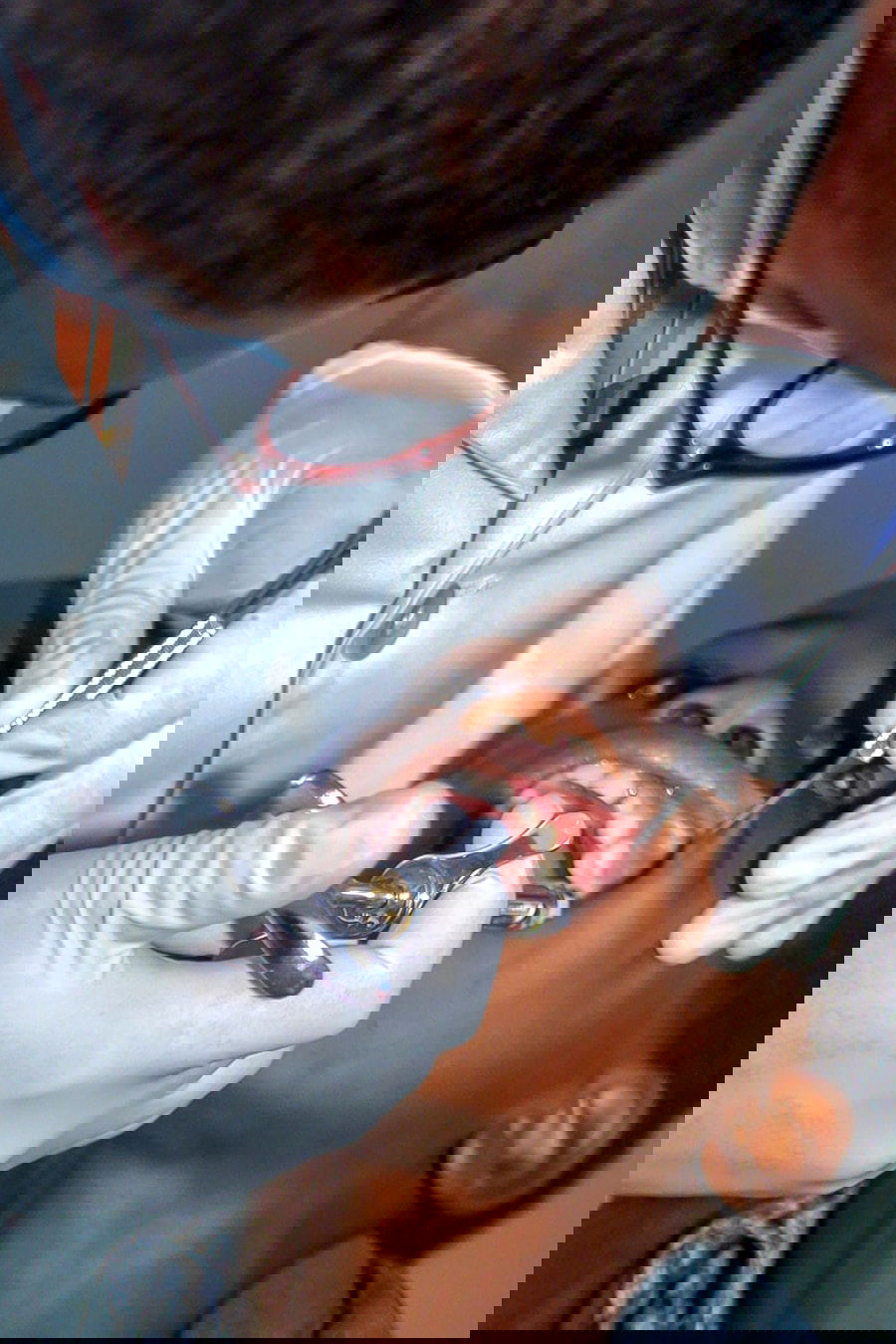
The benefits of periodontal treatment extend well beyond the immediate goal of treating gum disease. One of the most significant advantages is the preservation of natural teeth. Effective periodontal therapy can halt the progression of gum disease, allowing individuals to maintain their natural dentition for a longer period.
This is particularly important as tooth loss can lead to a cascade of other dental issues, including shifting teeth, bite problems, and increased difficulty in maintaining oral hygiene. In addition to preserving teeth, periodontal treatment has been shown to enhance overall quality of life. Patients who undergo successful periodontal therapy often report improvements in their ability to eat comfortably and speak clearly.
Furthermore, there is a psychological aspect to oral health; individuals with healthy gums and teeth tend to have higher self-esteem and confidence in their appearance. The aesthetic benefits of periodontal treatment cannot be overlooked, as healthy gums contribute to a more attractive smile, which can have positive social implications. (Source: American Academy of Periodontology)
Types of Periodontal Treatment
| Treatment Type | Description | Success Rate |
|---|---|---|
| Scaling and Root Planing | A deep cleaning to remove plaque and tartar from the teeth and root surfaces | 85% |
| Periodontal Surgery | Surgical procedures to treat advanced gum disease and restore gum and bone tissue | 70-85% |
| Antibiotic Therapy | Use of antibiotics to control bacterial infection in the gums | 60-75% |
| Laser Therapy | Use of laser technology to remove infected tissue and promote healing | 70-90% |
Periodontal treatment encompasses a variety of procedures tailored to the severity and specifics of an individual’s condition. Non-surgical treatments are often the first line of defense against periodontal disease. Scaling and root planing is a common procedure that involves the thorough cleaning of the tooth surfaces above and below the gum line to remove plaque and tartar buildup.
This deep cleaning helps to reduce inflammation and promote healing of the gum tissues. For more advanced cases of periodontitis, surgical interventions may be necessary. Procedures such as flap surgery involve lifting back the gums to remove tartar deposits from deep pockets around the teeth and then suturing the gums back in place for tighter fit around the tooth.
Bone grafting may also be employed to regenerate lost bone tissue, while guided tissue regeneration uses special membranes to direct the growth of new bone and gum tissue at sites where it has been lost due to periodontal disease. Each type of treatment is designed with specific goals in mind, whether it be to restore gum health or regenerate lost structures.
Preparing for Periodontal Treatment
Preparation for periodontal treatment involves several steps that ensure both patient comfort and treatment efficacy. Initially, a comprehensive dental examination is conducted, which may include X-rays to assess bone levels and identify areas affected by periodontal disease. This assessment allows the dental professional to develop a tailored treatment plan that addresses the unique needs of each patient.
Patients are also encouraged to communicate openly about their medical history, including any medications they are taking or underlying health conditions that may affect treatment outcomes. For instance, individuals with diabetes may require special considerations during their periodontal care due to their increased risk for infections and slower healing times. Additionally, patients should be informed about what to expect during treatment, including any potential discomfort or recovery time involved, which helps alleviate anxiety and fosters a collaborative approach between patient and provider.
What to Expect During Periodontal Treatment
Non-Surgical Treatment Process
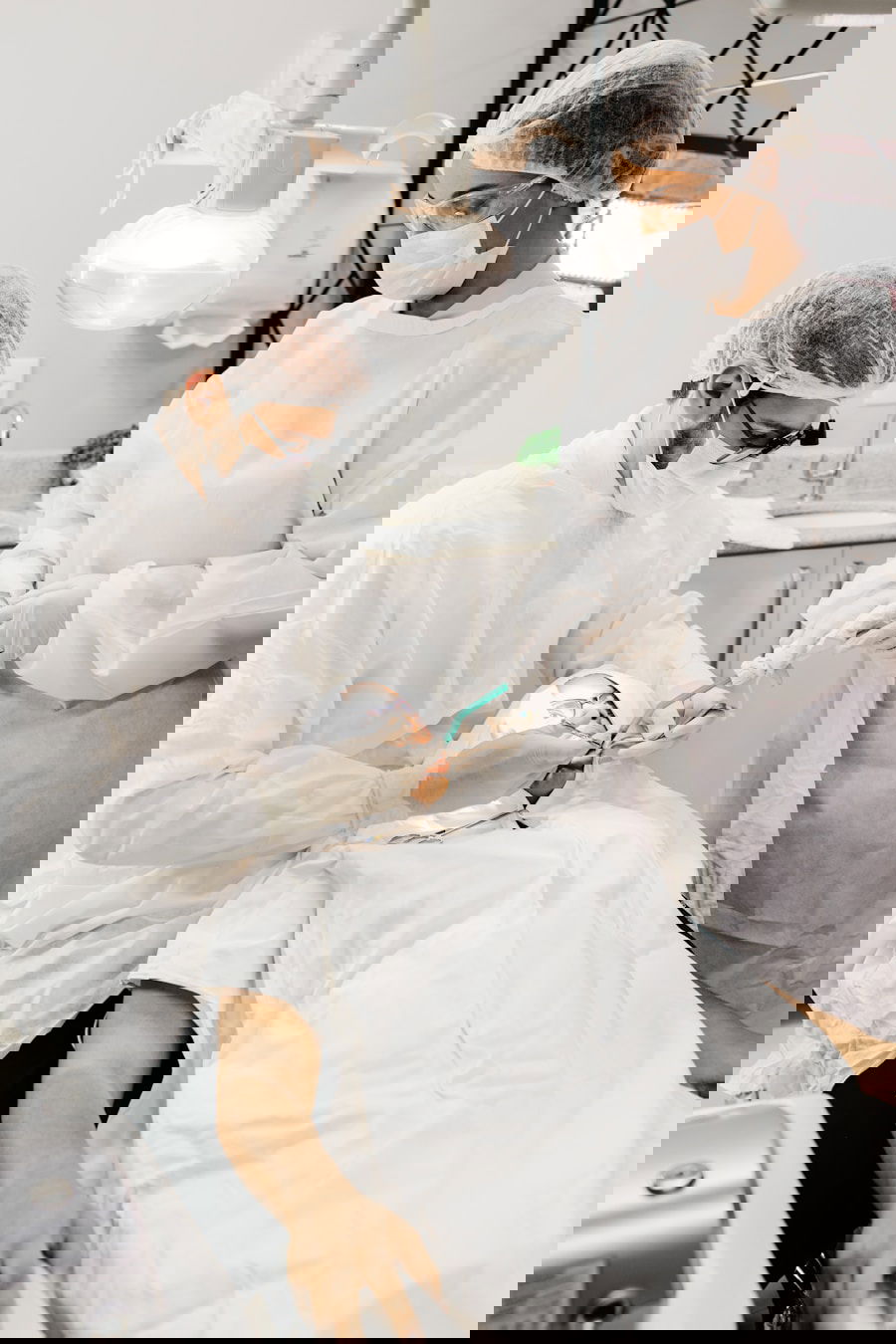
For non-surgical treatments like scaling and root planing, local anesthesia may be administered to minimize discomfort during the procedure. The dental professional will use specialized instruments to meticulously clean the tooth surfaces and remove any calculus buildup from below the gum line.
Treatment Duration and Complexity
This process can take one or more appointments depending on the extent of disease present. In cases where surgical intervention is necessary, patients may experience a more complex procedure involving sedation options for enhanced comfort.
Post-Treatment Care and Recovery
After surgery, patients will typically be monitored for any immediate post-operative complications before being sent home with specific aftercare instructions. It’s important for patients to understand that while some discomfort may occur following treatment—such as swelling or mild pain—these symptoms are usually manageable with over-the-counter pain relievers and should subside within a few days.
Aftercare and Maintenance
Post-treatment care is critical for ensuring long-term success following periodontal therapy. Aftercare instructions will vary depending on the type of treatment received but generally include guidelines on oral hygiene practices, dietary recommendations, and follow-up appointments for monitoring progress. Patients are often advised to avoid certain foods that could irritate healing tissues or disrupt recovery.
Maintaining optimal oral hygiene at home is paramount in preventing recurrence of periodontal disease. This includes regular brushing with fluoride toothpaste, daily flossing, and possibly using antimicrobial mouth rinses as recommended by the dental professional. Additionally, routine dental check-ups are essential for ongoing monitoring; these visits allow for professional cleanings that help manage plaque buildup and assess gum health over time.
Long-Term Oral Health with Periodontal Treatment
Investing in periodontal treatment yields significant long-term benefits for oral health that extend well beyond immediate improvements in gum condition. By effectively managing periodontal disease through appropriate interventions, patients can significantly reduce their risk of tooth loss and associated complications.
Long-term oral health also hinges on patient commitment to preventive care practices post-treatment. Regular dental visits combined with diligent home care create a synergistic effect that promotes sustained gum health and reduces the likelihood of future periodontal issues. As patients become more educated about their oral health needs and empowered to take proactive steps in their care regimen, they are more likely to enjoy not only healthier gums but also an enhanced quality of life characterized by confidence in their smiles and overall well-being.
If you are considering periodontal treatment, you may also be interested in learning about the benefits of orthodontic consultation. A recent article on unlocking your best smile with orthodontic consultation discusses how orthodontic treatment can improve your overall oral health and enhance your smile. Additionally, maintaining your orthodontic treatment, such as Invisalign, is crucial for successful results. Check out 5 essential Invisalign maintenance tips to ensure your treatment is effective. For inspiration, you can also view stunning before and after photos of Invisalign transformations in transform your smile: Invisalign before and after photos.
FAQs
What is periodontal treatment?
Periodontal treatment refers to the various procedures and therapies used to treat gum disease, also known as periodontal disease. These treatments aim to restore the health of the gums and the supporting structures of the teeth.
What are the common types of periodontal treatment?
Common types of periodontal treatment include scaling and root planing, periodontal surgery, laser therapy, and antibiotic treatments. These treatments are aimed at removing plaque and tartar, reducing pocket depths, and promoting gum tissue regeneration.
What are the symptoms of gum disease that may require periodontal treatment?
Symptoms of gum disease that may require periodontal treatment include red, swollen, or bleeding gums, persistent bad breath, receding gums, loose teeth, and changes in the way the teeth fit together when biting.
How is periodontal treatment performed?
Periodontal treatment is typically performed by a dentist or periodontist. The specific procedures involved will depend on the severity of the gum disease. Treatment may involve deep cleaning of the teeth and gums, removal of diseased tissue, and in some cases, surgical intervention.
What are the potential risks and complications of periodontal treatment?
Potential risks and complications of periodontal treatment may include infection, bleeding, swelling, and temporary tooth sensitivity. It is important to discuss any concerns with your dentist or periodontist before undergoing treatment.