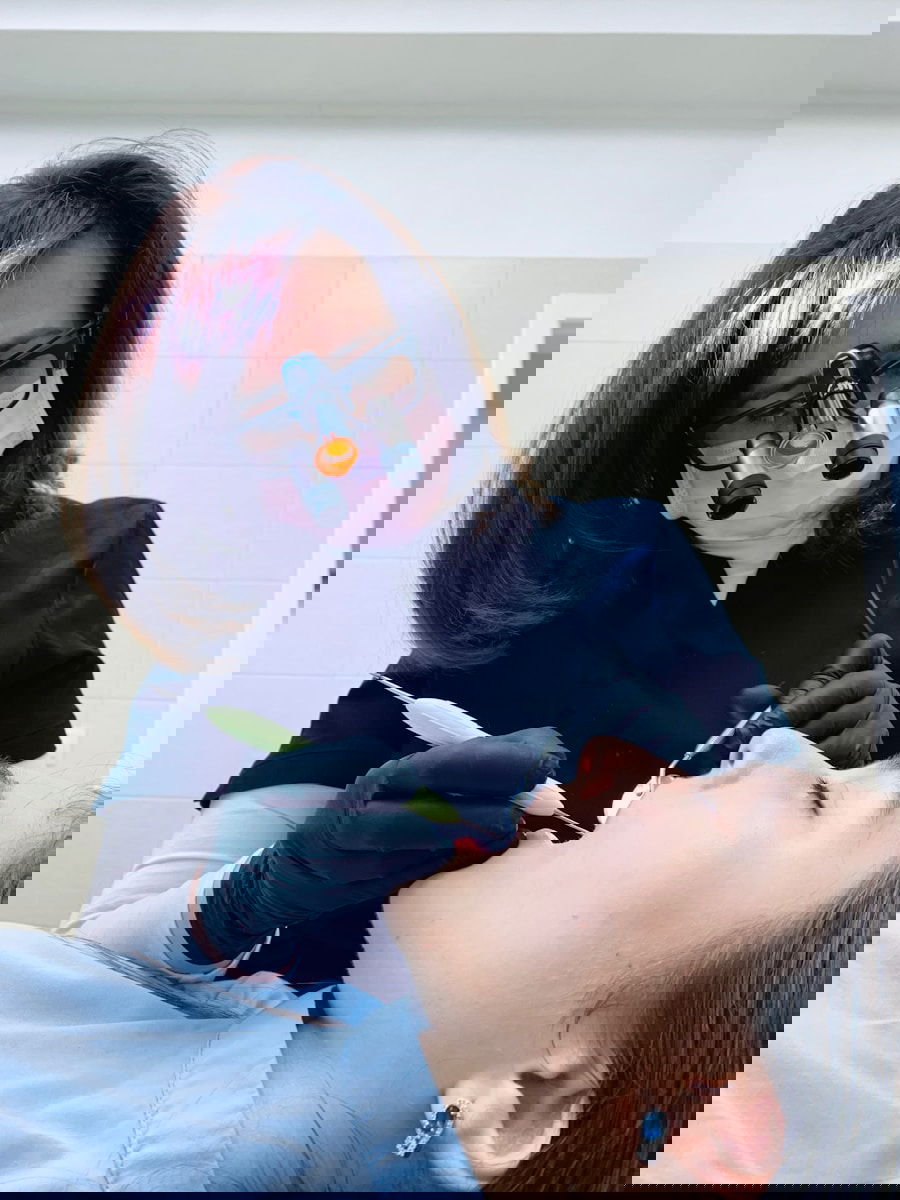
Preventing dental issues is a cornerstone of maintaining oral health and overall well-being. The mouth serves as a gateway to the body, and neglecting dental care can lead to a myriad of problems, including cavities, gum disease, and even systemic health issues. One of the most effective ways to prevent dental problems is through regular oral hygiene practices.
Brushing teeth at least twice a day with fluoride toothpaste and flossing daily can significantly reduce the risk of plaque buildup, which is the primary cause of tooth decay and gum disease. Additionally, using an antibacterial mouthwash can help eliminate bacteria that contribute to oral infections. Diet also plays a crucial role in preventing dental issues.
Consuming a balanced diet rich in vitamins and minerals, particularly calcium and vitamin D, supports strong teeth and gums. Foods high in sugar and acid can erode enamel and promote decay, so it is essential to limit their intake. Regular dental check-ups are equally important; they allow for professional assessments of oral health and provide opportunities for early intervention if problems arise.
By adopting these preventive measures, individuals can significantly reduce their risk of developing serious dental issues over time.
Key Takeaways
- Brush and floss regularly to prevent dental issues
- Regular dental check-ups can help in early detection of oral health problems
- Oral health is linked to overall health, so maintaining good oral hygiene is important
- Professional cleaning and maintenance by a dentist is crucial for oral health
- Work with your dentist to create a personalized oral care plan for your specific needs
- Taking care of your natural teeth can help in preserving them for a longer time
- Regular dental visits can save time and money by preventing major dental issues
- Establishing a relationship with a dentist can ensure consistent and personalized oral care
Early Detection of Oral Health Problems
The Importance of Regular Dental Visits
Regular dental visits enable professionals to identify these problems early on through comprehensive examinations and diagnostic tools like X-rays. This allows for prompt treatment and prevention of more severe consequences.
Early Detection of Cavities and Other Conditions
For instance, a small cavity can be treated with a simple filling if caught early, whereas neglecting it may lead to more extensive procedures like root canals or extractions later on. Moreover, early detection is not limited to cavities; it also encompasses the identification of oral cancers and other serious conditions.
Empowering Individuals with Knowledge
Dentists are trained to recognize abnormal lesions or changes in the mouth that could indicate more severe health issues. For example, leukoplakia or erythroplakia can be early signs of oral cancer, and timely intervention can be life-saving. By prioritizing regular dental check-ups, individuals empower themselves with the knowledge needed to address potential problems before they escalate into more significant health concerns.
Maintaining Overall Health
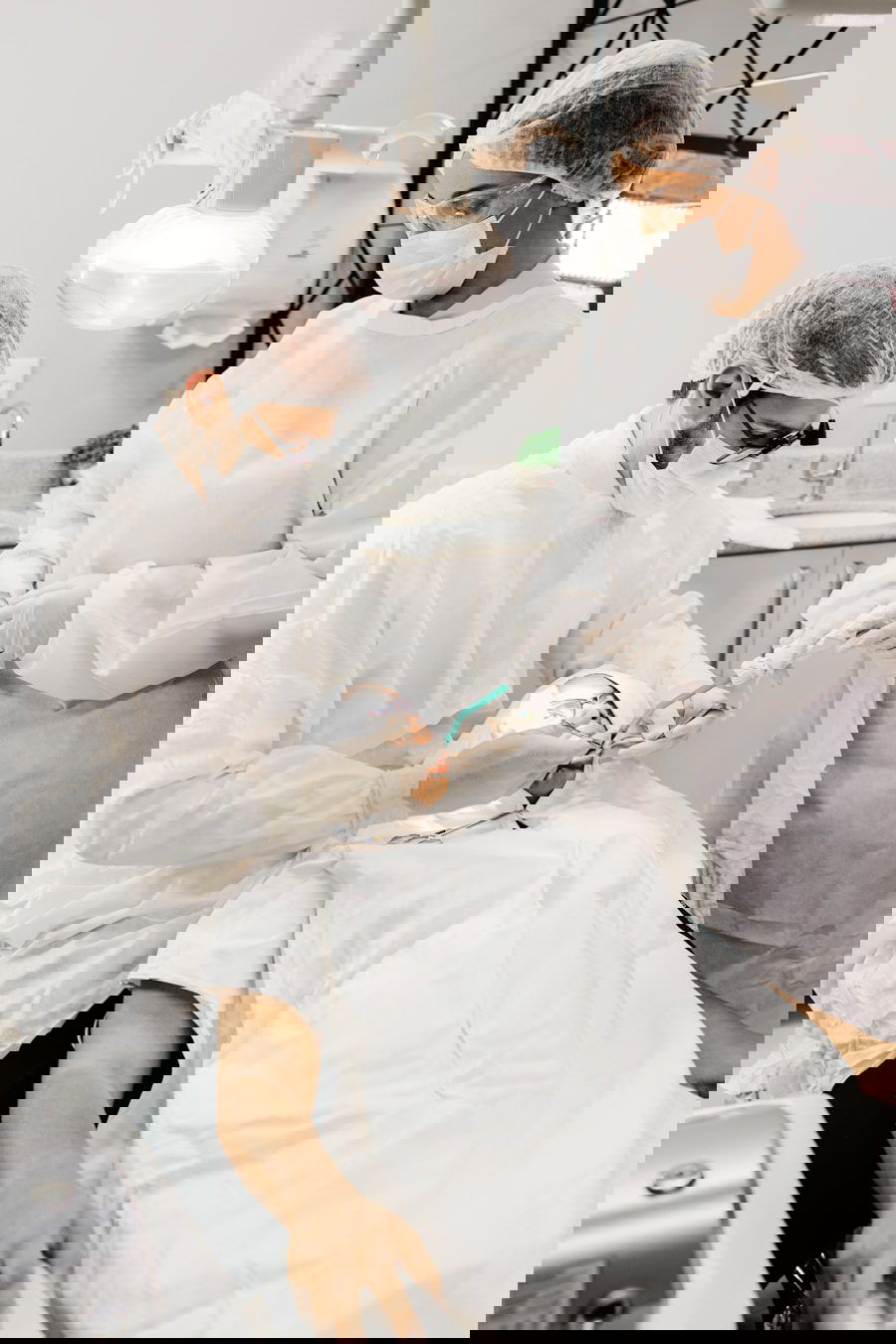
The connection between oral health and overall health is increasingly recognized in the medical community. Poor oral hygiene has been linked to various systemic conditions, including heart disease, diabetes, and respiratory infections. The mouth harbors bacteria that can enter the bloodstream, potentially leading to inflammation and infection in other parts of the body.
For instance, individuals with gum disease are at a higher risk for cardiovascular issues due to the inflammatory response triggered by oral bacteria. Maintaining good oral health through proper hygiene practices not only protects the teeth and gums but also contributes to overall physical health. Regular dental visits help monitor conditions that may affect systemic health, such as diabetes management or the impact of medications on oral health.
Furthermore, educating patients about the importance of oral hygiene can empower them to take charge of their health holistically. By recognizing that oral health is an integral part of overall wellness, individuals can make informed choices that benefit both their mouths and their bodies.
Professional Cleaning and Maintenance
| Metrics | 2019 | 2020 | 2021 |
|---|---|---|---|
| Revenue (in millions) | 3,500 | 3,750 | 4,000 |
| Number of Employees | 25,000 | 27,500 | 30,000 |
| Customer Satisfaction Rate | 92% | 94% | 96% |
| Number of Clients | 500 | 550 | 600 |
Professional cleaning and maintenance are essential components of a comprehensive oral care regimen. While daily brushing and flossing are crucial for removing plaque and food particles, they cannot eliminate tartar buildup that occurs over time. Dental hygienists use specialized tools to perform deep cleanings that remove tartar from hard-to-reach areas, ensuring that teeth remain healthy and free from decay.
This process not only helps prevent cavities but also reduces the risk of gum disease by eliminating bacteria that cause inflammation. In addition to cleaning, professional dental visits often include fluoride treatments that strengthen enamel and protect against decay. These treatments are particularly beneficial for children and individuals at higher risk for cavities.
Regular cleanings also provide an opportunity for dentists to assess the condition of existing restorations, such as fillings or crowns, ensuring they remain intact and functional. By committing to professional cleaning and maintenance every six months, individuals can significantly enhance their oral health and prevent future complications.
Personalized Oral Care Plan
Creating a personalized oral care plan is an effective strategy for addressing individual needs and preferences in dental care. Each person’s oral health situation is unique, influenced by factors such as genetics, lifestyle choices, and existing medical conditions. A personalized plan takes these factors into account, allowing for tailored recommendations that optimize oral hygiene practices.
For example, individuals with a history of cavities may benefit from more frequent fluoride treatments or sealants to protect vulnerable areas. Moreover, a personalized oral care plan can include dietary recommendations that align with an individual’s health goals. For instance, someone looking to improve their overall health may be advised to reduce sugar intake while increasing calcium-rich foods for stronger teeth.
Additionally, incorporating specific products like electric toothbrushes or interdental brushes can enhance cleaning efficiency based on individual needs. By working closely with a dentist to develop a personalized plan, patients can take proactive steps toward achieving optimal oral health tailored specifically to their circumstances.
Preserving Natural Teeth
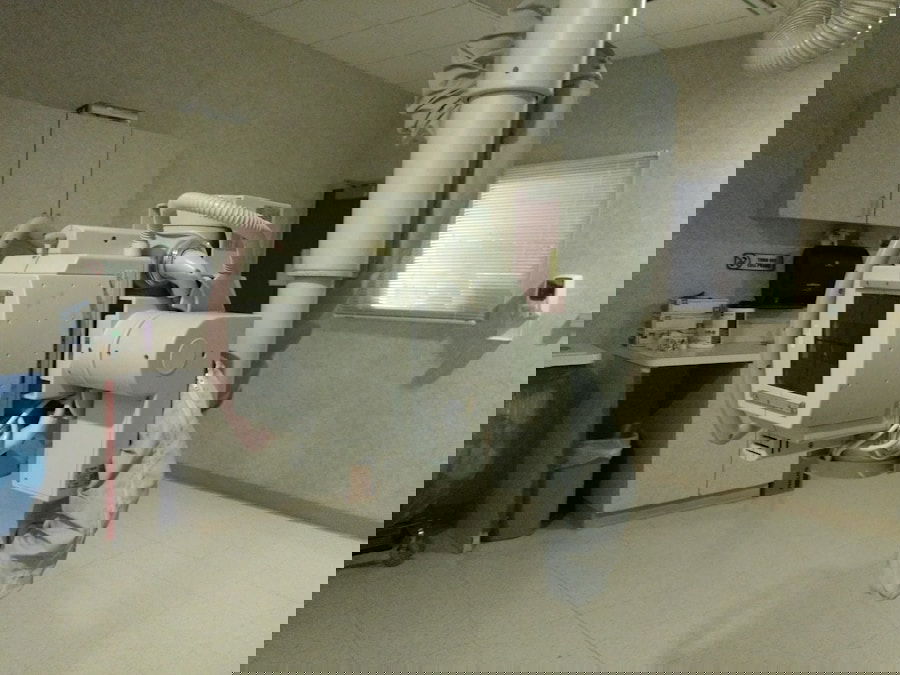
Preserving natural teeth is a primary goal of modern dentistry, as natural teeth play a crucial role in overall function and aesthetics. The loss of a tooth can lead to various complications, including misalignment of remaining teeth, difficulty chewing, and changes in facial structure. Preventive measures such as regular check-ups, cleanings, and prompt treatment of dental issues are essential for maintaining natural teeth throughout one’s life.
For instance, addressing cavities early with fillings can prevent the need for more invasive procedures like root canals or extractions. In addition to preventive care, advancements in restorative dentistry have made it possible to save teeth that might otherwise be lost due to decay or injury. Techniques such as root canal therapy allow dentists to remove infected pulp from within a tooth while preserving its structure.
Furthermore, modern materials used in fillings and crowns closely mimic the appearance of natural teeth, ensuring that aesthetics are maintained even after treatment. By prioritizing the preservation of natural teeth through both preventive measures and restorative techniques, individuals can enjoy better oral function and maintain their smile for years to come.
Saving Time and Money
Investing in preventive dental care ultimately saves time and money in the long run. While some may view regular dental visits as an unnecessary expense, neglecting oral health can lead to more significant issues that require extensive treatment—often at a much higher cost. For example, treating advanced gum disease may necessitate surgical interventions or multiple appointments for deep cleanings, which can be both time-consuming and financially burdensome.
In contrast, routine check-ups allow for early detection and management of potential problems before they escalate. Additionally, many dental insurance plans cover preventive services at little or no cost to the patient. This coverage often includes biannual cleanings and exams, making it financially advantageous to prioritize regular visits.
By adhering to a preventive care schedule, individuals not only protect their oral health but also minimize the likelihood of unexpected expenses related to emergency dental treatments or complex procedures down the line.
Establishing a Relationship with a Dentist
Establishing a relationship with a dentist fosters trust and open communication regarding one’s oral health needs. A strong patient-dentist relationship allows for personalized care tailored to individual preferences and concerns. When patients feel comfortable discussing their fears or anxieties about dental procedures, dentists can provide reassurance and adapt their approach accordingly.
This rapport is particularly important for those who may have had negative experiences in the past or who require extensive treatment. Moreover, a long-term relationship with a dentist enables better continuity of care. Dentists who are familiar with a patient’s history can make informed decisions regarding treatment options based on previous experiences and outcomes.
This familiarity also allows for more accurate monitoring of changes in oral health over time. By prioritizing the establishment of a trusting relationship with a dentist, individuals can enhance their overall dental experience while ensuring they receive comprehensive care tailored to their unique needs.
Regular dental check-ups are essential for maintaining good oral health and preventing any potential issues.
au/maintaining-oral-health-tips-for-a-healthy-smile/’>this article. For those looking to achieve a straighter smile, options like Invisalign or ClearCorrect can be beneficial, as discussed in this article.
FAQs
What is a dental check-up?
A dental check-up is a routine examination of the teeth, gums, and mouth by a dentist to ensure good oral health and to detect any potential issues early on.
How often should I have a dental check-up?
It is generally recommended to have a dental check-up every six months. However, the frequency may vary based on individual oral health needs and the dentist’s recommendation.
What happens during a dental check-up?
During a dental check-up, the dentist will examine your teeth and gums for any signs of decay, gum disease, or other oral health issues. They may also perform a professional cleaning to remove plaque and tartar buildup.
Why are dental check-ups important?
Regular dental check-ups are important for maintaining good oral health, preventing dental problems, and detecting any issues early on. They also provide an opportunity for the dentist to provide guidance on proper oral hygiene practices.
What can I expect after a dental check-up?
After a dental check-up, you may receive recommendations for at-home oral care, such as brushing and flossing techniques. The dentist may also schedule any necessary follow-up treatments or procedures.