The Evolution of Denture Implants
The history of denture implants represents a significant progression in dental technology that addresses patient needs for tooth replacement. Ancient civilizations utilized materials including ivory, bone, and human teeth to create basic denture forms. The field experienced its most substantial advancement in the 1950s when Swedish orthopedic surgeon Per-Ingvar Brånemark discovered osseointegration—the process by which titanium fuses with bone tissue.
This discovery established the fundamental principle behind modern dental implants, providing a more stable and long-lasting solution for tooth loss. Technological developments have continuously improved denture implant design and materials. The integration of computer-aided design (CAD) and computer-aided manufacturing (CAM) technologies has transformed implant production, resulting in more precise fittings and better clinical outcomes.
Advanced imaging technologies, particularly cone beam computed tomography (CBCT), now allow dental professionals to plan implant placement with exceptional precision. Contemporary denture implants offer improved effectiveness and greater accessibility, with diverse options tailored to individual patient requirements and preferences.
Key Takeaways
- Denture implants have evolved significantly, offering improved stability and comfort compared to traditional dentures.
- They provide numerous benefits, including better chewing ability, enhanced appearance, and preservation of jawbone health.
- The implant process involves consultation, surgical placement, and healing before attaching the denture.
- Proper care and maintenance are crucial to ensure the longevity and success of denture implants.
- Advances in technology continue to improve denture implant procedures, making them more accessible and effective.
Understanding the Benefits of Denture Implants
Denture implants offer a multitude of benefits that extend beyond mere aesthetics. One of the most significant advantages is their ability to restore functionality. Unlike traditional dentures, which can slip or shift during eating or speaking, denture implants are anchored securely in the jawbone.
This stability allows patients to enjoy a wider variety of foods without fear of discomfort or embarrassment. The confidence that comes from knowing one’s dentures will remain in place can significantly enhance a person’s quality of life. Moreover, denture implants contribute positively to oral health.
When teeth are lost, the underlying jawbone can begin to deteriorate due to lack of stimulation. Denture implants help to preserve bone density by providing the necessary stimulation through chewing forces, which encourages bone growth and maintenance. This not only helps to maintain facial structure but also prevents the sunken appearance that often accompanies tooth loss.
Additionally, denture implants can help prevent adjacent teeth from shifting out of alignment, further promoting overall oral health.
The Process of Getting Denture Implants
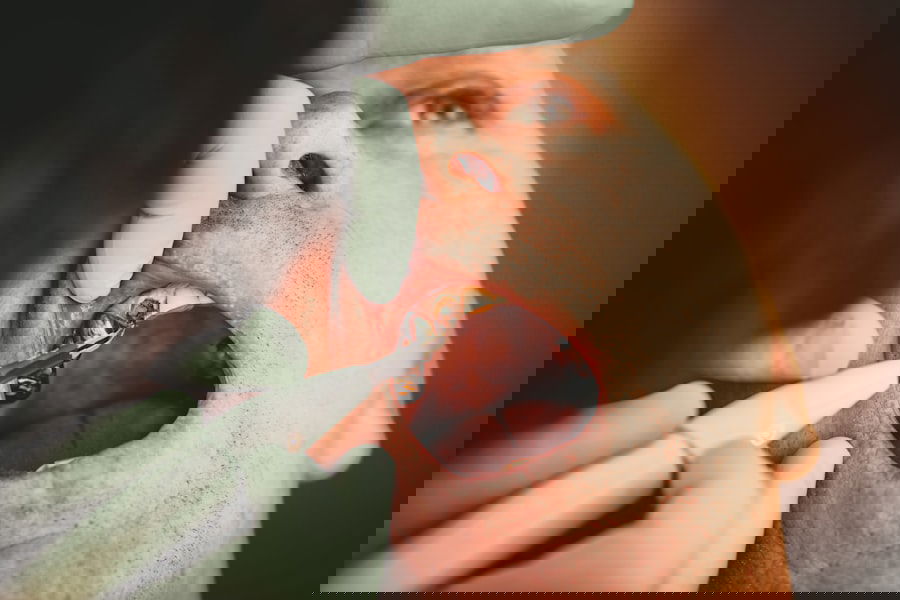
The journey to obtaining denture implants typically begins with a comprehensive consultation with a dental professional. During this initial visit, the dentist will assess the patient’s oral health, review their medical history, and discuss their specific needs and expectations. Diagnostic imaging, such as X-rays or 3D scans, may be utilized to evaluate bone density and determine the optimal placement for the implants.
This thorough evaluation is crucial for ensuring a successful outcome. Once the planning phase is complete, the actual procedure involves several steps. The first step is the surgical placement of the implant into the jawbone.
This is usually performed under local anesthesia or sedation to ensure patient comfort. After the implant is placed, a healing period follows, during which osseointegration occurs—this is when the bone fuses with the implant, creating a strong foundation. Depending on individual healing times, this process can take several months.
After successful integration, an abutment is attached to the implant, which serves as a connector for the final prosthetic denture. Finally, custom dentures are crafted and fitted onto the abutments, completing the transformation.
Comparing Denture Implants to Traditional Dentures
When comparing denture implants to traditional dentures, several key differences emerge that highlight the advantages of implants. Traditional dentures are removable prosthetics that rest on the gums and rely on suction or adhesive for stability. While they can restore appearance and some functionality, they often come with challenges such as discomfort, difficulty in eating certain foods, and the need for regular adjustments due to changes in gum shape over time.
In contrast, denture implants provide a more permanent solution that mimics the function of natural teeth. The integration with the jawbone not only enhances stability but also eliminates many of the common issues associated with traditional dentures. Patients with denture implants often report improved comfort and confidence, as they do not have to worry about their dentures slipping or causing irritation.
Furthermore, denture implants require less maintenance than traditional dentures; while regular dental check-ups are essential for both options, implants do not need to be removed for cleaning or soaking.
The Importance of Proper Care and Maintenance for Denture Implants
| Metric | Value | Unit | Notes |
|---|---|---|---|
| Average Implant Success Rate | 95 | % | Over 5 years post-implantation |
| Average Healing Time | 3-6 | Months | Time before denture placement |
| Number of Implants per Denture | 4-6 | Implants | Depends on jawbone density and denture type |
| Average Lifespan of Denture Implants | 10-15 | Years | With proper care and maintenance |
| Patient Satisfaction Rate | 90 | % | Based on comfort and functionality surveys |
| Common Complication Rate | 5 | % | Includes infection and implant failure |
| Average Cost Range | 1500-3000 | Per implant | Varies by location and provider |
While denture implants are designed to be durable and long-lasting, proper care and maintenance are essential for ensuring their longevity and functionality. Just like natural teeth, dental implants require regular brushing and flossing to prevent plaque buildup and maintain oral hygiene. Patients should use non-abrasive toothpaste and soft-bristled toothbrushes to clean both their implants and surrounding gums gently.
In addition to daily care, routine dental check-ups are crucial for monitoring the health of both the implants and surrounding tissues. During these visits, dentists can assess for any signs of infection or complications and provide professional cleanings that help maintain optimal oral health. Patients should also be mindful of their diet; while denture implants allow for a broader range of foods compared to traditional dentures, avoiding excessively hard or sticky foods can help prevent damage to both the implants and natural teeth.
Overcoming Common Misconceptions about Denture Implants
Despite their growing popularity and numerous benefits, several misconceptions about denture implants persist in public discourse. One common myth is that dental implants are only suitable for older adults or those with significant tooth loss. In reality, individuals of various ages can benefit from denture implants as long as they have sufficient bone density and overall good health.
Younger patients who have lost teeth due to injury or congenital conditions can also find denture implants to be an effective solution. Another misconception is that the process of getting denture implants is excessively painful or complicated.
Furthermore, with proper planning and care from a qualified dental professional, complications are rare.
The Impact of Denture Implants on Oral Health
The impact of denture implants on oral health extends far beyond aesthetics; they play a crucial role in maintaining overall dental well-being. One significant benefit is their ability to prevent bone loss in the jaw. When teeth are lost, the jawbone begins to resorb due to lack of stimulation from tooth roots.
This can lead to changes in facial structure and an increased risk of further tooth loss. Denture implants provide the necessary stimulation to preserve bone density, helping maintain facial contours and preventing complications associated with bone loss. Additionally, denture implants contribute positively to gum health.
Unlike traditional dentures that can irritate gum tissue and lead to inflammation or infection, properly placed dental implants do not exert pressure on gums in the same way. This reduces the risk of gum disease and promotes healthier oral tissues overall. Furthermore, because denture implants are anchored securely in place, they help maintain proper alignment of adjacent teeth, reducing the likelihood of misalignment issues that can arise from tooth loss.
Exploring the Cost of Denture Implants
The cost of denture implants can vary widely based on several factors including geographic location, complexity of the case, and specific materials used in the procedure. On average, patients can expect to pay anywhere from $1,500 to $6,000 per implant; however, this figure may increase depending on additional procedures such as bone grafting or sinus lifts that may be necessary for successful placement. While upfront costs may seem daunting compared to traditional dentures—which typically range from $300 to $2,500—it’s essential to consider long-term value when evaluating expenses.
Denture implants are designed for longevity; with proper care, they can last a lifetime without needing replacement like traditional dentures often do every few years. Additionally, many dental insurance plans offer partial coverage for implant procedures, making them more accessible for patients seeking a permanent solution.
Real-life Stories: How Denture Implants Have Transformed Smiles
Real-life testimonials from individuals who have undergone denture implant procedures provide compelling evidence of their transformative power. For instance, one patient named Sarah shared her experience after losing several teeth due to decay and gum disease. Initially hesitant about undergoing surgery, she ultimately decided on denture implants after learning about their benefits.
Post-procedure, Sarah expressed how her confidence soared; she could eat her favorite foods without discomfort and felt empowered to smile freely again. Another inspiring story comes from John, who had struggled with traditional dentures for years due to constant slipping and discomfort. After switching to denture implants, he reported a remarkable improvement in his quality of life—he could participate in social gatherings without fear of his dentures shifting or causing embarrassment.
John’s experience highlights how denture implants not only restore functionality but also significantly enhance emotional well-being by allowing individuals to engage fully in life without limitations.
The Future of Denture Implants: Advancements and Innovations
The future of denture implants looks promising as ongoing research and technological advancements continue to shape this field. Innovations such as 3D printing are revolutionizing how dental professionals create custom prosthetics; this technology allows for rapid production while ensuring precise fit and comfort for patients. Additionally, advancements in materials science are leading to stronger yet lighter implant options that enhance durability without compromising aesthetics.
Moreover, digital dentistry is paving the way for improved patient experiences through virtual consultations and treatment planning software that allows for more accurate predictions of outcomes. As artificial intelligence becomes integrated into dental practices, it may further streamline processes such as diagnostics and treatment recommendations—ultimately leading to better patient care and satisfaction.
Finding the Right Dentist for Denture Implants
Selecting a qualified dentist for denture implant procedures is crucial for achieving optimal results. Patients should seek professionals who specialize in implant dentistry and possess relevant certifications from recognized organizations such as the American Academy of Implant Dentistry (AAID). It’s also beneficial to review patient testimonials and before-and-after photos to gauge previous work quality.
During initial consultations, prospective patients should feel comfortable asking questions about the dentist’s experience with implant procedures and discussing any concerns they may have regarding treatment options or recovery processes. A good dentist will take time to explain each step clearly while ensuring that patients feel informed and confident in their decisions moving forward. In conclusion, denture implants represent a significant advancement in restorative dentistry that offers numerous benefits over traditional dentures.
From improved functionality and oral health preservation to enhanced confidence and quality of life, they have transformed how individuals approach tooth loss solutions today.
Denture implants are an excellent solution for those looking to restore their smile and improve their quality of life. For individuals considering various dental enhancements, it’s also important to understand the role of preventative care in maintaining oral health. You can read more about this in the article on preventative dental care, which highlights essential practices that can help keep your smile healthy and vibrant.
FAQs
What are denture implants?
Denture implants are dental implants that provide a stable and secure foundation for dentures. They are titanium posts surgically placed into the jawbone to support and retain removable or fixed dentures.
How do denture implants work?
Denture implants fuse with the jawbone through a process called osseointegration, creating a strong anchor. Dentures are then attached to these implants, improving stability and preventing slipping or movement.
Who is a candidate for denture implants?
Candidates typically have sufficient jawbone density and healthy gums. They should be in good overall health and committed to maintaining oral hygiene. A dental evaluation is necessary to determine suitability.
What are the benefits of denture implants?
Benefits include improved denture stability, enhanced chewing ability, better speech, increased comfort, and preservation of jawbone structure, which helps prevent bone loss.
How long do denture implants last?
With proper care and maintenance, denture implants can last 10 to 25 years or longer. The attached dentures may require periodic adjustments or replacement over time.
Is the denture implant procedure painful?
The procedure is typically performed under local anesthesia, so patients usually experience minimal discomfort. Some soreness and swelling may occur during the healing process.
How long does it take to get denture implants?
The entire process can take several months, including implant placement, healing time for osseointegration (usually 3 to 6 months), and fitting the dentures.
Are denture implants more expensive than traditional dentures?
Yes, denture implants generally cost more upfront than traditional dentures due to the surgical procedure and materials involved. However, they may offer better long-term value and function.
Can denture implants be used for both upper and lower dentures?
Yes, denture implants can be used to support both upper and lower dentures, although the number of implants and placement may vary depending on the jawbone and denture type.
How do I care for denture implants?
Good oral hygiene is essential, including regular brushing, flossing, and dental check-ups. Patients should follow their dentist’s instructions for cleaning both the implants and dentures to ensure longevity.